Brazil · Minas Gerais
Where to Stay in Poços de Caldas, Minas Gerais
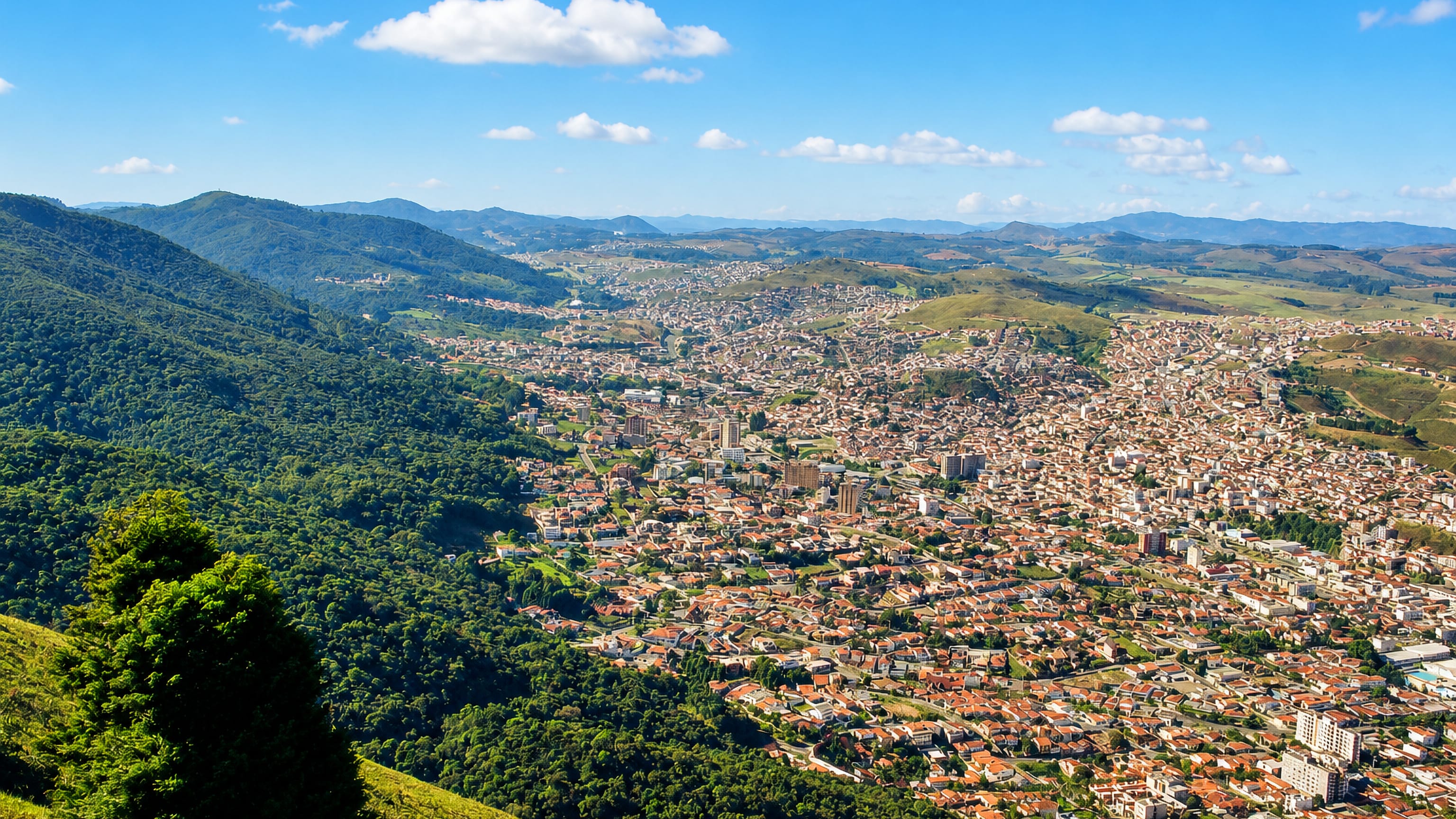
Poços de Caldas is a hydromineral town in southern Minas Gerais, Brazil, laid out around thermal fountains and the Basilica of Our Lady of Good Health.
Hotel links are affiliate links: booking through them may earn us a commission, at no extra cost to you. It never affects how places are ranked. How this works


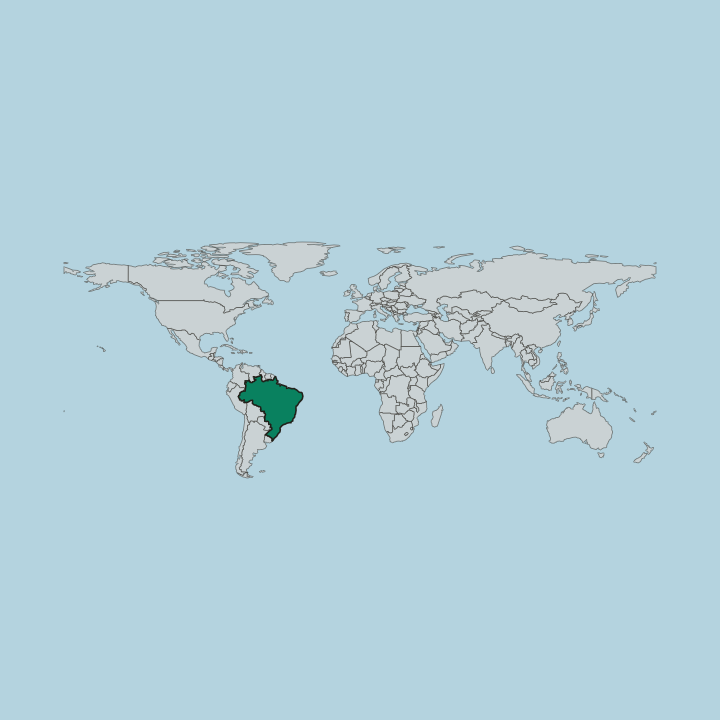
Where to stay in Poços de Caldas
Where the beds are, and what that means for the visit.
The springs organise Poços de Caldas, and the choice of a room mostly comes down to how close it sits to the Fonte Pedro Botelho and the Fonte Termal Macacos. Central blocks win on convenience. Rooms near the Basilica of Our Lady of Good Health put the fountains, the shops, and the Museu Histórico e Geográfico de Poços de Caldas inside a short walk, which is what most first-time arrivals want from a spa town.
Quieter ground lies away from the fountain blocks. IMS Poços draws a different crowd, and the streets around it, along with the Igreja de Santo Antônio and the Igreja de São Sebastião, keep an exhibition-and-coffee rhythm rather than a treatment-schedule one. Groups book these streets early.
Uphill, around the Santuário Nossa Senhora de Fátima and the Memorial Padre Carlos, rooms come with parking and a little distance from the evening crowds, which suits you if you are touring southern Minas Gerais by car rather than settling in for a week of baths. Distances stay small either way. A walk between the Fonte dos Amores and the Saint Dominic church in Poços de Caldas takes minutes rather than a planned outing, so a poor guess about which side of town to book costs very little here.
Find hotels in Poços de Caldas
Direct booking searches for these neighbourhoods.
Basilica block
The basilica anchors the central grid, with the Museu Histórico e Geográfico de Poços de Caldas a few minutes off.Find hotels in Basilica blockspa mornings that begin at the Fonte Pedro BotelhoThe thermal fountain quarter
The Fonte Pedro Botelho and the Fonte Termal Macacos put thermal water a few minutes from the door.Find hotels in The thermal fountain quartergallery days at IMS Poços and evenings without a carStreets around IMS Poços
IMS Poços and the Igreja de Santo Antônio give this corner an exhibition-led rhythm instead of a treatment schedule.Find hotels in Streets around IMS Poçosdrivers wanting parking uphill from the fountain crowdsSantuário Nossa Senhora de Fátima side
The Santuário Nossa Senhora de Fátima and the Memorial Padre Carlos mark a calmer edge where rooms come with space for a car. Few places to stay nearby — book ahead.Find hotels in Santuário Nossa Senhora de Fátima sideHotel links are affiliate links: booking through them may earn us a commission, at no extra cost to you. It never affects how places are ranked. How this works
Things to do in Poços de Caldas
Ranked by global recognition; descriptions from Wikidata (CC0).
Museums & Galleries
3- Museu Histórico e Geográfico de Poços de Caldas Heritage
- IMS Poços Heritage
- Memorial Padre Carlos
Churches & Religious Sites
4- Basilica of Our Lady of Good Health Heritage
- Igreja de Santo Antônio (Poços de Caldas) Heritage
- Igreja de São Sebastião (Poços de Caldas) Heritage
- Santuário Nossa Senhora de Fátima (Poços de Caldas) Heritage
Castles & Historic Sites
3- Fonte dos Amores (Poços de Caldas) Heritage
- Fonte Pedro Botelho Heritage
- Fonte Termal Macacos Heritage
worth knowingacross 3 categories in Poços de Caldas
About Poços de Caldas
Water made the name.
What is Poços de Caldas known for?
Poços de Caldas grew into one of Brazil's most traditional hydromineral and climatic resorts, a town that families and organised excursions have returned to for the springs and the mild air of southern Minas Gerais. Italian colonisation shaped its flavour, and the Fonte Pedro Botelho, the Fonte Termal Macacos, and the Fonte dos Amores still mark the points where thermal water surfaces. IMS Poços handles the contemporary side.
What are the main landmarks in Poços de Caldas?
The Basilica of Our Lady of Good Health heads the list. Three named fountains carry the older reputation: the Fonte Pedro Botelho, the Fonte Termal Macacos, and the Fonte dos Amores. Churches multiply from there.
The Igreja de Santo Antônio, the Igreja de São Sebastião, and the Santuário Nossa Senhora de Fátima divide the parishes, while the Memorial Padre Carlos and the Museu Histórico e Geográfico de Poços de Caldas keep the record indoors. IMS Poços covers art, and the Saint Dominic church in Poços de Caldas closes the set.
What is the history of Poços de Caldas?
Poços de Caldas dates its municipal life to 1872, and nearly everything visible in the centre follows from the water that had already drawn people to the site. The springs came first. Fountains such as the Fonte Pedro Botelho and the Fonte Termal Macacos gave the settlement a reason to exist beyond farming, and the town then built itself around the business of taking the waters.
Italian colonisation shaped who settled here, and the European flavour visitors notice in southern Minas Gerais comes from that arrival rather than from any imported style. Churches followed the families. The Igreja de Santo Antônio, the Igreja de São Sebastião, and the Saint Dominic church in Poços de Caldas mark separate parishes, while the Basilica of Our Lady of Good Health raised the devotional centre of the town to a higher rank.
The Santuário Nossa Senhora de Fátima and the Memorial Padre Carlos extend that line. By the time the resort trade matured, Poços de Caldas counted among Brazil's most traditional hydromineral and climatic destinations, a town whose calendar was set by visiting families and organised excursions rather than by harvests. The Museu Histórico e Geográfico de Poços de Caldas keeps that record.
IMS Poços later added an art institution to a place that had spent its first century selling water and air.
Where is Poços de Caldas?
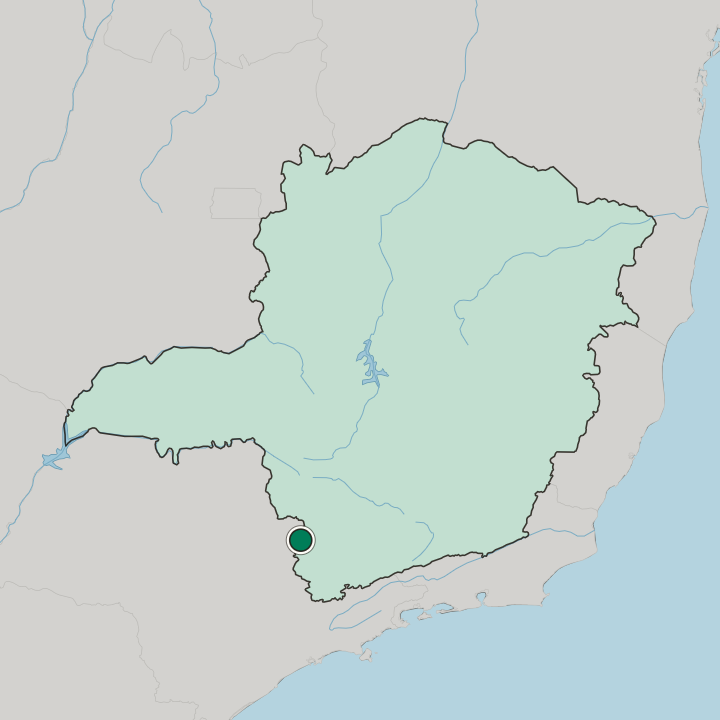
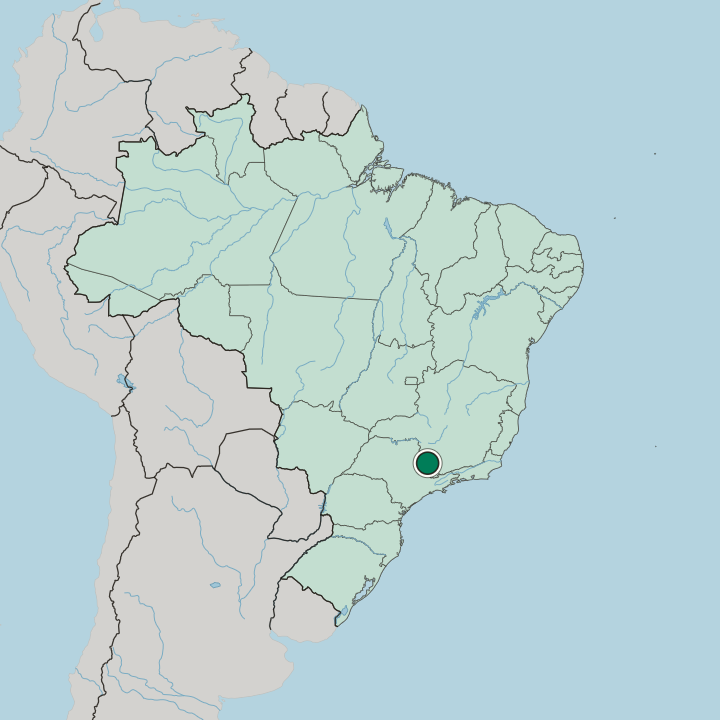
Poços de Caldas sits in the south of Minas Gerais, in the microregion that carries the town's own name. The municipality spreads across a broad block of inland country, and the thermal water rising at the Fonte Termal Macacos and the Fonte Pedro Botelho says more about what lies beneath the ground than about what stands on it. No coastline comes close.
Neighbouring municipalities of southern Minas Gerais take over at every edge.
What is the climate of Poços de Caldas?
The mild air is half the reason people come. Poços de Caldas built its reputation as a climatic resort quite as much as a hydromineral one, and the two claims travel together across southern Minas Gerais. Its year runs on a southern calendar.
Warm months gather around the turn of the year, the cooler and drier stretch falls mid-calendar, and the tropical band this part of Brazil sits in never delivers the hard winter a European visitor might expect.
How do you get to Poços de Caldas?
Coaches have always mattered here. The resort trade in Poços de Caldas grew on organised excursions, and group travel by road remains the arrival pattern the town's own description emphasises above any other. No airport or rail terminal appears in the sources, so a car or a coach across southern Minas Gerais is the realistic approach.
Inside town, walking works. The Fonte Pedro Botelho, the Basilica of Our Lady of Good Health, and IMS Poços fall inside a compact centre that needs no transport plan of its own.
Common questions
What is the best area to stay in Poços de Caldas?
Basilica block: arrivals who want the Basilica of Our Lady of Good Health within earshot. The thermal fountain quarter: spa mornings that begin at the Fonte Pedro Botelho. Streets around IMS Poços: gallery days at IMS Poços and evenings without a car. Santuário Nossa Senhora de Fátima side: drivers wanting parking uphill from the fountain crowds.
Good for
More cities in Minas Gerais
Updated October 2026