Brazil · Rio de Janeiro
Where to Stay in Macaé, Rio de Janeiro
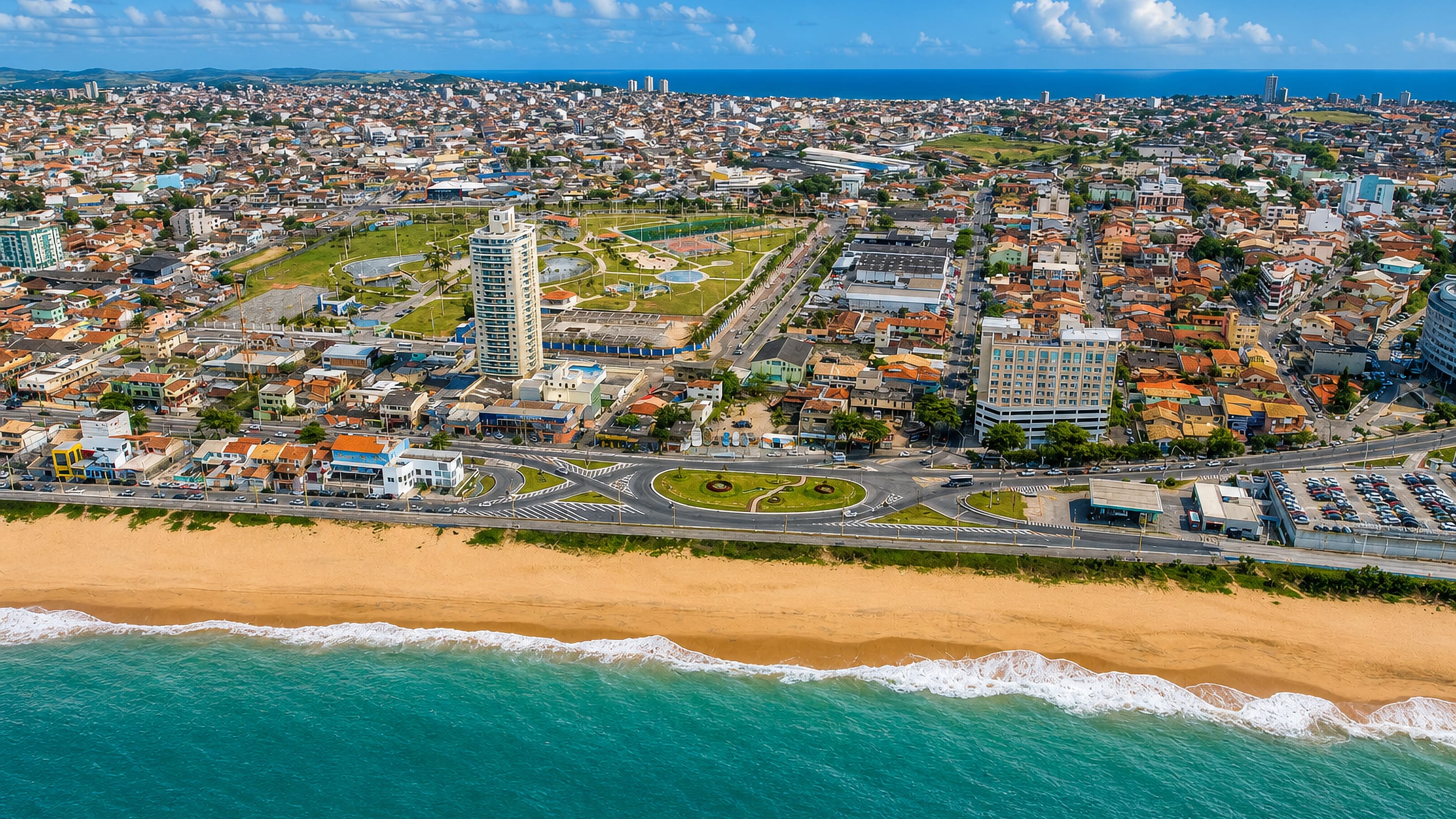
Macaé, dating from 1813, is the oil city of Rio de Janeiro state, known as the Cidade do Petróleo and birthplace of Washington Luís.
Hotel links are affiliate links: booking through them may earn us a commission, at no extra cost to you. It never affects how places are ranked. How this works


Where to stay in Macaé
Where visitors usually base themselves, and why.
The Solar dos Mellos is the address to measure others against. It holds the Museu da Cidade de Macaé, and the Igreja de Sant'Anna and the Palácio dos Urubus belong to the same old core, which is the part of Macaé that reads as a town rather than as an industry. That is the visitor's half.
You will find the Museu da Motocicleta - Vintage Bike Dreams on the same list of reasons to be here, along with the Canal Campos-Macaé. The other half is work. Cidade do Petróleo is the name the city goes by, and a stay arranged around that work has a different shape from one arranged around the Igreja de Sant'Anna.
Between the two halves, distance settles the choice. Macaé lies some 180 kilometres from Rio de Janeiro, far enough that the city is not a day trip from the capital, and the municipality itself covers some four hundred and seventy square kilometres. Glicério has its old station.
The Antiga Estação Ferroviária de Glicério belongs to that wider territory rather than to the old core around the Solar dos Mellos. Portuguese is the language of every arrangement, and 1813 is the year Macaé dates from.
Find hotels in Macaé
Direct booking searches for these neighbourhoods.
Around the Solar dos Mellos
The Solar dos Mellos and the Palácio dos Urubus stand in the oldest built part of Macaé.Find hotels in Around the Solar dos MellosAnyone in Macaé on Cidade do Petróleo businessThe oil-industry side
The oil work that gave Macaé its Cidade do Petróleo name sets the rhythm on this side of the city.Find hotels in The oil-industry sideHotel links are affiliate links: booking through them may earn us a commission, at no extra cost to you. It never affects how places are ranked. How this works
About Macaé
Oil made the name.
What is Macaé known for?
Macaé is called the Cidade do Petróleo, and the work that earned the nickname sits alongside an older town whose Igreja de Sant'Anna and Solar dos Mellos, the Museu da Cidade de Macaé, predate the oil. One museum breaks the pattern. The Museu da Motocicleta - Vintage Bike Dreams keeps motorcycles rather than municipal history, and the Palácio dos Urubus and the Canal Campos-Macaé fill out a list that runs from civic architecture to engineering.
What are the main landmarks in Macaé?
The Canal Campos-Macaé is the one piece of engineering on the list, a waterway tying Macaé to Campos. Buildings take the rest. The Igreja de Sant'Anna is the church, the Palácio dos Urubus another of the civic names, and the Solar dos Mellos serves as the Museu da Cidade de Macaé, so one house does duty for the town's whole record.
Two more sit apart. The Antiga Estação Ferroviária de Glicério keeps a railway name in the municipality, and the Museu da Motocicleta - Vintage Bike Dreams collects motorcycles.
What is the history of Macaé?
Macaé dates from 1813. The Igreja de Sant'Anna carries the parish name from that early period, and the Solar dos Mellos, a house that serves as the Museu da Cidade de Macaé, is the building where the town's own account of itself is kept. Engineering came next.
The Canal Campos-Macaé linked the city to Campos, a work of scale that appears in the landmark record alongside churches and houses, and the railway reached the municipality at Glicério. The Palácio dos Urubus belongs to the same civic layer. One man carried the name further.
Washington Luís, the thirteenth president of Brazil, was born in Macaé, which gives a municipality of the state of Rio de Janeiro a place in the national record that its size would not otherwise supply. Then oil arrived. Macaé became the Cidade do Petróleo, the name it is referred to by, and that industry sits over the older layers of canal, railway and parish.
The Museu da Motocicleta - Vintage Bike Dreams is the odd one out on the list. Portuguese runs through all of it, from 1813 to the oil.
Where is Macaé?
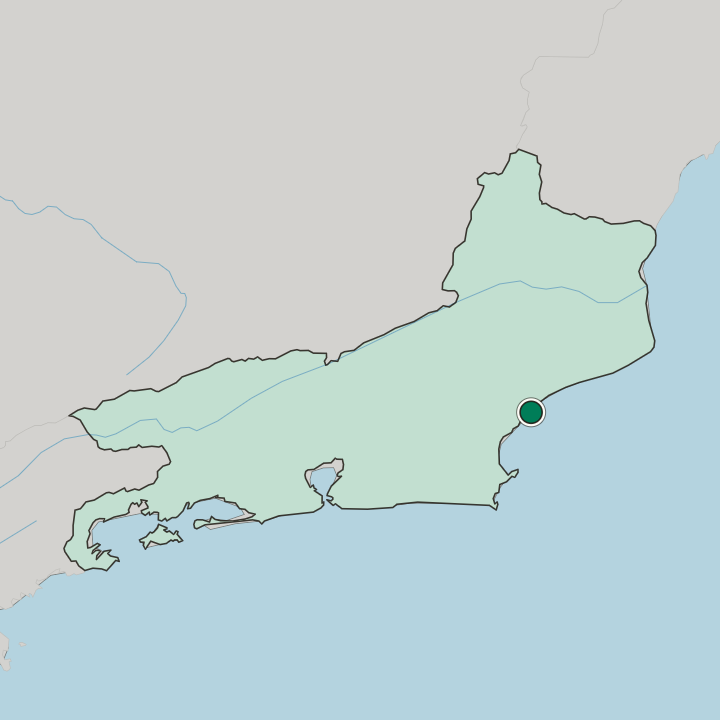
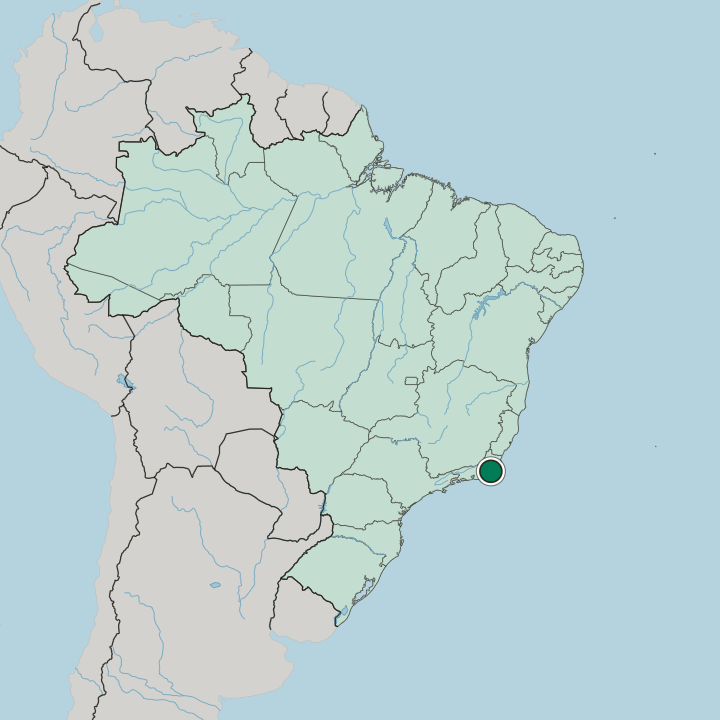
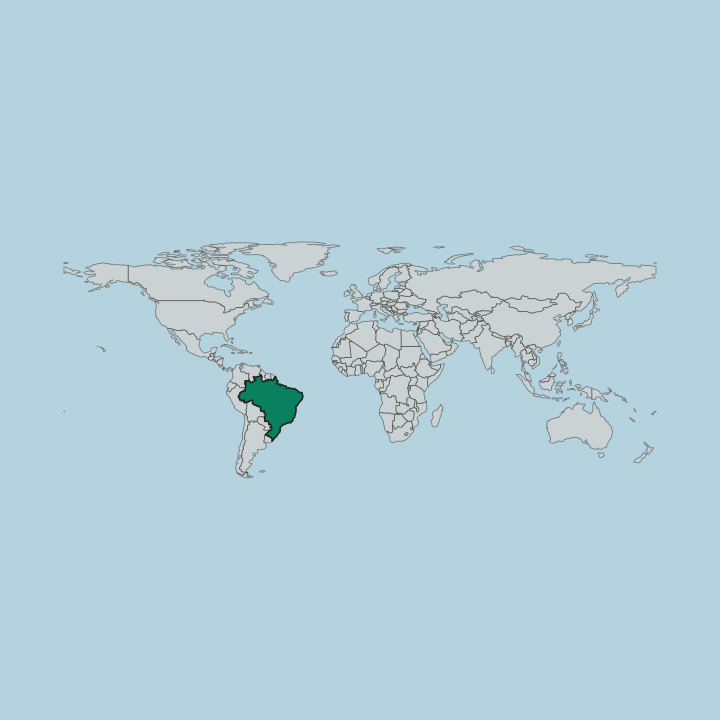
Macaé lies some 180 kilometres from Rio de Janeiro. Its municipality covers something near four hundred and seventy square kilometres of the state, ground enough to hold both the built-up city and outlying places like Glicério, where the old railway station stands. Water crosses it.
The Canal Campos-Macaé runs between Macaé and Campos, and the tropical band the city occupies gives the whole territory the same warmth from one boundary to the other.
What is the climate of Macaé?
The Canal Campos-Macaé lies in country that never cools much. Macaé sits inside the tropical band, so December and January bring the heaviest heat, June and July only a softening of it, and the year turns without anything a northern visitor would call winter. Indoors is the answer.
The Solar dos Mellos and the Museu da Motocicleta - Vintage Bike Dreams both give an afternoon somewhere to be, and the Igreja de Sant'Anna holds its own cool.
How do you get to Macaé?
The capital is 180 kilometres off. Macaé lies that far from Rio de Janeiro, which puts it beyond the reach of a metropolitan service and makes the road the ordinary way in, with Portuguese on every sign along it. Rails are a museum piece here.
The Antiga Estação Ferroviária de Glicério is listed as a former station, and the Canal Campos-Macaé is the other historic route, connecting Macaé with Campos rather than with the capital.
Common questions
What is the best area to stay in Macaé?
Around the Solar dos Mellos: Visitors pairing the Museu da Cidade de Macaé with the Sant'Anna church. The oil-industry side: Anyone in Macaé on Cidade do Petróleo business.
Good for
More cities in Rio de Janeiro
Updated September 2026