Canada · Québec
Where to Stay in Laval, Québec
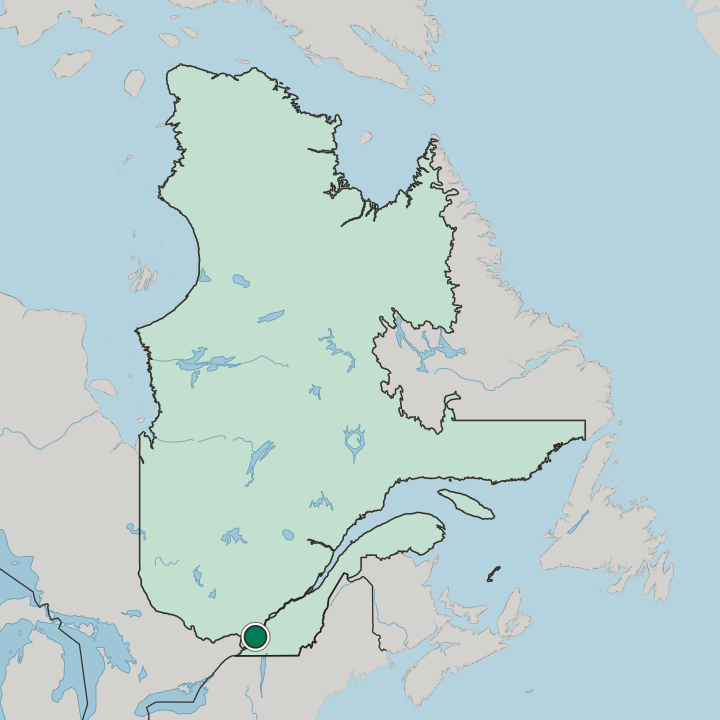
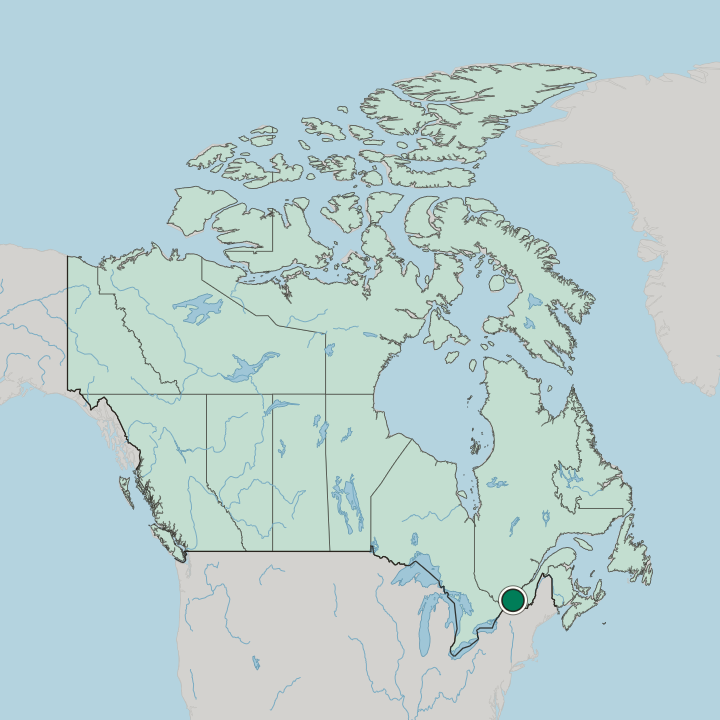
Laval covers Île Jésus north of Montreal, a Québec city assembled from fourteen former municipalities, facing the Rivière des Prairies.
Hotel links are affiliate links: booking through them may earn us a commission, at no extra cost to you. It never affects how places are ranked. How this works


Where to stay in Laval
Where you base yourself shapes the visit — here's the character of each area.

 LavalCanada
Pont-Viau
Named for the Viau Bridge linking it to Montreal, Pont-Viau is a district of southern Laval and was a town in its own right until 1965.Where to stay →LavalCanadaChomedey
Chomedey covers the southwest of Laval, a district that ran as its own municipality until the mergers of 1965 and holds Place Bell.Where to stay →Hotel links are affiliate links: booking through them may earn us a commission, at no extra cost to you. It never affects how places are ranked. How this works
Find hotels in Laval
Direct booking searches for these neighbourhoods.
The Autoroute 15 corridor
The one strip of Laval where the road corridor meets the built-up southeast shoreFind hotels in The Autoroute 15 corridorStays built around Laval's arena and its museumsAround Place Bell
Place Bell and the Cosmodome sit on the dense side of Île JésusFind hotels in Around Place BellTravellers after the rural half of Île JésusSainte-Rose and the old village cores
Village ground around the Église de Sainte-Rose-de-Lima and Maison Therrien. Rooms are few around here — worth securing early.Find hotels in Sainte-Rose and the old village coresHotel links are affiliate links: booking through them may earn us a commission, at no extra cost to you. It never affects how places are ranked. How this works
Things to do in Laval
Ranked by global recognition; descriptions from Wikidata (CC0).
Museums & Galleries
2- Cosmodome
- Armand Frappier Museum
Churches & Religious Sites
3- Church of St. Maurice Heritage
- Église de Sainte-Rose-de-Lima Heritage
- Armenian Evangelical church
Stadiums & Sports
2- Place Bell
- Colisée de Laval
Landmarks & Notable Places
6- Maison Pierre-Paré Heritage
- Maison Therrien Heritage
- Maison André-Benjamin-Papineau Heritage
- Maison Joseph-Labelle Heritage
- Maison Charbonneau Heritage
Show 1 more →
- Saint-Vincent-de-Paul Penitentiary Towers Heritage
worth knowingacross 4 categories in Laval
About Laval
What is Laval known for?
An island holds the whole city. Île Jésus sits between Montreal and the country north of it, and Laval covers almost all of that island along with smaller ones nearby, which makes water the boundary on every side. Place Bell and the Cosmodome pull the visitors. The Autoroute 15 corridor and the southeast shore carry most of the city's activity, facing Montreal across the Rivière des Prairies.
What are the main landmarks in Laval?
The Cosmodome is the odd one. A space science centre sits beside the Armand Frappier Museum, while Place Bell and the Colisée de Laval are the larger named venues. Old houses carry family names.
Maison Pierre-Paré, Maison Charbonneau, Maison Joseph-Labelle, Maison Therrien, and Maison André-Benjamin-Papineau survive from the villages that preceded the city, and the Église de Sainte-Rose-de-Lima marks the parish life among them. The Saint-Vincent-de-Paul Penitentiary, its Main Cellblock, and the Saint-Vincent-de-Paul Penitentiary Towers stand apart from all of it.
What is the history of Laval?
The city is younger than its buildings. Laval carries a founding year of 1965, but Maison Pierre-Paré, Maison Charbonneau, Maison André-Benjamin-Papineau, and the Église de Sainte-Rose-de-Lima all belong to the village landscape that stood on Île Jésus long before any single municipality existed. Île Jésus lies between the Rivière des Prairies and the water on its far side, which made it farm country in reach of Montreal for generations before the merger. Fourteen of them were folded together.
That amalgamation produced one municipality covering nearly the whole island, which is why the city keeps several old cores instead of a single historic centre, each with its own church and its own surviving houses. Institutions came before the suburb. The Saint-Vincent-de-Paul Penitentiary stands with its Main Cellblock and the Saint-Vincent-de-Paul Penitentiary Towers, a prison complex of its own scale among the island's older structures.
Montreal did the rest. Growth along the Autoroute 15 corridor turned the southeast of Île Jésus into the largest suburb of Greater Montreal, while the north and west stayed rural, and that split still governs how the city reads on the ground. The Cosmodome and the Armand Frappier Museum belong to the later civic build, added once the island had a city government of its own.
Where is Laval?
Water surrounds Laval completely. The city occupies Île Jésus and a scatter of smaller islands north of Montreal, with the Rivière des Prairies dividing it from the larger island across the southeast shore. Most of the ground stays rural.
Built-up land follows the Autoroute 15 corridor and the southeastern coast, leaving farmland over much of the rest of the island, so the city's density falls off sharply away from that edge.
What is the climate of Laval?
The rivers ring the island but do little. Île Jésus sits far from any ocean, so the temperate year swings between hard winter cold with lasting snow and a humid warm stretch through July and August, the same pattern Montreal keeps across the Rivière des Prairies. Being an island changes nothing here. The channels are too narrow to hold heat or cool the air the way a sea does, which is why Laval's weather reads as continental rather than maritime.
How do you get to Laval?
Autoroute 15 runs the length of it. That road carries the main approach from Montreal, crossing the Rivière des Prairies onto Île Jésus and continuing north through the corridor where most of Laval's built-up ground lies. A car helps everywhere else.
The old village centres, the Saint-Vincent-de-Paul Penitentiary, and the farm country beyond the corridor sit well apart from one another across an island this wide, and Greater Montreal's network is what ties them to the rest of Québec.
Common questions
What is the best area to stay in Laval?
The Autoroute 15 corridor: Bases running daily between Île Jésus and Montreal. Around Place Bell: Stays built around Laval's arena and its museums. Sainte-Rose and the old village cores: Travellers after the rural half of Île Jésus.
Good for
More cities in Québec
Updated September 2026