Canada
Québec, Canada — Towns & Travel Guide
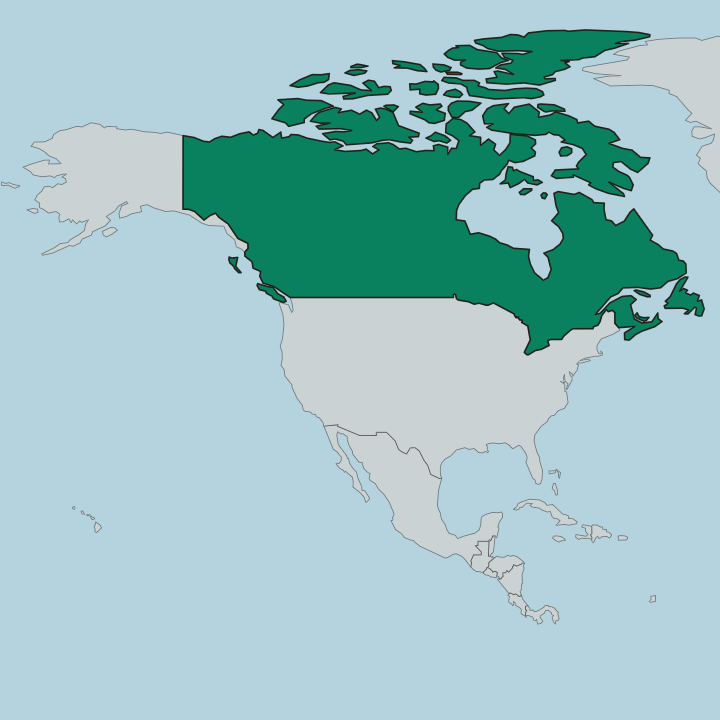
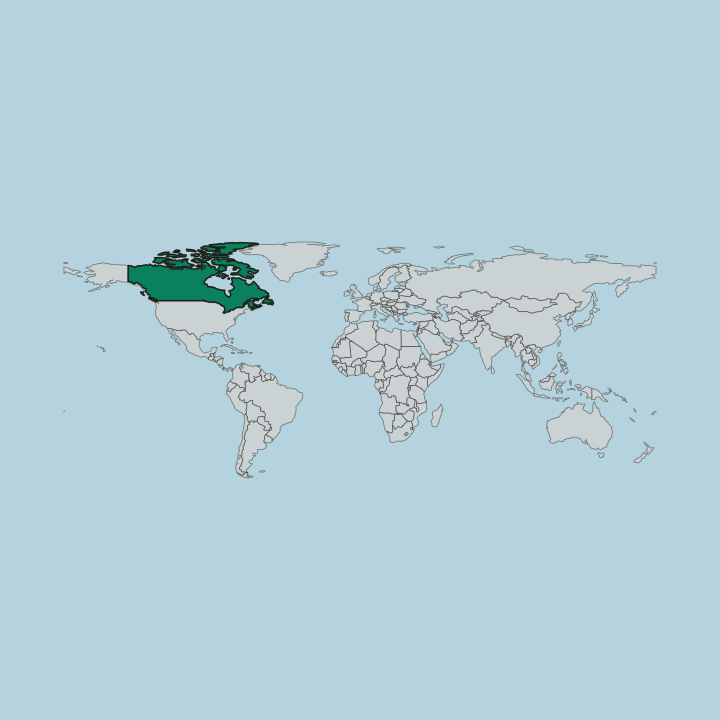
Québec is Canada's largest province by area and its only Francophone-majority province, set in Central Canada where Québécois French is spoken.
Hotel links are affiliate links: booking through them may earn us a commission, at no extra cost to you. It never affects how places are ranked. How this works


Towns & cities in Québec
Pick a town or city — each links to where to stay.
 Canada
Montréal
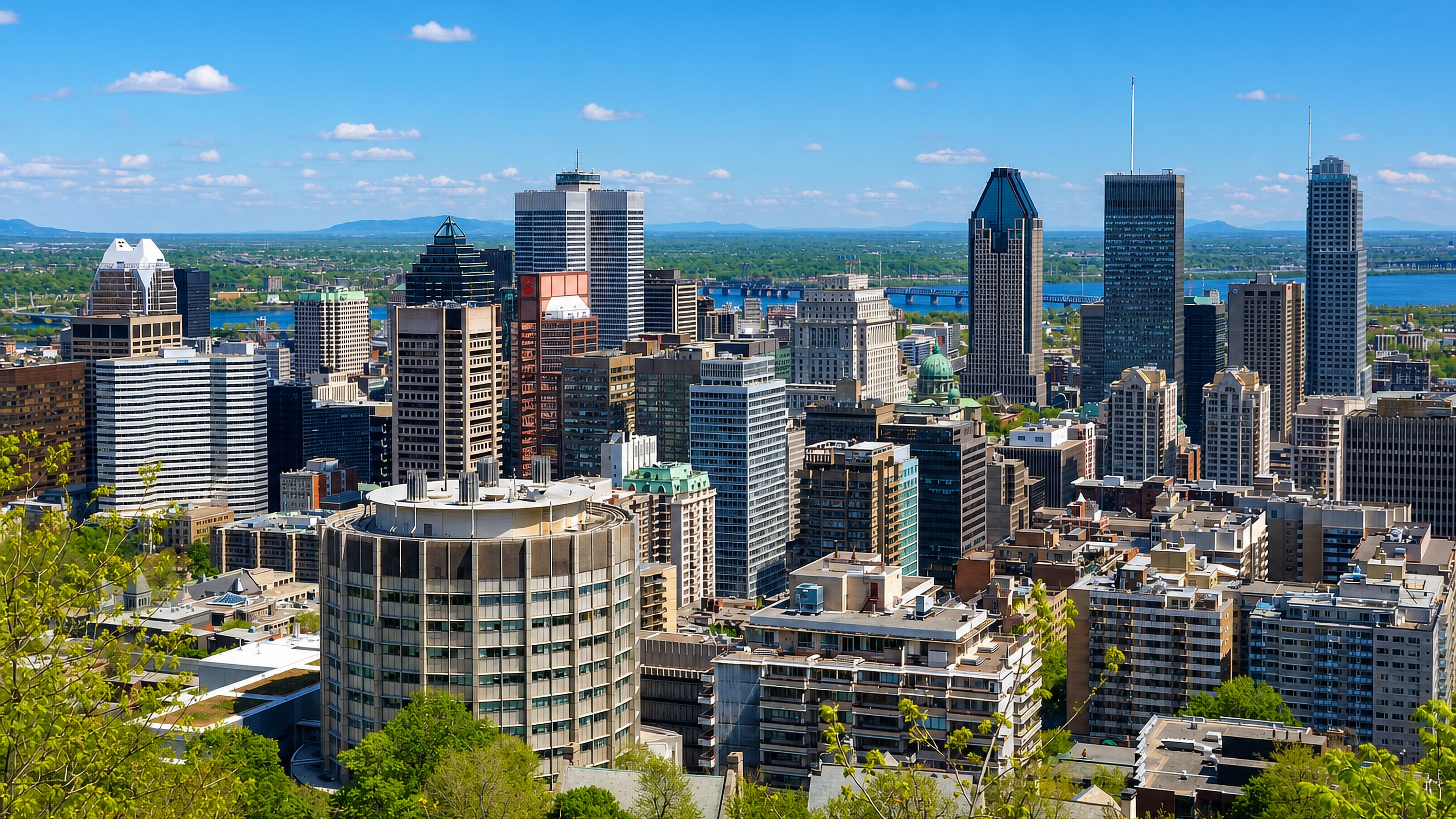
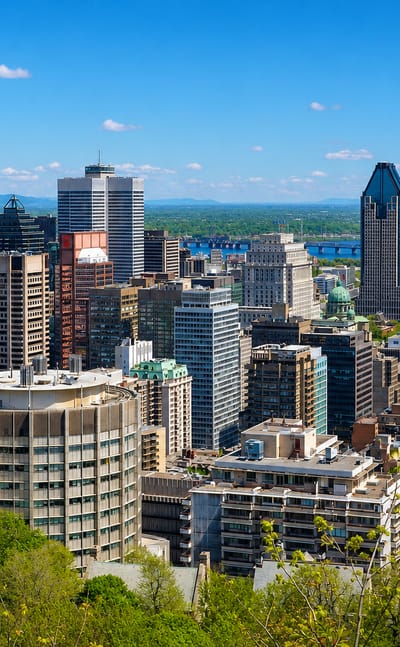
Montréal rises on its island around Mount Royal, the largest city in Québec and Canada's second-largest, the biggest francophone city in the Americas.Where to stay →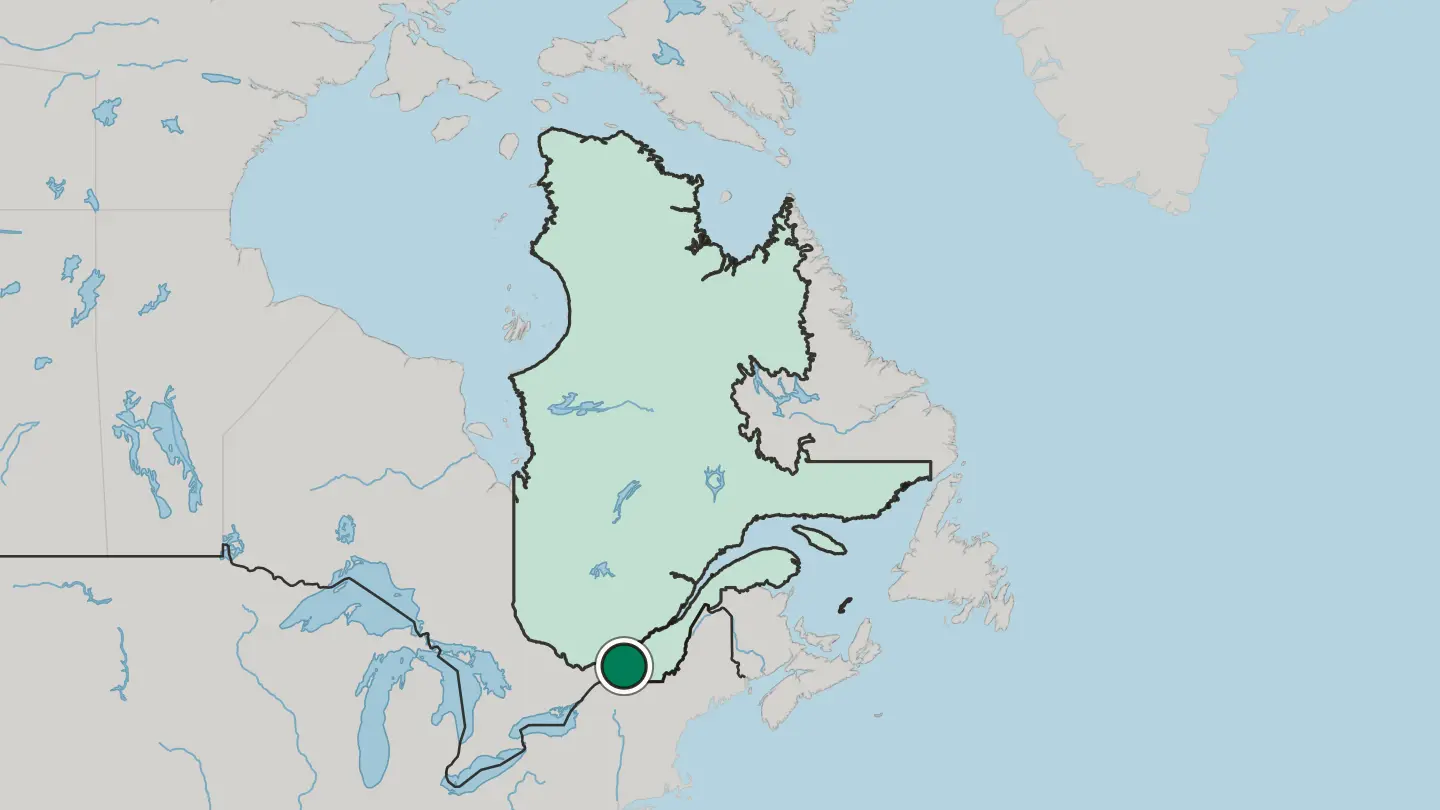
 Canada
Québec
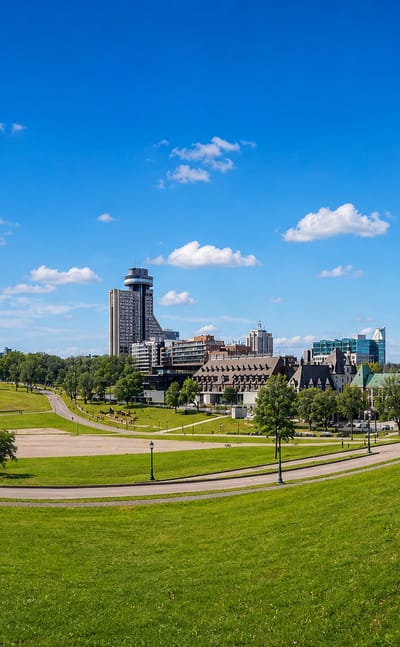
The Citadelle of Quebec crowns Québec, capital of the province of Québec in Canada, a walled old town founded in 1608 above the water.Where to stay →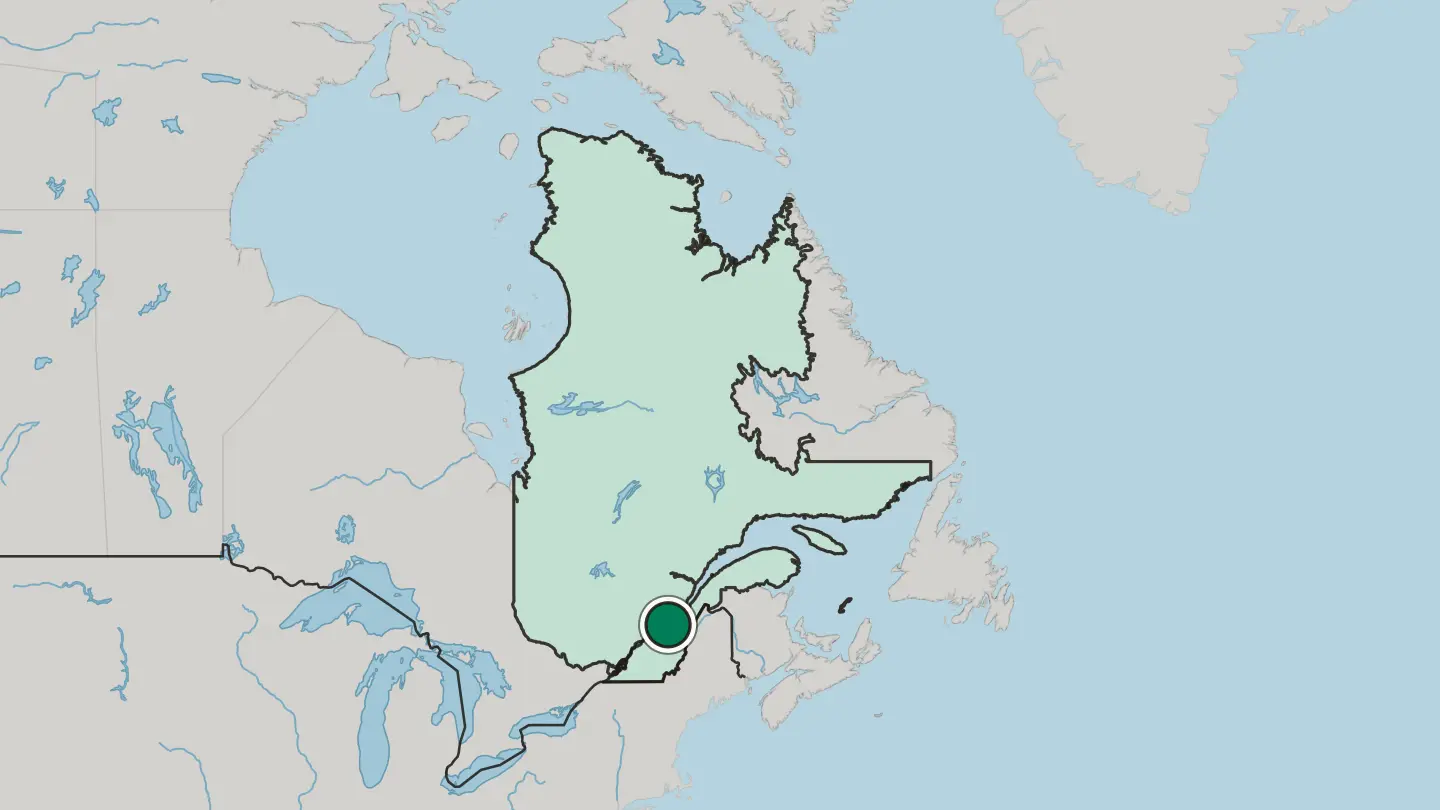 Canada
Laval
Laval covers Île Jésus north of Montreal, a Québec city assembled from fourteen former municipalities, facing the Rivière des Prairies.Where to stay →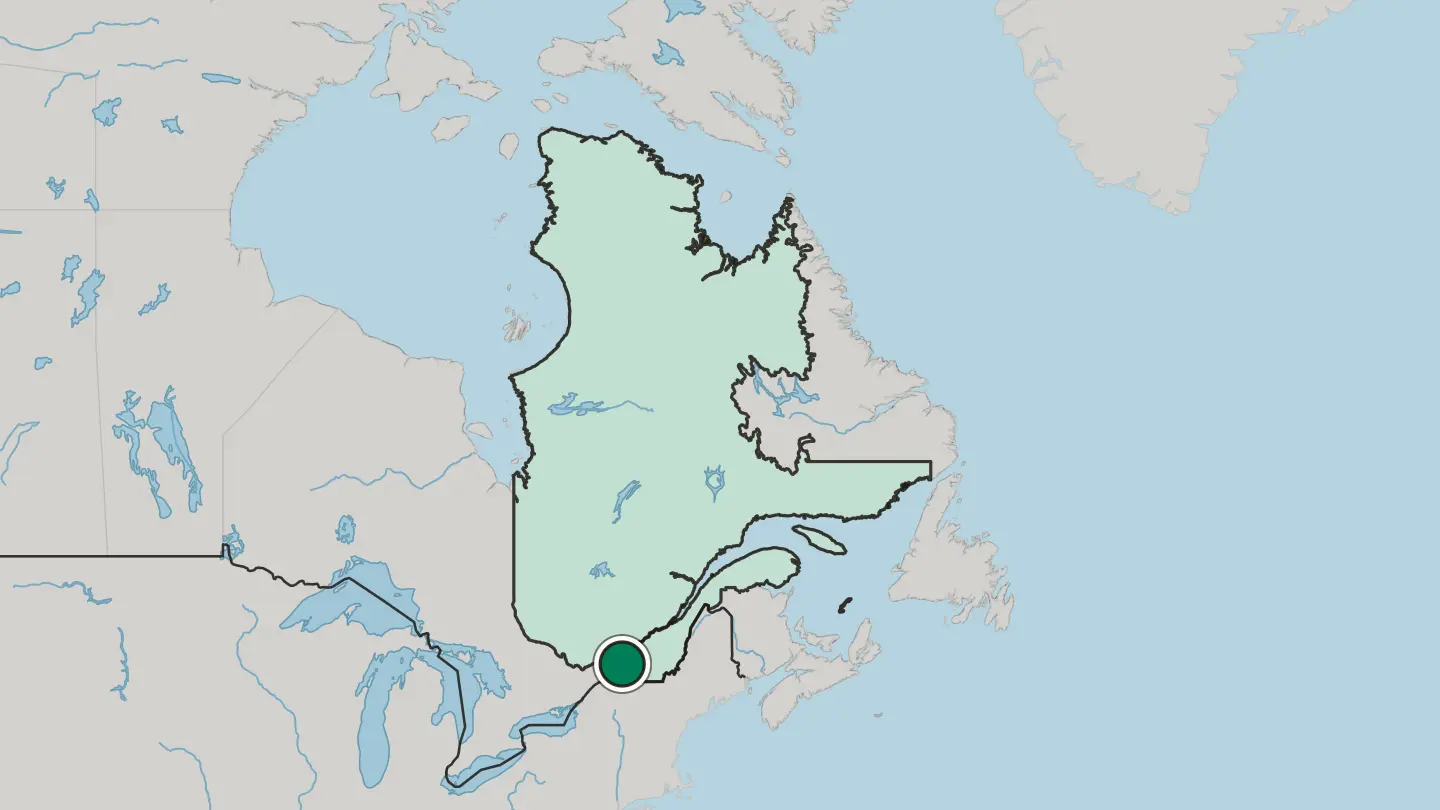
 Canada
Gatineau
Gatineau stands on the north bank of the Ottawa River facing Ottawa, the largest city of the Outaouais and part of Canada's National Capital Region.Where to stay →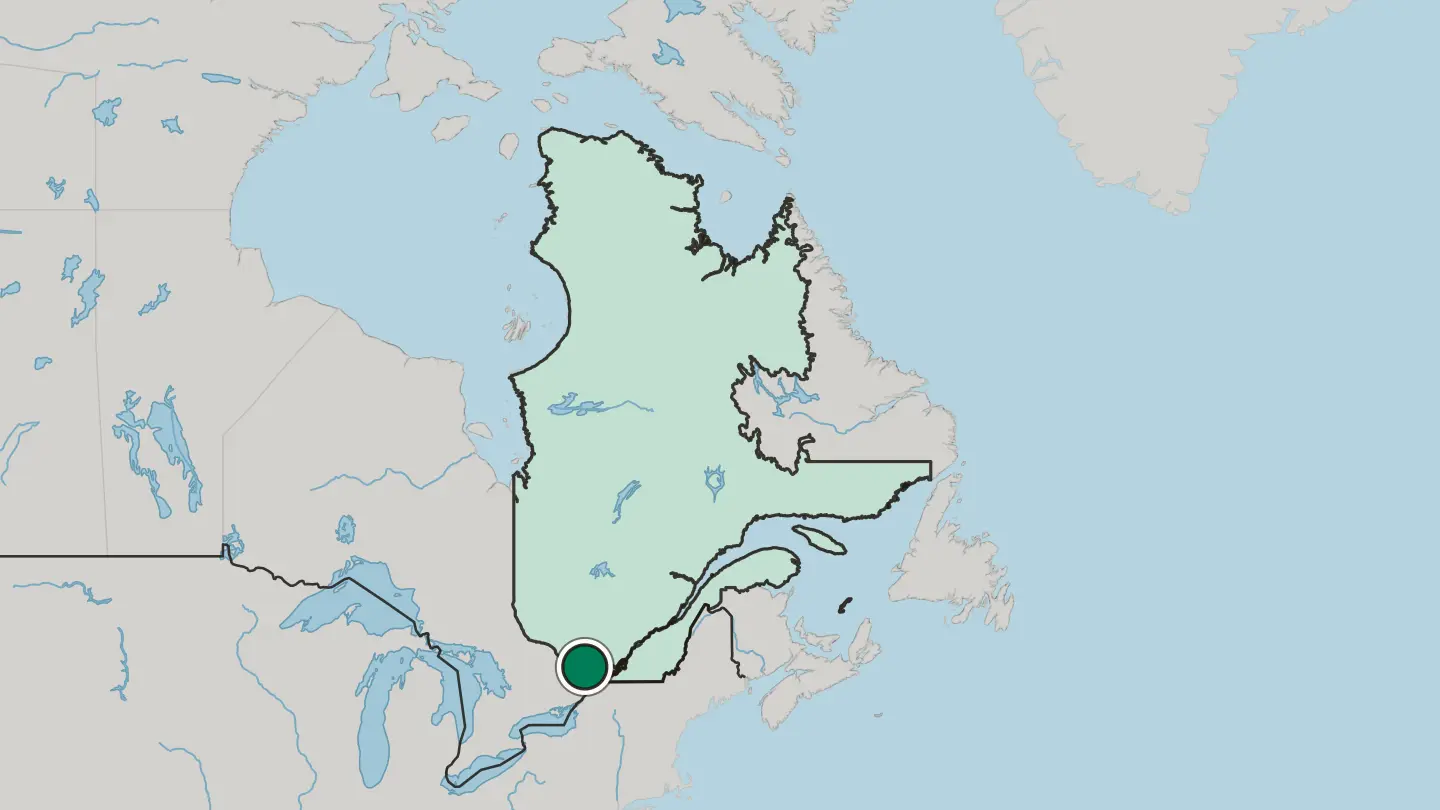
 Canada
Longueuil
Longueuil dates from 1657, a city on the south shore of the Saint Lawrence River across from Montreal and the seat of Montérégie.Where to stay →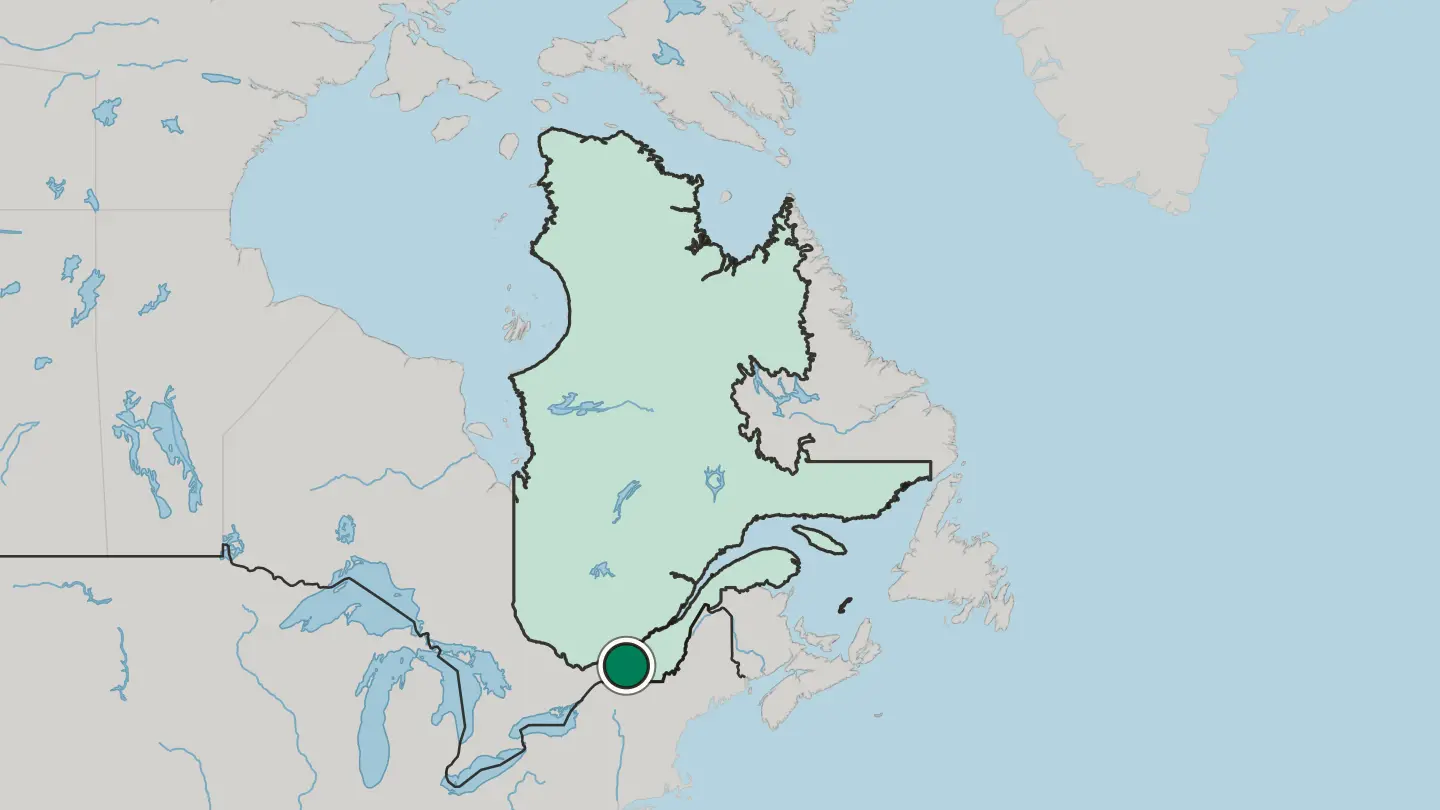
 Canada
Saguenay
Saguenay is a city of northern Quebec in Canada, spread along a great fjord where dark cliffs plunge to the Saguenay River far from the south.Where to stay →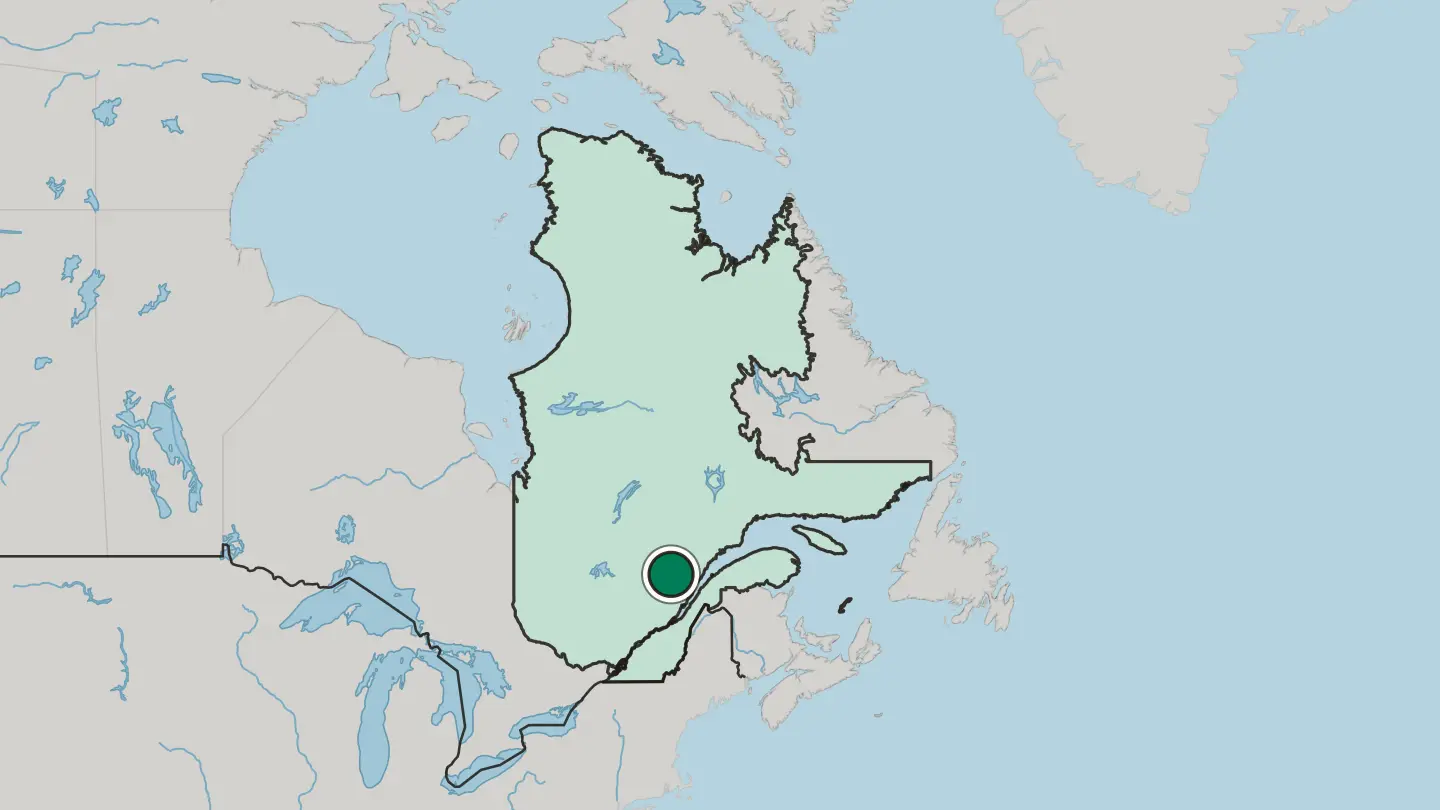
 Canada
Trois-Rivières
Trois-Rivières is one of the oldest cities of Canada, a river port on the Saint Lawrence in Quebec.Where to stay →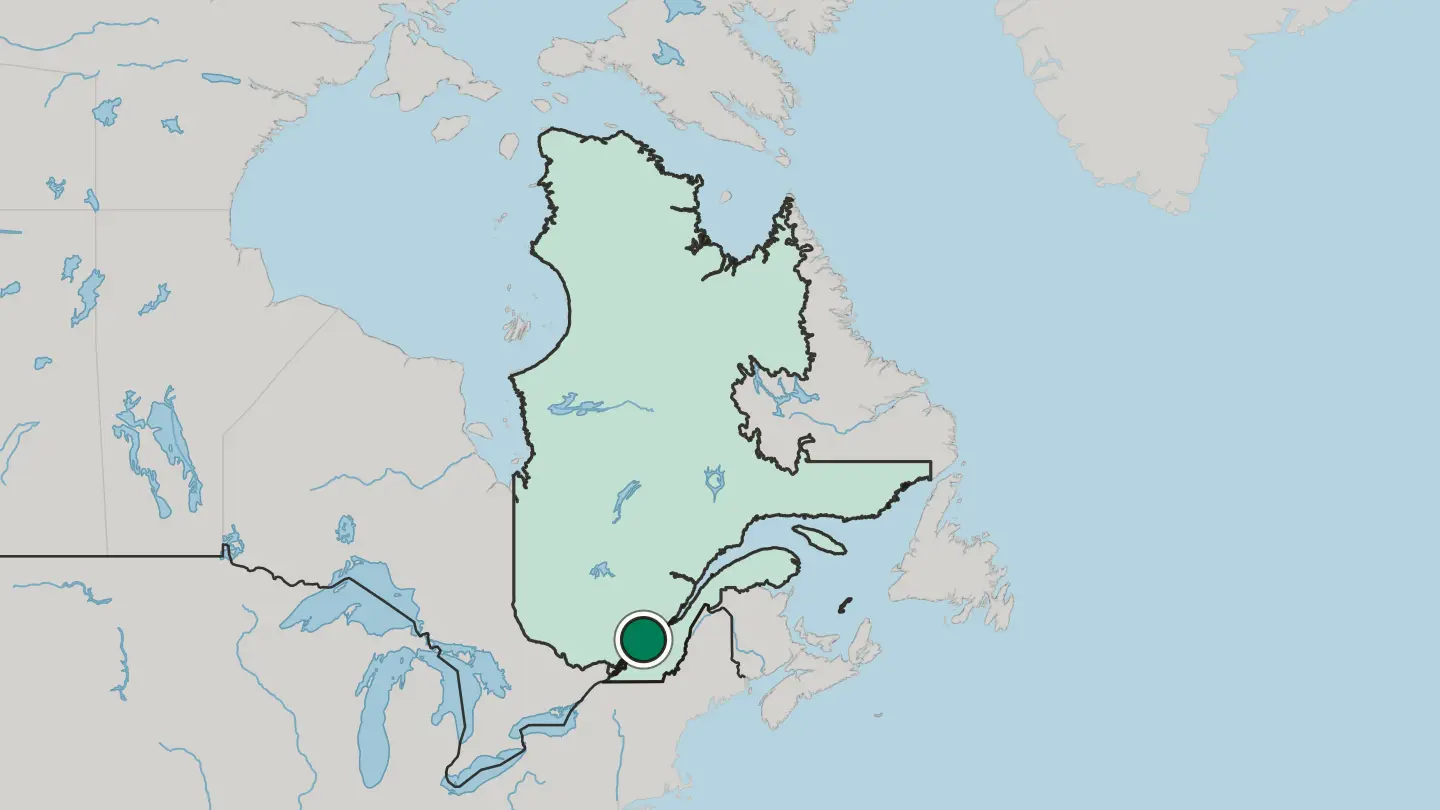
 Canada
Lévis
Lévis is a Chaudière-Appalaches city in eastern Québec, on the south shore opposite Quebec City, founded in 1861 and officially Lévis-Lauzon.Where to stay →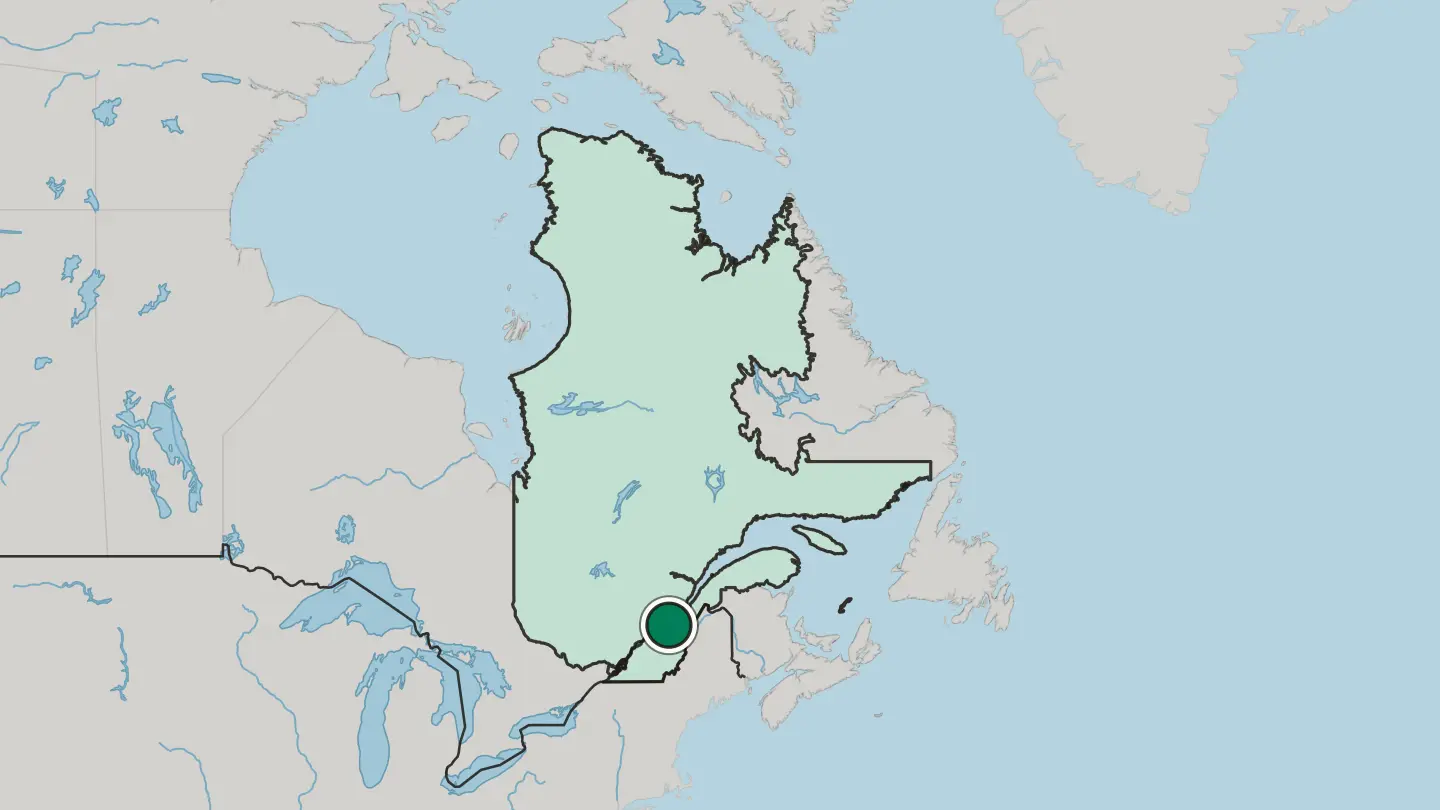
All towns & cities (15)
Canada
Sherbrooke
Sherbrooke stands at the confluence of the Saint-François and Magog rivers, the working centre of Québec's Estrie region and the Eastern Townships.Where to stay →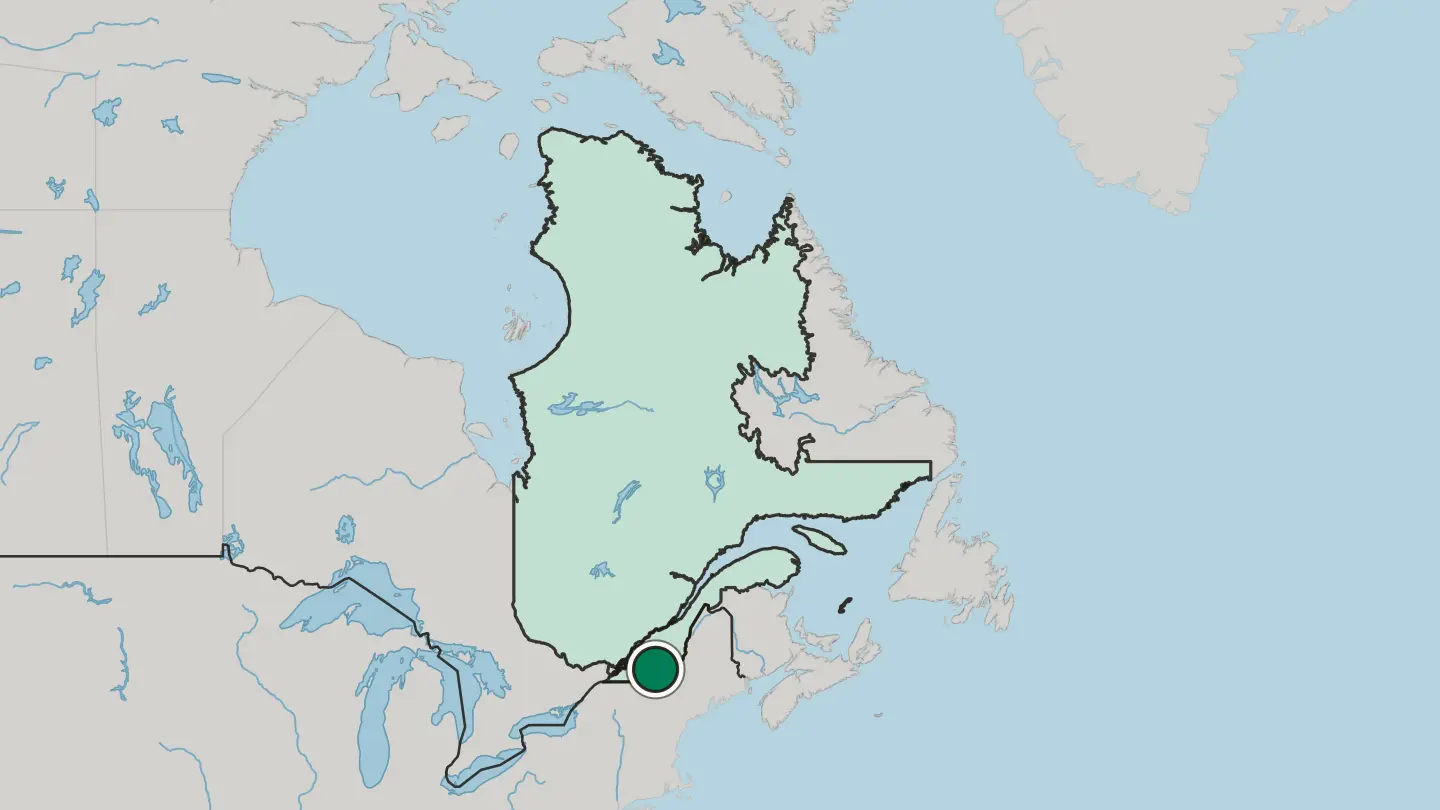
 Canada
Terrebonne
Terrebonne is an off-island suburb of Montreal in Québec's Lanaudière region, spread along the Rivière des Mille-Îles and founded in 1673.Where to stay →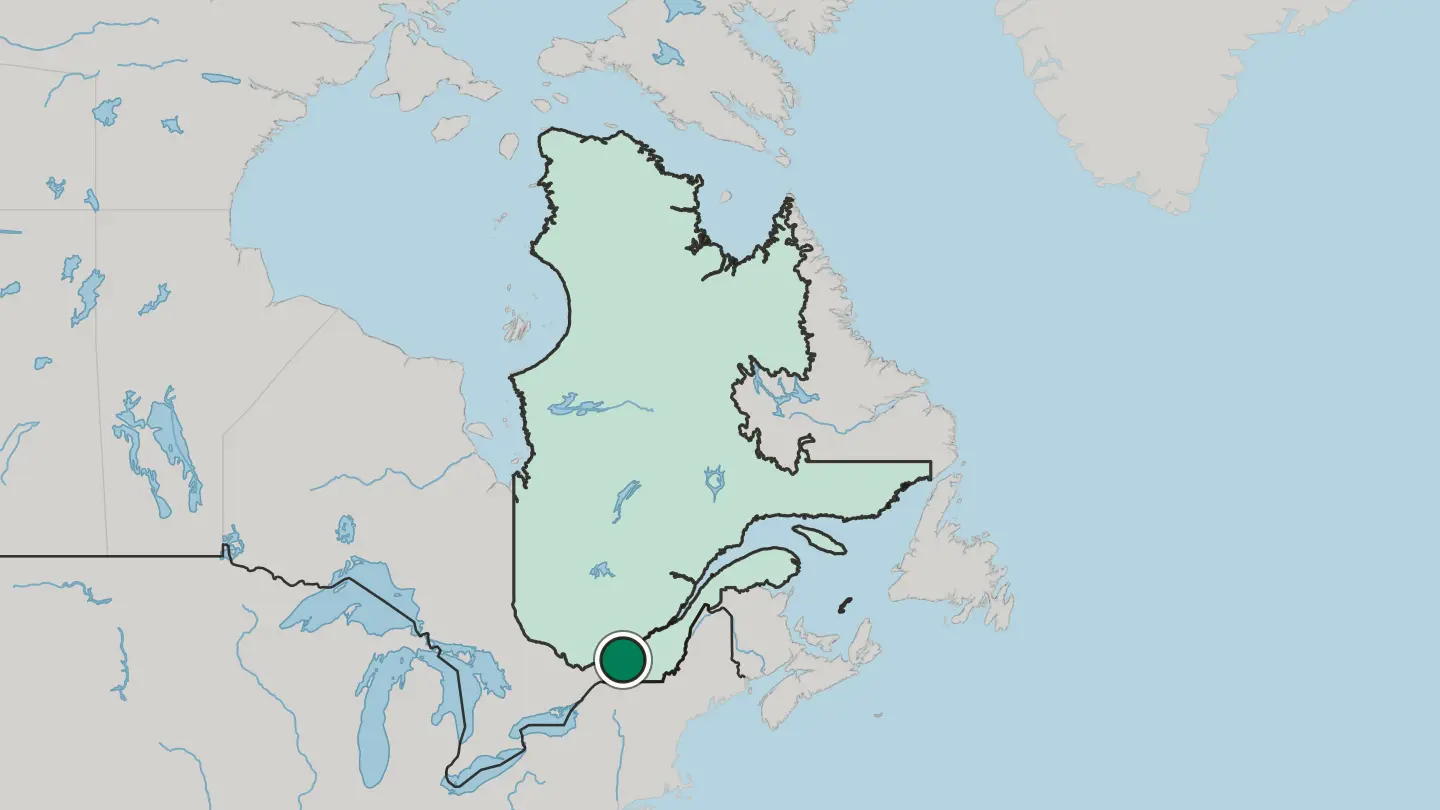
 Canada
Saint-Jean-sur-Richelieu
Saint-Jean-sur-Richelieu straddles the Richelieu River in Montérégie, southeast of Montreal, at the navigable head of Lake Champlain.Where to stay →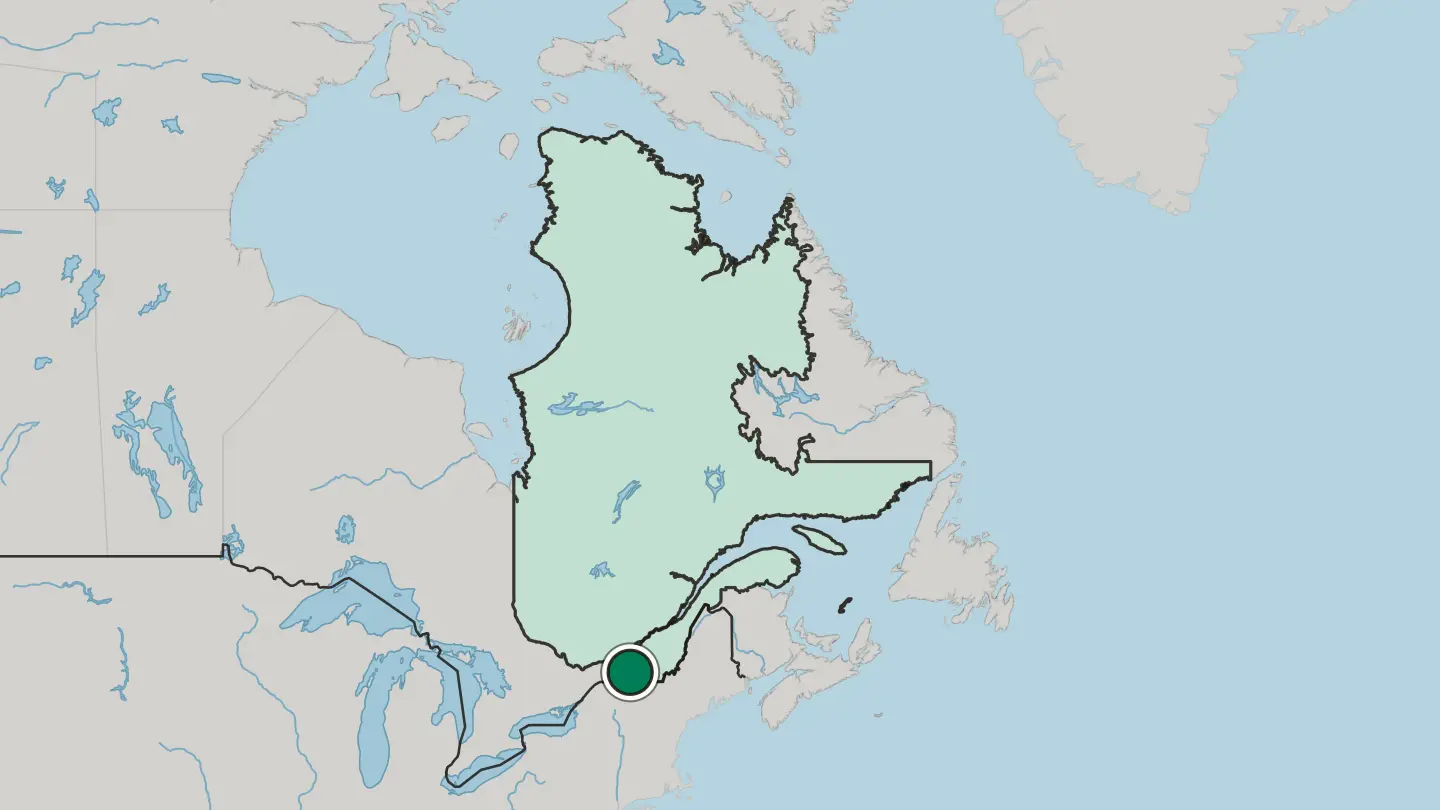
 Canada
Brossard
Brossard is a Montérégie city in Québec, commercial hub of the south shore facing Montreal, founded in 1951 as La Nativité de Laprairie.Where to stay →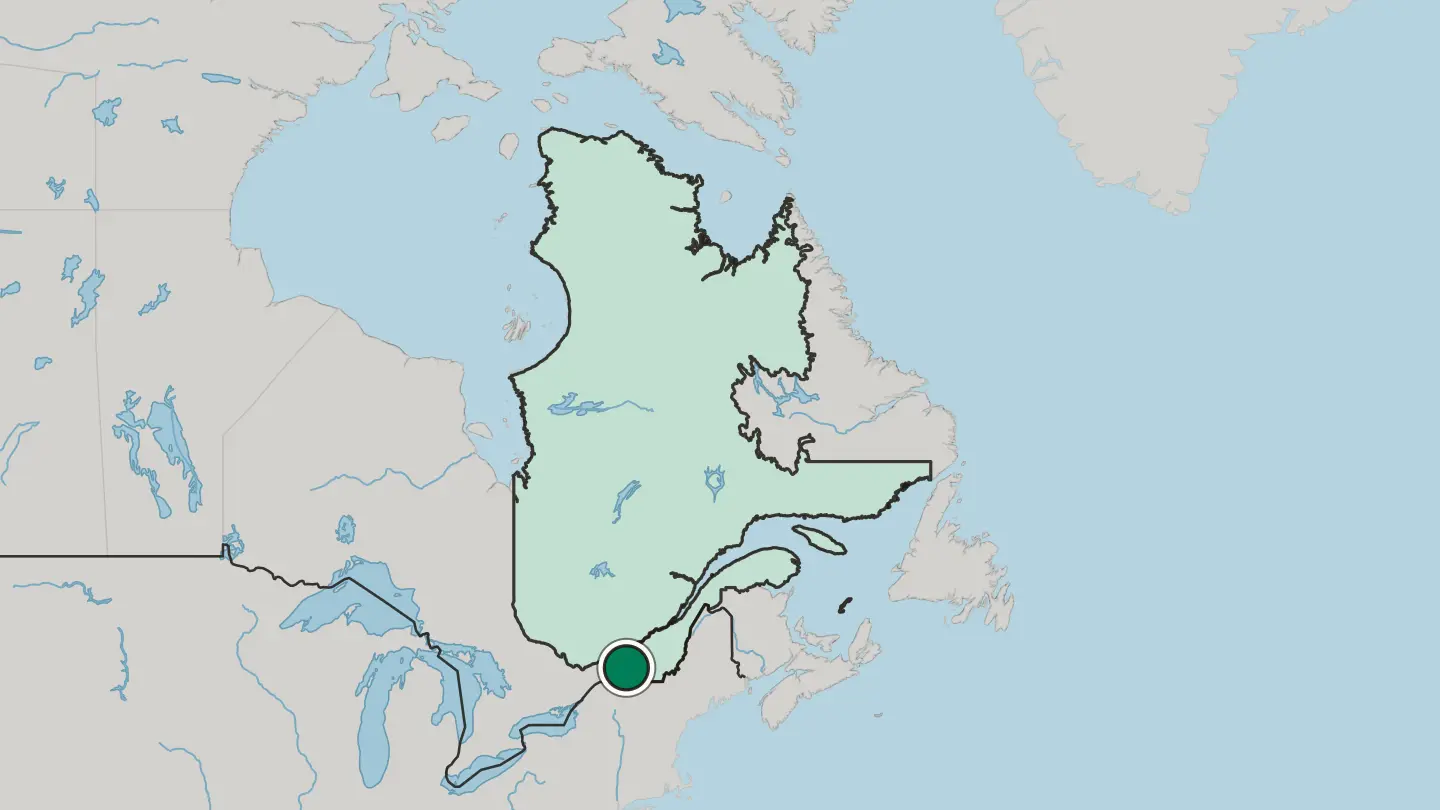
 Canada
Granby
Granby is the administrative centre of La Haute-Yamaska in the Eastern Townships of Québec, founded in 1859 and site of the Granby Zoo.Where to stay →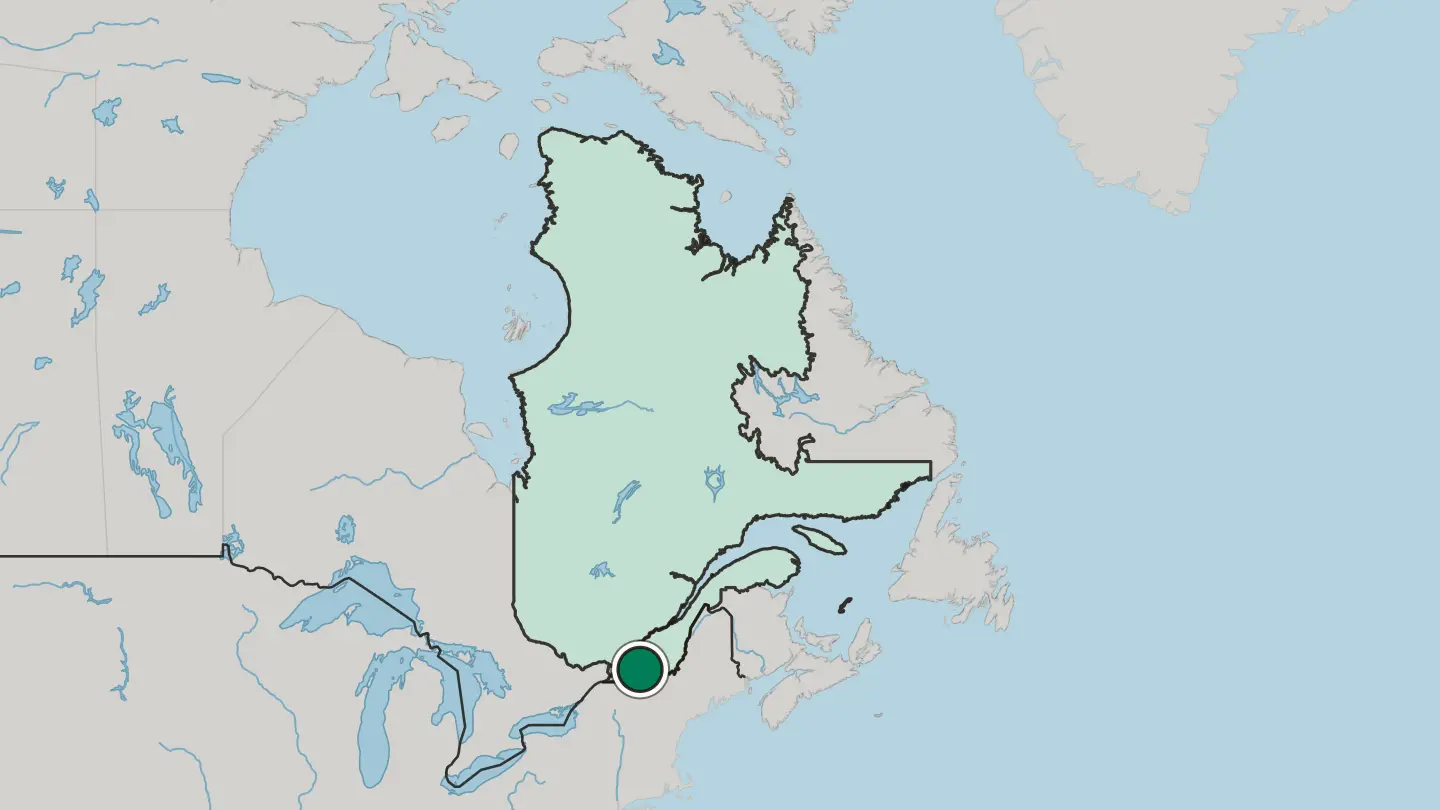
 Canada
Drummondville
The Saint-François River runs through Drummondville, a city of the Centre-du-Québec region east of Montreal, settled in 1815.Where to stay →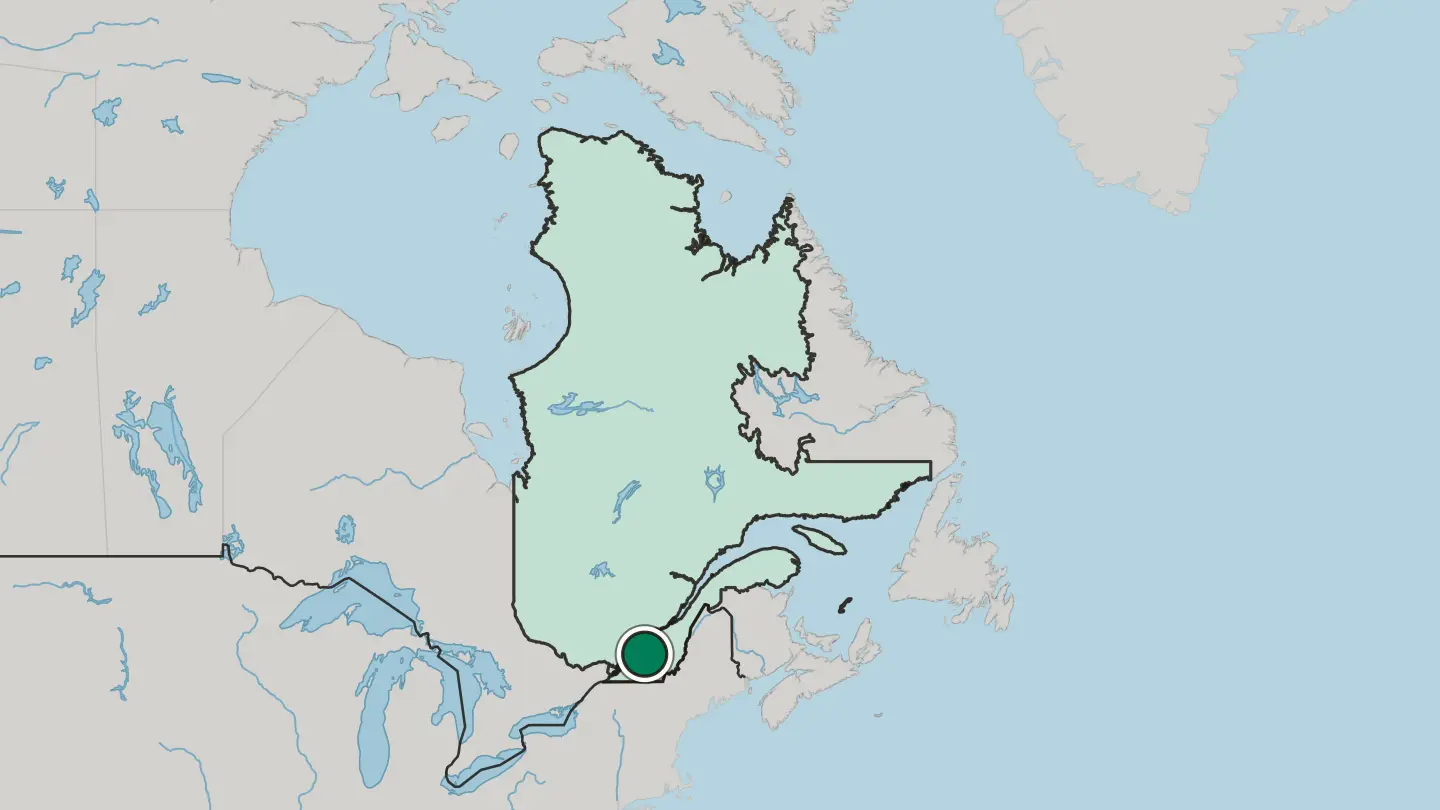
 Canada
Saint-Jérôme
Saint-Jérôme is a Laurentides city on the Rivière du Nord, northwest of Montreal, founded in 1834 and the road entry to the Laurentian Mountains.Where to stay →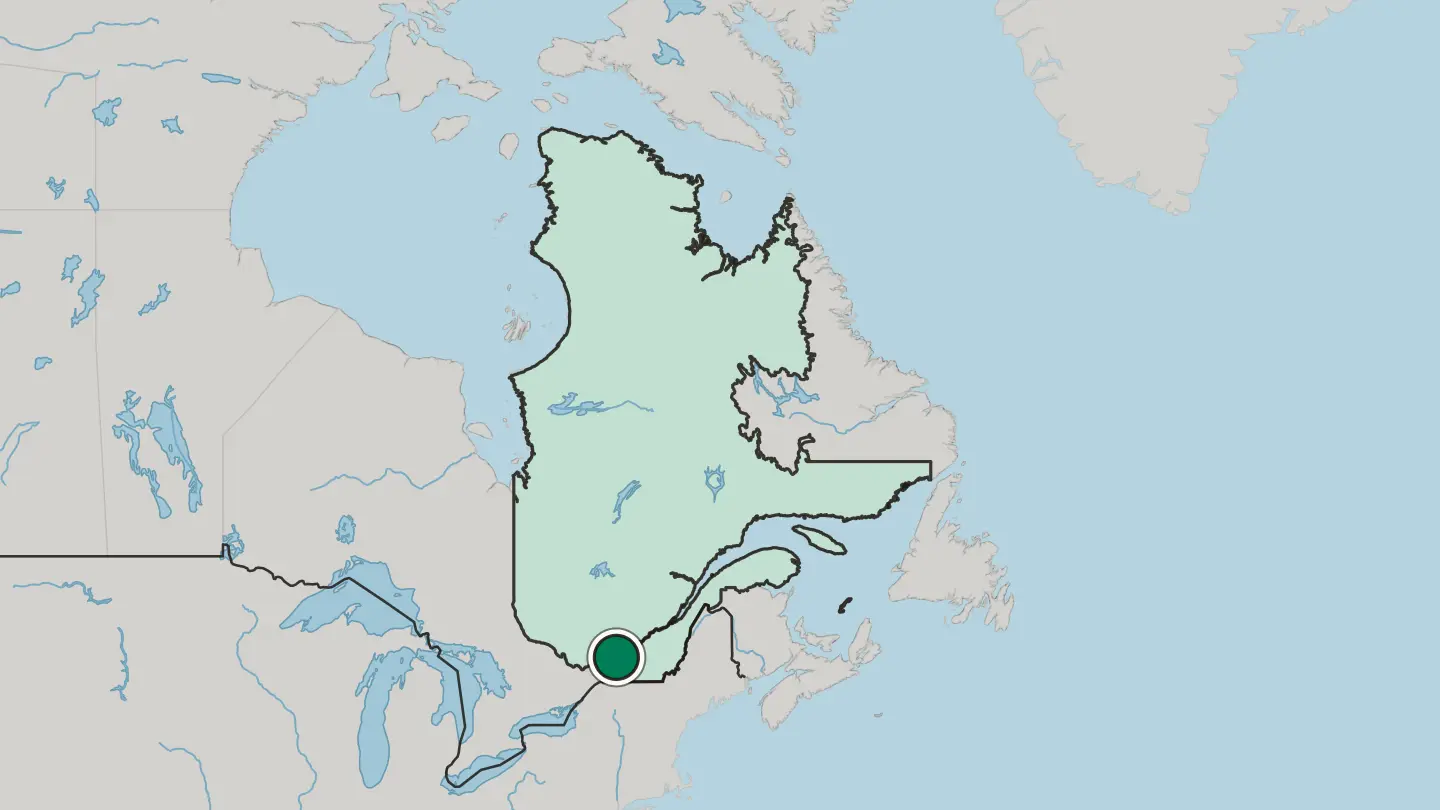
Hotel links are affiliate links: booking through them may earn us a commission, at no extra cost to you. It never affects how places are ranked. How this works
About Québec
Québec is known above all for its language.
What is Québec known for?
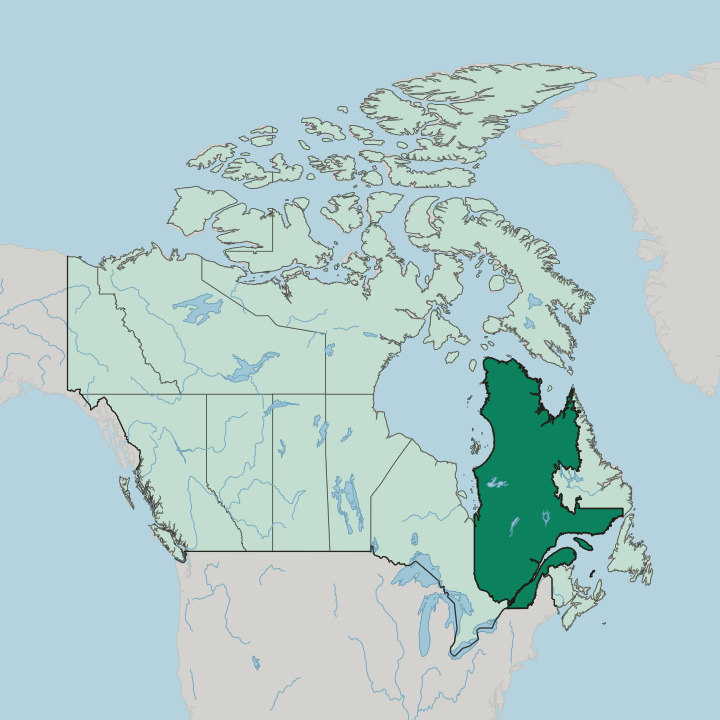
It is the only Francophone-majority province in Canada, carrying the Québécois French language, which sets its culture apart from the mainly English-speaking provinces around it. Scale matters too. The largest province by area, it stretches from the United States border in the south across Central Canada, sharing its western edge with Ontario and its northeast with Newfoundland and Labrador.
Where is Québec?
Québec is the largest province in Canada by area, a vast block of Central Canada that runs from the United States border in the south to the far north. It is enormous. The province shares its western edge with Ontario, its northeast with Newfoundland and Labrador, and its southeast with New Brunswick, while a long coastal boundary faces the territory of Nunavut.
Borders shape it on every side. Most of that territory lies north of the settled belt, thinly peopled and immense, so that the Québec most travellers see is the southern strip near the United States, where Montréal and the main towns lie. The scale runs far past the map a visitor uses.
What is Québec like?
Québec's culture is defined by its language. It is the only Francophone-majority province in Canada, and Québécois French shapes its public life, its institutions and its sense of itself apart from the rest of the country. Language is the dividing line.
Where the provinces around it, from Ontario to New Brunswick, run mainly in English, Québec conducts its schooling, its government and its daily business in French. That difference gives the province a character of its own. Rooted in Central Canada yet turned toward a French tradition, Québec keeps a culture that its neighbours do not share, expressed above all in the Québécois French language and the society built around it.
It stands apart. The francophone identity, more than any single landmark, is what defines the province to the wider country.
What is the history of Québec?
Québec was established as a province of Canada in 1867. That year fixed its modern borders. It joined the country as one of its original provinces, but unlike the others it carried a French-speaking majority and the Québécois French language into the union.
The distinction has lasted. From that founding, Québec has held its place as the largest province by area and the only French-majority province within Canada.
What is the climate of Québec?
Québec has a temperate climate marked by long, hard winters. Its inland position in Central Canada, far from any moderating ocean, brings deep cold and heavy snow through the winter months and warm summers in the settled south near the United States. The swing is wide.
Farther north the cold turns longer and deeper still, so that the province spans a broad range of conditions from its southern towns to its far reaches.
How do you get to Québec?
Most visitors reach Québec through Montréal, the province's largest city, in the settled south. Flights converge there. From Montréal, road and rail run through the southern belt near the United States border and on toward the rest of Central Canada, while the vast north is reached only by longer routes.
One city carries the arrivals.
Common questions
What is the best area to stay in Québec?
Montréal: a French-speaking city base in Québec.
More regions in Canada
Updated September 2026