
Canada · Québec
Where to Stay in Terrebonne, Québec
Terrebonne is an off-island suburb of Montreal in Québec's Lanaudière region, spread along the Rivière des Mille-Îles and founded in 1673.
Hotel links are affiliate links: booking through them may earn us a commission, at no extra cost to you. It never affects how places are ranked. How this works


Where to stay in Terrebonne
Where the beds are, and what that means for the visit.
Terrebonne divides between its heritage streets and the roads out toward Laval. Saint-André Street carries the densest line of listed houses, with Maison Bouc-Chapleau, Maison Hercule-Masson, Maison Oldham-Lacroix and Maison Mathieu-Moody fils standing within a few blocks of one another, so a room in that quarter puts the old city on foot. The church anchors it. Église Saint-Louis-de-France holds the civic corner of Terrebonne, and Château Millette with the Maison Alexandre et Joseph Roussil sit close enough that one walking day covers most of what survives from the milling years.
Water is the other axis. The Rivière des Mille-Îles separates Terrebonne from Laval, and beds along that bank suit anyone here for paddling, boating and the river navigation the city grew on. Space matters to some.
Outer sectors toward the Montreal crossings trade the heritage quarter for parking and easy road access, which is what an off-island base for both Lanaudière and the Montreal area is usually chosen for in the first place. Gastronomy concentrates in the old streets rather than on the periphery. Pick the quarter that matches the trip.
Find hotels in Terrebonne
Direct booking searches for these neighbourhoods.
Saint-André Street
The heritage spine of Terrebonne, where Maison Oldham-Lacroix and Maison Mathieu-Moody fils stand a few doors apartFind hotels in Saint-André StreetGuests who want the parish church, Château Millette and the Roussil houses within minutes on footAround Église Saint-Louis-de-France
Terrebonne's worship-and-civic corner, holding Église Saint-Louis-de-France and the former Saint Michael Anglican ChurchFind hotels in Around Église Saint-Louis-de-FrancePaddling, boating and the water side of Terrebonne rather than its heritage housesThe Rivière des Mille-Îles bank
The riverfront facing Laval, on the navigation channel that carried Terrebonne's mill and timber trade. Beds are limited here, so book early.Find hotels in The Rivière des Mille-Îles bankDrivers using Terrebonne as an off-island base for Lanaudière and the Montreal areaThe Montreal-crossing sectors
The outer, road-facing part of Terrebonne nearest the crossings over the Rivière des Mille-Îles toward LavalFind hotels in The Montreal-crossing sectorsHotel links are affiliate links: booking through them may earn us a commission, at no extra cost to you. It never affects how places are ranked. How this works
Things to do in Terrebonne
Ranked by global recognition; descriptions from Wikidata (CC0).
Churches & Religious Sites
2- Église Saint-Louis-de-France Heritage
- forrmer St. Michael Anglican Church Heritage
Landmarks & Notable Places
8- Maison Hercule-Masson Heritage
- Maison Bouc-Chapleau Heritage
- Maison Joseph-Augé Heritage
- Maison Oldham-Lacroix Heritage
- Maison Alexandre et Joseph Roussil Heritage
Show 3 more →
- Roussil House Heritage
- Château Millette Heritage
- Maison Mathieu-Moody fils Heritage
worth knowingacross 2 categories in Terrebonne
About Terrebonne
Mills, worship and river navigation shaped Terrebonne.
What is Terrebonne known for?
The old core keeps a dense run of heritage houses, Maison Bouc-Chapleau and Maison Hercule-Masson and Maison Oldham-Lacroix among them, beside the Église Saint-Louis-de-France, while the Rivière des Mille-Îles still carries the nautical side of the city. Food is a draw. Gastronomy, arts and outdoor sport fill the calendar of a Lanaudière city that grew on farmland, forestry and milling ground north of Laval.
What are the main landmarks in Terrebonne?
Stone and brick do the talking. Église Saint-Louis-de-France is the signature building, and the listed houses around it run as a set: Maison Alexandre et Joseph Roussil, Roussil House, Maison Joseph-Augé, Maison Bouc-Chapleau, Maison Hercule-Masson, Maison Mathieu-Moody fils and Maison Oldham-Lacroix. Château Millette adds a grander note. The former Saint Michael Anglican Church and the frontage at 250 Saint-André Street complete a compact inventory of what Terrebonne kept from its mill-and-market centuries.
What is the history of Terrebonne?
Terrebonne dates from 1673. The city grew where the Rivière des Mille-Îles could be worked, and its record returns to four trades across the first centuries: river navigation and milling, then farming and forestry on the ground behind. Mills came with the water.
Goods moved by river long before Terrebonne became an off-island suburb of Montreal, and several houses that survive from those working years, among them Maison Alexandre et Joseph Roussil, Roussil House and Maison Joseph-Augé, carry the family names of that economy. Worship left the other layer. Église Saint-Louis-de-France and the former Saint Michael Anglican Church stand for two congregations in one Lanaudière city, while Château Millette, Maison Bouc-Chapleau, Maison Hercule-Masson, Maison Mathieu-Moody fils and Maison Oldham-Lacroix mark the merchant and professional households of the old core. The listing is unusually dense.
Terrebonne kept a whole street of protected addresses rather than one showpiece, which is why the frontage at 250 Saint-André Street is registered beside the grander houses. Arts and culture came later, on the same ground, and the milling and forestry trades that paid for those walls have long since given way to the commuting suburbs of the North Shore north of Laval.
Where is Terrebonne?
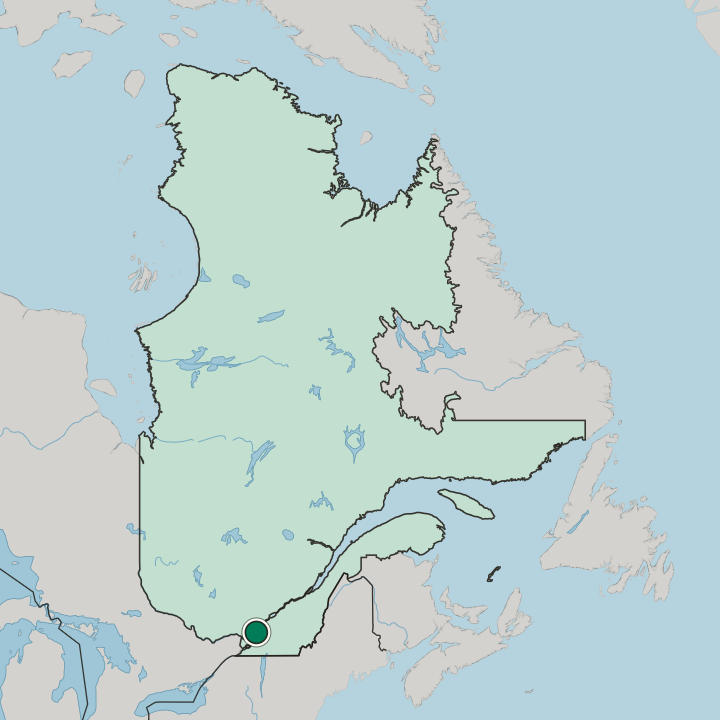
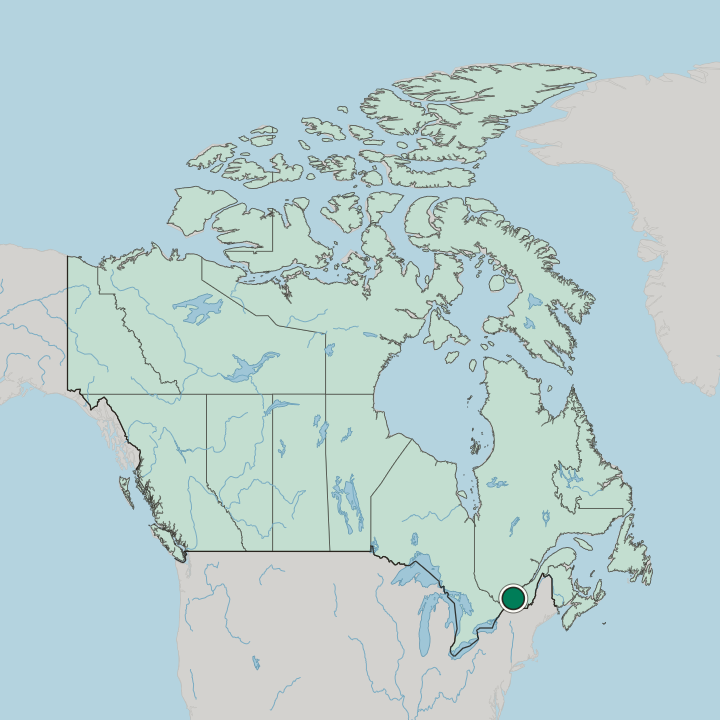
The river sets the edge. Terrebonne lies north of Laval across the Rivière des Mille-Îles, off the island of Montreal, and its roughly 154 square kilometres make for a broad municipal footprint by Lanaudière standards. Farmland persists inside it.
Agriculture, forestry and milling ground shaped the land use long before the North Shore filled with suburbs, and the split between the old riverside core and the outer sectors still follows that older pattern.
What is the climate of Terrebonne?
The Rivière des Mille-Îles carries the season. Terrebonne sits in the northern temperate band, so the warm months fall in the middle of the calendar year, and the nautical and outdoor programme the city is known for concentrates in that half. Winter narrows the options.
Arts, gastronomy and indoor culture take the cold months, which is when the heritage quarter around Église Saint-Louis-de-France does more of the work than the riverbank at Laval.
How do you get to Terrebonne?
Most arrivals come through Montreal. Terrebonne sits off that island, north of Laval, so the approach crosses the Rivière des Mille-Îles from the Laval side and carries on into the Lanaudière region beyond it. The river was the first road.
River navigation brought goods and people to Terrebonne long before the bridges, and the heritage streets around Église Saint-Louis-de-France still face the water that did the work.
Common questions
What is the best area to stay in Terrebonne?
Saint-André Street: Walking between Maison Bouc-Chapleau, Maison Hercule-Masson and the listed frontage at 250 Saint-André Street. Around Église Saint-Louis-de-France: Guests who want the parish church, Château Millette and the Roussil houses within minutes on foot. The Rivière des Mille-Îles bank: Paddling, boating and the water side of Terrebonne rather than its heritage houses. The Montreal-crossing sectors: Drivers using Terrebonne as an off-island base for Lanaudière and the Montreal area.
Good for
More cities in Québec
Updated September 2026