Canada · Québec
Where to Stay in Montréal, Québec
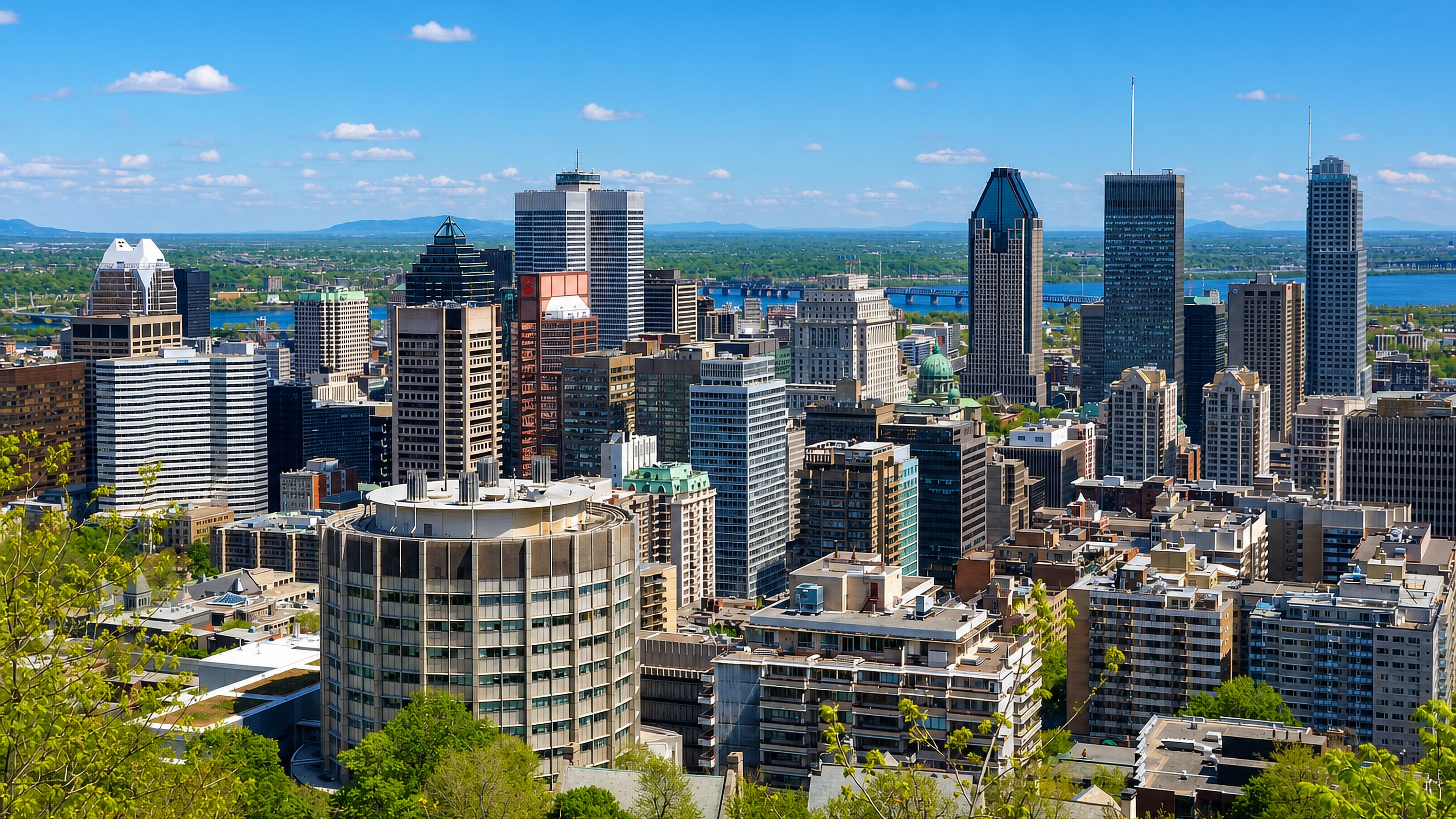
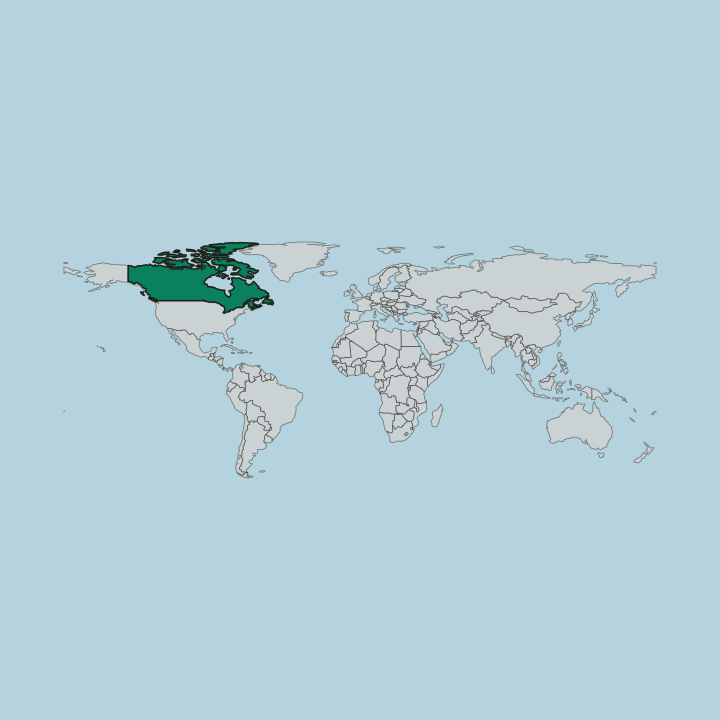
Montréal rises on its island around Mount Royal, the largest city in Québec and Canada's second-largest, the biggest francophone city in the Americas.
Hotel links are affiliate links: booking through them may earn us a commission, at no extra cost to you. It never affects how places are ranked. How this works


Where to stay in Montréal
Each area has its own feel; here's who each one suits.
 MontréalCanada
Vieux-Montréal
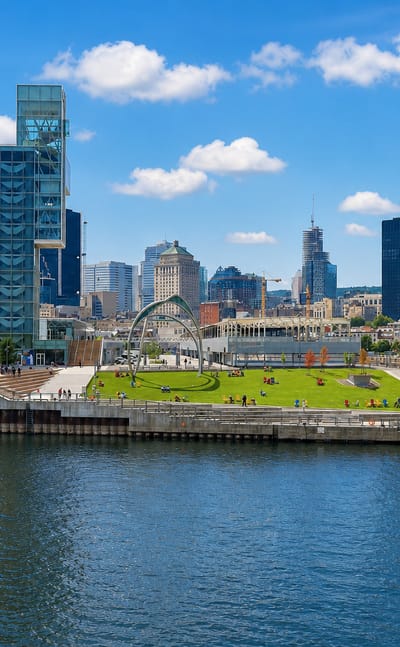
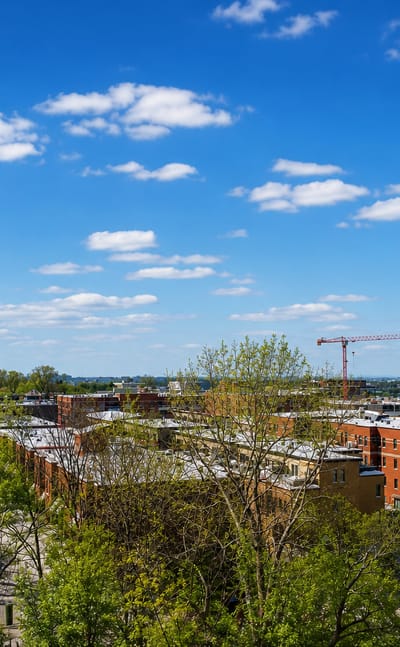
The historic core of Montréal by the water, Vieux-Montréal sits among the old streets of the colonial town, around Pointe-à-Callière Museum and château Ramezay.Vieux-Montréal →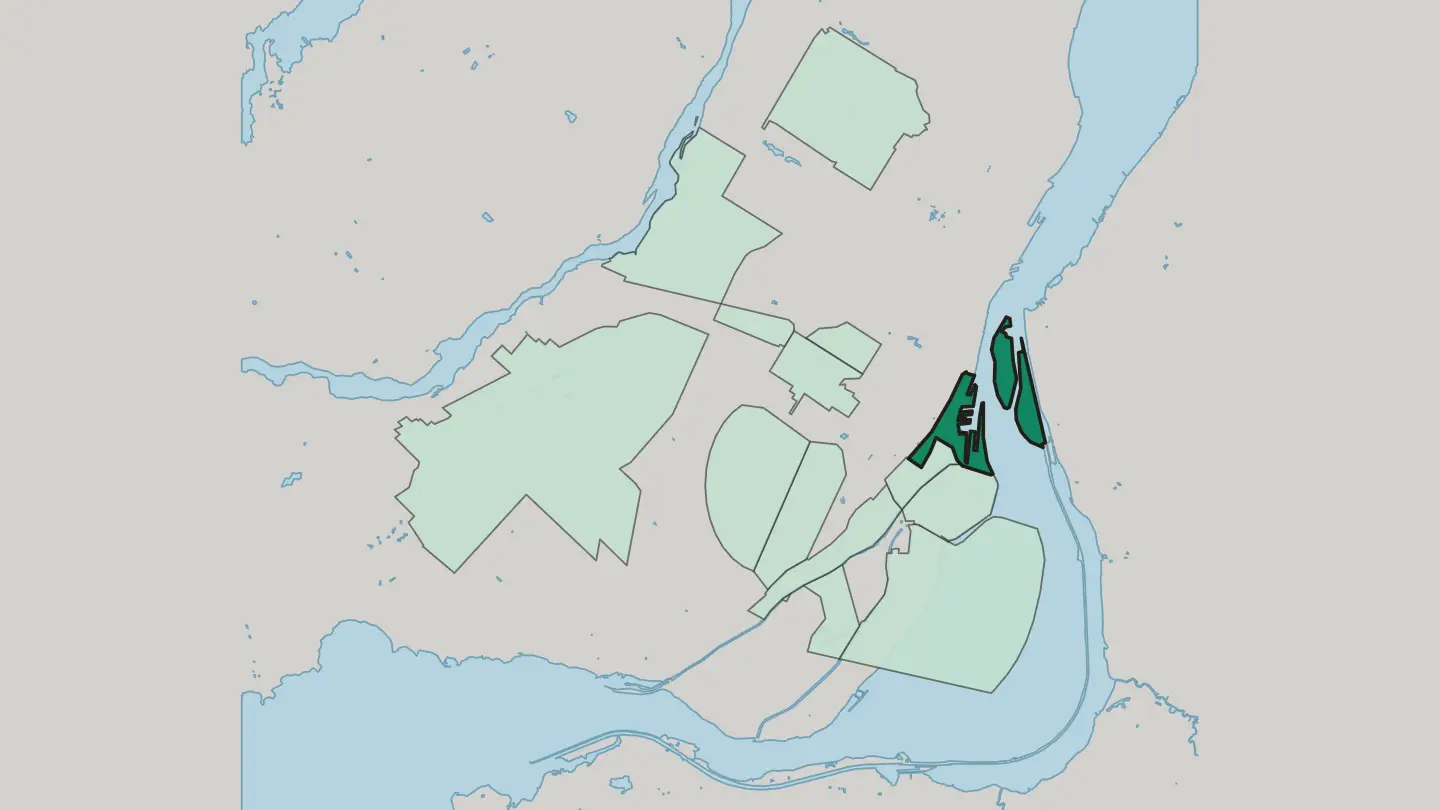
 MontréalCanada
Outremont
A leafy residential district against the slopes of Mount Royal, Outremont offers a calmer stay north of the centre, a short way from the museums and the mountain's park.Outremont →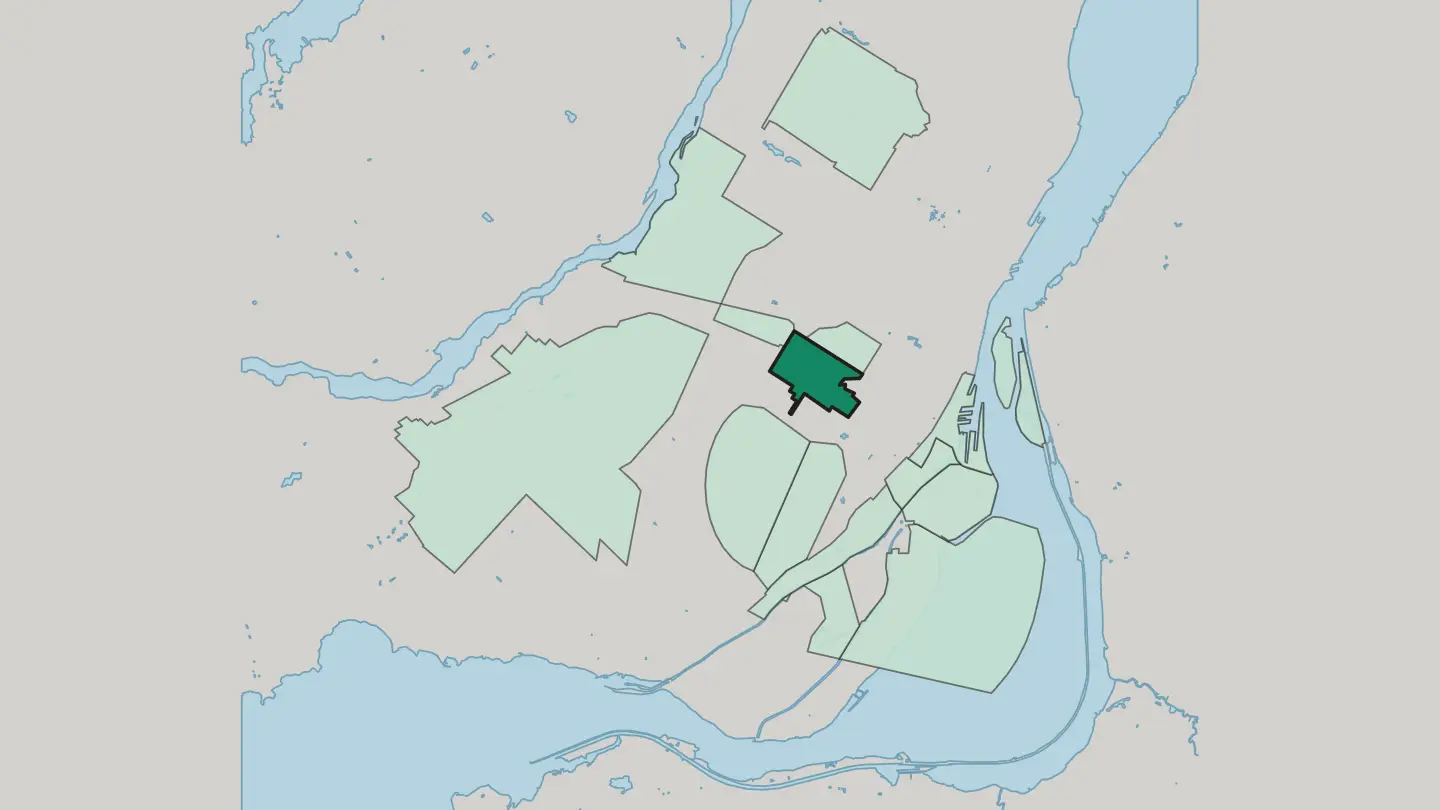
 MontréalCanada
Petite-Bourgogne
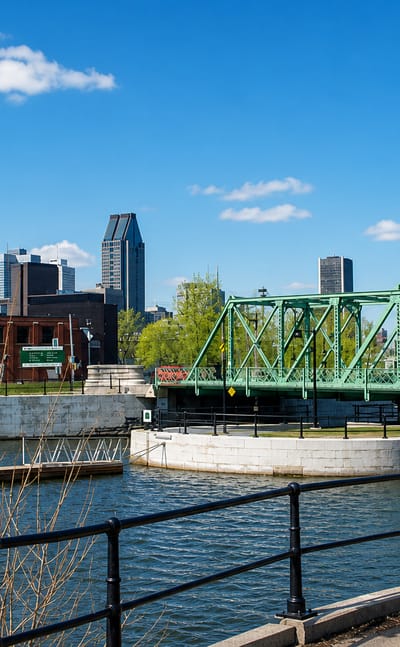
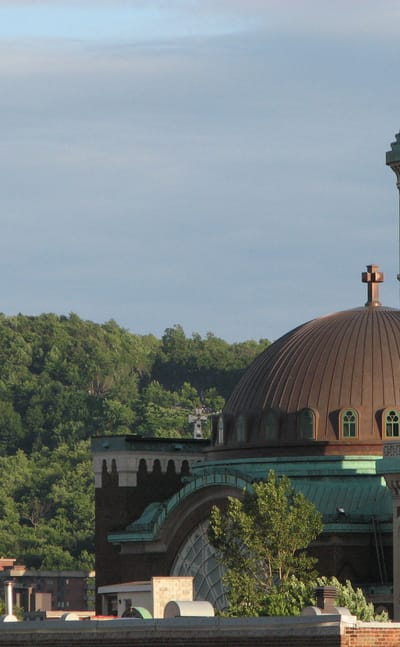
Petite-Bourgogne is a district of Montréal in the South West borough, set around the Église Saint-Joseph de Montréal.Where to stay →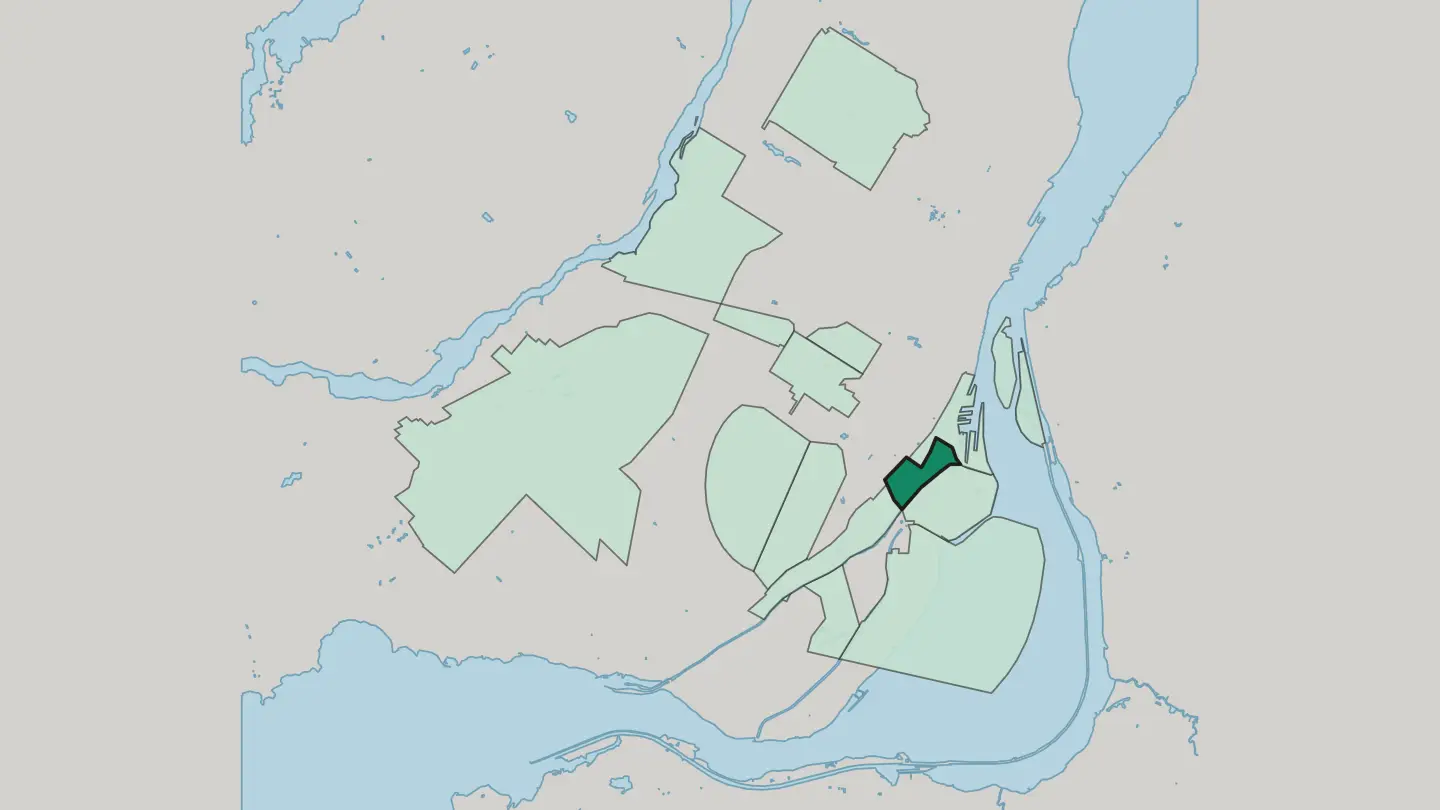
 MontréalCanada
Mile End
Mile End is a district of Montréal, its streets gathered around Église Saint-Enfant-Jésus du Mile-End and the galleries at Art Mûr.Where to stay →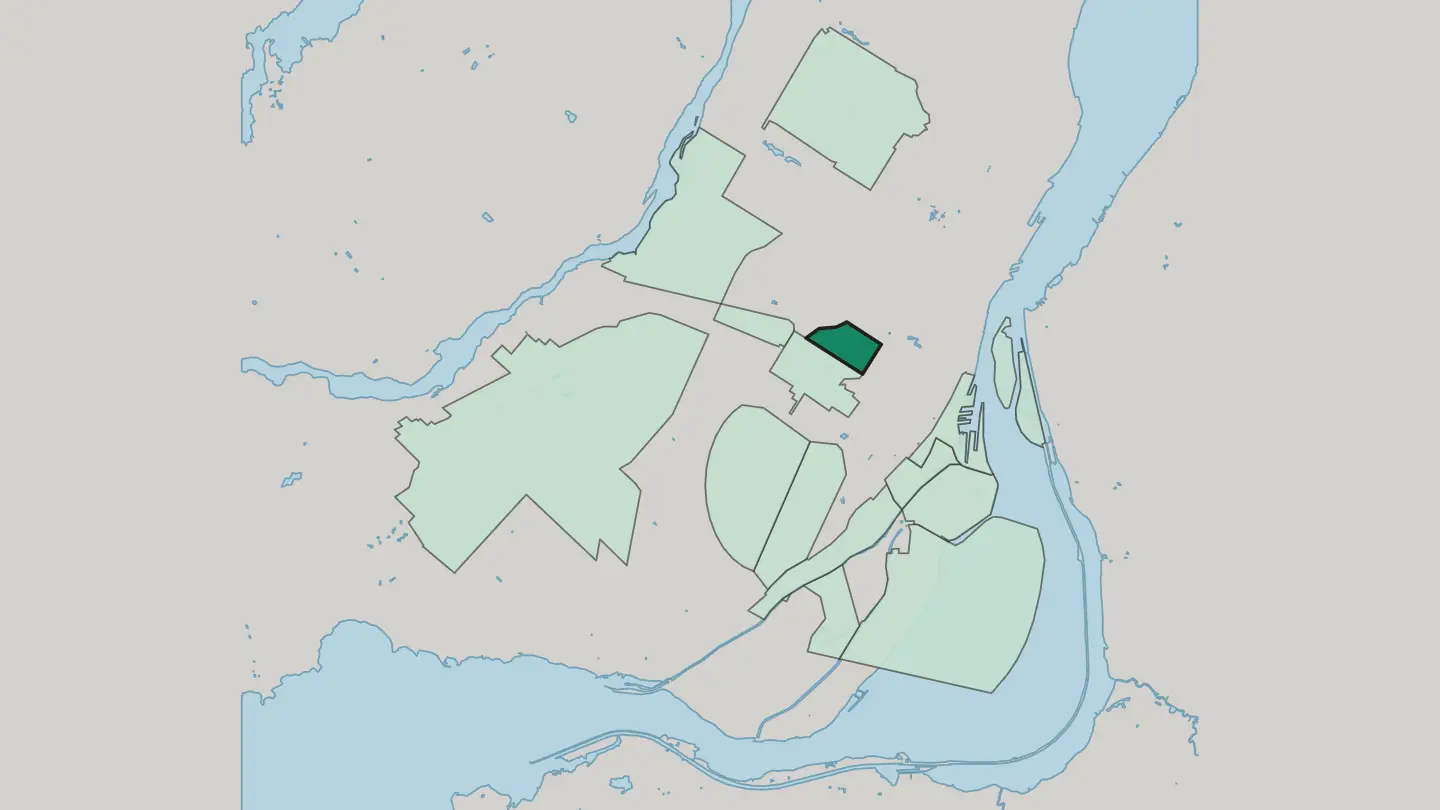
 MontréalCanada
Pointe-Saint-Charles
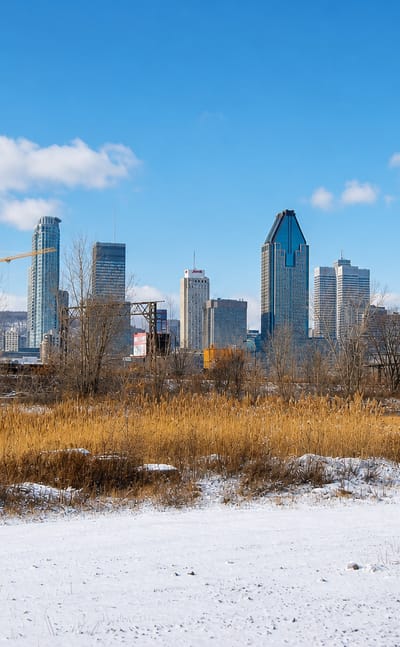
Pointe-Saint-Charles is a former industrial quarter of Montréal in the Le Sud-Ouest borough, its old streets strung along the Lachine canal.Where to stay →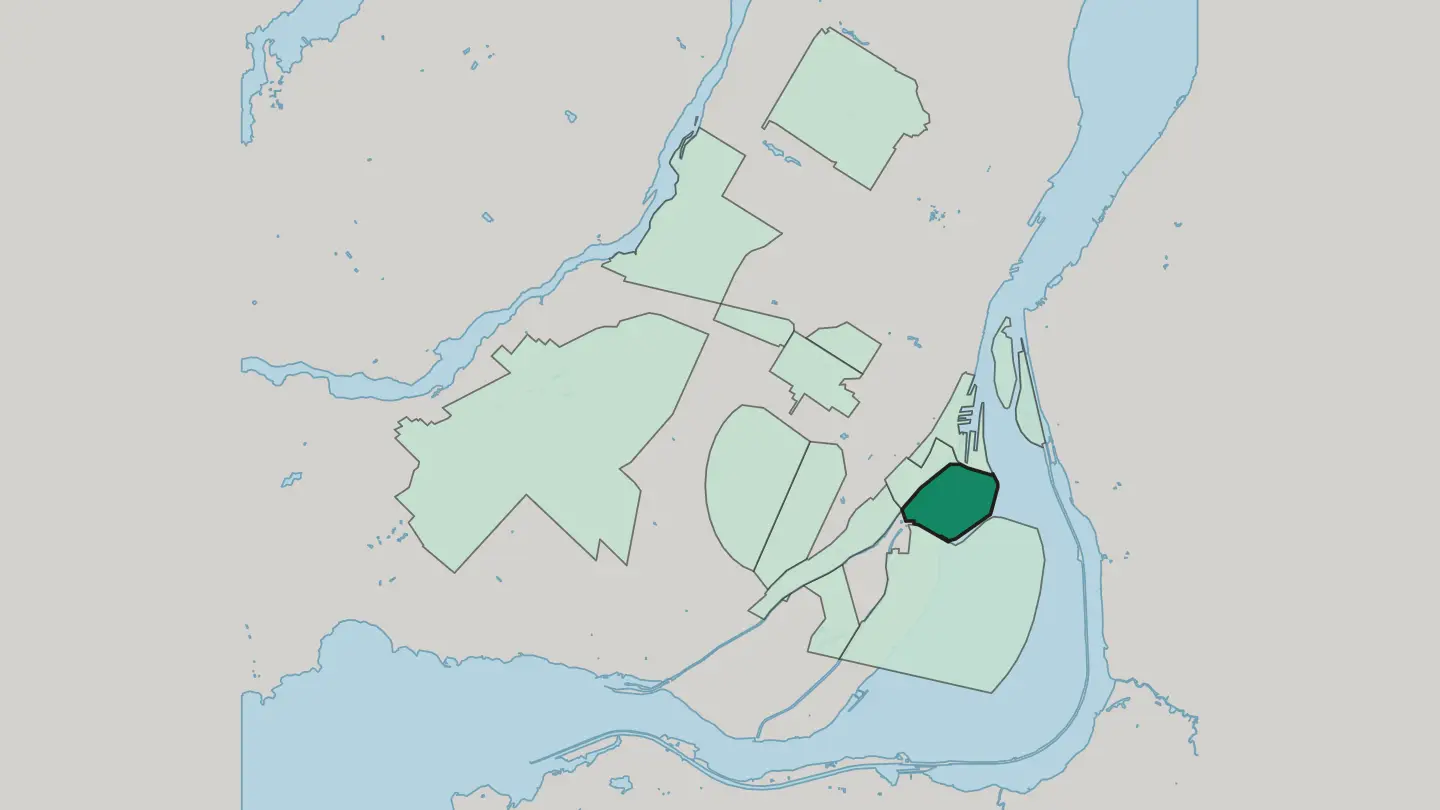
 MontréalCanada
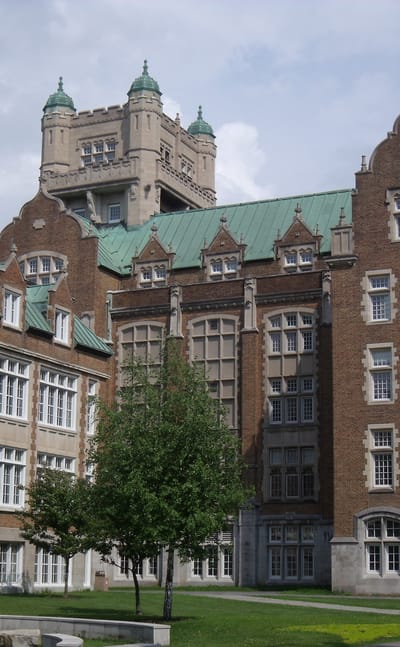
Notre-Dame-de-Grâce
Notre-Dame-de-Grâce is a district of Montréal in the city's West End, strung along Sherbrooke Street West around the église Notre-Dame-de-Grâce.Where to stay →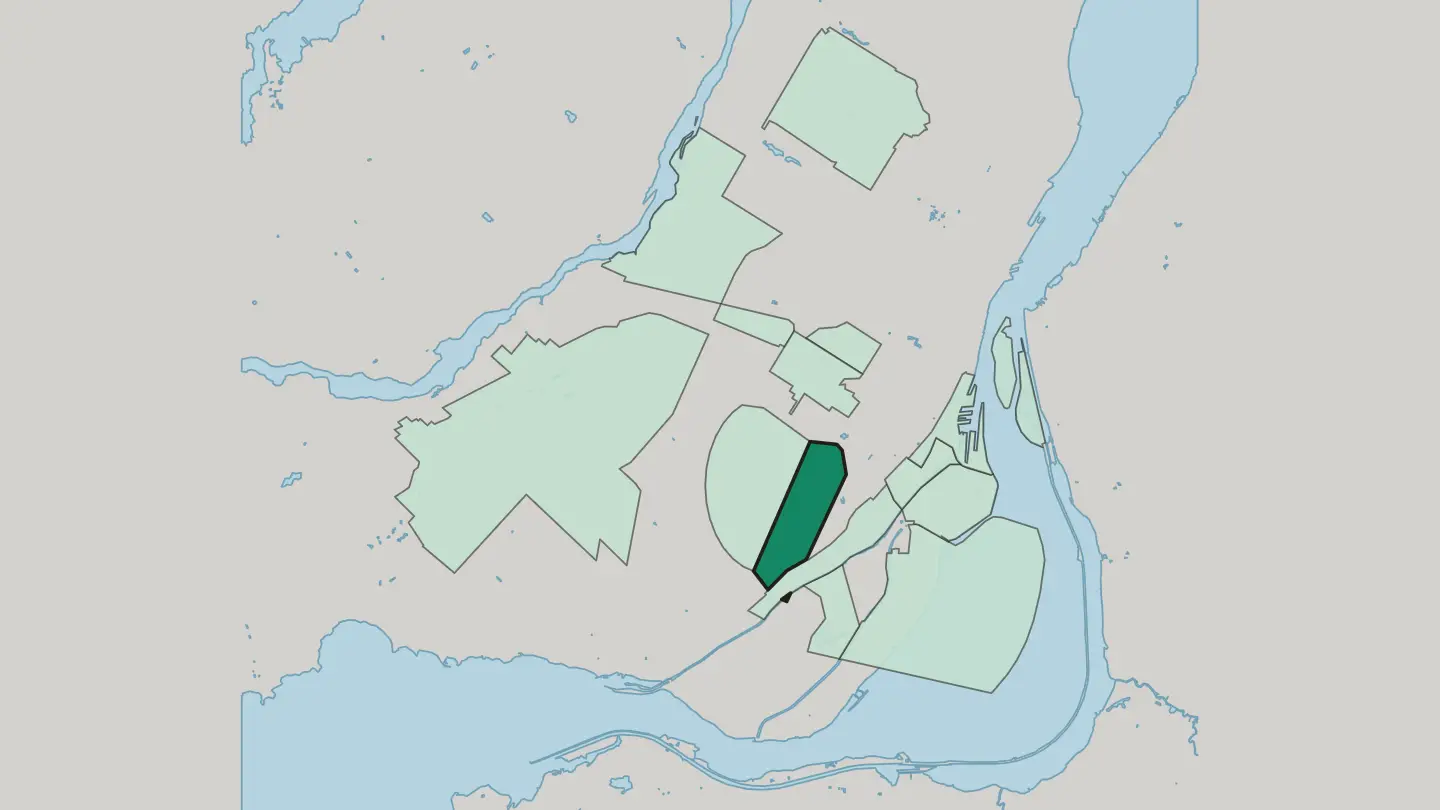
 MontréalCanada
Snowdon
Snowdon is a quiet residential district of Montréal, close to Saint Joseph's Oratory and the Montreal Holocaust Museum.Where to stay →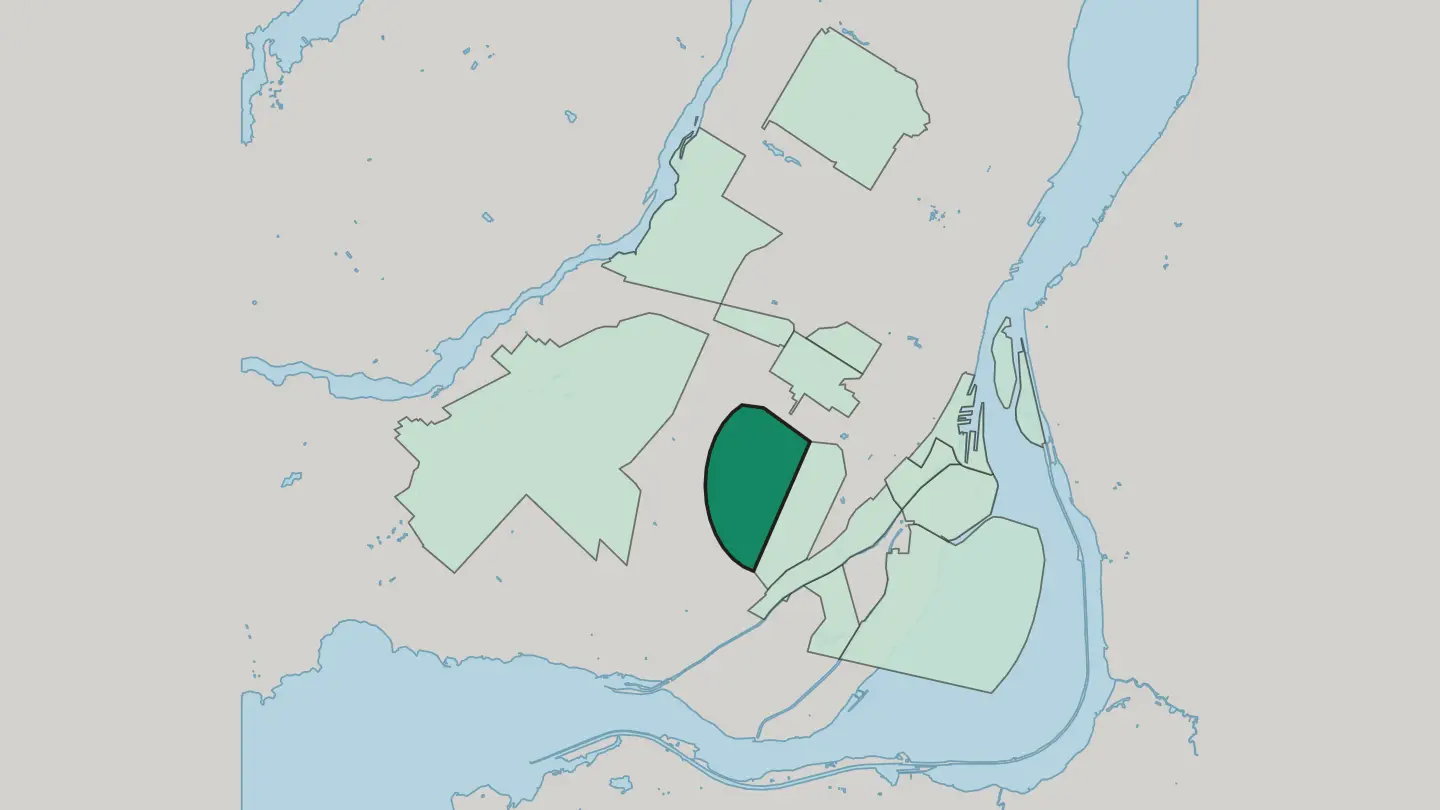
 MontréalCanada
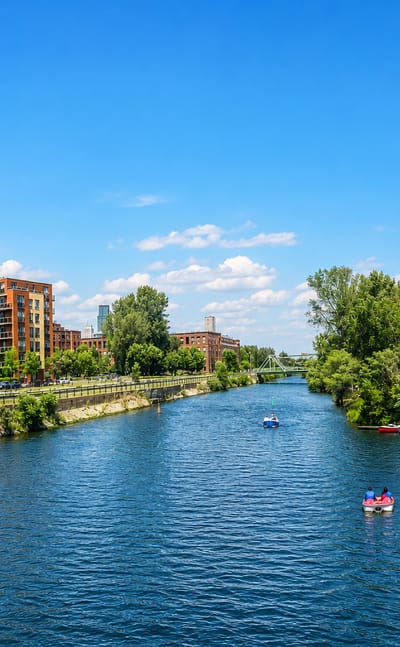
Parc-Extension
Parc-Extension is a district of Montréal, laid out from 1910 around a cluster of churches including the Church of the Madonna della Difesa.Where to stay →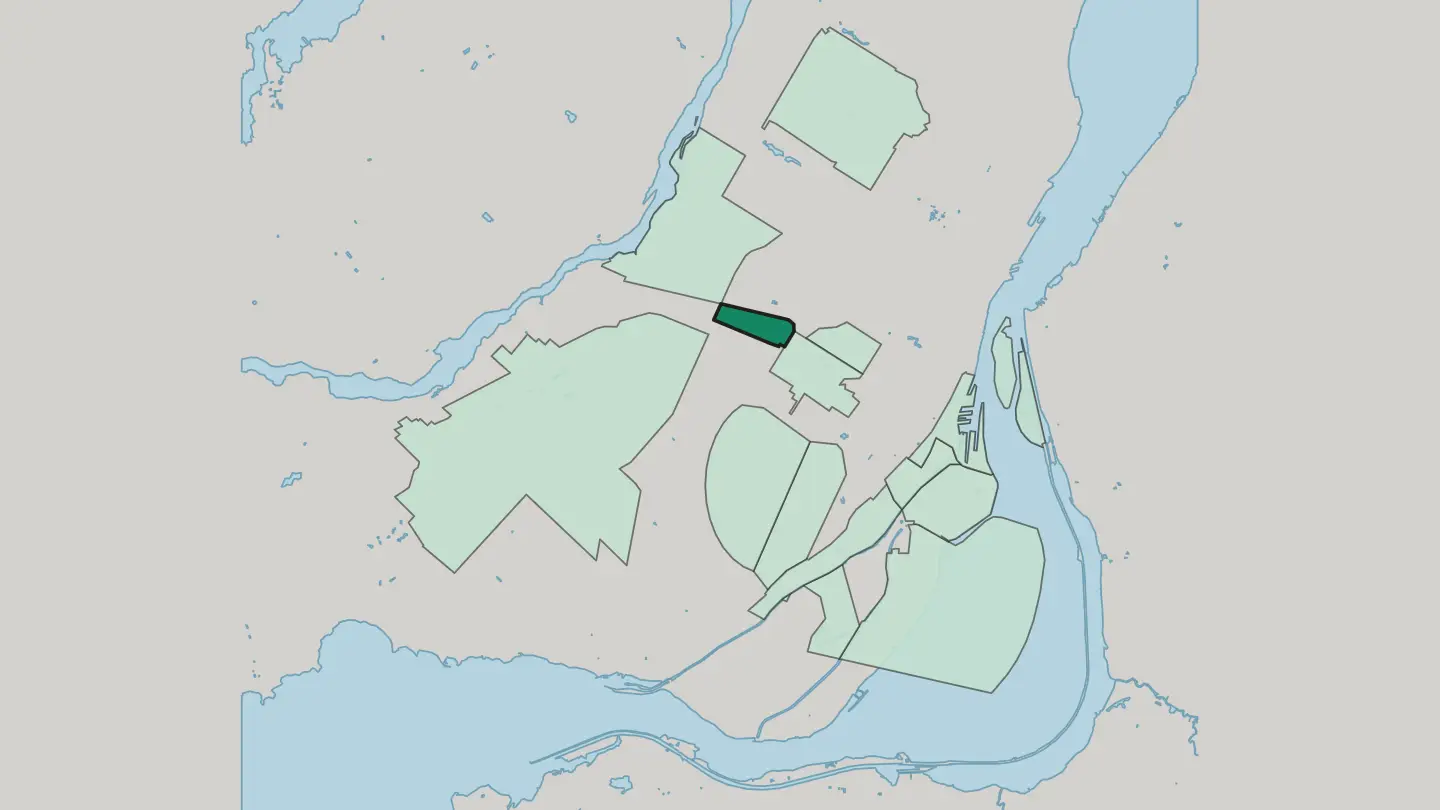
 MontréalCanada
Saint-Henri
Saint-Henri is a neighbourhood of south-western Montréal in the Le Sud-Ouest borough of Québec, Canada.Where to stay →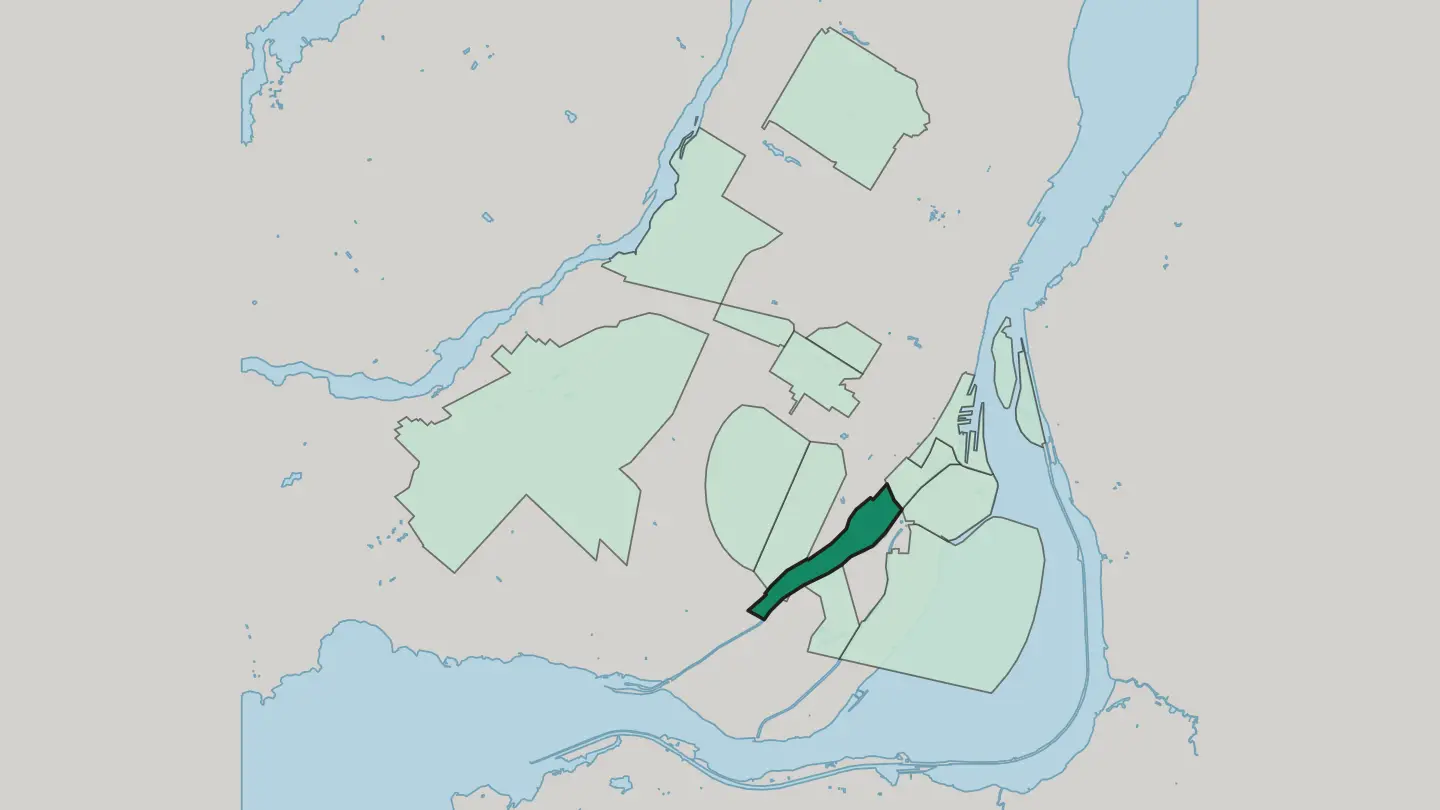
 MontréalCanada
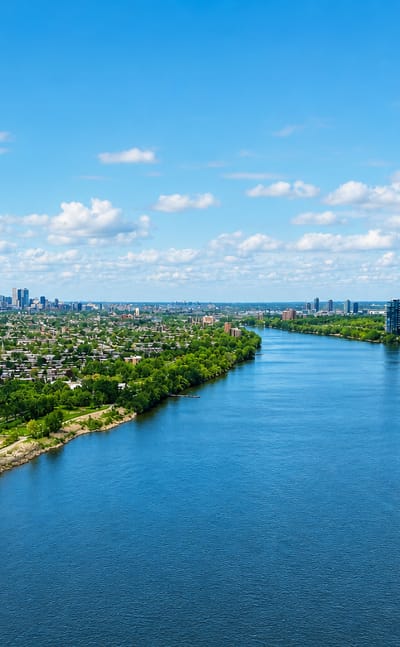
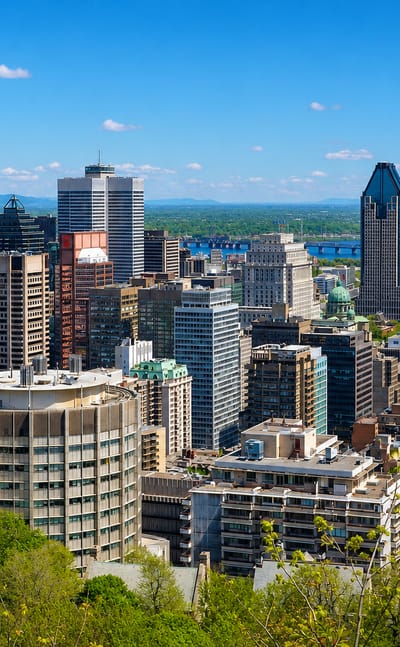
Verdun
Verdun is a riverside borough of Montréal, its streets running along the Lachine rapids out toward Nuns' Island.Where to stay →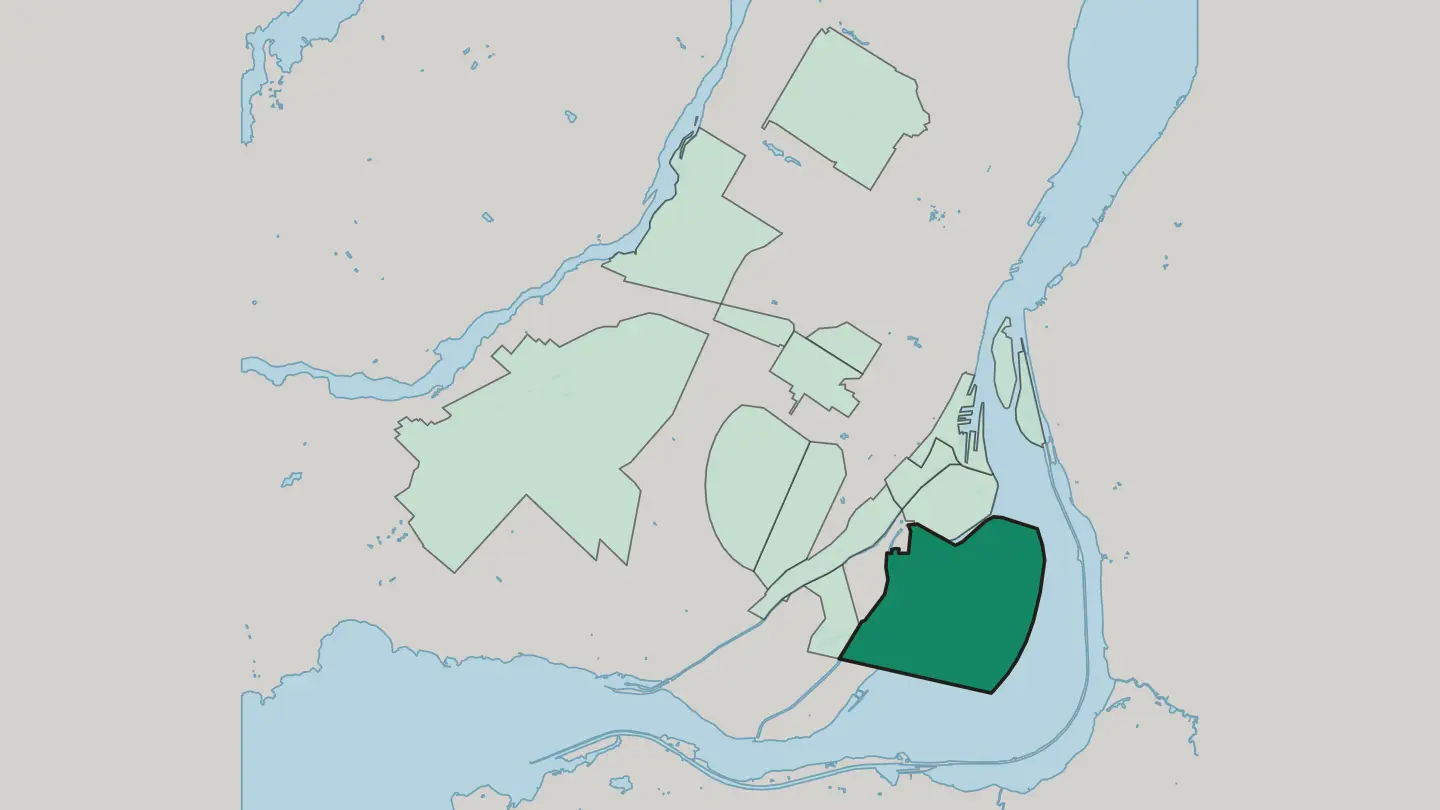
 MontréalCanada
Ville-Émard
Quiet residential streets run through Ville-Émard, a quarter of Montréal gathered around Saint Paul's Church and Centre Gadbois.Where to stay →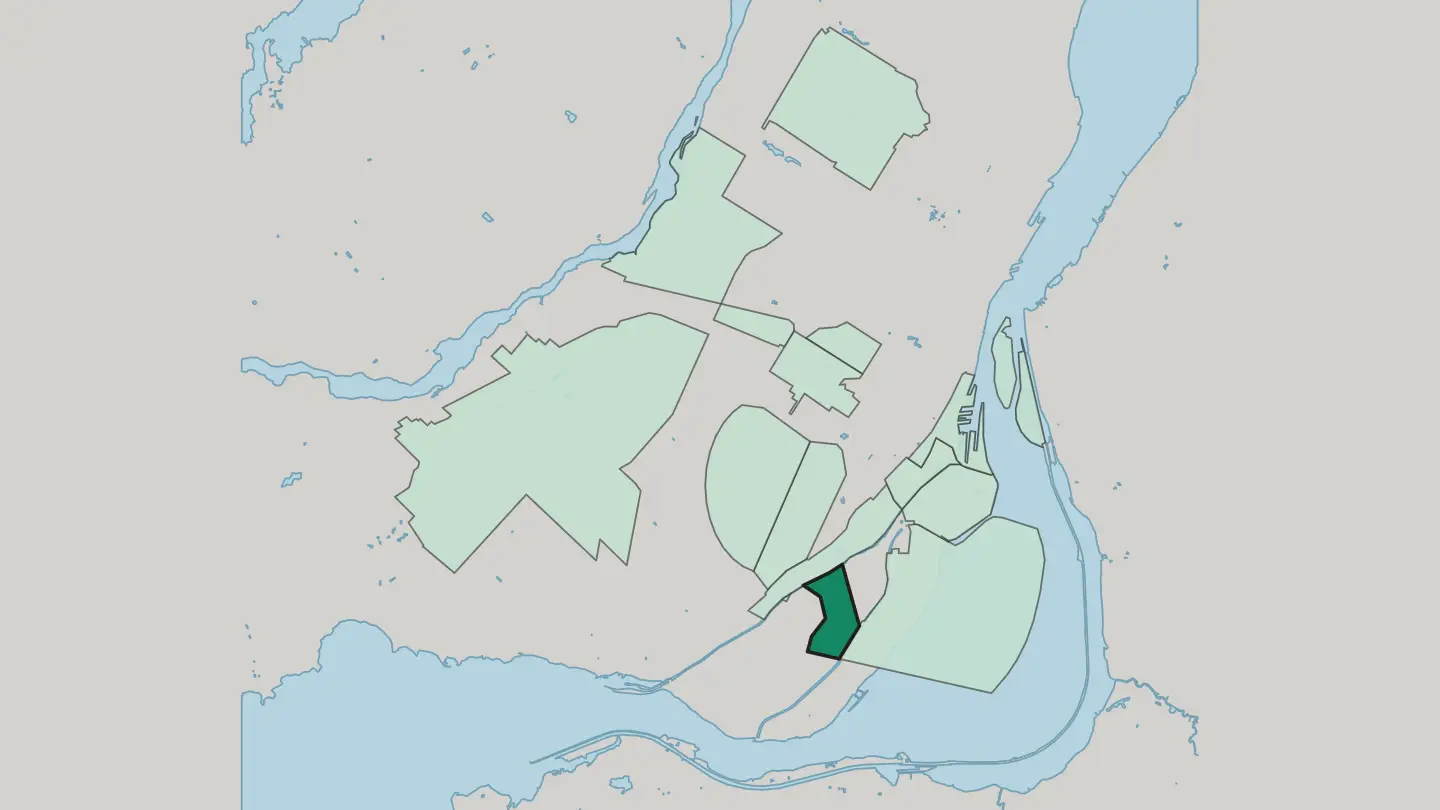
 MontréalCanada
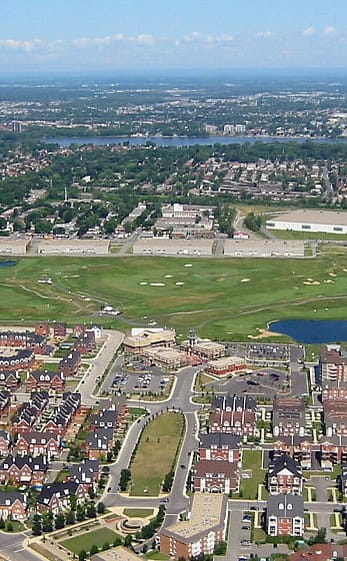
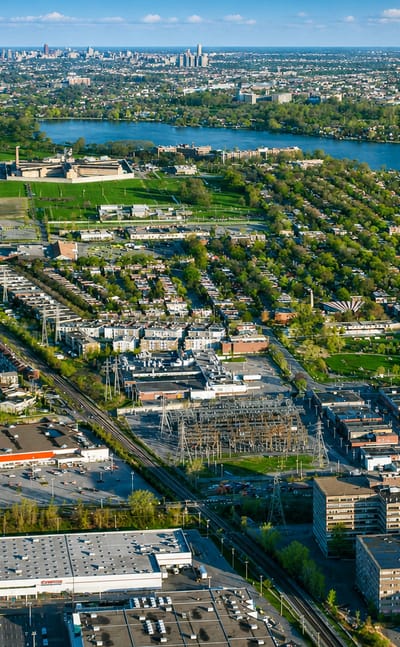
Saint-Laurent
Saint-Laurent is a former town turned Montréal borough, gathered around the Église de Saint-Laurent de Montréal.Where to stay →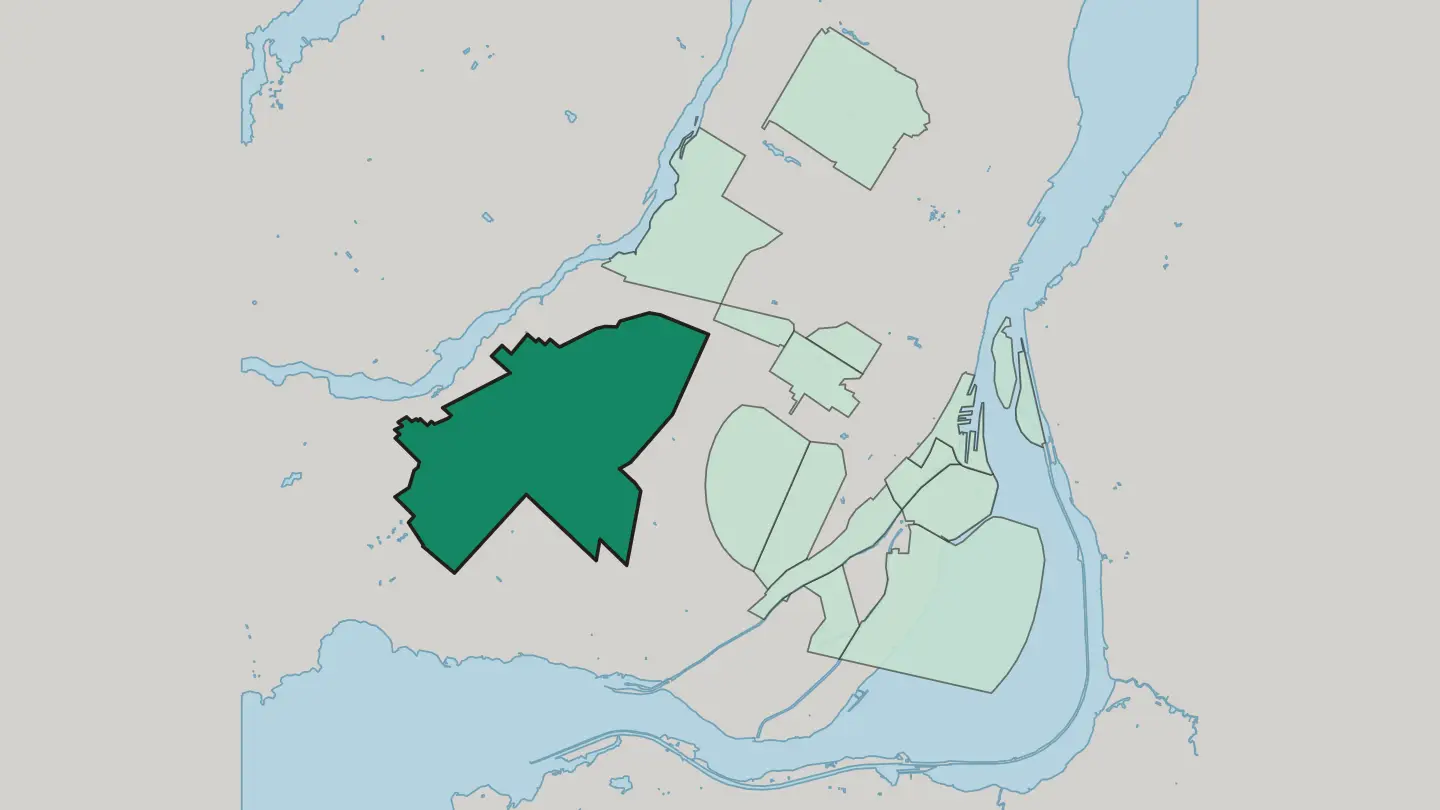
 MontréalCanada
Ahuntsic-Cartierville
Ahuntsic-Cartierville is a borough of Montréal, Québec, formed from the former villages of Ahuntsic and Cartierville.Where to stay →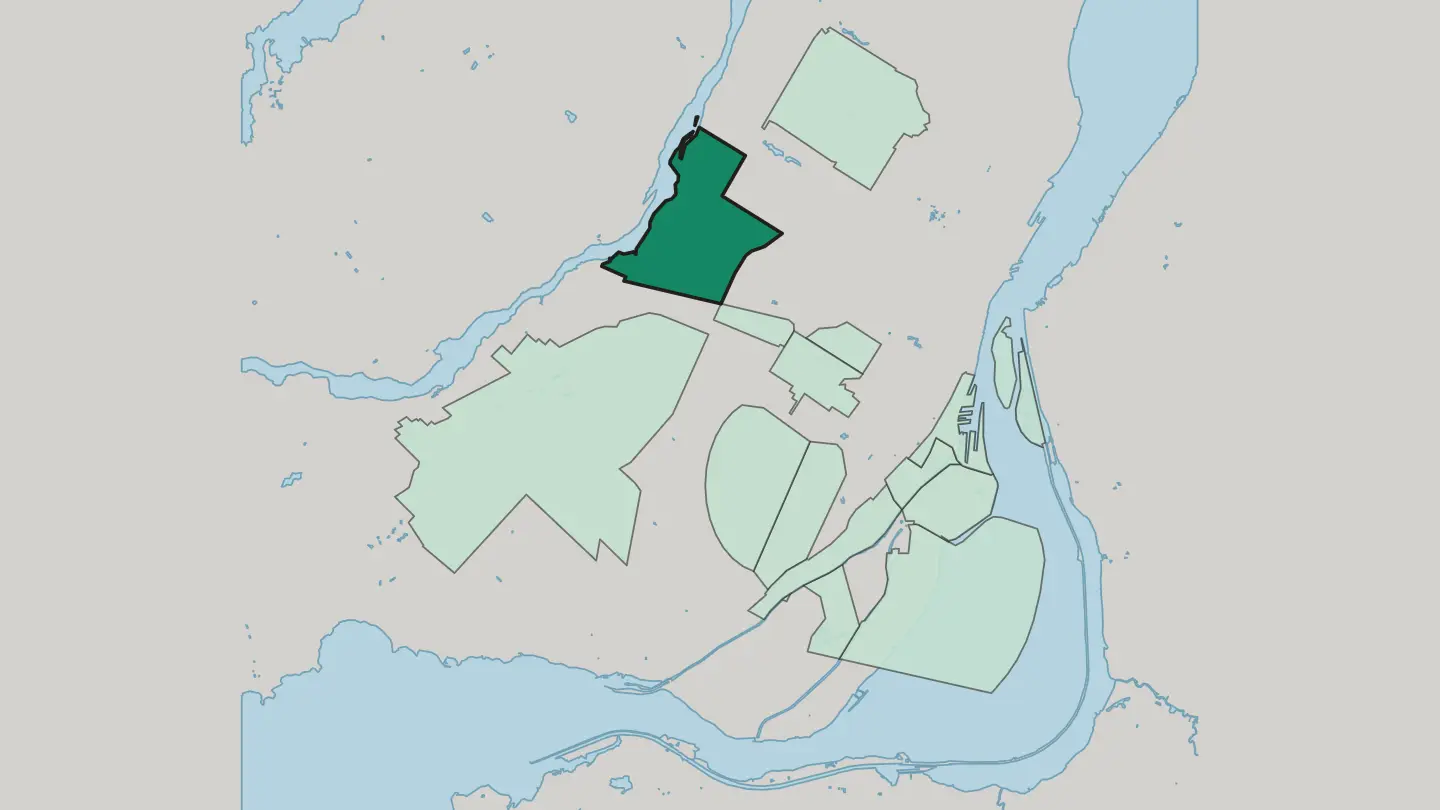 MontréalCanada
Saint-Léonard
Saint-Léonard is a residential borough of Montréal, known for the underground Saint-Leonard Cavern and its heritage farm houses.Where to stay →Hotel links are affiliate links: booking through them may earn us a commission, at no extra cost to you. It never affects how places are ranked. How this works
Things to do in Montréal
Ranked by global recognition; descriptions from Wikidata (CC0).
Museums & Galleries
3- Saint Joseph's Oratory Heritage
- château Ramezay Heritage
- Montreal Museum of Fine Arts
Churches & Religious Sites
8- Mary, Queen of the World Cathedral Heritage
- Chapel of Our Lady of Help, Montreal Heritage
- Church of the Madonna della Difesa Heritage
- Monastère du Bon-Pasteur Heritage
- St. James United Church Heritage
Show 3 more →
- Church of Saint-Pierre-Apôtre, Montreal Heritage
- St. George's Anglican Church Heritage
- Le Gesù Heritage
Castles & Historic Sites
3- Hochelaga Heritage
- site archéologique du Pied-des-Rapides-de-Lachine Heritage
- Maisonneuve Monument
Stadiums & Sports
3- Verdun Auditorium
- Autostade
- CEPSUM
Landmarks & Notable Places
8- Maison Saint-Gabriel Heritage
- Hurtubise House Heritage
- Fulford Residence Heritage
- Monklands Heritage
- Maison Étienne-Nivard-de Saint-Dizier Heritage
Show 3 more →
- Maison Gervais-Roy Heritage
- Maison Braemar Heritage
- Maison Dagenais Heritage
worth knowingacross 5 categories in Montréal
About Montréal
What is Montréal known for?
Montréal is known as the largest city in Québec and the cultural heart of French-speaking Canada. It is the largest francophone city in the Americas, and the second-largest city in Canada, built on its island around the green rise of Mount Royal. French runs through everything.
Old Montreal keeps the colonial old town by the river, while the Montréal Canadiens and a long bilingual tradition mark the modern city.
What are the main landmarks in Montréal?
Montréal's landmarks run from the mountain to the old town. Saint Joseph's Oratory crowns the flank of Mount Royal, rising above the streets as one of the city's great churches. The old town holds the rest.
In Vieux-Montréal, the Pointe-à-Callière Museum stands on the founding site beside château Ramezay, while the Montreal Museum of Fine Arts and Mary, Queen of the World Cathedral anchor the downtown.
What is the history of Montréal?
Montréal was founded in 1642 as Ville-Marie, the City of Mary, on the Island of Montreal. The mountain named it. The settlement grew around Mount Royal, the triple-peaked hill that gave the city its name, and its first streets became the colonial core now called Old Montreal.
A river town took shape. Built on the island in the middle of the river, the young settlement grew from a French mission into a centre of trade for the whole province. From that founding the city rose steadily.
Montréal became the largest city in Québec and the second-largest in Canada, the largest francophone city in the Americas, holding the cultural and economic weight of French-speaking Canada. Two languages took root here. A long-established Anglophone minority grew alongside the French majority, giving the city its bilingual character, while Old Montreal kept the stone streets of the colonial town.
The founding ground by the river still marks where it began.
Where is Montréal?
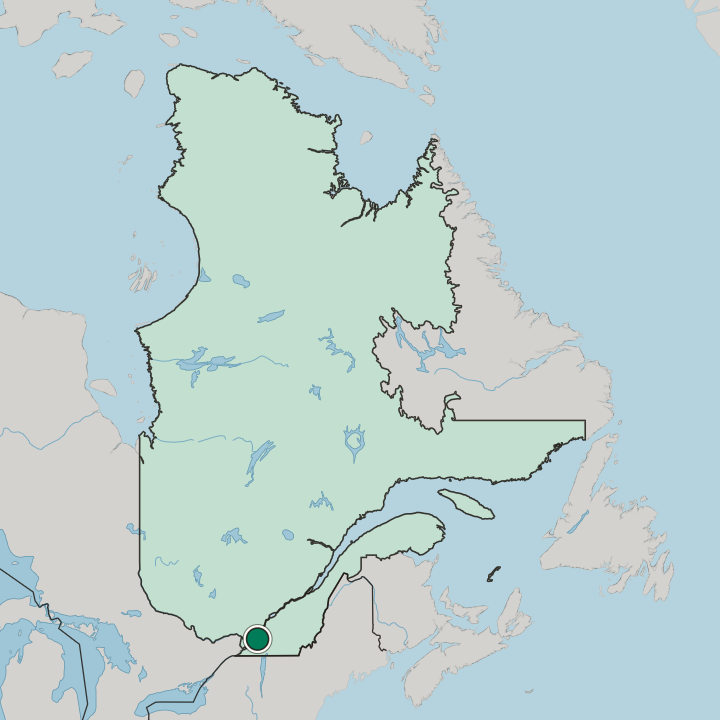
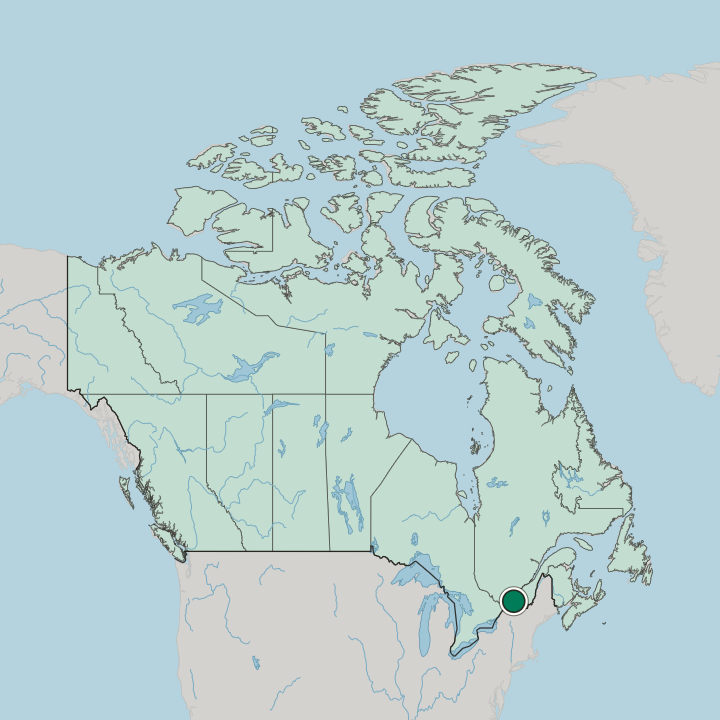
Montréal sits on an island in the river, centred on the Island of Montreal and a scatter of smaller islands around it. Water rings the city. The largest of the outer islands is Île Bizard, and the whole cluster gathers around Mount Royal, the hill at the island's heart, east of Ottawa and southwest of Quebec City.
Rivers wrap every side. It holds the low ground of the valley between the mountain and the water.
What is the climate of Montréal?
Montréal has a temperate, continental climate with sharp seasons. Winter grips the island city for months, deep in snow. Inland on its river island, far from the sea, the city sees deep cold and heavy snowfall in winter and warm, humid summers around Mount Royal.
The turn is dramatic. Spring and autumn move fast between the extremes.
How do you get to Montréal?
Most visitors reach Québec through Montréal, the main entry point to the province. Flights land on the island. From the city, road and rail run east toward Quebec City and west toward Ottawa, tying Montréal into the wider country along the river.
The island sits at the crossroads. It is the main arrival point for French-speaking Canada.
Common questions
What is the best area to stay in Montréal?
Vieux-Montréal: the colonial old town by the river. Outremont: a quieter residential base below Mount Royal.
Good for
More cities in Québec
Updated September 2026