Canada · Québec
Where to Stay in Saint-Jean-sur-Richelieu, Québec
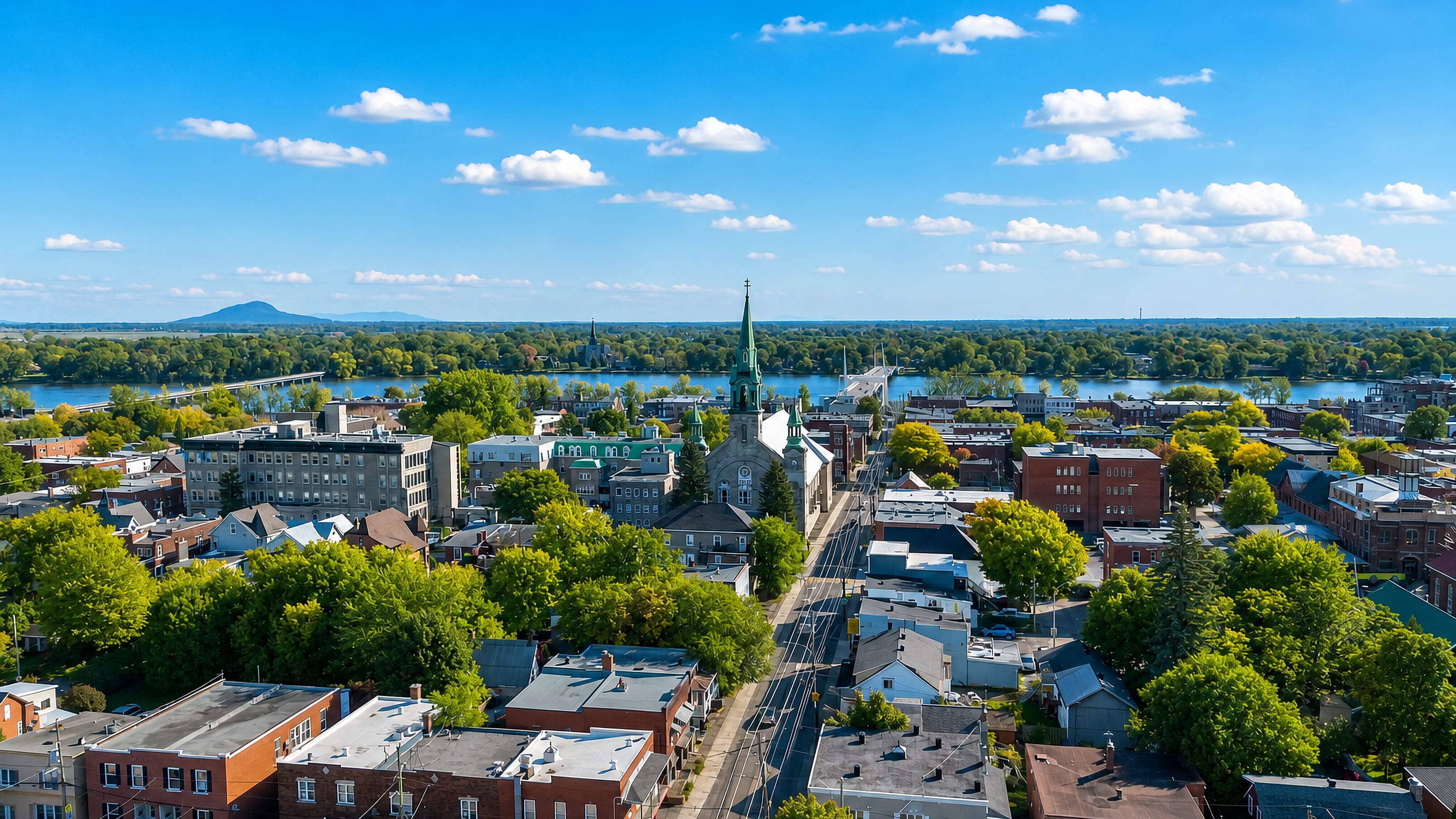
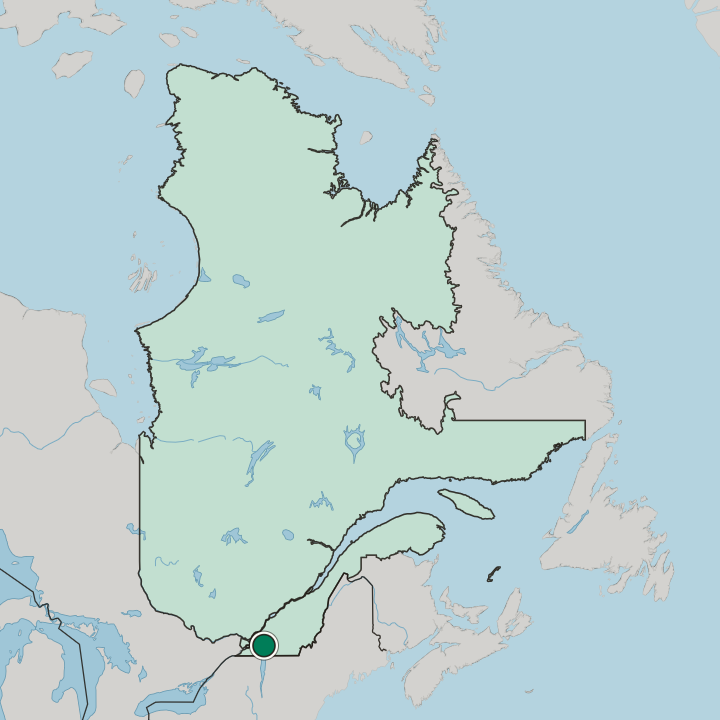
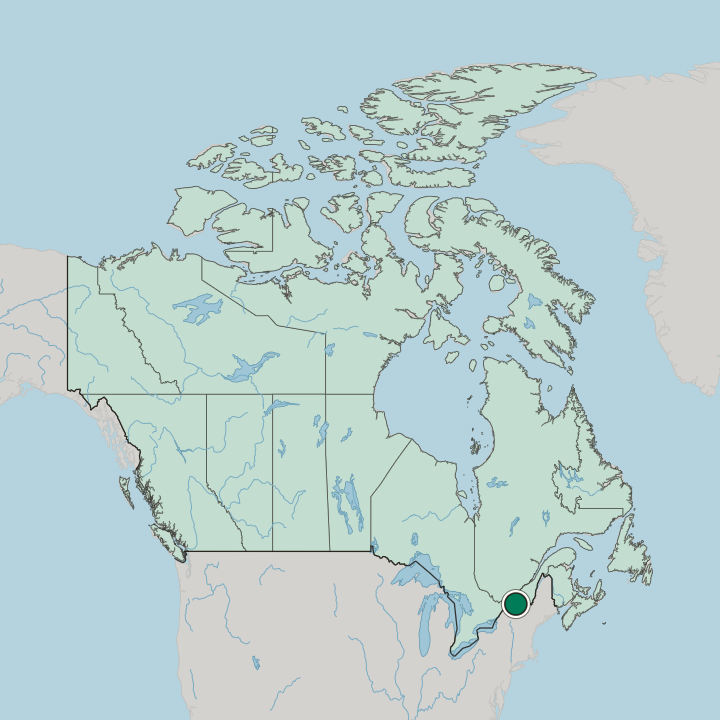
Saint-Jean-sur-Richelieu straddles the Richelieu River in Montérégie, southeast of Montreal, at the navigable head of Lake Champlain.
Hotel links are affiliate links: booking through them may earn us a commission, at no extra cost to you. It never affects how places are ranked. How this works


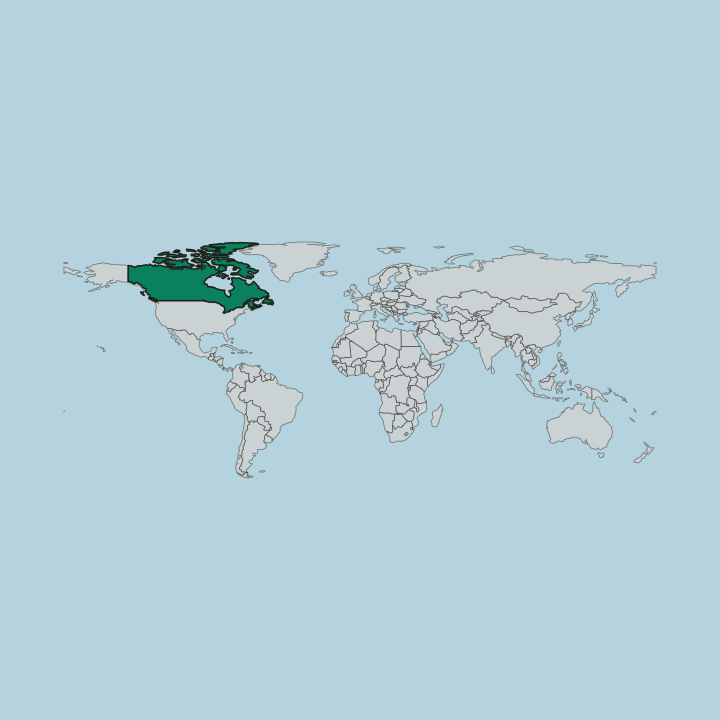
Where to stay in Saint-Jean-sur-Richelieu
Where visitors usually base themselves, and why.
The river divides the city in two. Saint-Jean-sur-Richelieu straddles the west and east banks of the Richelieu River, and the older streets around the Cathedral of Saint-Jean-l'Évangéliste are what make a stay on foot workable. Fort Saint-Jean sits on the water.
A room near the riverbank puts the fort, the Royal Military College Saint-Jean, and the head of Lake Champlain's navigable water within easy reach, which is the whole point of staying central here. The balloon festival changes that arithmetic entirely, since demand for rooms in Saint-Jean-sur-Richelieu concentrates into the days it runs. The countryside is the other option.
Montérégie's orchards, cider-houses, and vineyards spread out from the city, and a bed among them suits anyone whose plans run to agrotourism rather than to the streets around the cathedral. Maple sugar shacks work the same ground. Montreal lies close enough to serve as a base, and travellers heading on toward Vermont often break the journey here instead, since the city sits about midway to the border.
Maison McGinnis and the Cathedral of Saint-Jean-l'Évangéliste anchor what walking there is. Cider-houses outnumber hotels out there.
Find hotels in Saint-Jean-sur-Richelieu
Direct booking searches for these neighbourhoods.
The riverbank by Fort Saint-Jean
Fort Saint-Jean and the Royal Military College Saint-Jean line the water hereFind hotels in The riverbank by Fort Saint-JeanVisitors timing a trip to the balloon festivalThe cathedral streets
The older grid around the Cathedral of Saint-Jean-l'Évangéliste and Maison McGinnisFind hotels in The cathedral streetsAgrotourism trips through the Richelieu valleyThe Montérégie orchards
Cider-houses, vineyards, and sugar shacks in the country outside the city. Few places to stay nearby — book ahead.Find hotels in The Montérégie orchardsHotel links are affiliate links: booking through them may earn us a commission, at no extra cost to you. It never affects how places are ranked. How this works
Things to do in Saint-Jean-sur-Richelieu
Ranked by global recognition; descriptions from Wikidata (CC0).
Museums & Galleries
1- Fort Saint-Jean Heritage
Churches & Religious Sites
2- Cathedral of Saint-Jean-l'Évangéliste
- Chapel of the Holy Spirit, Saint-Jean
Landmarks & Notable Places
2- Maison McGinnis Heritage
- Maison Bouthillier à Saint-Jean-sur-Richelieu Heritage
worth knowingacross 3 categories in Saint-Jean-sur-Richelieu
About Saint-Jean-sur-Richelieu
Hot air balloons come every year.
What is Saint-Jean-sur-Richelieu known for?
The International Balloon Festival of Saint-Jean-sur-Richelieu fills the skies over the Richelieu River, and the surrounding Montérégie country adds orchards, cider-houses, vineyards, and maple sugar shacks to the reasons people come. The military presence runs deep. Fort Saint-Jean and the Royal Military College Saint-Jean occupy the riverbank, and the Cathedral of Saint-Jean-l'Évangéliste stands at the civic core.
What are the main landmarks in Saint-Jean-sur-Richelieu?
The fort came first. Fort Saint-Jean holds the oldest ground on the Richelieu River, and the Royal Military College Saint-Jean carries the same military line forward. The Cathedral of Saint-Jean-l'Évangéliste leads the churches, with the Chapel of the Holy Spirit behind it.
Maison McGinnis and Maison Bouthillier survive as the two named houses, older domestic stock in a city whose better-known buildings all serve some public purpose.
What is the history of Saint-Jean-sur-Richelieu?
Fort Saint-Jean explains the site. The founding runs back to 1667, and the reason was the water: the Richelieu River reaches its head of navigation from Lake Champlain here, which made the spot a control point on the route between Montreal and the country to the south. Military use never stopped.
The Royal Military College Saint-Jean carries that function forward, and the city's official name, Saint-Jean-Iberville, records a name built from two, not one. Parish and town grew beside the garrison. The Cathedral of Saint-Jean-l'Évangéliste became the principal church, the Chapel of the Holy Spirit a smaller one, and Maison McGinnis and Maison Bouthillier survive from the domestic building of the older town.
Trade followed the river. Traffic between Montreal and Lake Champlain passed through, which tied the place to the corridor running south toward the Vermont side of the border. The country around the city took a different path, and the orchards, cider-houses, vineyards, and maple sugar shacks of Montérégie became a draw in their own right.
The balloon festival is a much later addition, an annual event that gives Saint-Jean-sur-Richelieu a name well beyond Montérégie.
Where is Saint-Jean-sur-Richelieu?
The Richelieu River splits the city. Saint-Jean-sur-Richelieu holds both banks at the northernmost navigable point of Lake Champlain, southeast of Montreal, with the Montérégie farmland running out from the built-up ground in every direction. The municipal area is large.
Orchards, vineyards, and open fields take up most of it, which leaves the city itself as a compact core beside the water rather than a spread of continuous streets.
What is the climate of Saint-Jean-sur-Richelieu?
The valley funnels the seasons. Air moves along the Richelieu River corridor between Lake Champlain and the country north of it, and the temperate year still runs to a snow-bound winter and a humid warm spell in July and August. Orchards depend on that rhythm.
The cider-houses and sugar shacks of Montérégie work to the same calendar, and the swing between the two extremes is what shapes the year here.
How do you get to Saint-Jean-sur-Richelieu?
Montreal is about 40 km away. The approach from that city runs southeast across Montérégie to the Richelieu River, and the same road continues toward the border with Vermont, which puts Saint-Jean-sur-Richelieu roughly midway along it. Water is the older route.
Lake Champlain reaches its navigable limit at the city, so boats coming up from the south stop here, and Fort Saint-Jean was placed exactly where that transition happens.
Common questions
What is the best area to stay in Saint-Jean-sur-Richelieu?
The riverbank by Fort Saint-Jean: Stays that want the Richelieu's navigable head on foot. The cathedral streets: Visitors timing a trip to the balloon festival. The Montérégie orchards: Agrotourism trips through the Richelieu valley.
Good for
More cities in Québec
Updated September 2026