Canada · Saskatchewan
Where to Stay in Saskatoon, Saskatchewan
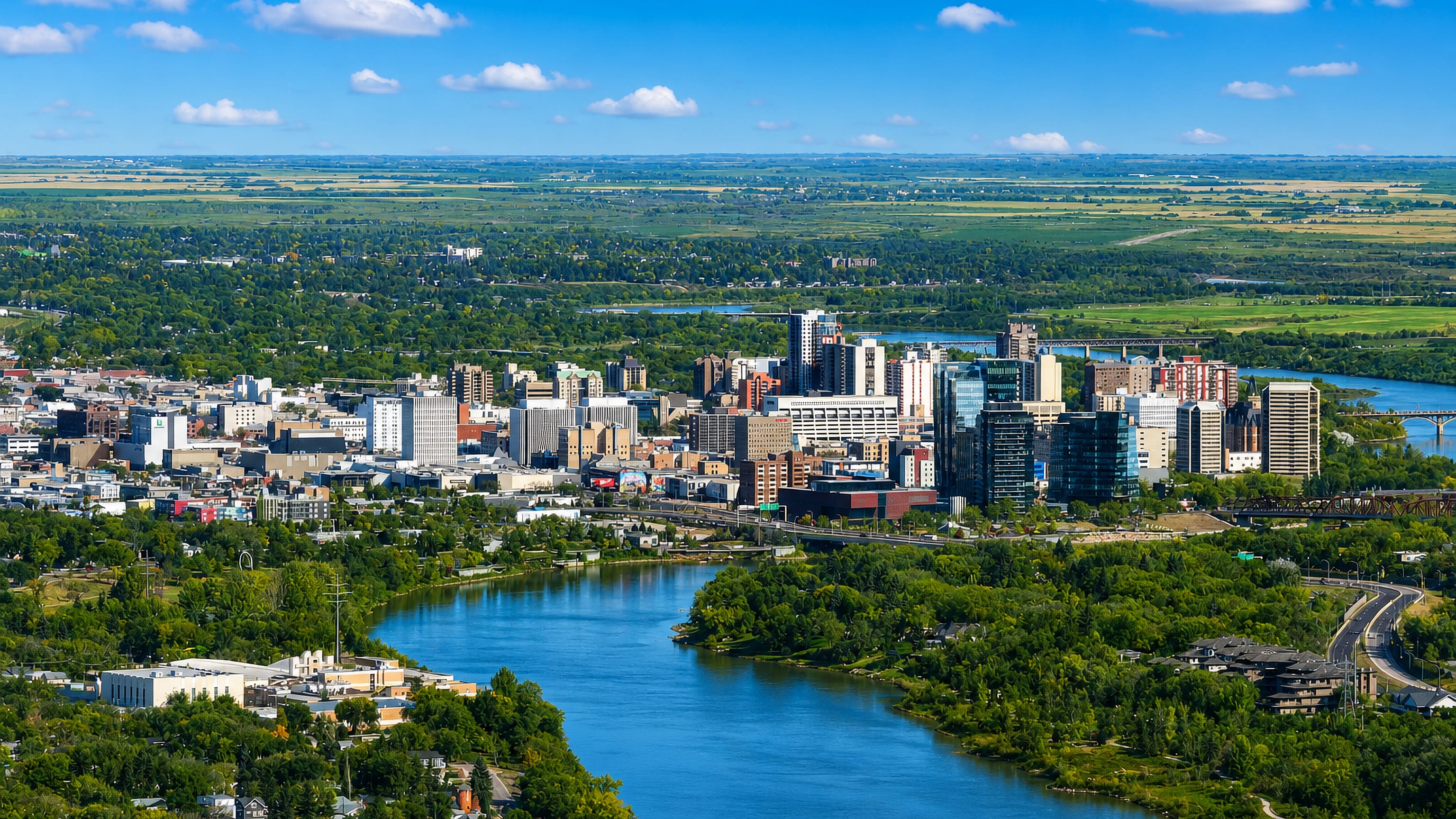
Prairie light fills the galleries of Remai Modern at Saskatoon, a city in Saskatchewan, Canada, known for the Diefenbaker Centre and its heritage homes.
Hotel links are affiliate links: booking through them may earn us a commission, at no extra cost to you. It never affects how places are ranked. How this works


Where to stay in Saskatoon
Each area has its own feel; here's who each one suits.
 SaskatoonCanada
Core Neighbourhoods
Three towns became Saskatoon here. The Core Neighbourhoods Sector straddles the South Saskatchewan River, holding Nutana, Riversdale and West Saskatoon.Where to stay →SaskatoonCanadaMount Royal
Mount Royal is a Saskatoon neighbourhood in the Confederation SDA, with five schools and the Church of Our Lady of Czestochowa on its record.Where to stay →SaskatoonCanadaConfederation
Confederation is a Saskatoon district, listed separately from Confederation Park and carrying nothing beyond its name on the record.Where to stay →SaskatoonCanadaNutana
Nutana is a district of Saskatoon dating from 1883, where Remai Modern stands a short walk from the Canada Games clock tower.Where to stay →SaskatoonCanadaDundonald
Dundonald fills the northwest corner of Saskatoon, a 1980s subdivision ringed by landscaped parkland and built around a storm pond.Where to stay →SaskatoonCanadaHampton Village
Hampton Village is a Saskatoon suburb built to a village plan, its shops and services gathered at a centre with walking trails running out from it.Where to stay →SaskatoonCanadaNutana Sector
Nutana Sector is not Nutana. The sector sits on Saskatoon's east side south of the Core Neighbourhoods, while the Nutana neighbourhood lies inside them.Where to stay →SaskatoonCanadaConfederation Park
Confederation Park is a west-side subdivision of Saskatoon, the Saskatchewan city divided by the South Saskatchewan River.Where to stay →SaskatoonCanadaParkridge
Parkridge is a residential neighbourhood in western Saskatoon, Saskatchewan, built from the early 1980s on land the city annexed in the late 1970s.Where to stay →SaskatoonCanadaSutherland
Sutherland dates from 1908, one of the older named quarters of Saskatoon, with Rugby Chapel standing among its streets.Where to stay →SaskatoonCanadaBlairmore
The Blairmore Sector is Saskatoon's west-side growth area, largely open ground annexed in the mid-2000s and planned for nine new neighbourhoods.Where to stay →SaskatoonCanadaLawson Heights
Lawson Heights is a residential neighbourhood in northern Saskatoon, developed from the late 1970s and sharing a boundary with Silverwood Heights.Where to stay →All neighbourhoods (17)
SaskatoonCanadaCollege Park
College Park is a residential neighbourhood of Saskatoon, Saskatchewan, built mostly of detached houses with a minority of multiple-unit blocks.Where to stay →SaskatoonCanadaForest Grove
Forest Grove is a residential neighbourhood in northeast Saskatoon, a low-rise grid of detached houses with apartment blocks worked in among them.Where to stay → SaskatoonCanada
Silverwood Heights
Silverwood Heights is a district of Saskatoon dating from 1907, nearly four square kilometres of ground with Lawson Heights right beside it.Where to stay →SaskatoonCanadaArbor Creek
Arbor Creek dates from 1980, a Saskatoon neighbourhood of roughly one and a half square kilometres with Forest Grove and Willowgrove around it.Where to stay →SaskatoonCanadaWillowgrove
Willowgrove is a district of Saskatoon covering about two square kilometres, with Arbor Creek and Forest Grove as its nearest neighbours.Where to stay →Hotel links are affiliate links: booking through them may earn us a commission, at no extra cost to you. It never affects how places are ranked. How this works
Find hotels in Saskatoon
Direct booking searches for these neighbourhoods.
Saskatoon downtown
The central avenues around Remai Modern, the Cathedral of St. George, and the Saskatoon Cenotaph, the natural base for reaching the galleries on foot in Saskatoon.Find hotels in Saskatoon downtownuniversity stays near the Museum of AntiquitiesDiefenbaker campus edge
The quieter streets by the Diefenbaker Centre and the Museum of Antiquities on Saskatoon's university grounds, apart from the downtown bustle.Find hotels in Diefenbaker campus edgehistory-minded stays by the Knox United ChurchMarr Residence heritage streets
The older blocks around Marr Residence and the Knox United Church, among the surviving early homes of Saskatoon.Find hotels in Marr Residence heritage streetsHotel links are affiliate links: booking through them may earn us a commission, at no extra cost to you. It never affects how places are ranked. How this works
Things to do in Saskatoon
Ranked by global recognition; descriptions from Wikidata (CC0).
Museums & Galleries
3- Remai Modern
- The Right Honourable John G. Diefenbaker Centre for the Study of Canada
- Museum of Antiquities (Saskatchewan)
Churches & Religious Sites
4- Rugby Chapel Heritage
- Knox United Church Heritage
- Cathedral of the Holy Trinity Heritage
- St. Vincent of Lerins Orthodox Church Heritage
Castles & Historic Sites
3- Canada Games clock tower & square
- Pioneer Memorial Cairn
- Saskatchewan MADD Monument
Stadiums & Sports
2- Gordie Howe Bowl
- Rutherford Arena
Landmarks & Notable Places
6- Marr Residence Heritage
- Bowerman House Heritage
- Gustin House Heritage
- Sommerville/Petitt House Heritage
- Landa Residence Heritage
Show 1 more →
- Bottomley House Heritage
worth knowingacross 5 categories in Saskatoon
About Saskatoon
What is Saskatoon known for?
Saskatoon is known for its galleries and its early prairie heritage. Remai Modern anchors the contemporary art collection, while the Diefenbaker Centre and the Museum of Antiquities draw students and visitors alike. Two cathedrals rise among the older streets.
They are the Cathedral of St. George and the Cathedral of the Holy Trinity. Marr Residence and the Gustin House survive from the founding decades, and the Musée Ukraina Museum keeps the record of the settlers who worked the surrounding plain.
What are the main landmarks in Saskatoon?
Saskatoon's landmarks range from early homes to modern galleries. Remai Modern holds the contemporary art collection in a riverbank building, while the Diefenbaker Centre and the Museum of Antiquities anchor the university grounds. Two cathedrals mark the skyline.
Saskatoon's cathedral of St. George and the Cathedral of the Holy Trinity rise above the streets, joined by the Knox United Church. From the founding decades survive Marr Residence, the Gustin House, and the Saskatoon Cenotaph.
What is the history of Saskatoon?
Saskatoon was founded in 1882 on the open plain of what became Saskatchewan, Canada. Settlers came to work the prairie. Marr Residence and the Gustin House survive from those early decades, brick and timber homes that anchor the story of the first landholders, and the Pioneer Memorial Cairn marks the ground they broke.
The founding era set the wide grid of streets and gathered the first congregations on the flat grassland. The city filled out through the twentieth century. Civic and religious works followed.
Saskatoon's cathedral of St. George and the Cathedral of the Holy Trinity rose above the growing streets, joined by the Knox United Church, while the Saskatoon Cenotaph marked the losses of a generation. Later the university took shape on the plain, and the Diefenbaker Centre, the Museum of Antiquities, and Remai Modern gathered the record of the province and its art.
Where is Saskatoon?
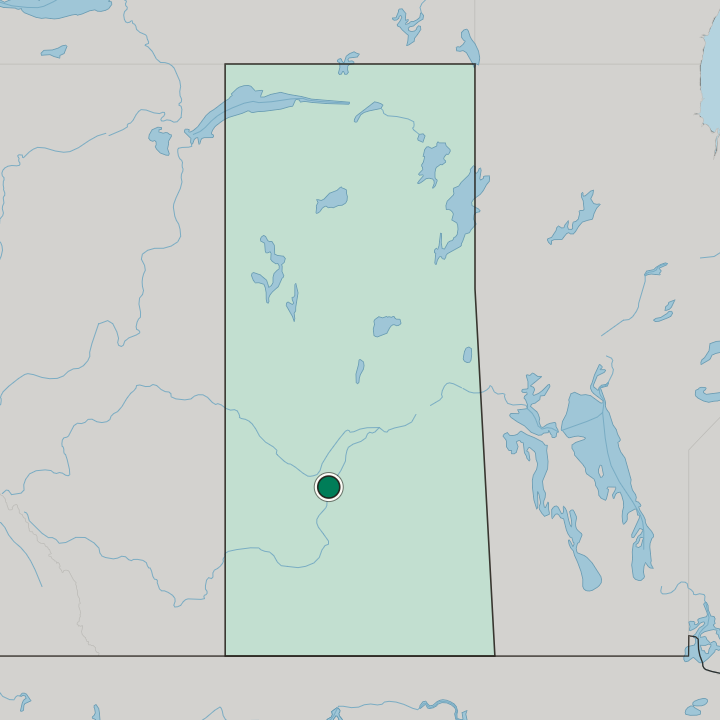
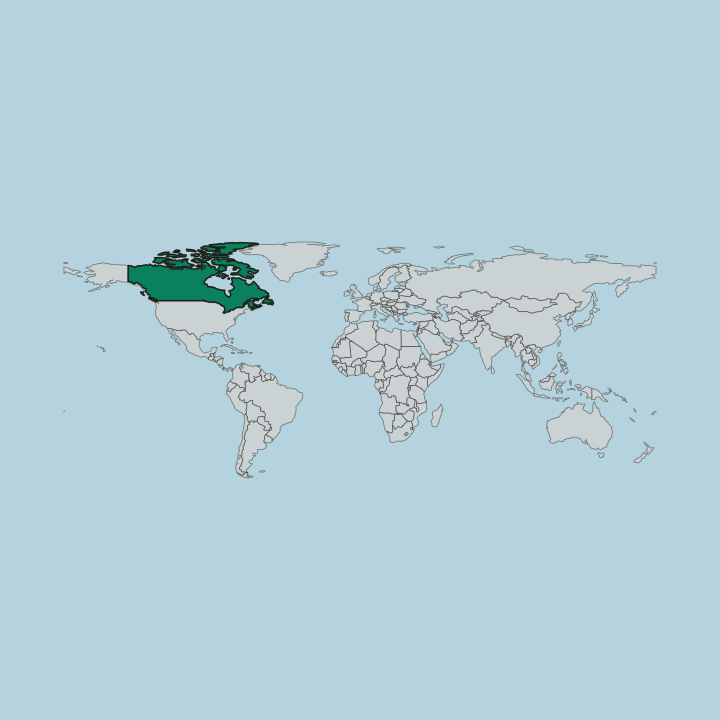
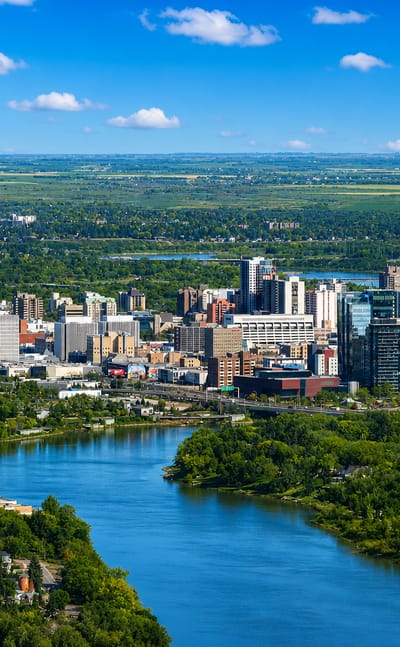
Saskatoon lies on the flat, open prairie of Saskatchewan, Canada, spread across roughly 171 square kilometres. The land runs level and wide. Riverbank grounds edge the built-up area, and Remai Modern stands near the water at the city's centre.
The plain gives the streets their broad, unbroken grid. This gently drained grassland shaped the layout of Saskatoon and the parks that thread between its avenues.
What is the climate of Saskatoon?
Saskatoon has a dry continental climate with sharp seasonal swings. Winters are long and bitterly cold. Summers turn warm and sunny over the open prairie of Saskatchewan, with mild stretches that draw walkers to the riverbank grounds near Remai Modern and the downtown squares.
The two shoulder seasons pass in a hurry. Snow lies across the flat grassland through the coldest months, and the prairie wind runs unbroken over the plain.
How do you get to Saskatoon?
Saskatoon sits on the open plain of Saskatchewan, Canada, reached by road, rail, and air. Highways cross the prairie. Rail service links the city to the wider Canadian network, and a regional airport lies a short drive from the centre.
Once in town, the flat and unbroken grid of streets makes Remai Modern, the Cathedral of St. George, and the Diefenbaker Centre easy to reach on foot or by a brief ride across the plain.
Common questions
What is the best area to stay in Saskatoon?
Saskatoon downtown: gallery days around Remai Modern. Diefenbaker campus edge: university stays near the Museum of Antiquities. Marr Residence heritage streets: history-minded stays by the Knox United Church.
Good for
Another city in Saskatchewan
Updated October 2026