Democratic Republic of the Congo · Kinshasa City
Where to Stay in Kinshasa, Kinshasa City
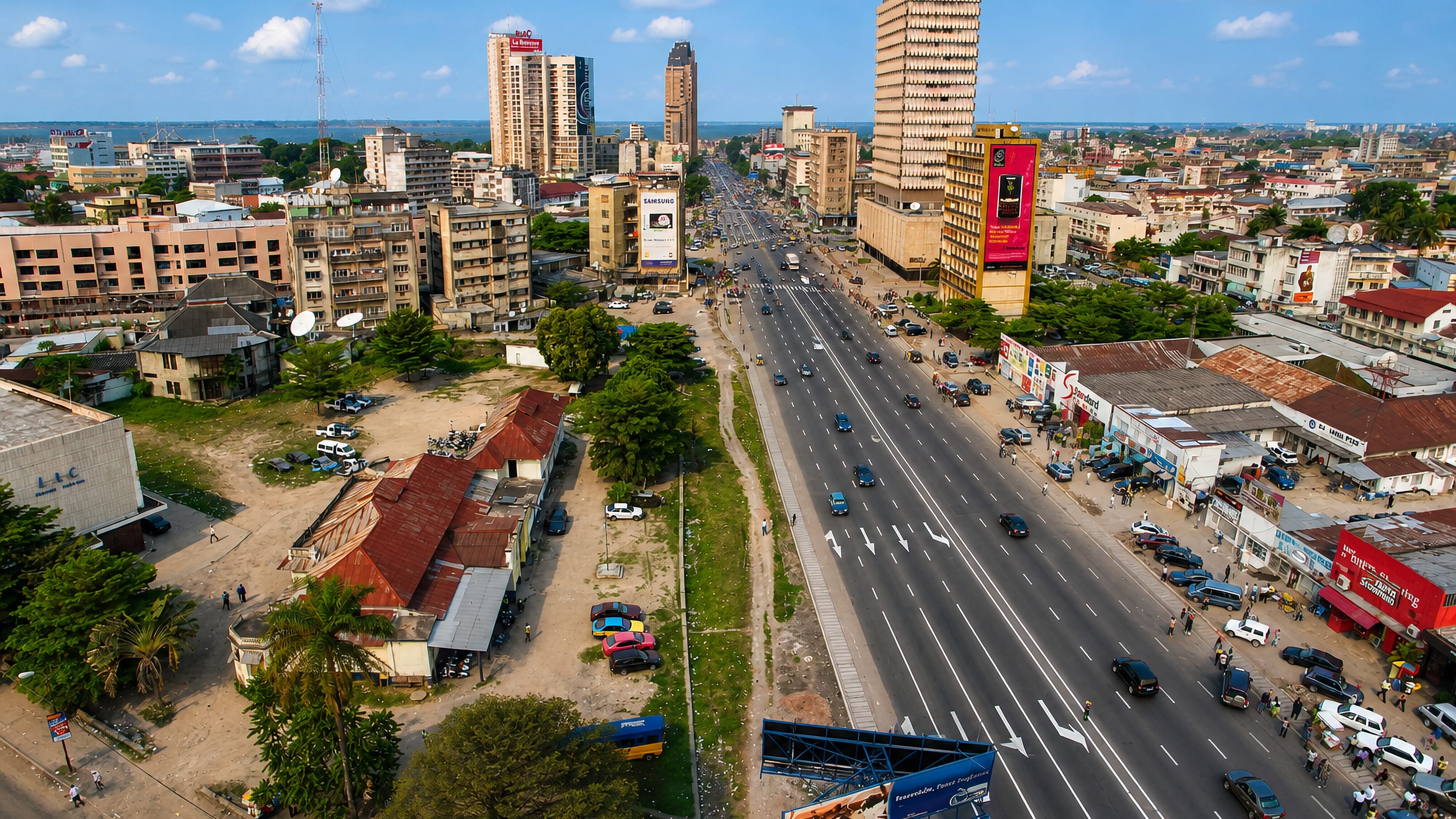
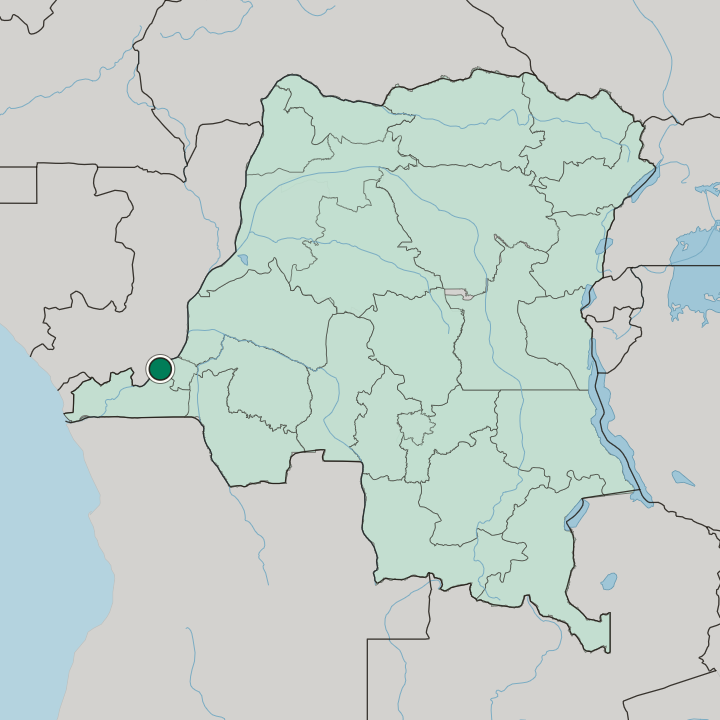
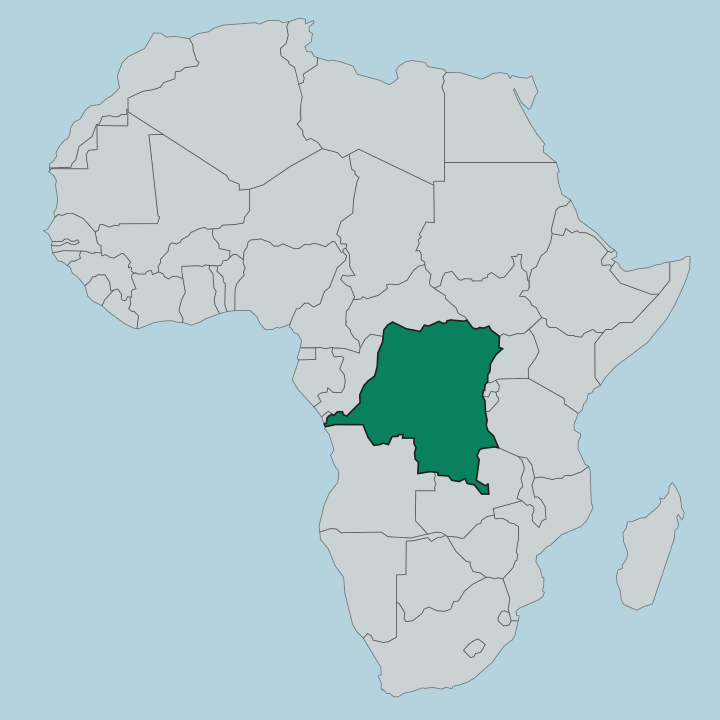
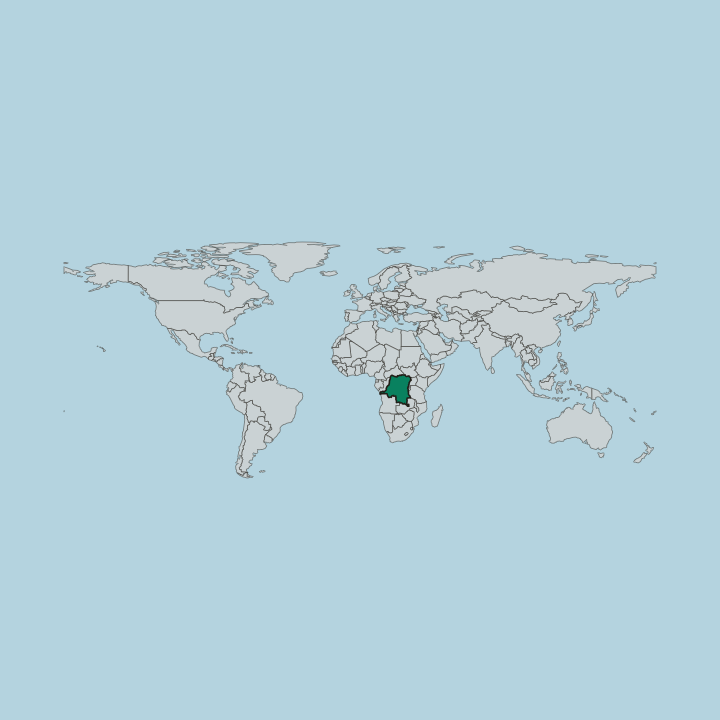
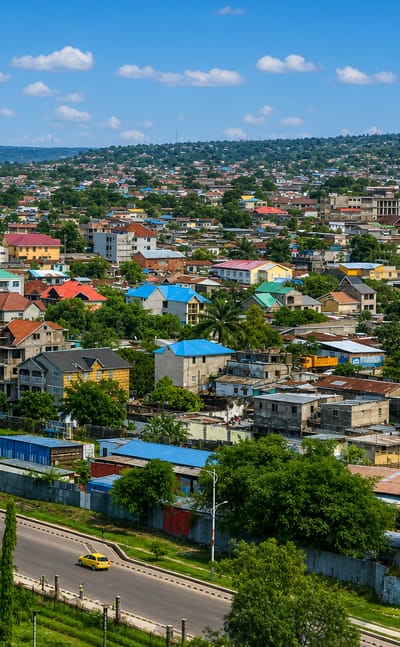
Kinshasa spreads along the south bank of the Congo River in the Democratic Republic of the Congo, the capital facing Brazzaville across the water.
Hotel links are affiliate links: booking through them may earn us a commission, at no extra cost to you. It never affects how places are ranked. How this works


Where to stay in Kinshasa
Not every neighbourhood fits every trip — here's what each one is good for.
 KinshasaDemocratic Republic of the Congo
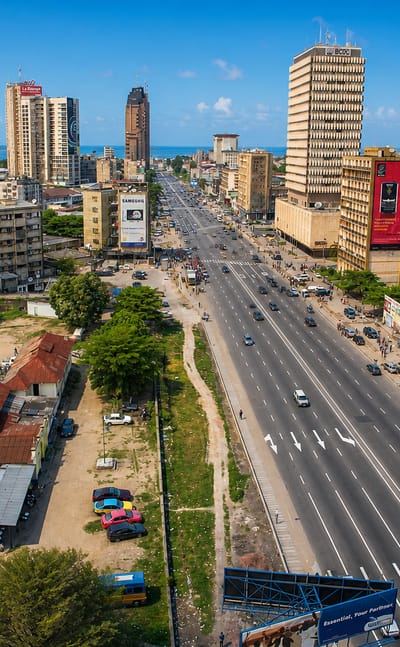
Limete
the avenues around the Tour de l'Échangeur de Limete set back from the river toward the Kinshasa Financial Center. Beds are limited here, so book early.Limete →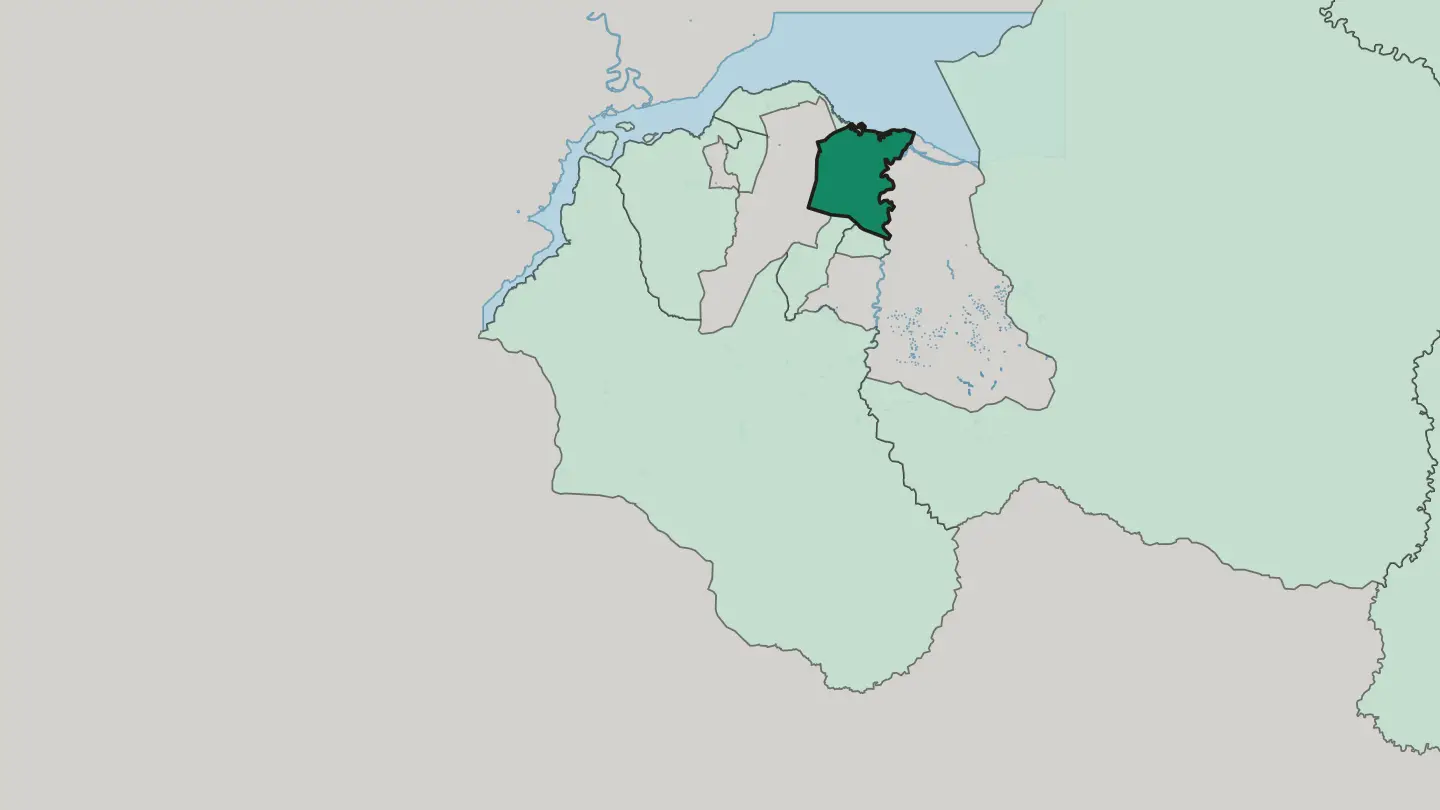
 KinshasaDemocratic Republic of the Congo
Gombe
Gombe is the central administrative and diplomatic district of Kinshasa, holding the Jardin zoologique de Kinshasa.Where to stay →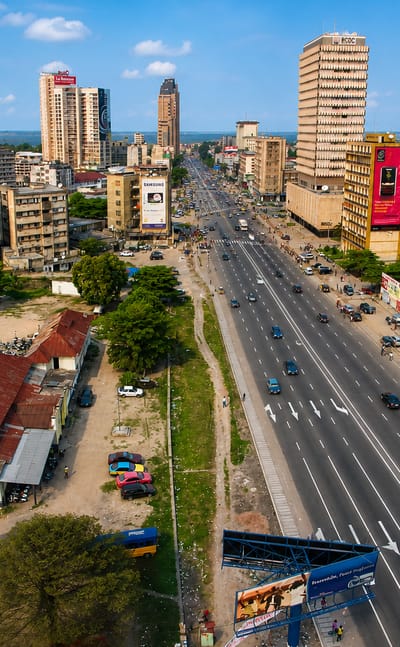 KinshasaDemocratic Republic of the Congo
Bandalungwa
Bandalungwa is a planned residential commune of Kinshasa, laid out in 1955 and known as the city's music quarter.Where to stay →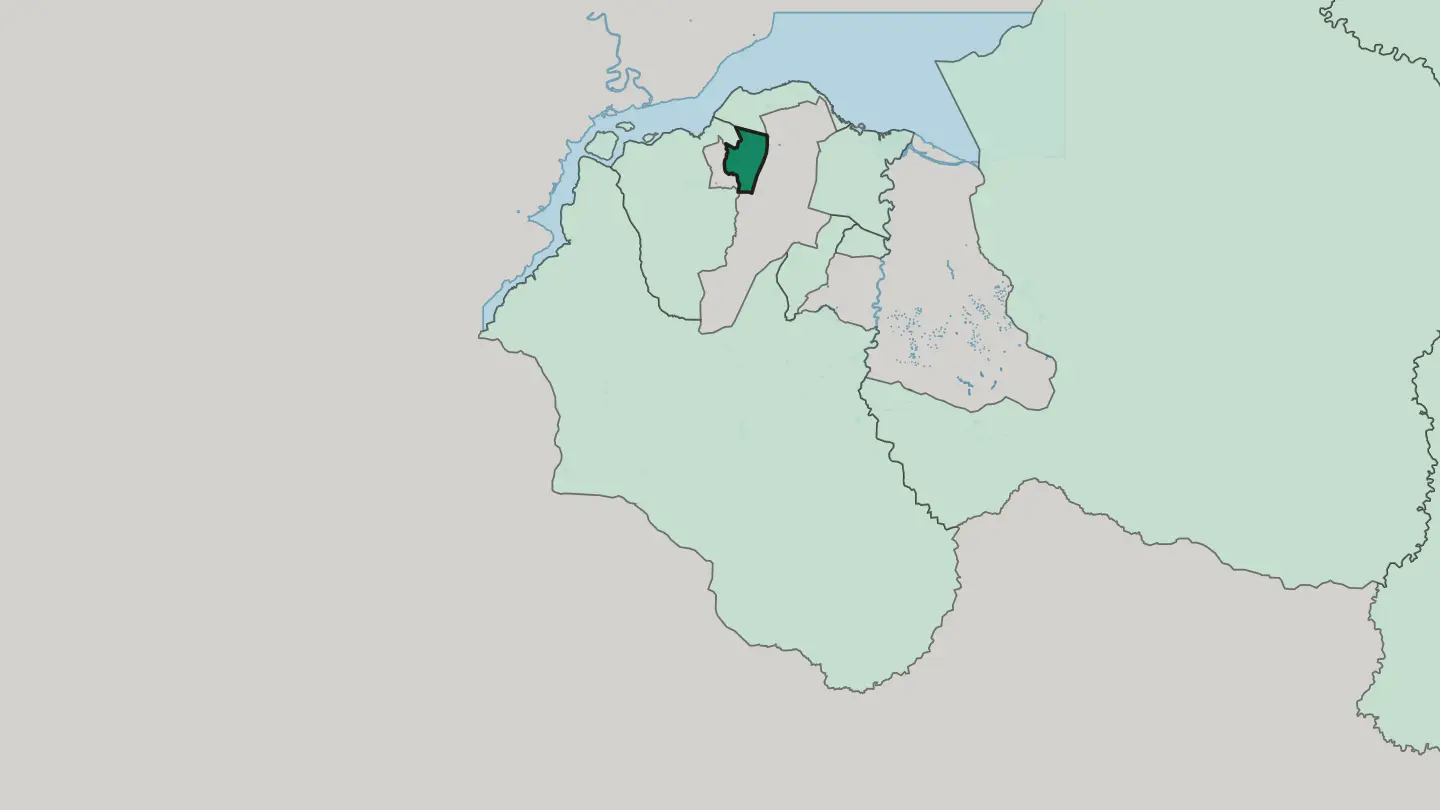
 KinshasaDemocratic Republic of the Congo
Ngaliema
Ngaliema is the western commune of Kinshasa, a leafy hillside district along the Congo River that holds the National Museum of Kinshasa.Where to stay →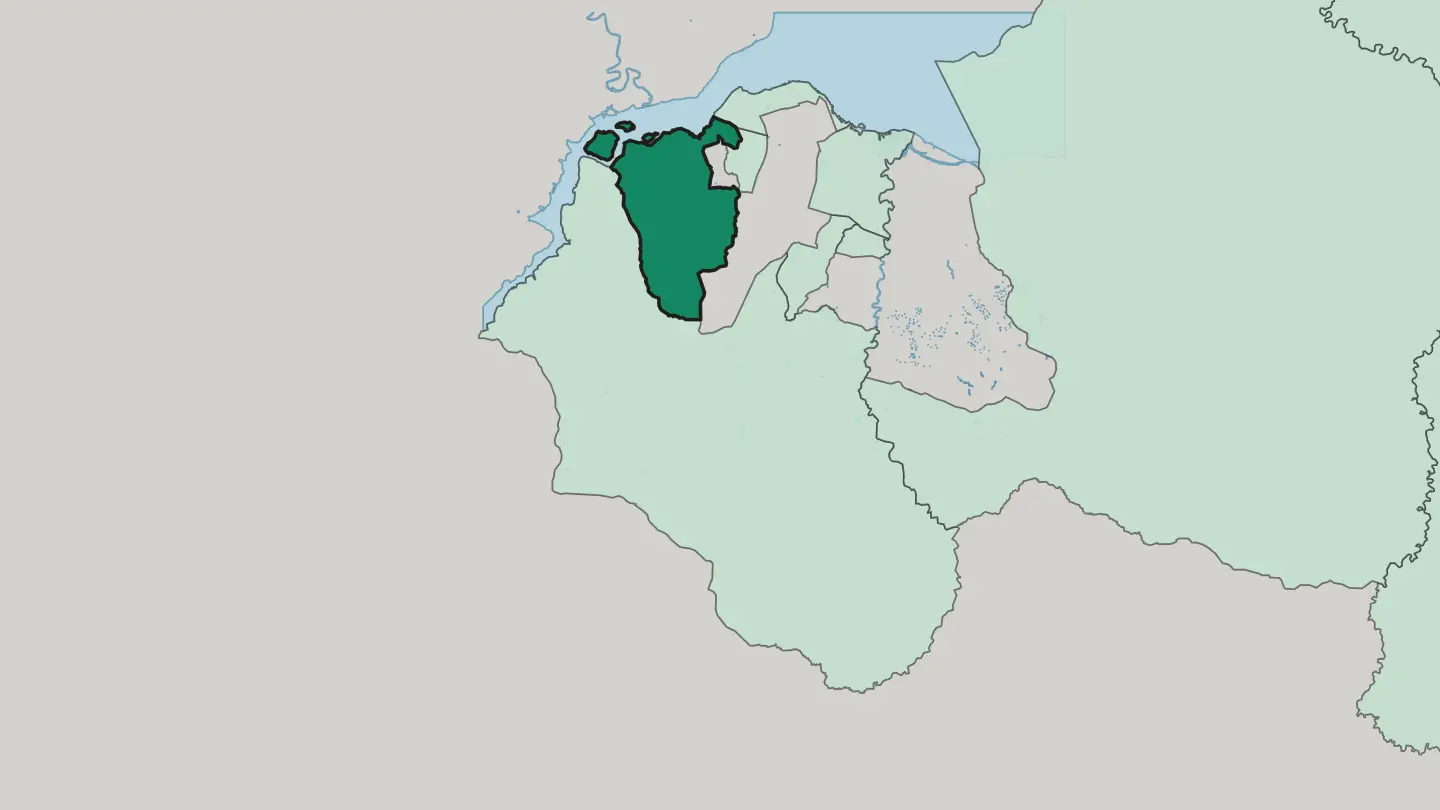
 KinshasaDemocratic Republic of the Congo
Lemba
Lemba is a southern commune of Kinshasa, the seat of the University of Kinshasa and its research campus.Where to stay →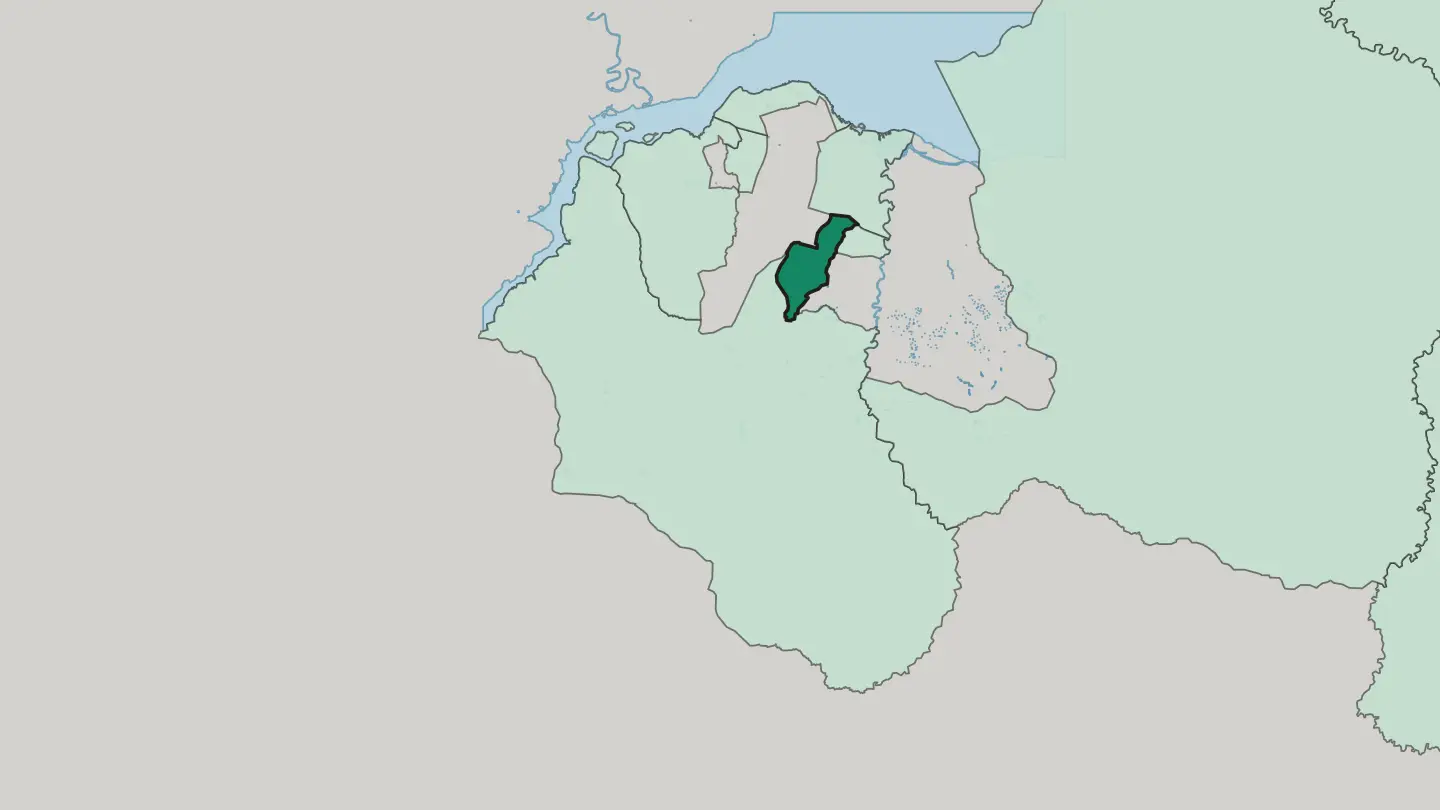 KinshasaDemocratic Republic of the Congo
Matete
Matete is a commune of Kinshasa, threaded by Boulevard Lumumba near the Tour de l'Échangeur de Limete.Where to stay →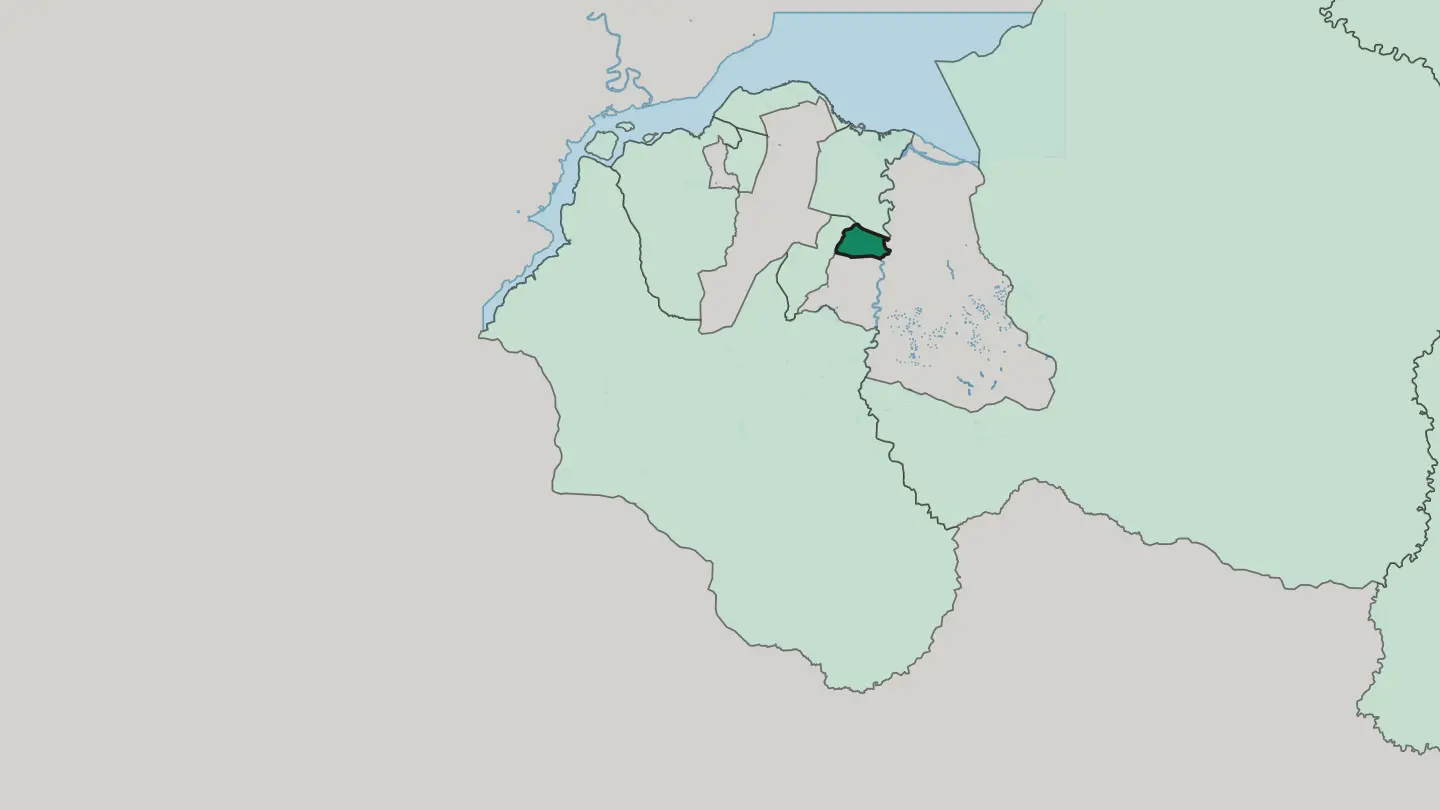 KinshasaDemocratic Republic of the Congo
Mont Ngafula
Mont Ngafula is a hilly commune of Kinshasa, Democratic Republic of the Congo, on the Lukaya River: Kimwenza, Petites Chutes de la Lukaya, Lola ya Bonobo.Where to stay →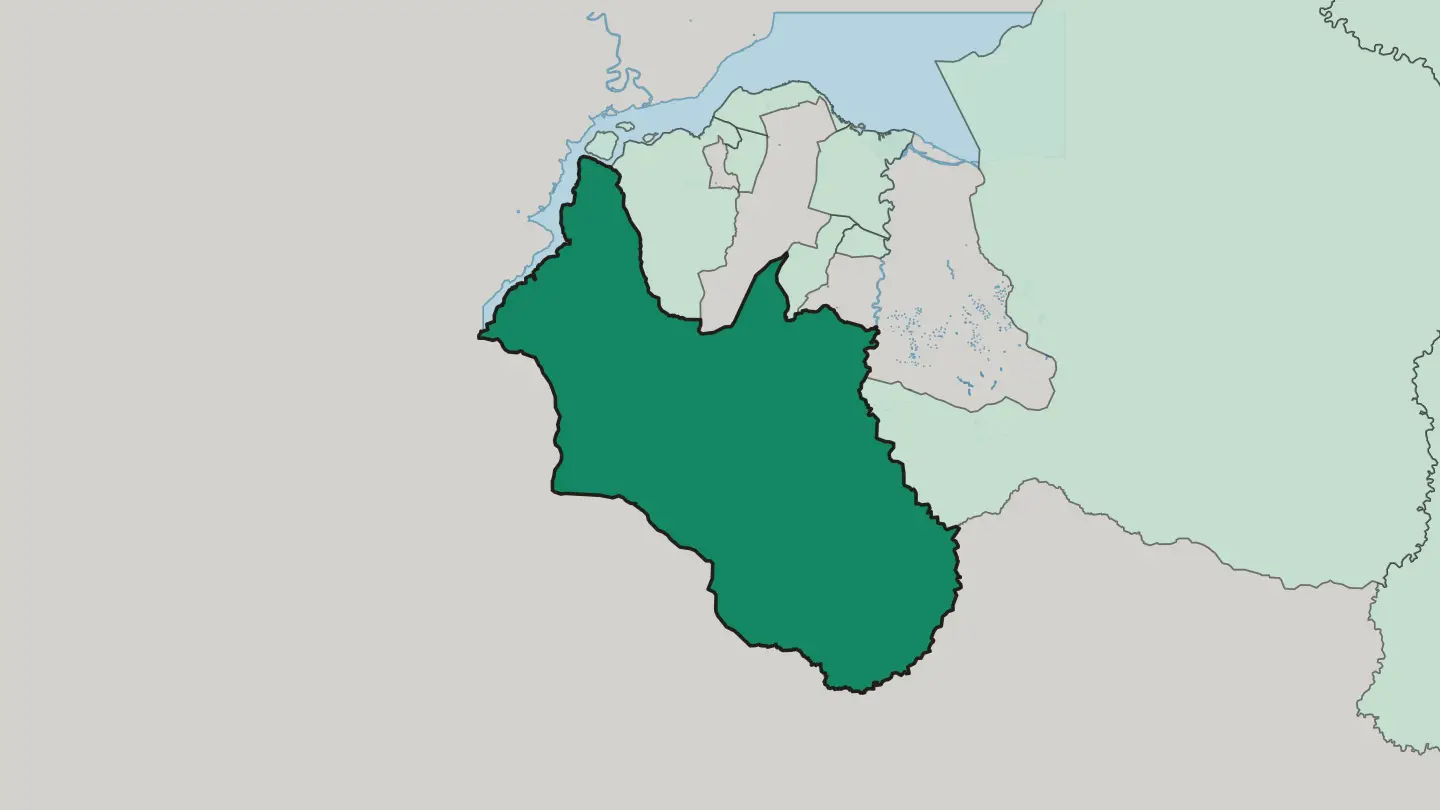 KinshasaDemocratic Republic of the Congo
Nsele
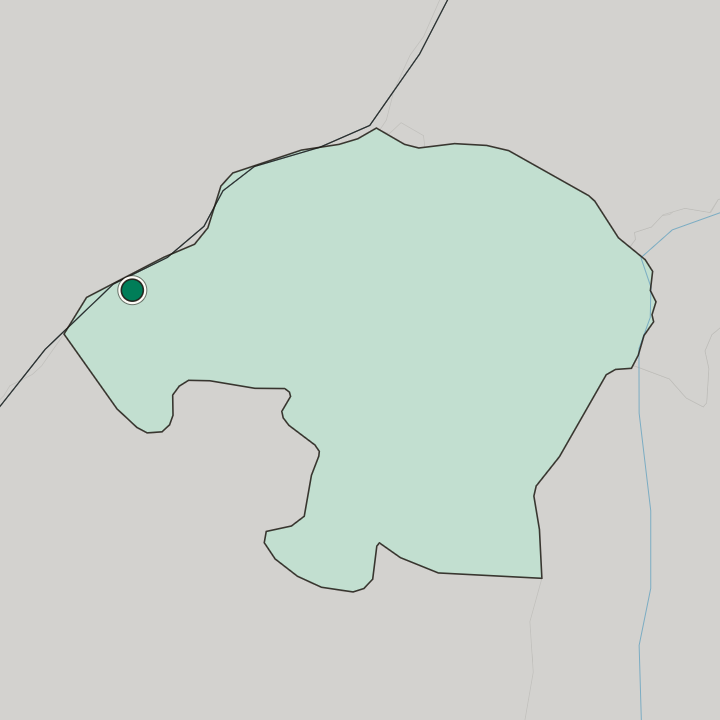
Nsele is the riverside commune east of Kinshasa, edged by the Nsele River and the Congo waters of Pool Malebo.Where to stay →KinshasaDemocratic Republic of the CongoMaluku
Maluku is Kinshasa's vast rural commune, a farm-and-forest expanse stretching along the Congo River far east of the city.Where to stay →Hotel links are affiliate links: booking through them may earn us a commission, at no extra cost to you. It never affects how places are ranked. How this works
Find hotels in Kinshasa
Direct booking search for this neighbourhood.
Hotel links are affiliate links: booking through them may earn us a commission, at no extra cost to you. It never affects how places are ranked. How this works
Things to do in Kinshasa
Ranked by global recognition; descriptions from Wikidata (CC0).
Museums & Galleries
3- National Museum of the Democratic Republic of Congo
- National Museum of Kinshasa
- National Museum of Kisangani
Churches & Religious Sites
1- église Saint-Pierre de Kinshasa
Castles & Historic Sites
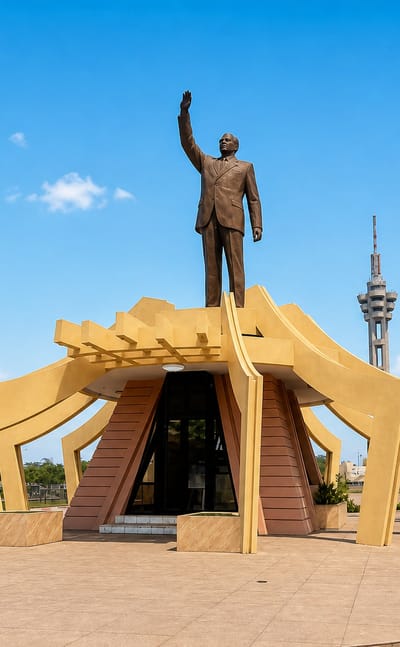
1- Statue of Laurent-Désiré Kabila
Landmarks & Notable Places
1- Tour de l'Échangeur de Limete
worth knowingacross 4 categories in Kinshasa
About Kinshasa
What is Kinshasa known for?
Kinshasa is known as the political and cultural heart of the Democratic Republic of the Congo, a capital of music, museums, and monuments on the Congo River. Its skyline gathers landmarks. The Tour de l'Échangeur de Limete rises over the city, the National Museum of the Democratic Republic of Congo holds the national collection, and the Statue of Laurent-Désiré Kabila stands among the civic set that faces Brazzaville across the river.
What are the main landmarks in Kinshasa?
Kinshasa turns on its museums and monuments. The National Museum of the Democratic Republic of Congo anchors the collection, joined by the National Museum of Kinshasa, the University Museum of Kinshasa, and the private galleries of Texaf Bilembo. Faith and civic power stand nearby.
The église Saint-Pierre de Kinshasa keeps its place among the churches, while the Tour de l'Échangeur de Limete and the Statue of Laurent-Désiré Kabila mark the modern capital of the Democratic Republic of the Congo.
What is the history of Kinshasa?
Kinshasa was founded in 1881 on the south bank of the wide Congo River, and for its first decades it carried the name Léopoldville. The settlement grew on the river across from Brazzaville, the town that would anchor the neighbouring Republic of the Congo. Two capitals faced each other.
Léopoldville took shape as an administrative seat on its own bank of the Congo River, gathering the offices, ministries, and institutions that a growing capital requires. In 1966 the city took the name Kinshasa, and it has served since as the capital and largest city of the Democratic Republic of the Congo. Its centre still holds the institutions of the state, clustered near the river.
The People's Palace, the Palace of the Nation, the Marble Palace, and Government House stand among the civic buildings, alongside the Constitutional Court, the Court of Cassation, and the Council of State. The Kinshasa Financial Center and African Union City mark the newer additions to the same national core, while the National Museum of the Democratic Republic of Congo keeps the record of the country. Power still gathers there.
Where is Kinshasa?
Kinshasa lies on the south bank of the Congo River in the Democratic Republic of the Congo. The Congo shapes everything here. Directly across the wide water sits Brazzaville, the capital of the Republic of the Congo, so that two national capitals stand within sight of each other across the Congo River.
The city spreads back from the river in a broad sweep, reaching inland toward Limete and the Tour de l'Échangeur de Limete.
What is the climate of Kinshasa?
Kinshasa holds a tropical climate on the Congo River. Heat stays year-round. The capital of the Democratic Republic of the Congo runs hot and humid through the year, with warm rains giving way to drier, hazier spells and no cold season to break the calendar beside Brazzaville.
How do you get to Kinshasa?
Kinshasa is the main point of arrival for the Democratic Republic of the Congo, reached as the country's capital on the Congo River. Most arrivals fly in. From the water, boats cross the wide Congo River between the city and Brazzaville, the capital of the Republic of the Congo on the far bank, while roads run inland from the riverside core toward Limete and the outer reaches of the capital.
Common questions
What is the best area to stay in Kinshasa?
The riverside government core: first-time visitors who want the capital's museums and state buildings on the water. Limete: travellers who want the monumental, inland face of Kinshasa.
Good for
Updated October 2026