Democratic Republic of the Congo · Kinshasa City · Kinshasa
Bandalungwa, Kinshasa — Area Guide & Where to Stay
Bandalungwa is a planned residential commune of Kinshasa, laid out in 1955 and known as the city's music quarter.
Hotel links are affiliate links: booking through them may earn us a commission, at no extra cost to you. It never affects how places are ranked. How this works


Map data © OpenStreetMap contributors
Where to stay in Bandalungwa
The practical side of choosing where to sleep.
Bandalungwa keeps no hotel row. Most beds are modest guesthouses, and where you settle depends on why you came. Along Kasa-Vubu Avenue the traffic runs toward central Kinshasa, and rooms near it keep the Lumumba market and the taxi-buses within easy reach.
Choose the Makelele quarter instead and you wake beside the Kinshasound studio, in the streets that gave the commune its name as a music hub of rumba and soukous. The Adoula and Bisengo quarters are quieter still, laid out on the calm grid of the original estate, set back from the Makelele River that edges the commune to the west. Book ahead.
Find hotels in Bandalungwa
Direct booking searches for these neighbourhoods.
Along Kasa-Vubu Avenue
Kasa-Vubu Avenue carries the through-traffic toward central Kinshasa, and the guesthouses strung along it put taxi-buses and the Lumumba market within a short walk. Beds are limited here, so book early.Find hotels in Along Kasa-Vubu Avenuethe recording scene around KinshasoundThe Makelele quarter
Makelele holds the Kinshasound studio and the commune's recording life, so rooms here suit anyone drawn by the rumba and soukous that made Bandalungwa famous. Lodging is scarce in this area; reserve in advance.Find hotels in The Makelele quartera quiet base in the old estate gridThe Adoula and Bisengo streets
The Adoula and Bisengo quarters keep the quiet grid of the original 1955 estate, a calmer base set back from the Makelele River than the market end of the commune. Lodging is scarce in this area; reserve in advance.Find hotels in The Adoula and Bisengo streetsHotel links are affiliate links: booking through them may earn us a commission, at no extra cost to you. It never affects how places are ranked. How this works
About Bandalungwa
What are the main landmarks in Bandalungwa?
The music is the landmark here. The Kinshasound studio in the Makelele quarter anchors a commune long tied to Congolese rumba and soukous, home ground to artists such as Fally Ipupa and King Kester Emeneya. Faith left older marks.
The Saint-Michel parish and the Saint-Charles Luanga parish rose with the estate in its first years, and on Kimbondo Avenue the tomb of the Teke chief Lungwal recalls the name the commune carries. Sport draws crowds too. The Bandalungwa-Kintambo Sports Complex sits at the edge toward Kintambo, and the Lumumba market keeps the everyday trade of the streets around it.
What is the history of Bandalungwa?
The estate came first. Belgian colonial planners laid out Bandalungwa in 1955 as an ordered residential quarter of Kinshasa for civil servants and teachers, and its grid of Adoula, Bisengo, and Makelele streets still follows that plan. Churches came with it.
Saint-Michel parish opened in the founding year and the Saint-Charles Luanga parish a few years after, giving the young quarter its early anchors. Its name reaches further back, to the Teke chief Lungwal whose tomb lies on Kimbondo Avenue. Then the music arrived.
Studios and singers settled the streets around Makelele, and the commune grew into the recording heart of Kinshasa that produced figures such as King Kester Emeneya.
Where is Bandalungwa?
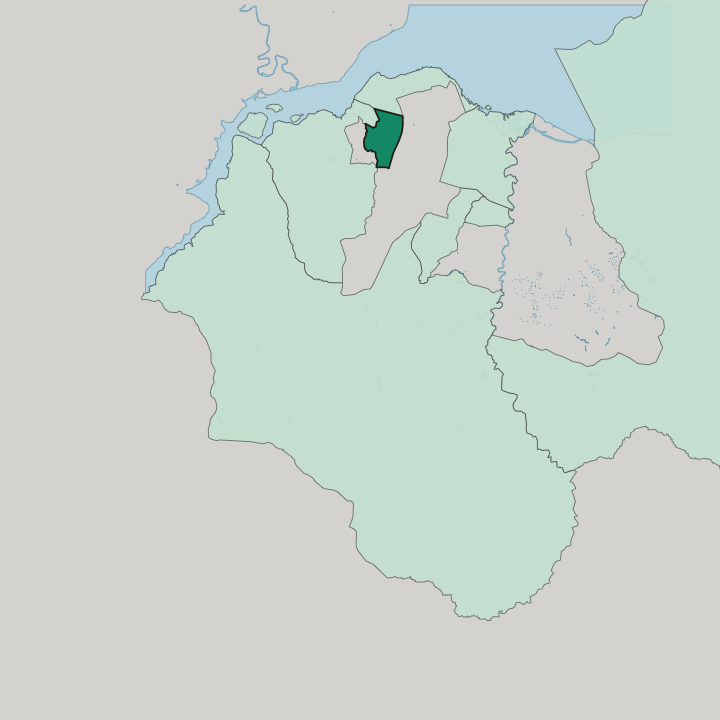
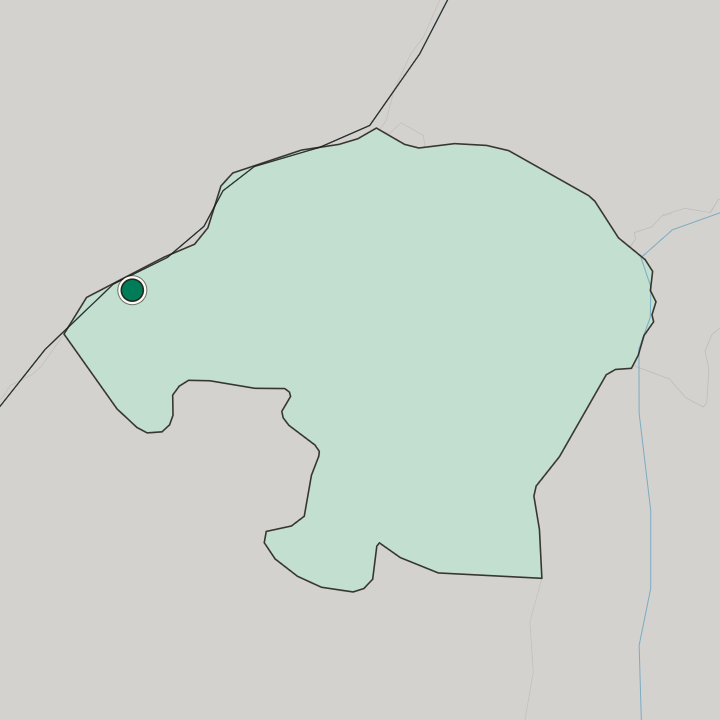
Bandalungwa lies on the low central ground of Kinshasa in a tropical belt, its planned grid running between the Makelele River to the west and the neighbouring commune of Kasa-Vubu.
Common questions
What is the best area to stay in Bandalungwa?
Along Kasa-Vubu Avenue: quick taxi-bus links down Kasa-Vubu Avenue. The Makelele quarter: the recording scene around Kinshasound. The Adoula and Bisengo streets: a quiet base in the old estate grid.
More areas in Kinshasa
Updated September 2026