Democratic Republic of the Congo · Kinshasa City · Kinshasa
Maluku, Kinshasa — Area Guide & Where to Stay
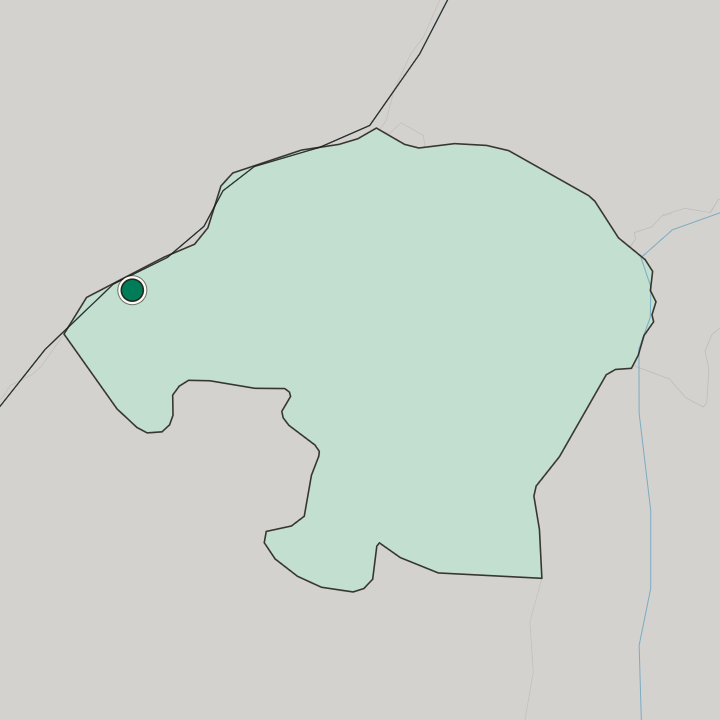
Maluku is Kinshasa's vast rural commune, a farm-and-forest expanse stretching along the Congo River far east of the city.
Hotel links are affiliate links: booking through them may earn us a commission, at no extra cost to you. It never affects how places are ranked. How this works


Where to stay in Maluku
Where the beds are, and what that means for the visit.
Lodging thins out here. Maluku spreads across a vast reach of savanna and gallery forest, so most beds sit in the riverside centre near the Congo River rather than scattered through the farmland that fills the rest of the commune. Choose your ground by whether you want the river, the reserve or the outer quarters.
Find hotels in Maluku
Direct booking searches for these neighbourhoods.
The riverside centre
The commune's core of markets and jetties strung along the Congo River, where most of Maluku's few rooms and traders gather.Find hotels in The riverside centreVisitors with business in one of the commune's outlying quarters, such as Mbankana or Kimpoko.The outer quarters
Maluku officially counts nineteen administrative quarters, thirty-one by local reckoning, in a commune that lies 50 km from the centre of Kinshasa.Find hotels in The outer quartersNaturalists heading for the reserve's primates, elephants, and birdlife over the city bustle.Toward the Nsele Wildlife Reserve
The green western approach where farmland gives way to the Nsele Wildlife Reserve and its river-valley bush.Find hotels in Toward the Nsele Wildlife ReserveHotel links are affiliate links: booking through them may earn us a commission, at no extra cost to you. It never affects how places are ranked. How this works
About Maluku
What are the main landmarks in Maluku?
The Nsele Wildlife Reserve is the great draw, a valley park of gallery forest sheltering primates, African bush elephants, hippopotamus, and birds along the Nsele. Industry had a brief turn. A major steelworks once worked here, and the commune now hosts the eco-city of Esepelisa.
What is the history of Maluku?
Maluku was created as a commune by ordinance-law in early 1968, and it stays the rural reach of Kinshasa: 79% of the city-province's land but only 4% of its people. Industry came and went. A major steelworks operated here, with cold processing from 1974 to 1976 and hot processing in 1980.
The Téké, the first people of the region, are found here more than in any other commune, and the name comes from liluku, a giant mangrove that grows along the Mongala river.
Where is Maluku?
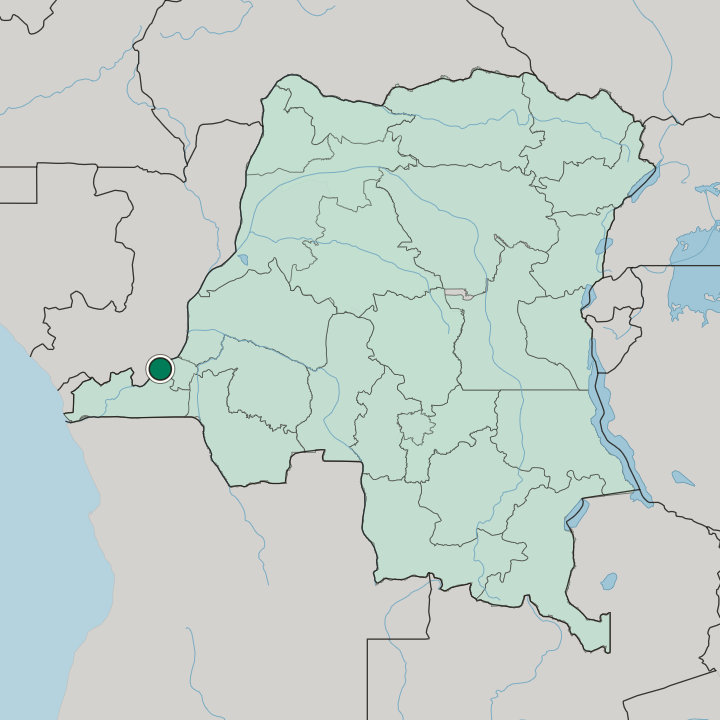
Maluku is the eastern rural commune of Kinshasa, a tropical sweep of savanna and gallery forest along the Congo River, drained by the Nsele and covering most of the city's land.
Common questions
What is the best area to stay in Maluku?
The riverside centre: Travellers who want boats, fish markets, and the pulse of the river town at the door.. The outer quarters: Visitors with business in one of the commune's outlying quarters, such as Mbankana or Kimpoko.. Toward the Nsele Wildlife Reserve: Naturalists heading for the reserve's primates, elephants, and birdlife over the city bustle..
Good for
More areas in Kinshasa
Updated October 2026