Democratic Republic of the Congo
Kinshasa City, Democratic Republic of the Congo — Towns & Travel Guide
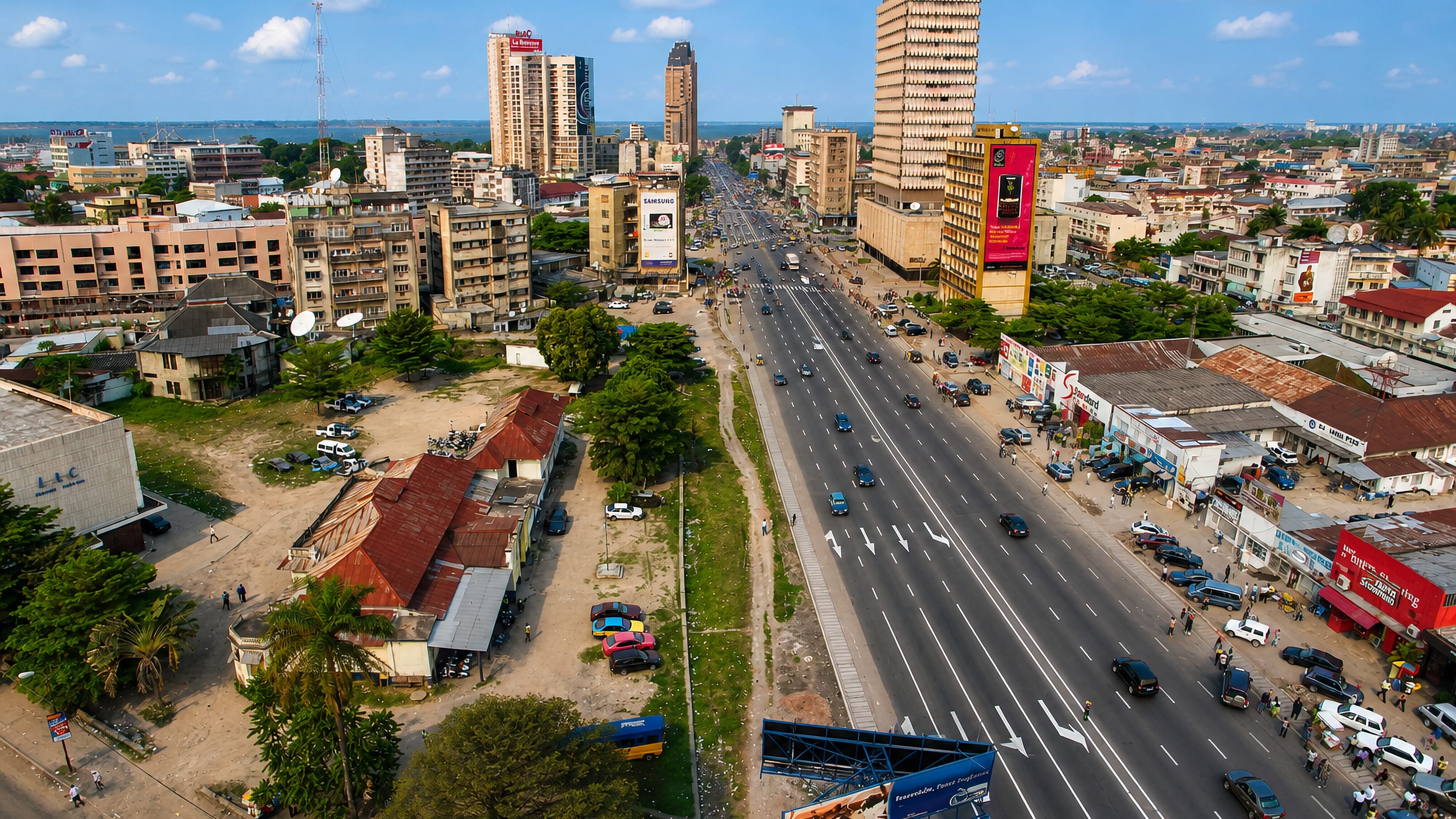
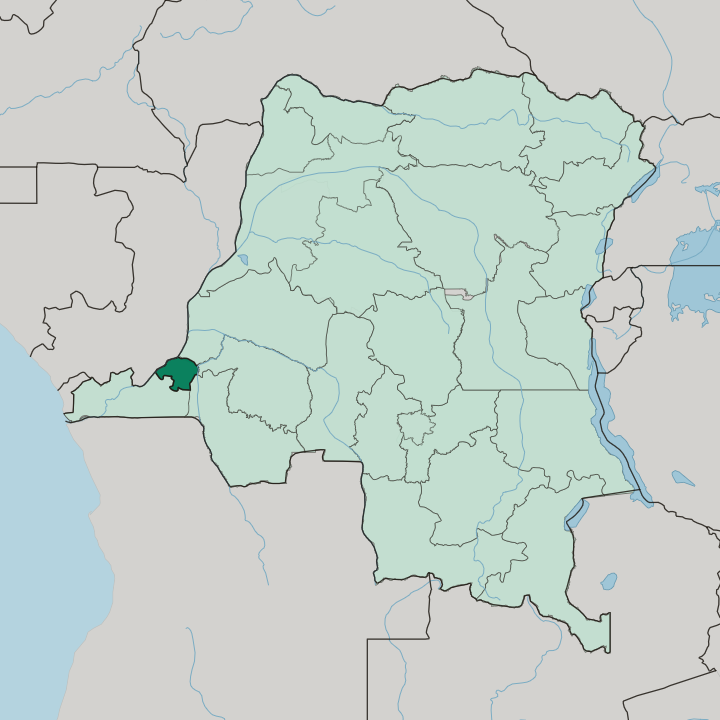
Kinshasa City is a commune in the Lukunga District of Kinshasa, in the Democratic Republic of the Congo, bordering Gombe and Kinshasa Zoological Garden.
Hotel links are affiliate links: booking through them may earn us a commission, at no extra cost to you. It never affects how places are ranked. How this works


Towns & cities in Kinshasa City
One town here has its own guide — it links to where to stay.
 Democratic Republic of the Congo
Kinshasa
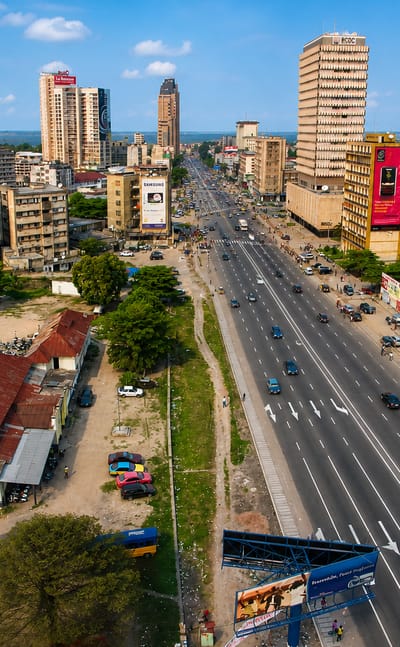
Kinshasa spreads along the south bank of the Congo River in the Democratic Republic of the Congo, the capital facing Brazzaville across the water.Where to stay →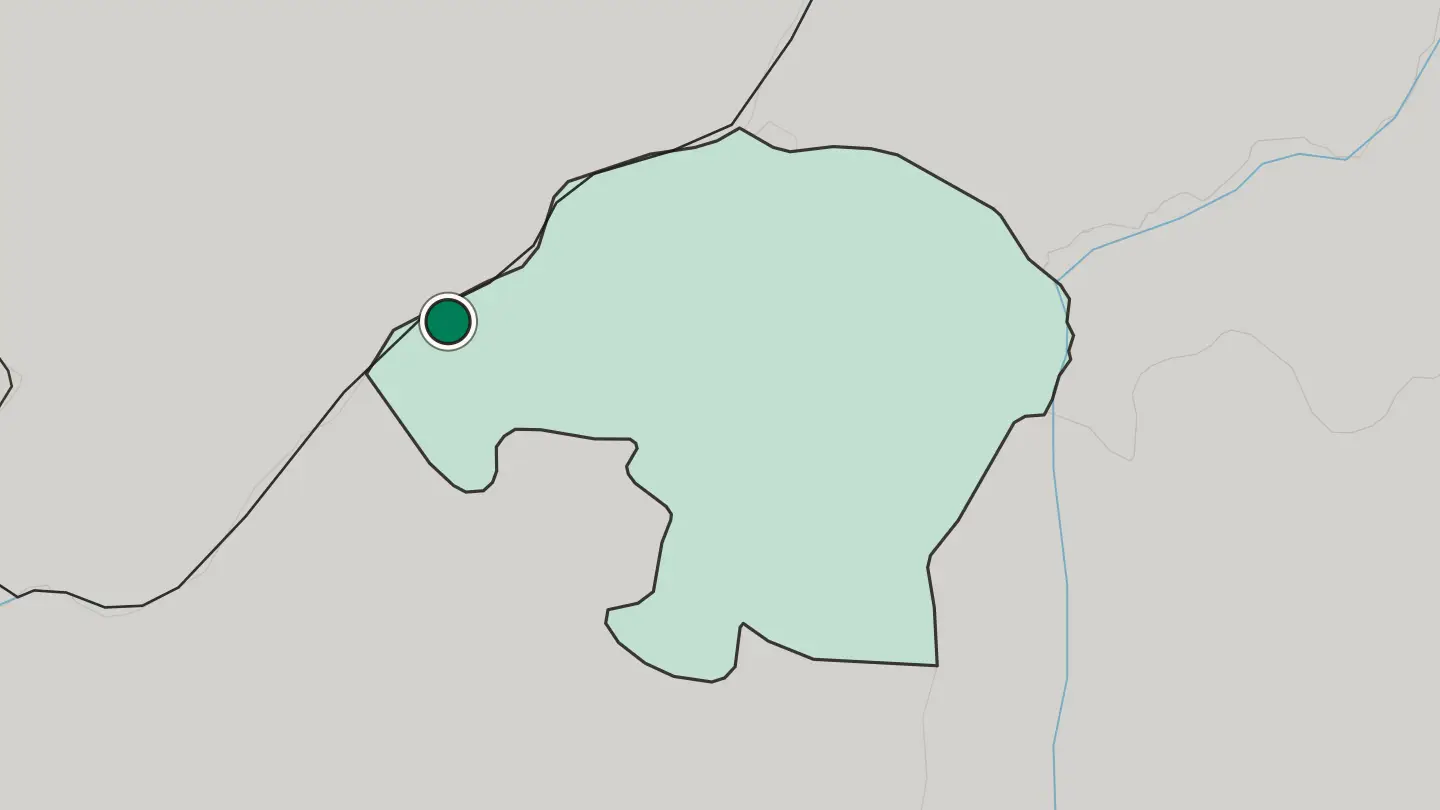
Hotel links are affiliate links: booking through them may earn us a commission, at no extra cost to you. It never affects how places are ranked. How this works
About Kinshasa City
What is Kinshasa City known for?
Kinshasa City is best known as the commune of Kinshasa itself, the namesake quarter of the capital set within the Lukunga District. Avenues define it. Boulevard du 30 Juin runs through neighbouring Gombe just to the north, while the bordering streets reach out toward Kalamu, Lingwala, and Barumbu across this corner of the Democratic Republic of the Congo.
Where is Kinshasa City?
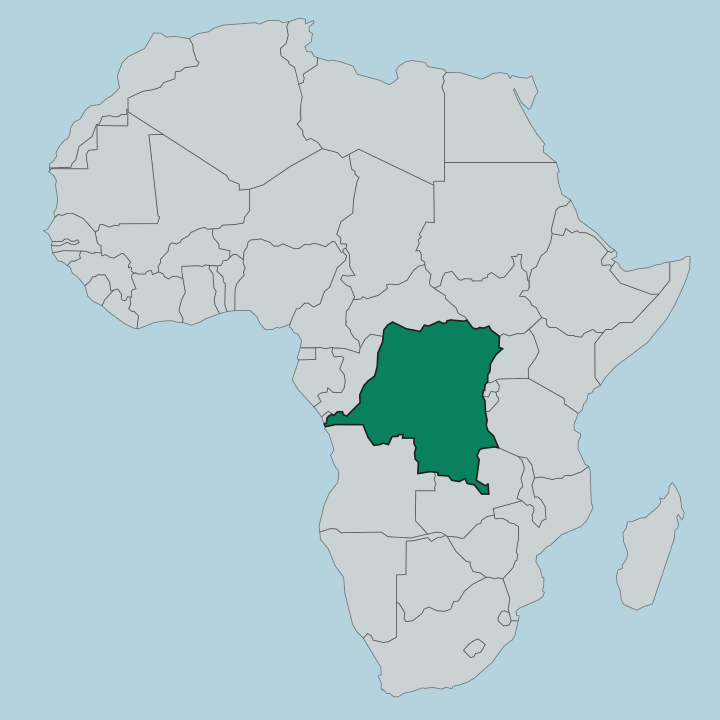
Kinshasa City occupies a compact block of ground in the Lukunga District, in the western part of the Democratic Republic of the Congo. The commune is small. It sits in the northern section of the wider capital, and its four edges are drawn by named city streets rather than by any river, ridge, or coastline.
To the north lies the Kinshasa Zoological Garden, a green edge that closes the commune off from the ground beyond. Past the garden stands the neighbouring commune of Gombe, through which runs Boulevard du 30 Juin, the major thoroughfare of the capital. The other three sides meet neighbouring communes along single avenues.
Funa Avenue divides Kinshasa City from Kalamu to the south. To the east, Oil Mill Avenue marks the boundary with Lingwala, and to the west Luambo Makiadi Avenue closes the edge against Barumbu. Each of these communes belongs to the same city-province, so the borders here are lines on the map of a dense capital rather than gaps in the built ground.
These avenues, more than any natural feature, give the commune its shape and set it firmly within the fabric of Kinshasa.
What is Kinshasa City like?
Kinshasa City carries its culture in its street names, in its shared institutions, and in its closeness to the rest of the capital. The avenues that bound and cross the commune take their names from the public life of the Democratic Republic of the Congo, among them Boulevard du 30 Juin and Luambo Makiadi Avenue, and the everyday routes through the quarter run beneath them. French is the working language here, as it is across the capital.
It runs through the offices and markets of the Lukunga District. Beyond its own streets, the commune shares the culture of the communes around it. On the northern boundary, the Kinshasa Zoological Garden offers a green civic space open to the wider city.
Gombe sits just to the north along Boulevard du 30 Juin, the principal thoroughfare of the capital, while Kalamu, Lingwala, and Barumbu crowd against the southern, eastern, and western edges. Life spills between them. The identity of Kinshasa City is not a thing set apart but a small, dense piece of the sociable capital that presses in on it from every side.
What is the history of Kinshasa City?
Kinshasa City is the commune of Kinshasa within the city-province of the same name, set in the Lukunga District. Its shape has long been fixed by the avenues that bound it, from Boulevard du 30 Juin in the north through Funa Avenue in the south to Luambo Makiadi Avenue in the west. The lines held.
As the capital of the Democratic Republic of the Congo spread outward, this commune stayed a small, tightly drawn quarter beside the wider centre of Gombe.
What is the climate of Kinshasa City?
Kinshasa City shares the tropical climate of the surrounding capital. Warmth holds year-round. In the northern section of Kinshasa, in the Democratic Republic of the Congo, the commune sees hot and humid days across the seasons, with no cold winter to break the year and little change from one avenue of the Lukunga District to the next.
How do you get to Kinshasa City?
Kinshasa City is reached through the streets of the capital rather than by any line of its own. Boulevard du 30 Juin, the major thoroughfare running down through Gombe to the north, is the main approach, and from it Funa Avenue, Oil Mill Avenue, and Luambo Makiadi Avenue lead in from Kalamu, Lingwala, and Barumbu on the other three sides. Those avenues are the only way in.
Once inside the Lukunga District, the compact commune is easily crossed on foot.
Common questions
What is the best area to stay in Kinshasa City?
The Boulevard du 30 Juin corridor: visitors who want the administrative centre of Kinshasa within reach of the commune.
More regions in Democratic Republic of the Congo
Updated September 2026