
China · Guangxi Zhuang Autonomous Region
Where to Stay in Guilin, Guangxi Zhuang Autonomous Region
Guilin is a city in Guangxi, southern China, famous for the karst peaks that rise along the Li River around its old streets.
Hotel links are affiliate links: booking through them may earn us a commission, at no extra cost to you. It never affects how places are ranked. How this works


Where to stay in Guilin
Where visitors usually base themselves, and why.
Where you stay in Guilin turns on the city or the river. The centre, near the Jingjiang Princes' City and the central lakes, puts the parks, the caves, and the night markets within reach, and it suits anyone here for the city's own sights. The lakeside lights up after dark.
Rooms cluster along the old streets and the water. Along the Li River, the outskirts open toward the finest karst. A room by the river trades the city bustle for peaks, mist, and the boats that drift downstream, better for the scenery than the centre.
The hills stand close from here. If you want the parks and the palace, stay in the city; if you want the karst, take a room by the Li River. Either way, the peaks are never out of sight.
Find hotels in Guilin
Direct booking searches for these neighbourhoods.
City centre
Around the Jingjiang Princes' City and the central lakes, near the Seven-Star Cave and the riverFind hotels in City centreStays wanting the karst peaks and the river cruisesLi River outskirts
Along the Li River toward the finest karst, with peaks and boat trips at the doorFind hotels in Li River outskirtsHotel links are affiliate links: booking through them may earn us a commission, at no extra cost to you. It never affects how places are ranked. How this works
Things to do in Guilin
Ranked by global recognition; descriptions from Wikidata (CC0).
Museums & Galleries
1- Guihai Forest of Steles Museum
Churches & Religious Sites
1- Guilin Christian Church
Castles & Historic Sites
1- Zengpiyan Heritage
Landmarks & Notable Places
3- Former Guangxi Provincial Art Museum Heritage
- 奎光楼 Heritage
- 救亡日报社旧址 Heritage
worth knowingacross 4 categories in Guilin
About Guilin
Guilin is set among the karst hills of the Li River.
What is Guilin known for?
Sheer limestone peaks rise straight from the plain around the city, the scenery that draws travellers from across China and beyond, and the river winds south between them past caves and cliffs. Jingjiang Princes' City holds the old Ming palace. The hills are the heart of the whole place.
What are the main landmarks in Guilin?
The karst peaks are Guilin's greatest sight. The Li River winds between them past caves like the Seven-Star Cave, hollowed deep into the limestone, while the walls of the Jingjiang Princes' City enclose the old Ming palace and Solitary Beauty Peak. Stone holds the city's memory.
The Guihai Forest of Steles gathers the carved records, and the ancient Lingqu canal still runs through the hills to the north.
What is the history of Guilin?
People have lived among these hills for ten thousand years. The prehistoric cave at Zengpiyan holds the traces of the earliest of them, hunters and fishers of the karst valleys. In the Qin dynasty, engineers cut the Lingqu, a canal that joined the great river systems of China and made Guilin a crossroads of the south.
Trade moved through the gap. Armies followed the same road for centuries. In stone and carved inscription, the city rose to its height.
The Ming princes built their walled palace, the Jingjiang Princes' City, at the foot of Solitary Beauty Peak, and generations of scholars carved poems and records into the cliffs, gathered in the Guihai Forest of Steles. Old city walls still stand in stretches. Seven-Star Cave and the other grottoes drew visitors even in imperial times.
In the modern age, leaders like Li Zongren kept homes here, and their residences survive among the streets. The peaks watched over every age of the town.
Where is Guilin?
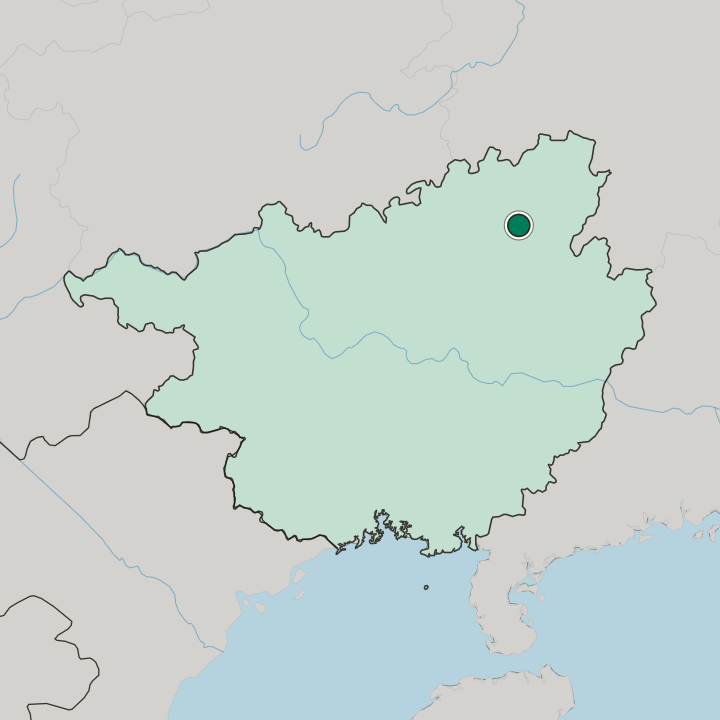
Karst towers ring Guilin on every side. The city spreads along the Li River in the northeast of Guangxi, where thousands of steep limestone hills rise from the flat green plain, hollowed with caves and pierced by the river. Rice paddies fill the ground between.
The strange hills shape the whole land.
What is the climate of Guilin?
Guilin lies in the warm, wet south of China. Long humid summers bring heavy rain to the hills, and the winters stay short and mild, with mist often hanging among the peaks. Spring floods the river and the paddies.
The damp keeps the karst green all year.
How do you get to Guilin?
Trains and planes reach Guilin from across China. Fast rail lines and an international airport link the city to the far cities of the country, and roads run out to the villages of the karst, while boats drift down the Li River between the hills. The hills begin at the edge of town.
Most arrive by rail or air, for the river and the peaks.
Common questions
What is the best area to stay in Guilin?
City centre: Visitors here for the palace, parks, caves, and night markets. Li River outskirts: Stays wanting the karst peaks and the river cruises.
Good for
More cities in Guangxi Zhuang Autonomous Region
Updated September 2026