China · Guangxi Zhuang Autonomous Region
Where to Stay in Nanning, Guangxi Zhuang Autonomous Region
Nanning is a city of southern China, the capital of Guangxi and the Zhuang people, a green subtropical city on the Yong river near the Vietnam border.
Hotel links are affiliate links: booking through them may earn us a commission, at no extra cost to you. It never affects how places are ranked. How this works


Where to stay in Nanning
Where the beds are, and what that means for the visit.
Where you stay in Nanning turns on the river or the parks. The streets along the Yong keep the riverfront, the markets, and the museum within a walk, and staying downtown suits anyone here for the city. The green river runs below.
Banyans shade the avenues. Out toward Qingxiu and the border, the city gives way to the hill parks, the karst country, and the road to the Detian falls. A room out of town trades the streets for the green hills, the quiet parks, and the road to the Vietnam border.
The south runs green for miles. Stay downtown for the city, or out for the falls. The green city sits on the Yong river.
Find hotels in Nanning
Direct booking searches for these neighbourhoods.
The riverfront
Along the YongFind hotels in The riverfrontStays wanting the Detian falls and hillsToward the border
Out toward QingxiuFind hotels in Toward the borderHotel links are affiliate links: booking through them may earn us a commission, at no extra cost to you. It never affects how places are ranked. How this works
About Nanning
Nanning is the Green City of Guangxi.
What is Nanning known for?
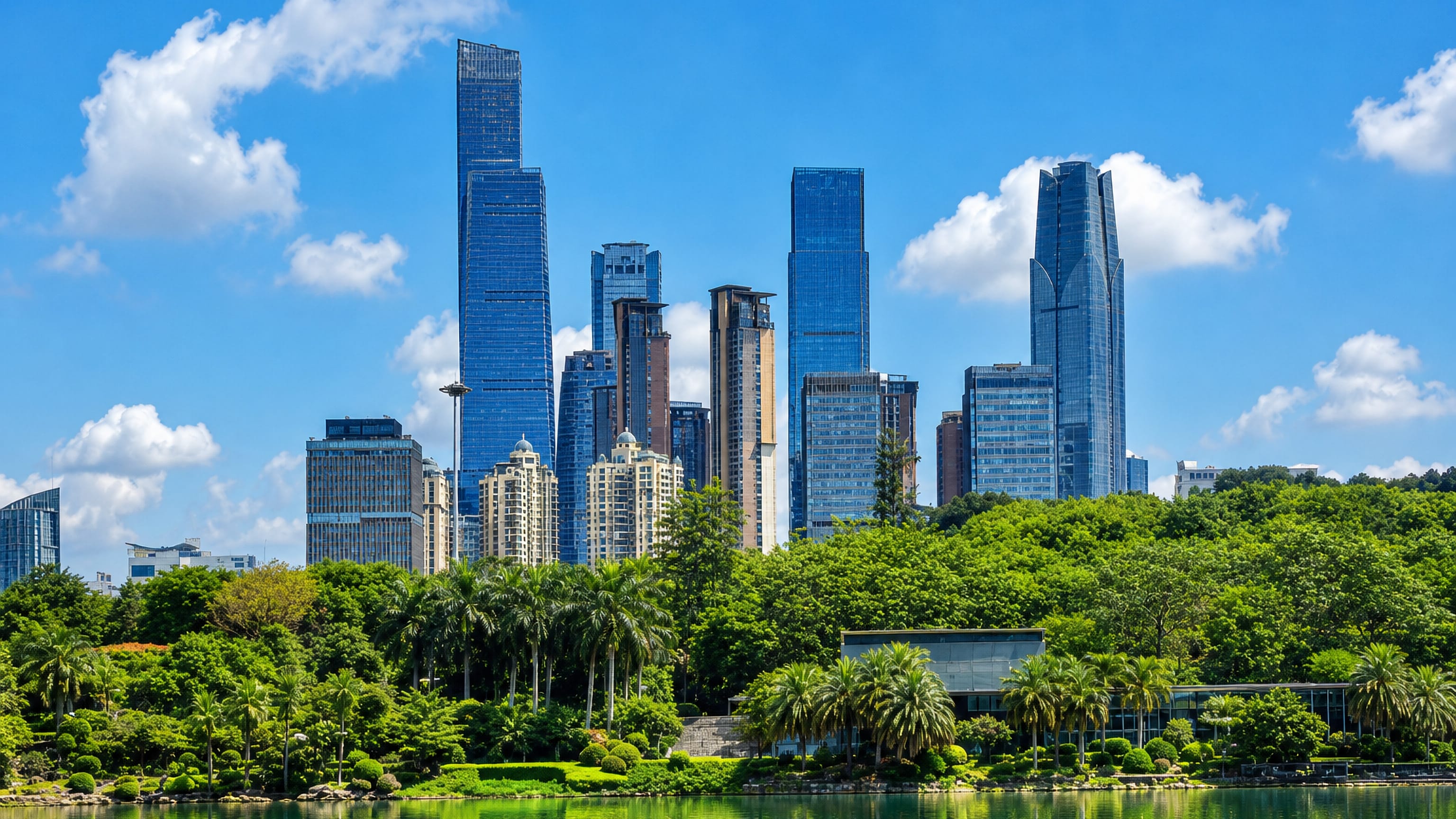
On the Yong river in the subtropical south of China, it grew as the capital of the Zhuang, China's largest minority, and it keeps the banyan-shaded streets that give it its name, the museum of Zhuang culture, the folk-song traditions of the region, and the road to the great Detian falls on the Vietnam border. The warm south stays green all year. Banyans shade the busy streets.
What are the main landmarks in Nanning?
The green streets are the pride of Nanning. The banyan-shaded avenues and riverside parks, cool and green the year round, make the emblem of the city, downtown. A museum holds the Zhuang past.
The Guangxi Zhuang museum lays out the culture of the region nearby, while the Yong river, the Qingxiu hills, and the road to Detian mark the country around Nanning.
What is the history of Nanning?
Nanning grew as a town of the Zhuang south. On the Yong river in the far south, it rose as a market and garrison among the Zhuang people, the largest minority of China. The city looked to the south.
On the road to Vietnam, Nanning traded with the lands beyond the border, and it grew as the capital of the Guangxi region. The town became a green modern city. Nanning planted banyans along its streets and grew into one of the greenest cities of China, its parks and river shaded year round.
The south drew trade and travelers. It became the host of the great expo between China and Southeast Asia, and travelers passed through on the way to the Detian falls and the border country, so Nanning grew as the capital of the Zhuang, keeping its river, its parks, and its people. The banyans still shade the streets.
Nanning keeps its green city on the Yong.
Where is Nanning?
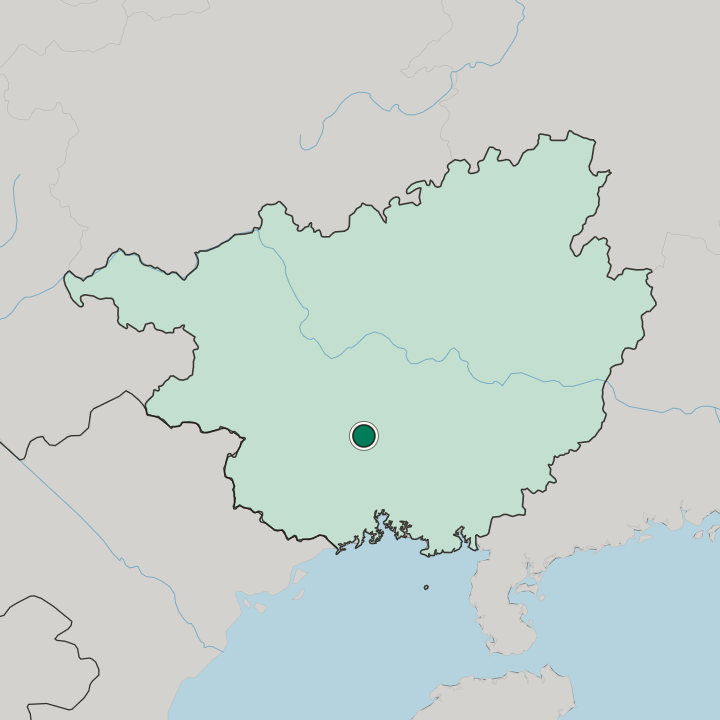
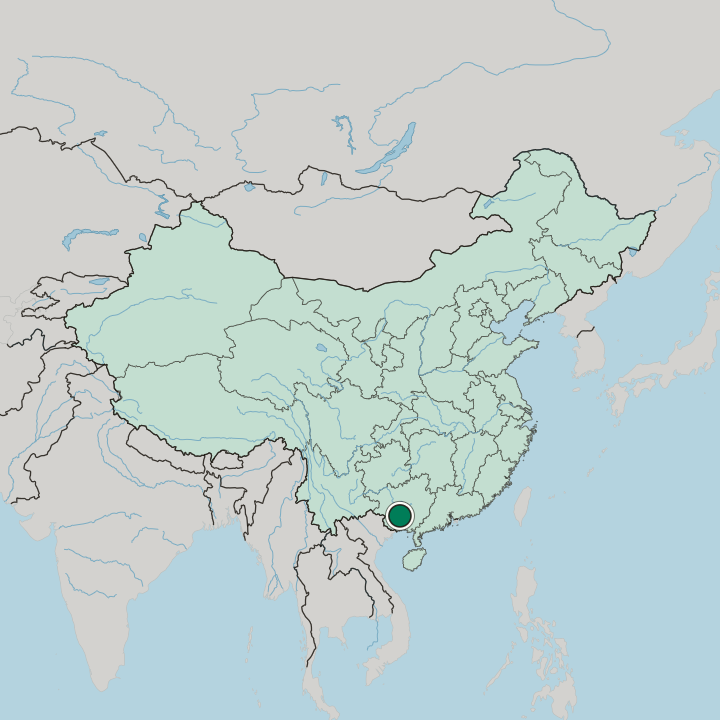
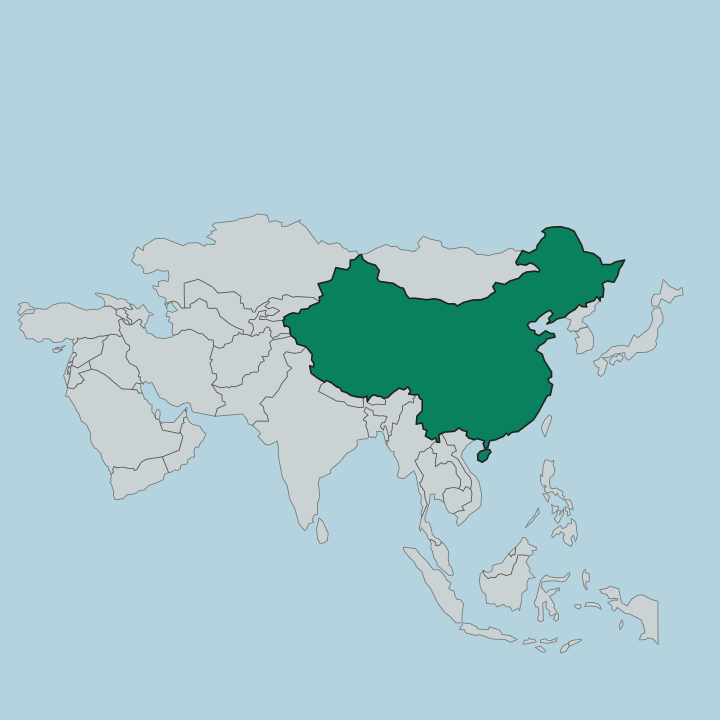
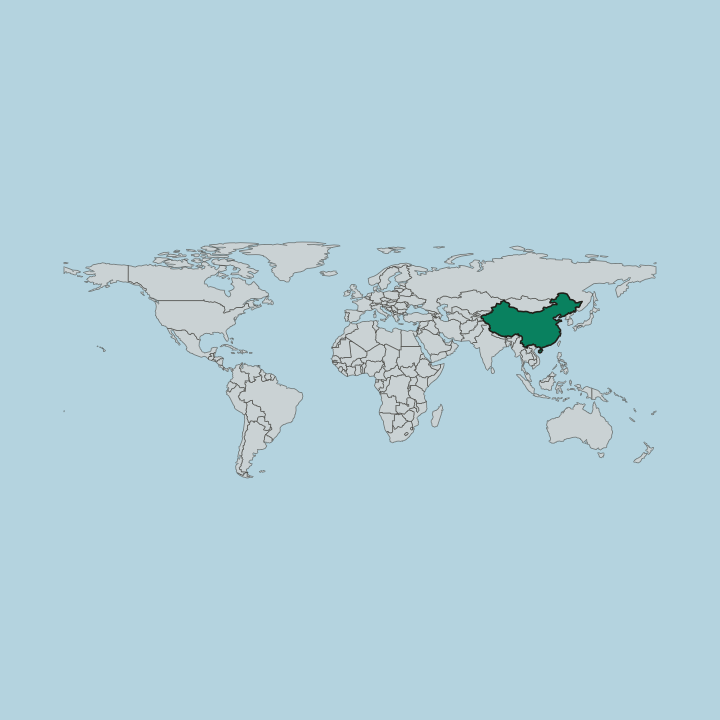
Nanning lies in the south of China, on the Yong river in Guangxi. The city sits in a basin of low green hills in the subtropical south, near the border with Vietnam, with the Yong river winding through the town and the karst hills rising around the country. The river runs slow and green.
Green hills ring the basin.
What is the climate of Nanning?
Nanning sits in warm, humid subtropical air. Hot wet summers and mild winters cross the basin, with heavy monsoon rains in the summer and warm damp air much of the year. Warm rains fall through the summer.
Winter stays mild and green.
How do you get to Nanning?
Nanning lies in the south of China, on the fast lines toward Vietnam. Bullet trains run to it from Guangzhou and Kunming, and highways lead south to the border. Trains run on to Hanoi.
Guangzhou lies east up the line.
Common questions
What is the best area to stay in Nanning?
The riverfront: Visitors here for the parks and museum. Toward the border: Stays wanting the Detian falls and hills.
More cities in Guangxi Zhuang Autonomous Region
Updated September 2026