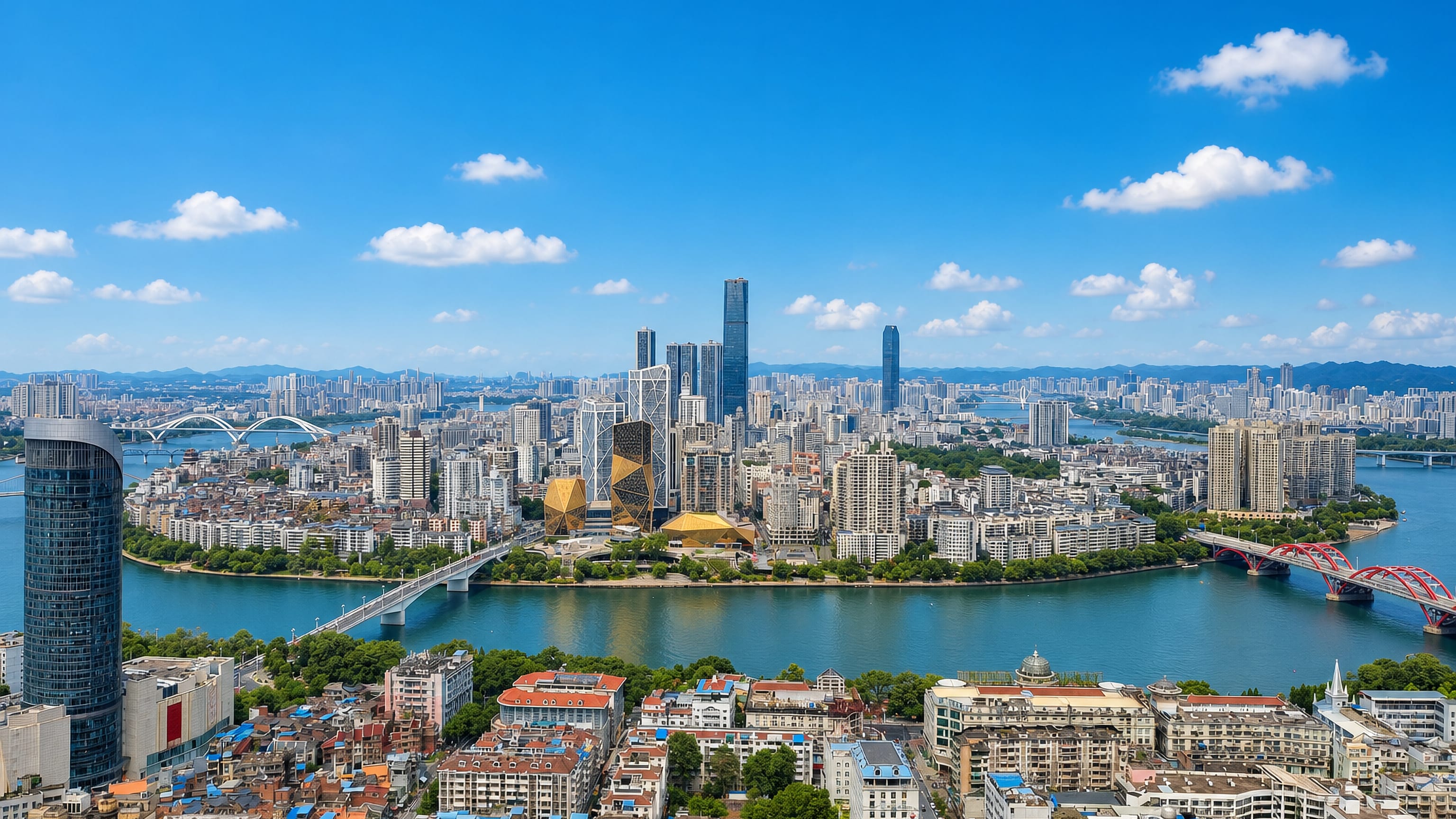
China · Guangxi Zhuang Autonomous Region
Where to Stay in Liuzhou, Guangxi Zhuang Autonomous Region
Liuzhou is a prefecture-level industrial city in north-central Guangxi, ringed by karst hills and the minority villages of the countryside around it.
Hotel links are affiliate links: booking through them may earn us a commission, at no extra cost to you. It never affects how places are ranked. How this works


Where to stay in Liuzhou
Where the beds are, and what that means for the visit.
Liyuzui and the Liuzhou Museum anchor the built-up districts, and a room within reach of both covers nearly everything the five urban districts hold between them. The Liuzhou Industrial Museum is close by. Its subject explains the shape of the place, since the works that built the city have moved outward and left a centre that is quieter than the industrial name implies.
Beds concentrate there. The prefecture beyond is enormous, and rooms in it depend on which county town or minority village happens to have one. Guangxi Zhuang Autonomous Region spreads out from here in every direction, and Liuzhou's central position is the practical argument for sleeping in it. Two outlying draws are worth the drive.
Chengyang Yongji Bridge stands in the minority-village countryside beyond the urban districts, and a night out there turns a long day trip into an easy one. The Liucheng Gigantopithecus Cave is the other. That cave and the Bailiandong site put the prefecture's deepest record out in the limestone rather than in any museum hall, so a car matters more than a central address.
Batuan Bridge and the Mapang Drum Tower fall between the two extremes. Both are reachable on a day out from the urban core, which is why almost no visitor needs a second base inside Liuzhou.
Find hotels in Liuzhou
Direct booking searches for these neighbourhoods.
Around Liyuzui
The built-up districts where Liyuzui, the Liuzhou Museum and the Liuzhou Industrial Museum all fall inside one short radiusFind hotels in Around LiyuzuiOvernights among the minority villages at Chengyang Yongji BridgeChengyang bridge country
Village countryside built around Chengyang Yongji Bridge, where a bed means a guesthouse rather than a hotel. Few places to stay nearby — book ahead.Find hotels in Chengyang bridge countryTrips built around the Liucheng Gigantopithecus Cave and the Bailiandong siteThe Liucheng cave side
Limestone country holding the Liucheng Gigantopithecus Cave, with county towns supplying what few rooms exist. Few places to stay nearby — book ahead.Find hotels in The Liucheng cave sideHotel links are affiliate links: booking through them may earn us a commission, at no extra cost to you. It never affects how places are ranked. How this works
About Liuzhou
What is Liuzhou known for?
Guangxi's second city runs on industry. The Liuzhou Industrial Museum sets that out in full, and the plants themselves have largely moved off the central streets, which left the centre cleaner than its reputation suggests. Karst country begins at the edge.
Limestone hills and the minority villages scattered through them are the reason most visitors treat Liuzhou as a base rather than a destination.
What are the main landmarks in Liuzhou?
Liuzhou Museum and the Liuzhou Industrial Museum split the city's story between them. Older work stands outside. Chengyang Yongji Bridge, Batuan Bridge and the Mapang Drum Tower are the built landmarks of the minority-village countryside, while the Steles of the Liuhou Temple keep the city's inscribed record.
Caves hold the oldest material: the Bailiandong site and the Liucheng Gigantopithecus Cave. Liyuzui, the Sanwang Palace, the Former Residence of Ho Chi Minh, the Site of the Battle of Kunlun Pass, Old Liuzhou Airport and the Li-Ning Gymnasium round the list out.
What is the history of Liuzhou?
Human occupation here is very old. The Bailiandong site and the Liucheng Gigantopithecus Cave are the two entries that carry that back beyond any written record, and both sit in the limestone rather than in the modern city. Writing arrives with the temple.
The Steles of the Liuhou Temple are the city's inscribed memory, and the Sanwang Palace at Heli belongs to the same order of older civic and religious building. Chengyang Yongji Bridge, Batuan Bridge and the Mapang Drum Tower record the building traditions of the minority villages around the prefecture. War left the sharpest marks.
The Site of the Battle of Kunlun Pass is the surviving ground of fighting that reached this part of Guangxi, and Old Liuzhou Airport carries the same period on the city's own heritage list. The Former Residence of Ho Chi Minh is preserved in the city. Industry came to dominate.
The Liuzhou Industrial Museum documents the works that made this the second city of Guangxi Zhuang Autonomous Region, and much of that plant has since moved off the central streets. Liuzhou City is the registered form. Liuzhou Museum holds the general collection, and the Li-Ning Gymnasium sits on the same roster as a modern civic building.
Where is Liuzhou?
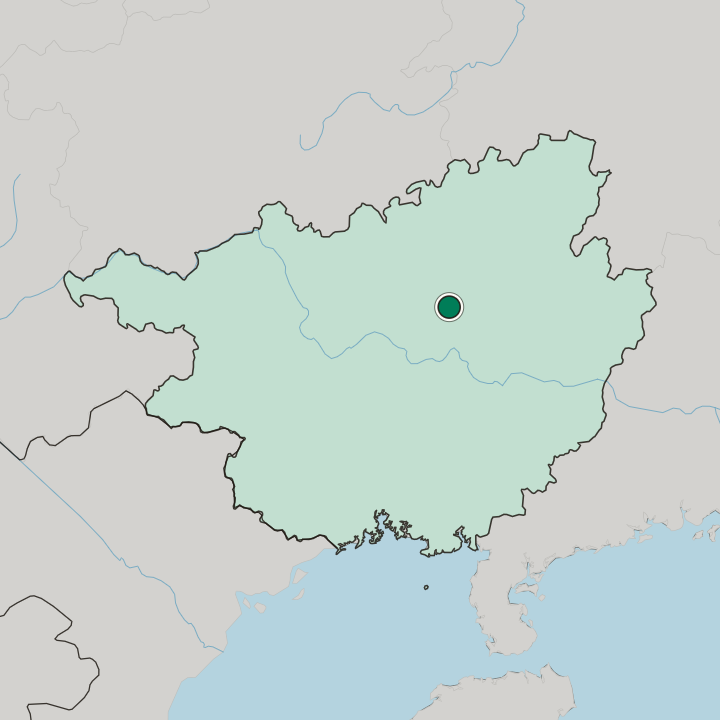
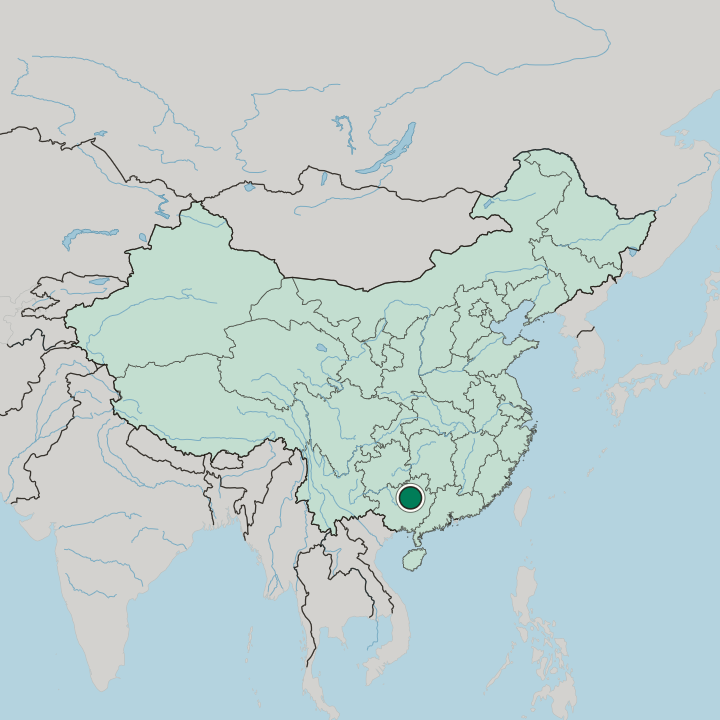
Limestone hills ring the city. Liuzhou lies in north-central Guangxi Zhuang Autonomous Region, and its prefecture is one of the larger ones in the region, spreading well past the five urban districts into karst country and minority villages. That central position matters.
Routes across Guangxi converge here, which is what makes the city useful to anyone working through the rest of the autonomous region. Caves come with the limestone, and the Bailiandong site sits in it.
What is the climate of Liuzhou?
Subtropical heat sits on Guangxi for most of the year, and the karst basin around Liuzhou holds it, so humidity rather than temperature is what wears visitors down. Rain comes in bulk. Monsoon moisture off the south feeds long wet months, and the limestone hills turn grey and close in under low cloud for weeks at a time.
Winter stays mild by comparison. The Liucheng Gigantopithecus Cave and the Bailiandong site are the reliable options when the weather closes the countryside off.
How do you get to Liuzhou?
Liuzhou works as the interchange for Guangxi Zhuang Autonomous Region, and traffic between the north of the region and its south runs through the city rather than around it. The old field is a monument. Old Liuzhou Airport survives on the heritage list rather than in service, so the approach is overland, into the five urban districts.
Distances inside the prefecture are long. Chengyang Yongji Bridge and the Liucheng Gigantopithecus Cave both sit out in the countryside, far enough from the Liuzhou Museum that each one takes a day of its own.
Common questions
What is the best area to stay in Liuzhou?
Around Liyuzui: Central stays walking to Liyuzui and the Liuzhou Museum. Chengyang bridge country: Overnights among the minority villages at Chengyang Yongji Bridge. The Liucheng cave side: Trips built around the Liucheng Gigantopithecus Cave and the Bailiandong site.
Good for
More cities in Guangxi Zhuang Autonomous Region
Updated September 2026