China · Guangxi Zhuang Autonomous Region
Where to Stay in Wuzhou, Guangxi Zhuang Autonomous Region
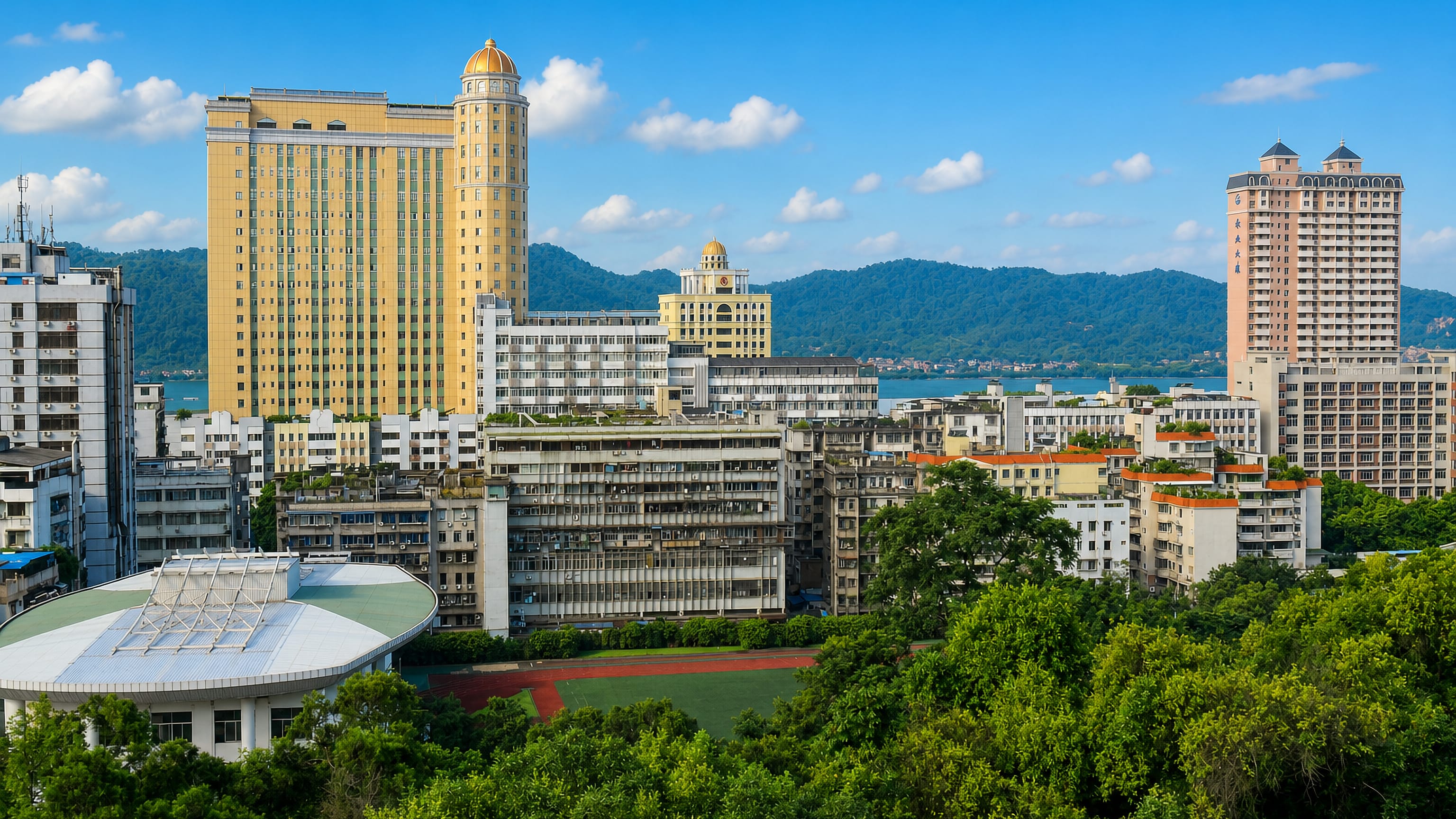
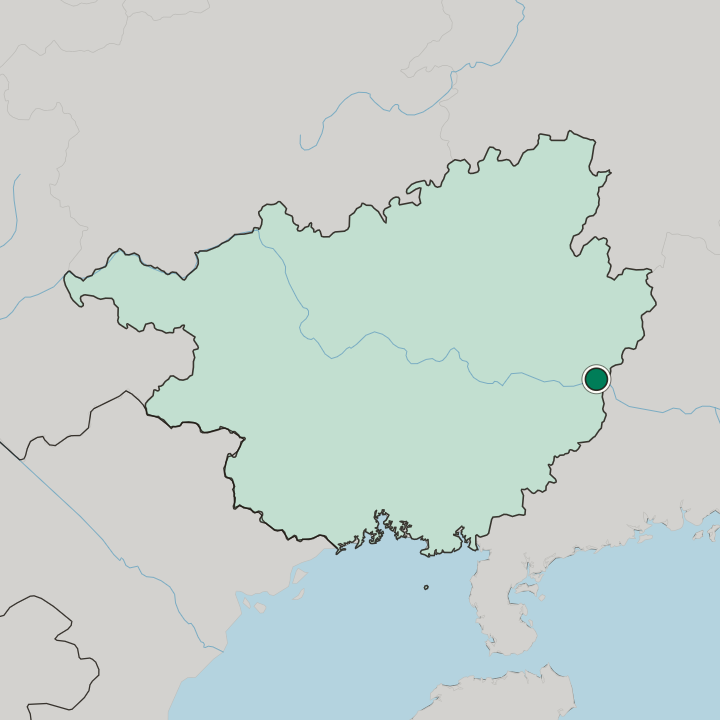
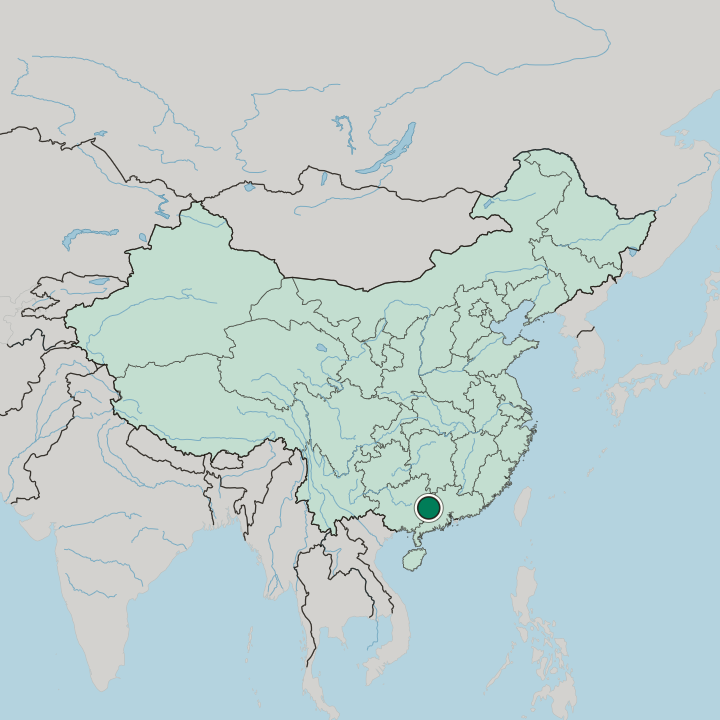
Wuzhou is a prefecture-level city of Guangxi on the Xijiang Golden Waterway, holding Longmu Temple, Qilou Town and Baiyun Mountain.
Hotel links are affiliate links: booking through them may earn us a commission, at no extra cost to you. It never affects how places are ranked. How this works


Where to stay in Wuzhou
Where the beds are, and what that means for the visit.
Qilou Town is the obvious base. The old quarter puts Longmu Temple, the Wuzhou Museum and the Sun Yat-sen Memorial Hall inside a walkable set of streets, which is unusual in a prefecture-level city whose territory runs to thousands of square kilometres. The river is right there.
Rooms on that side of Wuzhou keep the Xijiang Golden Waterway in view, and the traffic on the water is part of the daily noise rather than a detour taken deliberately. Baiyun Mountain suits a different trip. A stay toward the hill trades the temple-and-museum circuit for height and quiet, and it works best for anyone intending to walk rather than to shop.
Distance matters outside the core. Wuzhou's territory reaches well past the built-up ground, so the Zhonghe Kiln Site, the Sites of Activities of Taiping Heavenly Kingdom in Yong'an and the Former Residence of Li Jishen are day trips from a central bed rather than neighbours to it. Tea is a reason to stay on.
If you want Liubao tea where it is made, Guilinggao in the shops and the Modern Buildings of Wuzhou on the walk between them, the central streets stay the most efficient place to sleep.
Find hotels in Wuzhou
Direct booking searches for these neighbourhoods.
Qilou Town
Wuzhou's old commercial quarter, where the Sun Yat-sen Memorial Hall and the city museum stand within the same few streetsFind hotels in Qilou TownRooms that keep the Golden Waterway traffic in sightThe Xijiang frontage
The riverside edge of Wuzhou along the Xijiang Golden Waterway, a few minutes out from Qilou TownFind hotels in The Xijiang frontageWalkers who want height above the Wuzhou streetsBaiyun Mountain
The hill side of the city, off the museum circuit, where Baiyun Mountain rises over the built-up ground. Rooms are few around here — worth securing early.Find hotels in Baiyun MountainVisitors working through the Taiping Heavenly Kingdom sitesYong'an
The outlying ground holding the Sites of Activities of Taiping Heavenly Kingdom in Yong'an, well beyond Wuzhou's centre. Few places to stay nearby — book ahead.Find hotels in Yong'anHotel links are affiliate links: booking through them may earn us a commission, at no extra cost to you. It never affects how places are ranked. How this works
About Wuzhou
What is Wuzhou known for?
Wuzhou's reputation rests on three sights. Longmu Temple, the streets of Qilou Town and Baiyun Mountain are what most visitors come for, and behind them sit Liubao tea, Guilinggao and the paper-wrapped chicken that Wuzhou is known for at the table. The river runs through all of it.
Cantonese, Hakka and Zhuang traditions overlap in one prefecture-level city of the Guangxi Zhuang Autonomous Region, and the Xijiang Golden Waterway is the thread that brought them together.
What are the main landmarks in Wuzhou?
Seven listed sites make the register. The Sun Yat-sen Memorial Hall and the Former Residence of Li Jishen are the two buildings tied to named figures, while the Modern Buildings of Wuzhou cover a wider stretch of the city's commercial fabric. Kilns came earlier.
Zhonghe Kiln Site records production long before any of that, the Sites of Activities of Taiping Heavenly Kingdom in Yong'an mark a later episode, and the Early Chinese Communist Party Revolutionary Sites in Wuzhou, Guangxi close the list beside the Wuzhou Museum.
What is the history of Wuzhou?
Settlement here runs back two thousand years. Wuzhou's position on the Xijiang Golden Waterway explains most of that, since a city on a working river accumulates people, trade and administration in a way an inland site does not. The Zhonghe Kiln Site is the older evidence.
Production of that kind leaves ground that can be excavated and dated, and it places Wuzhou among the long-inhabited parts of the Guangxi Zhuang Autonomous Region rather than among its newer towns. A later era left its own marks. The Sites of Activities of Taiping Heavenly Kingdom in Yong'an record that movement's presence in this part of Guangxi, and they sit in the register beside much older ground.
Then the city rebuilt itself. The Modern Buildings of Wuzhou date from the period when river trade paid for a new commercial fabric, and the Former Residence of Li Jishen belongs to the same decades. Politics left addresses too.
The Sun Yat-sen Memorial Hall and the Early Chinese Communist Party Revolutionary Sites in Wuzhou, Guangxi are both protected, which gives the twentieth century as much presence in the city's record as the kilns give the deeper past. Three traditions settled together. Cantonese, Hakka and Zhuang custom all took hold along this stretch of the Xijiang, and Liubao tea came out of the same country that fed the river trade.
Where is Wuzhou?
The Xijiang organizes Wuzhou. That Golden Waterway runs through the prefecture-level city and gives it the role it has held for two thousand years, which is to stand on the main water route through the Guangxi Zhuang Autonomous Region. Baiyun Mountain breaks the level.
Beyond the built-up quarters around Qilou Town, Wuzhou's ground spreads into tropical country broad enough to hold Yong'an and the Zhonghe Kiln Site well apart from the centre.
What is the climate of Wuzhou?
The Xijiang keeps Wuzhou humid. A city built on a working river inside the tropical band north of the equator carries damp air through most of the year, and the water stays a constant rather than a seasonal feature of the place. Baiyun Mountain reads cooler.
The hill stands above the river quarters, so climbing it trades the closeness of the Qilou Town streets for moving air.
How do you get to Wuzhou?
Three ways in serve Wuzhou. High-speed rail, the highway network and the Xijiang Golden Waterway all reach the city, which is a fuller set of approaches than most prefecture-level cities of the Guangxi Zhuang Autonomous Region can claim. The river was the original road.
Traffic moved on the Xijiang long before rail or road existed, and the waterway still carries it past Qilou Town, while the newer arrivals put a visitor within reach of the Wuzhou Museum on the day of landing.
Common questions
What is the best area to stay in Wuzhou?
Qilou Town: Walkable nights between Longmu Temple and the Wuzhou Museum. The Xijiang frontage: Rooms that keep the Golden Waterway traffic in sight. Baiyun Mountain: Walkers who want height above the Wuzhou streets. Yong'an: Visitors working through the Taiping Heavenly Kingdom sites.
Good for
More cities in Guangxi Zhuang Autonomous Region
Updated September 2026