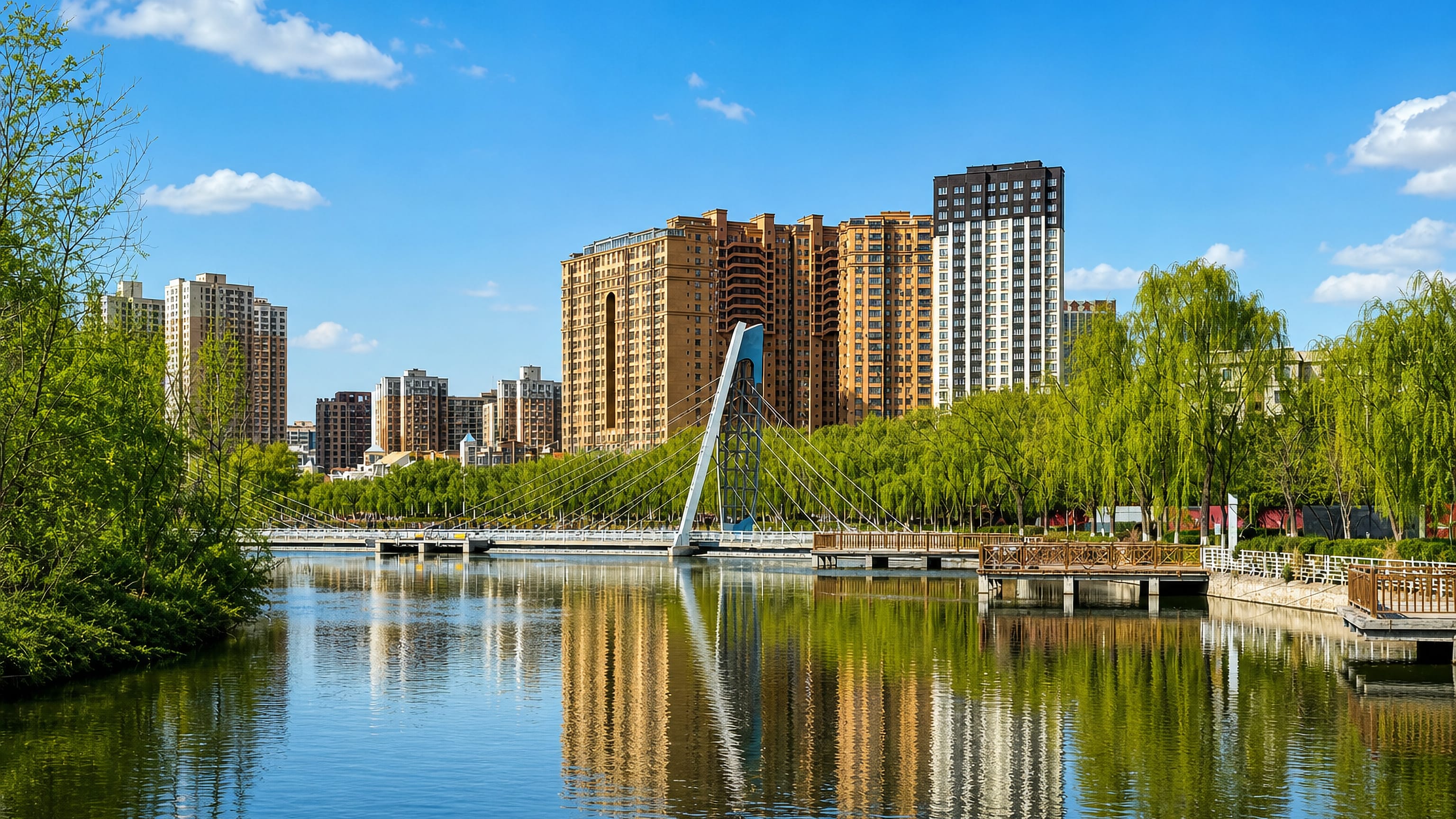
China · Xinjiang Uyghur Autonomous Region
Where to Stay in Aqsu, Xinjiang Uyghur Autonomous Region
Aqsu is an oasis city at the northern edge of the Tarim Basin, seat of Aksu Prefecture in the Xinjiang Uyghur Autonomous Region.
Hotel links are affiliate links: booking through them may earn us a commission, at no extra cost to you. It never affects how places are ranked. How this works


Where to stay in Aqsu
The practical side of choosing where to sleep.
Beds here serve a working town. The city is the seat of Aksu Prefecture, which means the rooms it has are built for administration and business rather than for a season of visitors, and they cluster in the built-up centre. The Aksu Museum is the one fixed sight.
A room within reach of it covers that museum without a drive, which matters in a prefecture this large. Distances beyond the oasis are long. Anyone travelling for the museum and the prefecture offices will find the centre suits them, while anyone passing through gains nothing from a room on the margin.
The Aksu River sets the other axis. Water is what made the oasis, and staying on the river side of town keeps the reason the settlement exists in sight, though the difference across so small a centre is a matter of minutes rather than of neighbourhoods. Nothing else is close.
The Tarim Basin opens away to the south and the rest of Aksu Prefecture runs well beyond the city, so a night in Aqsu is usually part of a longer route across the Xinjiang Uyghur Autonomous Region rather than a destination by itself.
Find hotels in Aqsu
Direct booking searches for these neighbourhoods.
The prefecture-seat centre
The built-up middle of Aqsu, holding the seat's administrative buildings and the Aksu MuseumFind hotels in The prefecture-seat centreStays that want the water the oasis was named for within sightThe Aksu River side
The edge of Aqsu nearest the Aksu River, the supply that gave both the town and the river the same wordFind hotels in The Aksu River sideDrivers breaking a long crossing of Aksu Prefecture rather than visiting the townThe Tarim Basin margin
The outer edge of the oasis, where the built-up ground gives out onto the northern rim of the Tarim Basin. Beds are limited here, so book early.Find hotels in The Tarim Basin marginHotel links are affiliate links: booking through them may earn us a commission, at no extra cost to you. It never affects how places are ranked. How this works
About Aqsu
Water gave the place its name.
What is Aqsu known for?
Aksu translates as white water, and the same word covers both the oasis town and the Aksu River that supplies it, which is as direct a description of the site as a name can be. Aqsu is the seat of Aksu Prefecture. Administration, the Aksu Museum and the trade of an oasis at the northern edge of the Tarim Basin are what the city carries, rather than a long list of monuments.
What are the main landmarks in Aqsu?
Just one entry fills Aqsu's list. The Aksu Museum is the single recorded landmark of the city, which puts the record of Aksu Prefecture and of the oasis into one building rather than spreading it across a set of monuments. Geography supplies the rest.
Water and the northern rim of the Tarim Basin are what visitors actually look at, and the Aksu River is older than anything built at Aqsu.
What is the history of Aqsu?
The name came from the water. Aksu translates as white water, and it belongs to the river as much as to the town, so the settlement's identity has been tied to a water source for as long as the name has been in use. The oasis is the older fact.
Oasis towns exist where water arrives, and Aqsu is one of them, which is why the river and the settlement share a single word. Administration came to sit here. Aqsu is the seat of Aksu Prefecture, and that role, more than any monument, is what the modern city is organised around within the Xinjiang Uyghur Autonomous Region.
The record is kept in one place. The Aksu Museum gathers the prefecture's material record into a single building, which is where a visit that wants history has to start. English writing uses two forms.
The city appears as Aksu City in English titles and as Aqsu in other transliterations, and both point at the same oasis on the same river, written Akesu City in Chinese. The basin rim explains the placement, and the prefecture that grew around the town now covers a great deal of ground beyond it.
Where is Aqsu?
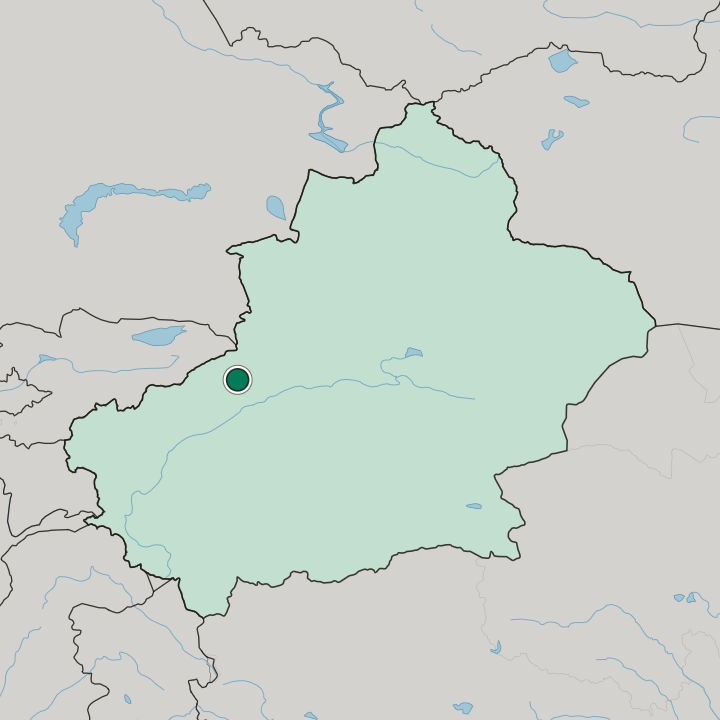
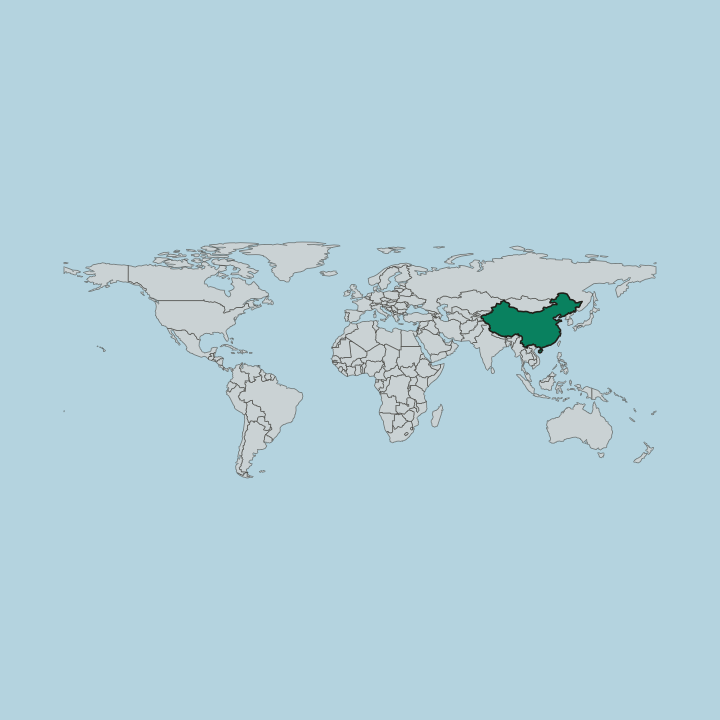
The Tarim Basin begins south of the town. Aqsu sits on its northern rim, watered by the Aksu River that shares the city's name, and the prefecture around it covers a very large stretch of the Xinjiang Uyghur Autonomous Region. The setting is an oasis rather than a valley or a coast.
Aksu Prefecture runs far past the built-up town in every direction, which makes distance the practical measure of everything here.
What is the climate of Aqsu?
The basin does the work. Aqsu lies in the temperate band of the northern hemisphere, but the Tarim Basin around it is the agent that matters, since an oasis town depends on the Aksu River rather than on rainfall for its water. The nearest sea is too far off to matter.
Water arrives as a river instead of as weather, and that is the fact deciding how the oasis and the ground beyond the town differ.
How do you get to Aqsu?
Routes follow the rim. Aqsu stands at the northern edge of the Tarim Basin, so approaches run along that margin rather than across the basin, and the city's position as the seat of Aksu Prefecture makes it the point the rest of the prefecture connects to. The Aksu River marks the same line.
Onward travel is a long business in the Xinjiang Uyghur Autonomous Region, and the Aksu Museum is the one stop the city itself asks for before the next leg.
Common questions
What is the best area to stay in Aqsu?
The prefecture-seat centre: Trips tied to the Aksu Prefecture offices and the museum in the same walk. The Aksu River side: Stays that want the water the oasis was named for within sight. The Tarim Basin margin: Drivers breaking a long crossing of Aksu Prefecture rather than visiting the town.
More cities in Xinjiang Uyghur Autonomous Region
Updated September 2026