China · Xinjiang Uyghur Autonomous Region
Where to Stay in Karamay, Xinjiang Uyghur Autonomous Region
Karamay is a prefecture-level city built around the oil fields of the Xinjiang Uyghur Autonomous Region, its name meaning black oil in Uyghur.
Hotel links are affiliate links: booking through them may earn us a commission, at no extra cost to you. It never affects how places are ranked. How this works


Where to stay in Karamay
Where visitors usually base themselves, and why.
The city was laid out around industry. Streets here are wide and the built-up area spacious, which comes from the oil business that funded them, so distances inside the city feel longer than the map suggests. Beds sit near the centre.
The Karamay Museum and the two recorded wells are what a visitor comes to see, and a central room keeps the museum within reach while the fields themselves need a vehicle. The middle is the only concentration worth booking, since the outer edges give onto industrial ground rather than onto anything to walk to. Tacheng Prefecture surrounds the whole city.
Nothing else is inside the boundary, so a stay outside Karamay means leaving the prefecture-level city altogether and taking rooms in a different administrative unit, which is unusual enough to matter when a booking is made from a map. Desert lies beyond the streets. Drilling country is not a place to look for beds, and the practical range for a visitor is the built-up area itself rather than anywhere among the oil fields.
Anyone whose interest is the industry will find the wells and the museum enough for a short stay, while a longer one leans on the city's own streets.
Find hotels in Karamay
Direct booking searches for these neighbourhoods.
The Karamay Museum side
The part of the built-up city closest to the Karamay Museum, where the oil town's spacious layout is easiest to walkFind hotels in The Karamay Museum sideTrips out to Karamay No.1 Oil Well and the drilling countryThe oil field approach
The outer edge of the city facing the fields, chosen for an early start toward the wells rather than for the museum. Few places to stay nearby — book ahead.Find hotels in The oil field approachDrivers crossing the prefecture that rings the city on every sideThe Tacheng Prefecture edge
Where Karamay's built-up ground stops and Tacheng Prefecture begins, with desert in between. Lodging is scarce in this area; reserve in advance.Find hotels in The Tacheng Prefecture edgeHotel links are affiliate links: booking through them may earn us a commission, at no extra cost to you. It never affects how places are ranked. How this works
About Karamay
Karamay works oil.
What is Karamay known for?
The name comes from Uyghur and means black oil, a description of the fields around the site rather than of the town, and the industry that grew on them still sets the character of the streets. Two wells are on the register. Xinjiang first oil well and Karamay No.1 Oil Well are recorded as heritage, and the Karamay Museum holds the rest of that record.
What are the main landmarks in Karamay?
Karamay counts three sights. Xinjiang first oil well and Karamay No.1 Oil Well are both recorded, which says plainly what the city is about, and the Karamay Museum gathers the same story into one building. Wells are the monuments here.
Anyone expecting temples or old walls will find the register short, because what is documented in Karamay starts with drilling rather than with older building.
What is the history of Karamay?
The name states the reason. Karamay comes from Uyghur and means black oil, and the word was already describing the fields near the site before the city that now carries it took shape around them. The first well is on the register.
Xinjiang first oil well is recorded as heritage, and Karamay No.1 Oil Well stands with it, the two of them marking the beginning of the industry the whole city was built to serve. Nothing older is listed. The museum keeps the account.
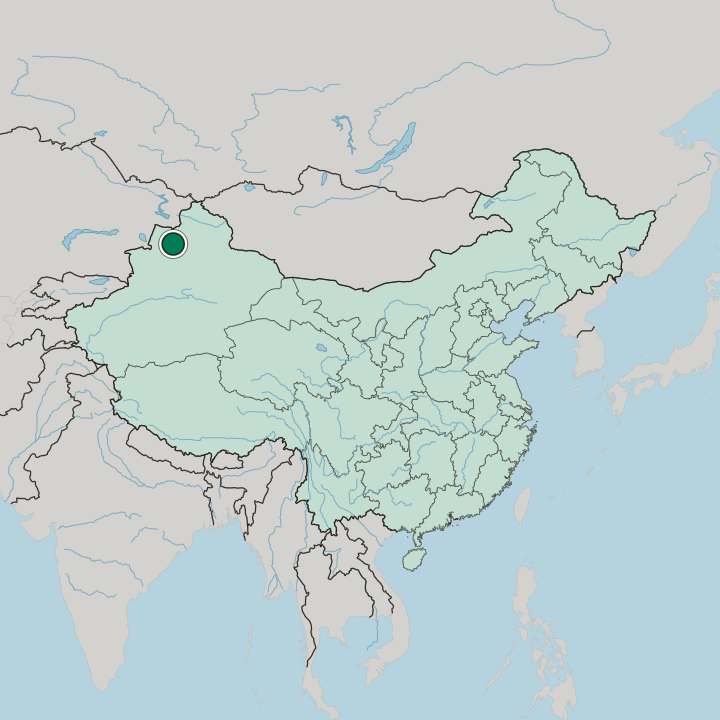
Karamay Museum holds the material record of that industrial past, which in a place this young does more work than it would in a town with temples and walls to fall back on. Administration came with the oil. The settlement holds prefecture-level status in the Xinjiang Uyghur Autonomous Region of the People's Republic of China, and is written Kelamayi City.
Tacheng Prefecture rings it completely, so the city borders no other unit at all, which is a rare shape for a prefecture-level city. The desert never left. Oil fields still lie around the built-up area, and the money they brought shows in the wide, uncrowded streets that make Karamay look unlike most cities of its size.
Where is Karamay?
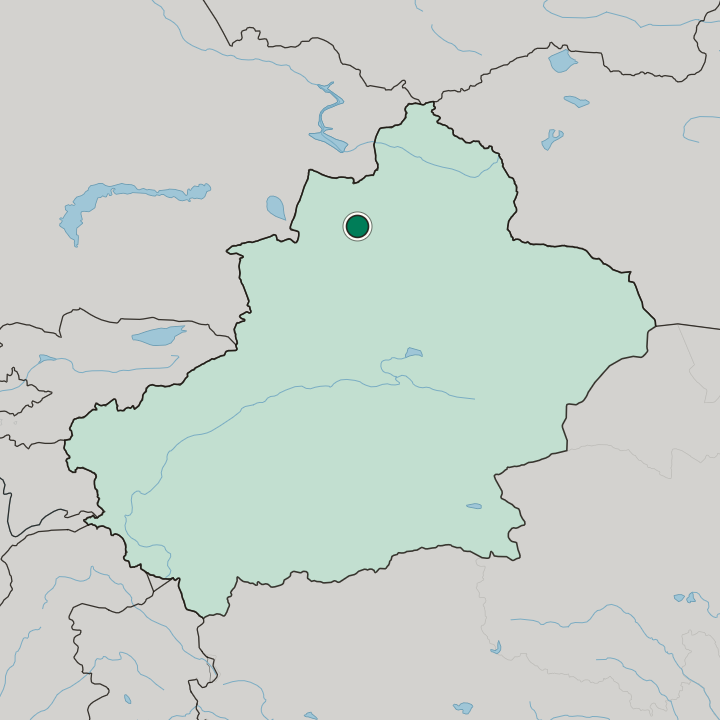
Tacheng Prefecture is the only neighbour. Karamay sits enclosed by it on every side, with desert and oil fields taking up most of the ground between the built-up area and that boundary. Arid ground surrounds the city.
Drilling country stretches out from the streets, and the city's own area covers a large stretch of the Xinjiang Uyghur Autonomous Region for a place with a single urban centre.
What is the climate of Karamay?
Dry ground dominates the year. Karamay lies in the temperate band of the northern hemisphere, but the drilling desert around it, not any sea, is what governs conditions between the built-up streets and Tacheng Prefecture. Extremes come with the interior.
The wide streets the oil money paid for are the most visible human answer to that ground.
How do you get to Karamay?
Every road crosses Tacheng Prefecture. Karamay is enclosed by that prefecture on all sides, so an arrival from anywhere else in the Xinjiang Uyghur Autonomous Region passes through it before reaching the built-up area. The city has one centre.
Once inside, the Karamay Museum and the recorded wells are the fixed points, and the oil fields spread out from the streets in every direction.
Common questions
What is the best area to stay in Karamay?
The Karamay Museum side: Short visits centred on the museum and the wide streets around it. The oil field approach: Trips out to Karamay No.1 Oil Well and the drilling country. The Tacheng Prefecture edge: Drivers crossing the prefecture that rings the city on every side.
More cities in Xinjiang Uyghur Autonomous Region
Updated September 2026