China · Xinjiang Uyghur Autonomous Region
Where to Stay in Jinshanlu, Xinjiang Uyghur Autonomous Region
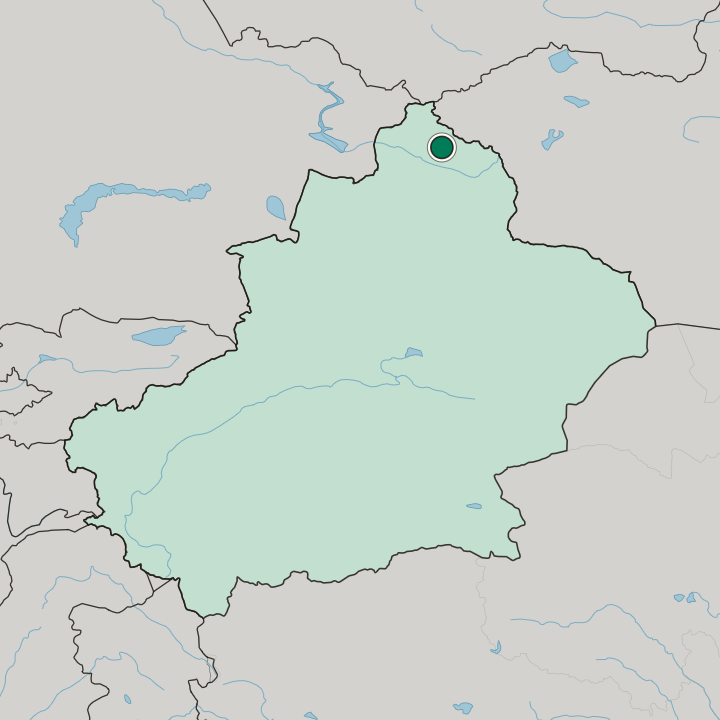
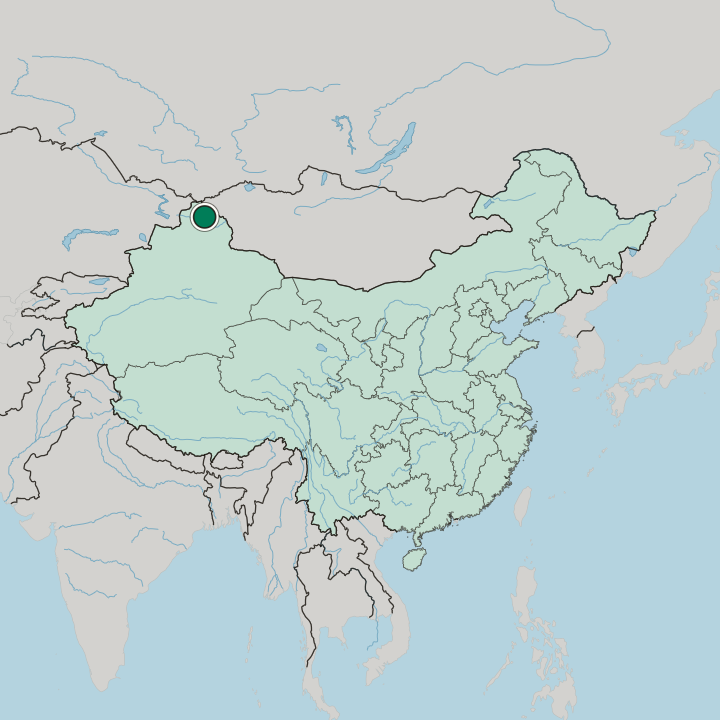
Jinshanlu, recorded as Altay City, is a county-level city on the Kelan River in Altay Prefecture, close to the borders with Mongolia and Russia.
Hotel links are affiliate links: booking through them may earn us a commission, at no extra cost to you. It never affects how places are ranked. How this works


Where to stay in Jinshanlu
Where visitors usually base themselves, and why.
The Kelan River divides the choice. Jinshanlu's centre stands on its banks, and that is where the rooms are, since a county-level city of this size keeps its beds close to the administrative streets rather than scattering them across Altay Prefecture. Everything else is distance.
The prefecture reaches out toward Mongolia, Russia and Kazakhstan, and a room outside the town means driving back for anything the centre holds. Anyone here for the Qiemuer Qieke Stone Figures and Tombs is better based in that centre, which is the only concentration of beds in the city. Names cause confusion when booking.
The city is listed as Altay City in English, as Aletai in some travel writing and as Jinshanlu in the gazetteers, and all three refer to the same place on the Kelan River. That matters more than it sounds. A search under one form can miss what is available under another, which in a town this size can be the difference between a room and a long drive.
Altay Prefecture sits inside the Ili Kazakh Autonomous Prefecture, so official addresses can carry both names, one nested in the other. The centre on the river remains the practical answer either way.
Find hotels in Jinshanlu
Direct booking searches for these neighbourhoods.
The Kelan River centre
The core of Jinshanlu on the banks of the Kelan River, where this county-level city keeps nearly all of its roomsFind hotels in The Kelan River centreDrivers continuing toward the Kazakh or Mongolian frontier the next morningThe Altay Prefecture road out
The margin of the town facing the prefecture's long roads, chosen for an early start rather than for the Kelan River. Rooms are few around here — worth securing early.Find hotels in The Altay Prefecture road outVisits built around the stone figures and the tombs instead of the townThe Qiemuer Qieke side
The side of Jinshanlu turned toward the Qiemuer Qieke Stone Figures and Tombs, the one heritage site recorded for the city. Few places to stay nearby — book ahead.Find hotels in The Qiemuer Qieke sideHotel links are affiliate links: booking through them may earn us a commission, at no extra cost to you. It never affects how places are ranked. How this works
About Jinshanlu
Borders are the nearest neighbours.
What is Jinshanlu known for?
Mongolia lies east of Jinshanlu, Russia north and Kazakhstan west, each of them roughly a hundred kilometres out, so three international frontiers sit within a day of the same town. The Kelan River runs through the centre. Qiemuer Qieke Stone Figures and Tombs is the recorded heritage site, and the administrative frame is layered, a county-level city inside Altay Prefecture inside the Ili Kazakh Autonomous Prefecture.
What are the main landmarks in Jinshanlu?
One site is on the register. Qiemuer Qieke Stone Figures and Tombs is the recorded heritage of Jinshanlu, carved figures standing with burials, and it is the only entry of its kind the city carries. The Kelan River is the other landmark.
Water through the centre and the Altay Prefecture country beyond it make the setting the attraction here rather than any building.
What is the history of Jinshanlu?
Stone figures came first. The Qiemuer Qieke Stone Figures and Tombs record burials and carved figures in the country around the modern city, which places people here long before any county-level administration existed. The Kelan River explains the site.
A town on its banks had water in a corner of Xinjiang where the borders of Mongolia, Russia and Kazakhstan each lie about a hundred kilometres off, and the river still runs through the city centre. Nothing older is recorded here. What the register holds is that one site, which makes the stone figures the earliest documented mark the city can point to.
The names accumulated. Chinese records give Aletai City and English titles give Altay City. Travel writing has used Aletai, while the gazetteer name carried here is Jinshanlu, and all of them point at the same county-level city on the Kelan River.
Administration nested it twice. The city sits within Altay Prefecture, which in turn sits within the Ili Kazakh Autonomous Prefecture, so a single address in this part of China can carry two prefectural names above the city's own. Distance did the rest of the shaping.
Anything reached from here crosses a long stretch of Xinjiang first, whether the direction is toward Mongolia, Russia or Kazakhstan.
Where is Jinshanlu?
Three borders box it in. Mongolia lies east, Russia north and Kazakhstan west, each about a hundred kilometres from Jinshanlu, and only the southern side opens back into the rest of Xinjiang. The Kelan River runs through the middle of the city.
Altay Prefecture spreads around it inside the larger Ili Kazakh Autonomous Prefecture, which is a great deal of ground for a county-level city to sit at the centre of.
What is the climate of Jinshanlu?
Distance from any sea decides it. Jinshanlu lies in the temperate band of the northern hemisphere, but it sits deep in the interior, closer to Russia and Mongolia than to any coast, and that position rather than the calendar is what shapes conditions. Continental air has the last word.
Visitors notice it in the swing between seasons more than in any single month, and the Kelan River through the centre is the one constant feature of the town's year.
How do you get to Jinshanlu?
Roads run south. Every other direction from Jinshanlu ends at a frontier within roughly a hundred kilometres, with Mongolia east, Russia north and Kazakhstan west, so arrivals from the rest of Xinjiang come up from the southern side. The centre sits on the Kelan River.
Altay Prefecture and the Ili Kazakh Autonomous Prefecture above it are the administrative names to look for when booking transport into Altay City.
Common questions
What is the best area to stay in Jinshanlu?
The Kelan River centre: First nights in Altay City, with the river banks and the administrative streets in one walk. The Altay Prefecture road out: Drivers continuing toward the Kazakh or Mongolian frontier the next morning. The Qiemuer Qieke side: Visits built around the stone figures and the tombs instead of the town.
More cities in Xinjiang Uyghur Autonomous Region
Updated September 2026