China · Xinjiang Uyghur Autonomous Region
Where to Stay in Ürümqi, Xinjiang Uyghur Autonomous Region
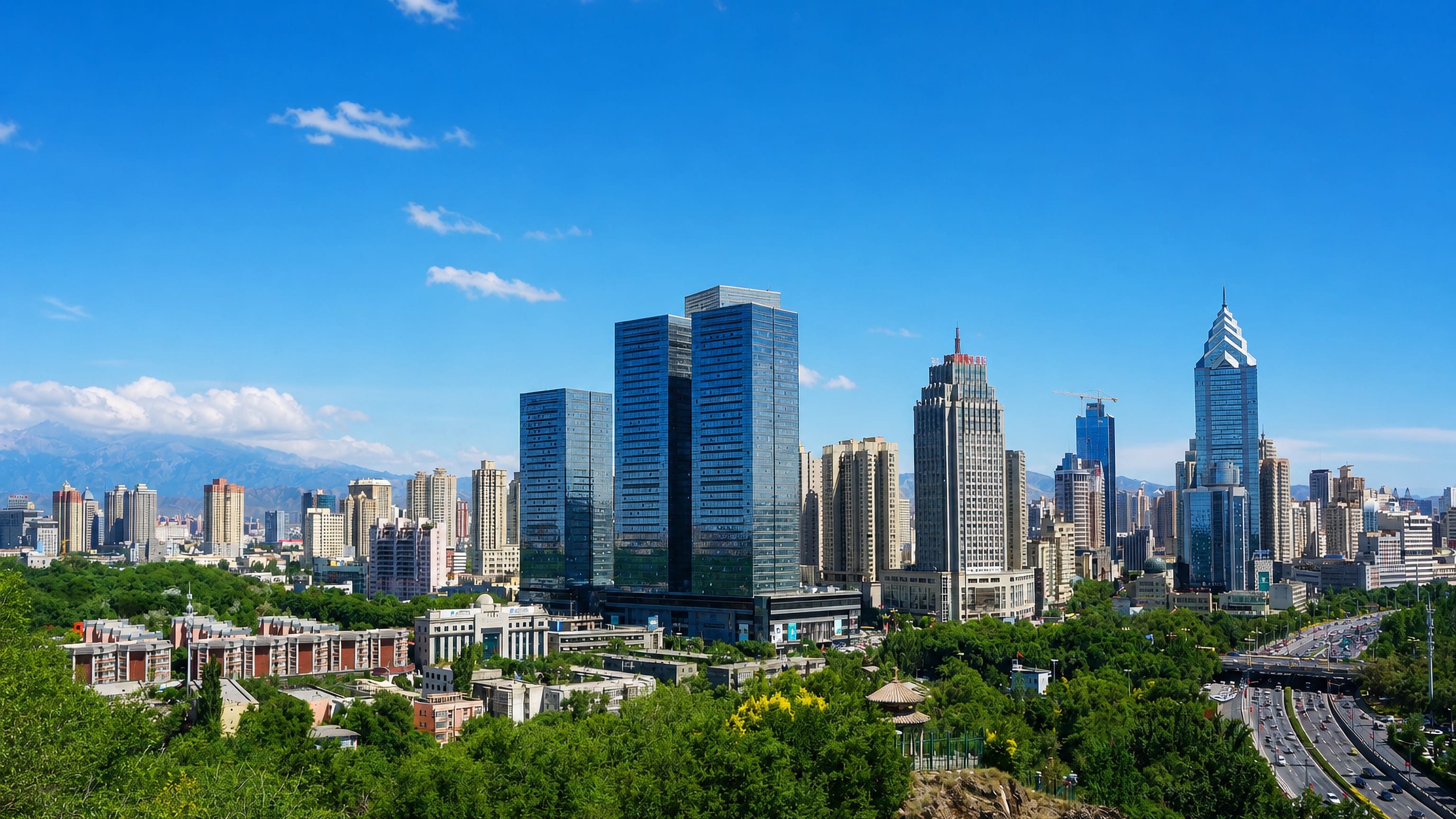
The Tian Shan mountains wall the horizon at Ürümqi, capital of the Xinjiang Uyghur Autonomous Region in northwestern China, known for the Xinjiang Museum.
Hotel links are affiliate links: booking through them may earn us a commission, at no extra cost to you. It never affects how places are ranked. How this works


Where to stay in Ürümqi
How the choice of base plays out on the ground.
Ürümqi spreads for kilometres along a valley between mountain ridges, so where you stay depends on which part of the sprawling city you want at hand. The central districts around the main commercial streets hold most of the larger hotels, close to the shops, the food streets, and the museums, and they suit you if you want the heart of the city and its transport on your doorstep. The bazaar quarter draws many visitors.
Rooms near the grand market put you among the food stalls and craft shops, a lively base for anyone who wants the trade and cooking of Xinjiang within a short walk. Quieter hotels stand toward the northern districts near the Xinjiang Museum and the wide avenues, better for travellers who want space and easy roads out to the mountains. Toward the edges, business hotels cluster by the ring roads and the rail and air links.
Beds run plentiful across the long city, though rooms fill when travellers pass through on their way across the Tian Shan.
Find hotels in Ürümqi
Direct booking searches for these neighbourhoods.
Central commercial districts
The main shopping and food streets near the museums, with the best transport links.Find hotels in Central commercial districtsmarket and food loversBazaar quarter
Rooms among the food stalls and craft shops of the grand market of Ürümqi.Find hotels in Bazaar quarterspace near the mountainsNorthern districts
Quieter hotels on the wide avenues near the Xinjiang Museum and the roads out to the Tian Shan.Find hotels in Northern districtsHotel links are affiliate links: booking through them may earn us a commission, at no extra cost to you. It never affects how places are ranked. How this works
About Ürümqi
What is Ürümqi known for?
Ürümqi is known as the capital and largest city of the Xinjiang Uyghur Autonomous Region, a regional hub set against the Tian Shan in the far interior of northwestern China. It is a city of museums and trade. The Xinjiang Museum holds the region's celebrated collections of desert-preserved antiquities, and the Silk Road Ceramic Technology Art Museum recalls the trade routes that crossed the ranges.
Xi'an lies far to the east. Ürümqi ranks among the largest cities of China's northwestern interior.
What are the main landmarks in Ürümqi?
Ürümqi keeps its best-known landmarks in its museums. The Xinjiang Museum is the great one, home to the desert-preserved mummies and Silk Road relics that draw visitors from across China, and it anchors the city's cultural quarter. Nearby stand the Xinjiang Art Museum and the Xinjiang Geology and Minerals Museum, with the Silk Road Ceramic Technology Art Museum and the Gaotai Gallery among the city's galleries.
Science has its halls too. The Xinjiang Science and Technology Museum and the Memorial Hall of the West Road Army of the Red Army round out the collections.
What is the history of Ürümqi?
Ürümqi grew where the mountains meet the plain. The city stands in a gap of the Tian Shan on the northern edge of the great deserts, a watered halt on the branch of the Silk Road that skirted the ranges, where herders of the grasslands met the caravans crossing between China and Central Asia. Its position between pasture and trade route made it a natural gathering point, and a market town rose on the crossroads long before it took its modern shape.
Over the centuries the settlement passed through the hands of the empires and confederations that contested the northern routes of Xinjiang. It became a garrison and administrative centre as imperial China extended its reach into the region, and the town spread along the valley below the peaks. Trade never stopped.
Goods and peoples of many origins met in its markets, giving the city the mixed character it still carries. In the twentieth century Ürümqi became the capital of the Xinjiang Uyghur Autonomous Region within China, and it developed into the transport hub and cultural centre gathered around the Xinjiang Museum. The mountains have watched over every stage.
Where is Ürümqi?
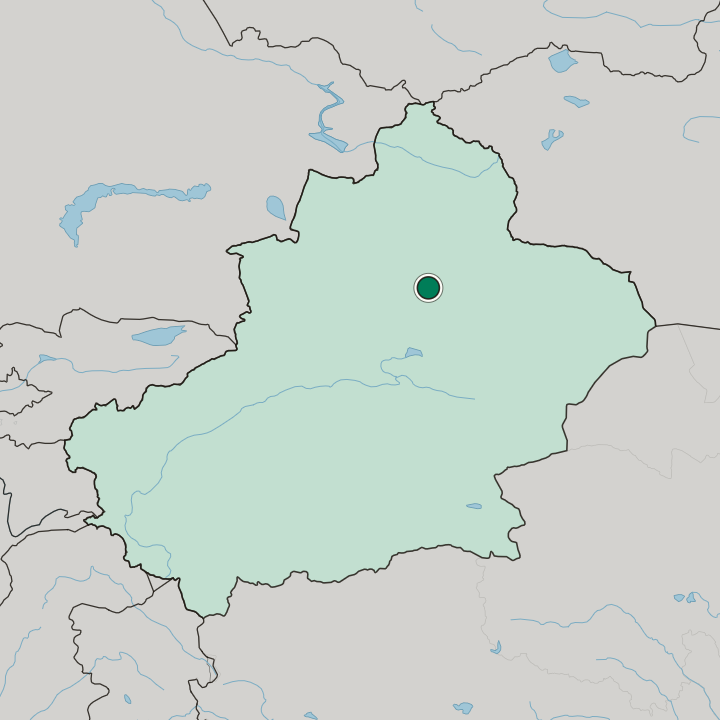
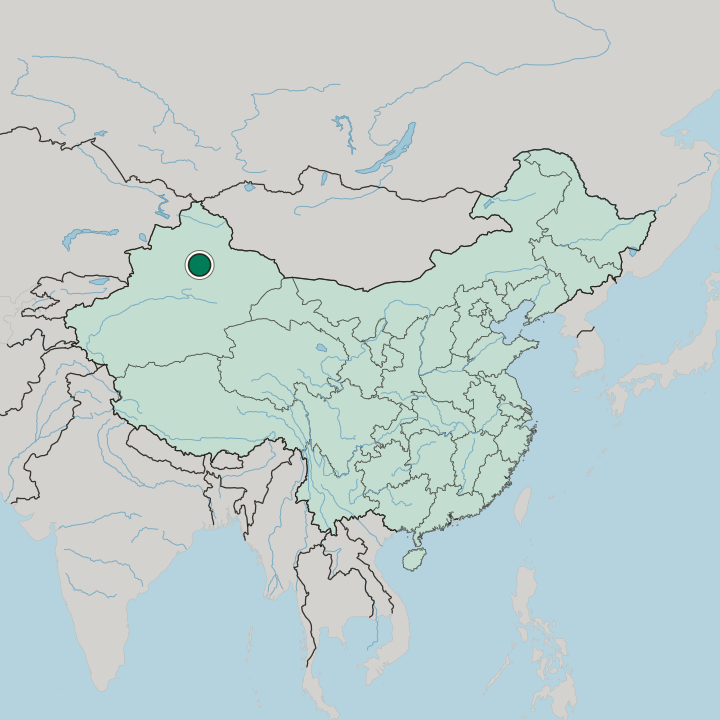
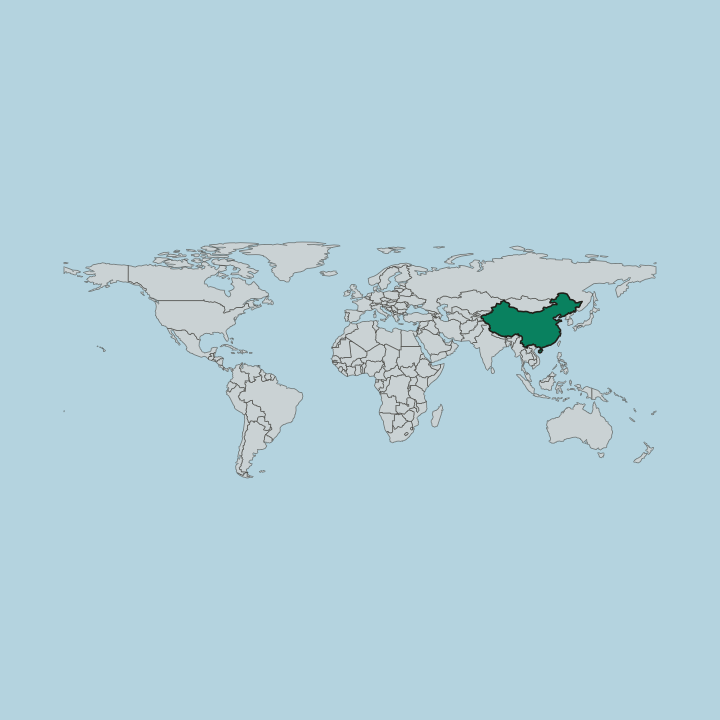
Ürümqi lies in northwestern China, high in the interior where the Tian Shan mountains rise from the plains of Xinjiang. Snow-capped peaks close the southern skyline. The city stretches for kilometres along a valley between ridges, far from any sea, on ground that grades from the mountain foothills to the dry basins beyond.
Deserts and grasslands surround the settled valley, and the meltwater of the Tian Shan feeds the city and the fields at its edge, so Ürümqi holds a green foothold in one of the most landlocked corners of the continent.
What is the climate of Ürümqi?
Ürümqi has a dry, strongly continental climate set by its deep interior position below the Tian Shan. The extremes are wide. Winters are long and bitterly cold, with hard frosts and snow settling in the valley, while summers turn hot and dusty as the sun beats on the surrounding basins far from any moderating sea.
Rain and snow are scarce all year, and the meltwater of the Tian Shan matters more than the sky for the fields. Spring and autumn pass quickly between the seasons.
How do you get to Ürümqi?
Ürümqi is the transport hub of Xinjiang, and most travellers reach it by air or the long-distance railway. Flights are the fastest way in. The airport connects the city to the rest of China and to Central Asia, one of the busiest in the country's interior, while high-speed and conventional trains cross the deserts and skirt the Tian Shan to tie Ürümqi into the national network.
Expressways run out toward the mountain passes and the oasis towns of the region. From here the roads and rails fan across Xinjiang.
Common questions
What is the best area to stay in Ürümqi?
Central commercial districts: first-time visitors. Bazaar quarter: market and food lovers. Northern districts: space near the mountains.
Good for
More cities in Xinjiang Uyghur Autonomous Region
Updated September 2026