Czech Republic · Jihomoravský kraj
Where to Stay in Brno, Jihomoravský kraj
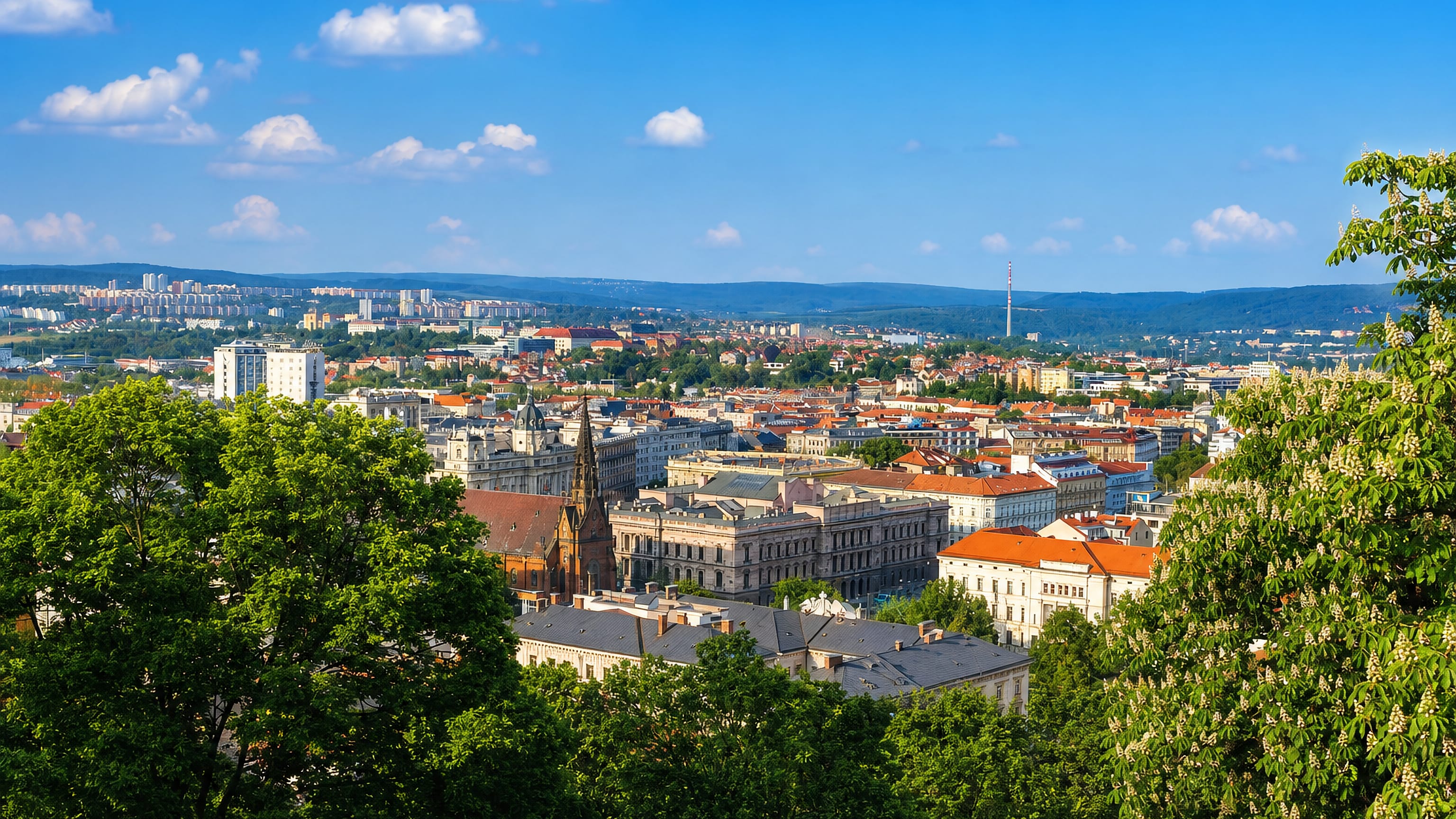
Špilberk Castle looks down on Brno, the largest city of Moravia and second city of the Czech Republic, set where the Svitava meets the Svratka.
Hotel links are affiliate links: booking through them may earn us a commission, at no extra cost to you. It never affects how places are ranked. How this works


Where to stay in Brno
Where you base yourself shapes the visit — here's the character of each area.

 BrnoCzech Republic
Staré Brno
Staré Brno is a cadastral territory of Brno, once a town in its own right, annexed in 1850 and since 1990 part of Brno-střed.Where to stay → BrnoCzech Republic
Zábrdovice
Zábrdovice grew up northeast of the centre of Brno as a village of its own, and kept its monastery and church when the city took it in.Where to stay → BrnoCzech Republic
Veveří
Veveří runs north of the historic centre of Brno, a dense quarter of churches, palaces and memorials inside the city district of Brno-střed.Where to stay →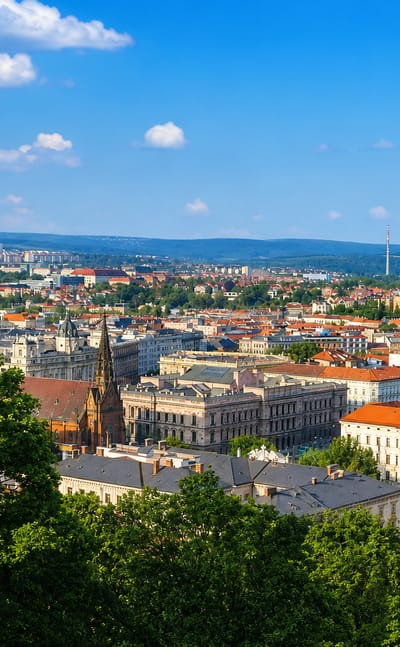 BrnoCzech Republic
Štýřice
Štýřice spreads southwest of the centre of Brno, and its ground carries the Central Cemetery with the memorials set among the graves.Where to stay →BrnoCzech RepublicPonava
Ponava belongs to Brno-Královo Pole, a compact cadastral territory whose landmarks run from Jaruškův dům to the memorials on the university grounds.Where to stay →BrnoCzech RepublicStránice
Stránice packs 0.93 square kilometres into the Brno-střed city district of Brno, ground the city annexed in 1850.Where to stay → BrnoCzech Republic
Pisárky
Pisárky lies west of the historical centre of Brno, its ground given over to the exhibition halls and the Anthropos Pavilion.Where to stay → BrnoCzech Republic
Komárov
Komárov sits in the south of Brno, a village taken into the city whose landmark list runs from the Vaňkovka machine shop to the Fait Gallery.Where to stay →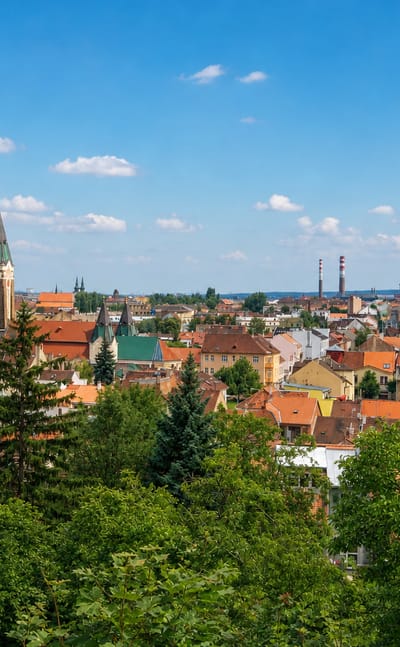 BrnoCzech Republic
Husovice
Husovice was a town in its own right before Brno absorbed it, and the birth house of Bohumil Hrabal still stands among its streets.Where to stay → BrnoCzech Republic
Černá Pole
Černá Pole is a cadastral territory in the central part of Brno, holding the Dvojdům and the Sanatorium doktora Thorsche inside its bounds.Where to stay → BrnoCzech Republic
Horní Heršpice
A southern Brno territory, Horní Heršpice carries the Church of Klement Maria Hofbauer and belongs to the Brno-jih city district.Where to stay → BrnoCzech Republic
Lesná
Lesná is a Brno cadastral territory dated to 1969, covering some two and a half square kilometres in the northeastern part of the city.Where to stay →All neighbourhoods (16)
 BrnoCzech Republic
Dolní Heršpice
Dolní Heršpice is a 3.13-square-kilometre slice of Brno's south, listed for its Chapel of Saint Catherine of Siena.Where to stay → BrnoCzech Republic
Obřany
On the northeastern edge of Brno, Obřany keeps the Church of Saint Wenceslaus and four memorials within 5.28 square kilometres.Where to stay → BrnoCzech Republic
Brněnské Ivanovice
Brněnské Ivanovice runs to 4.17 square kilometres in the southeast of Brno, a former village inside the Brno-Tuřany city district.Where to stay → BrnoCzech Republic
Přízřenice
Přízřenice covers 3.82 square kilometres of southern Brno, with the Church of Saint Margaret and Olympia Brno on its Brno-jih roll.Where to stay →Hotel links are affiliate links: booking through them may earn us a commission, at no extra cost to you. It never affects how places are ranked. How this works
Find hotels in Brno
Direct booking searches for these neighbourhoods.
Old Town
Rooms around the Old Town Hall and the cathedral of St. Peter and Paul reach the Church of St. James and the Měnínská brána within a short walk.Find hotels in Old Townquiet courtyards below the fortress and easy tramsŠpilberk slope
The wooded slope beneath Špilberk Castle runs down past St Thomas's Abbey toward the Svratka and the outer quarters of Brno.Find hotels in Špilberk slopeHotel links are affiliate links: booking through them may earn us a commission, at no extra cost to you. It never affects how places are ranked. How this works
Things to do in Brno
Ranked by global recognition; descriptions from Wikidata (CC0).
Museums & Galleries
3- Leoš Janáček Memorial Heritage
- Vaňkovka machine shop Heritage
- Moravian Museum
Churches & Religious Sites
8- cathedral of St. Peter and Paul Heritage
- St Thomas's Abbey in Brno Heritage
- Basilica of the Assumption of Our Lady Heritage
- Church of St. James Heritage
- Church of St. Thomas Heritage
Show 3 more →
- Red Church in Brno Heritage
- Church of the Assumption of the Virgin Mary Heritage
- Capuchin monastery Heritage
Castles & Historic Sites
3- Špilberk Castle Heritage
- betonový monument na čestném pohřebišti sovětských vojáků na Ústředním hřbitově v Brně Heritage
- pylon at the Central Cemetery in Brno Heritage
Stadiums & Sports
1- Pavilon F
Landmarks & Notable Places
7- Měnínská brána Heritage
- Jaruškův dům Heritage
- Stopkova plzeňská pivnice Heritage
- Dvojdům Heritage
- Drobného 28c Heritage
Show 2 more →
- Sanatorium doktora Thorsche Heritage
- obydlí správce na Ústředním hřbitově v Brně Heritage
worth knowingacross 5 categories in Brno
About Brno
What is Brno known for?
Brno is known as the capital of Moravia and the administrative heart of the South Moravian Region, long the second city of the Czech Republic behind Prague. Its hill fortress marks the skyline. Špilberk Castle broods over the rooftops, the cathedral of St. Peter and Paul lifts its Gothic spires on the neighbouring rise, and the Old Town Hall keeps its twisted spire above the medieval core. Music belongs here too.
The Leoš Janáček Memorial keeps the name of the composer whose work grew out of the Moravian city and its songs.
What are the main landmarks in Brno?
Špilberk Castle crowns the landmarks of Brno, its baroque ramparts holding the hill above the old town. The fortress dominates the view. On the neighbouring rise the cathedral of St. Peter and Paul lifts its Gothic spires, the Church of St. James shelters an ossuary beneath the streets, and the Old Town Hall carries its famously twisted spire over the market squares.
The Měnínská brána survives as the last of the medieval town gates, while St Thomas's Abbey, the Capuchin monastery, and the Moravian Museum gather the art and relics of the Moravian city.
What is the history of Brno?
Brno took its royal charter in 1243, the market town below the castle hill growing into the chief seat of Moravia. The charter fixed its rank. Merchants gathered under the fortified rise where Špilberk Castle would rise, churches multiplied around the squares, and by the fourteenth century the town had become the recognised capital of Moravia, a role it held through the shifts of kingdom and empire that followed.
Stone and siege marked the centuries that came after. The cathedral of St. Peter and Paul rose on its rock, the Old Town Hall gathered the burghers around its twisted spire, and Špilberk Castle turned from a royal seat into a fortress and a prison whose casemates held captives from across the empire. The Moravian city kept its place as the modern state formed, becoming the administrative centre of the South Moravian Region of the Czech Republic.
Music grew here as well. The name of Leoš Janáček stayed tied to Brno, the composer whose operas drew on the speech and song of Moravia.
Where is Brno?
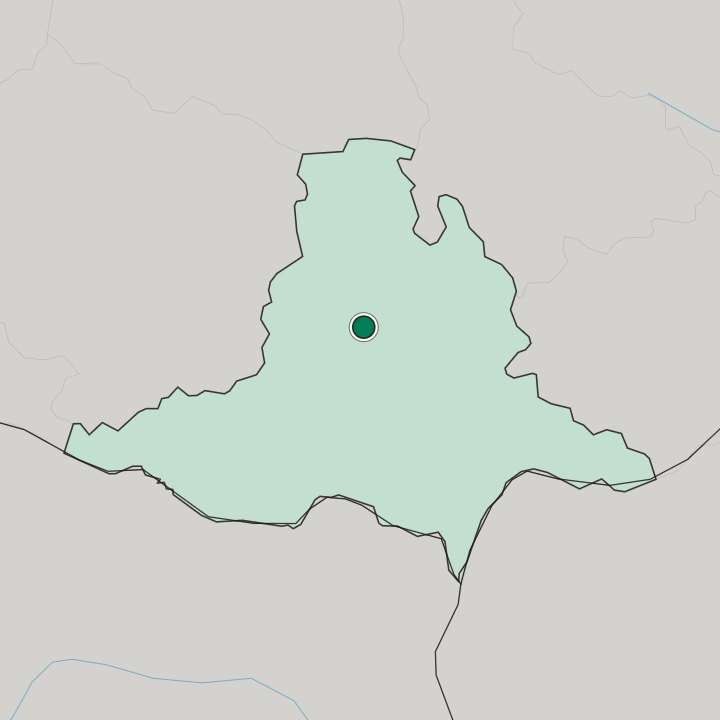
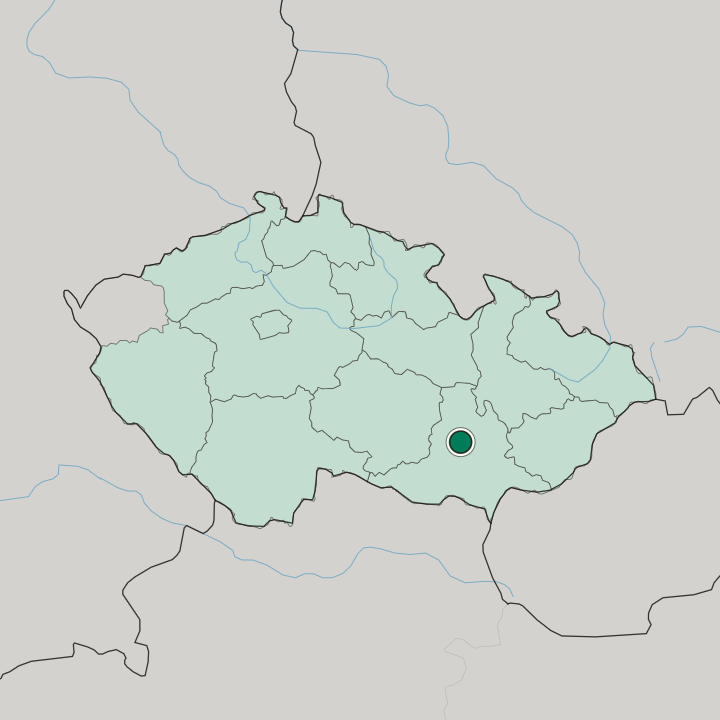
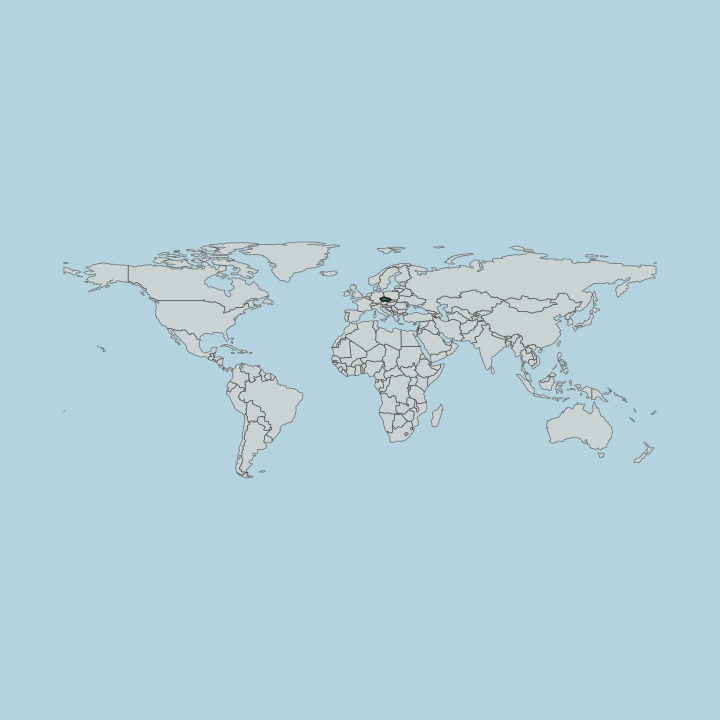
Brno lies at the confluence of the Svitava and the Svratka, the two rivers meeting in a basin among the hills of southern Moravia. The rivers ring the town. Špilberk Castle rises on a wooded knoll at the centre, and the old streets gather below it while the ground climbs away toward the vineyards and the limestone of the Moravian Karst to the north. This inland setting places Brno at the heart of the South Moravian Region, well south of Prague and far from any coast.
What is the climate of Brno?
Brno has a temperate inland climate, warmed a little by its sheltered basin between the Svitava and the Svratka. Summers run warm and dry. The vineyards of southern Moravia ripen through long sunny spells, while the winters turn cold and often grey over Špilberk Castle and the river valleys below.
Spring and autumn bring the shifting weather of the Moravian lowlands, mild days broken by rain and mist around the hills of Brno.
How do you get to Brno?
Brno sits on the main rail corridor between Prague and the southern border, its central station a junction for lines across the Czech Republic. Trains reach the core directly. A regional airport serves the city from the south-east, and the motorways that cross the South Moravian Region link Brno onward toward Vienna and Bratislava, while trams and buses thread the streets between the Svitava and the Svratka to the old town below Špilberk Castle.
Common questions
What is the best area to stay in Brno?
Old Town: Gothic spires, market squares, and the old town gate on foot. Špilberk slope: quiet courtyards below the fortress and easy trams.
Good for
Updated October 2026