Germany · Hessen
Where to Stay in Fulda, Hessen
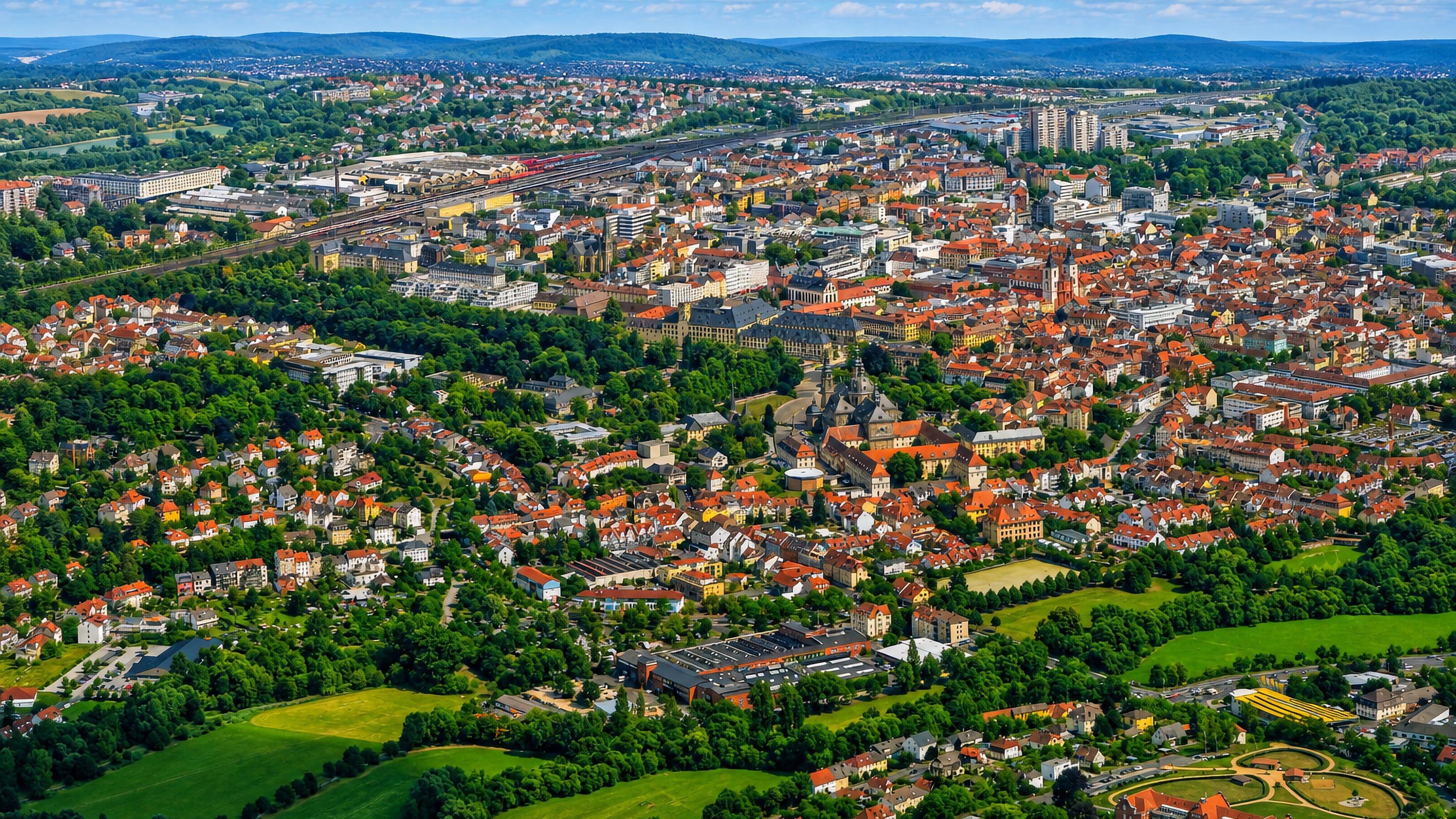
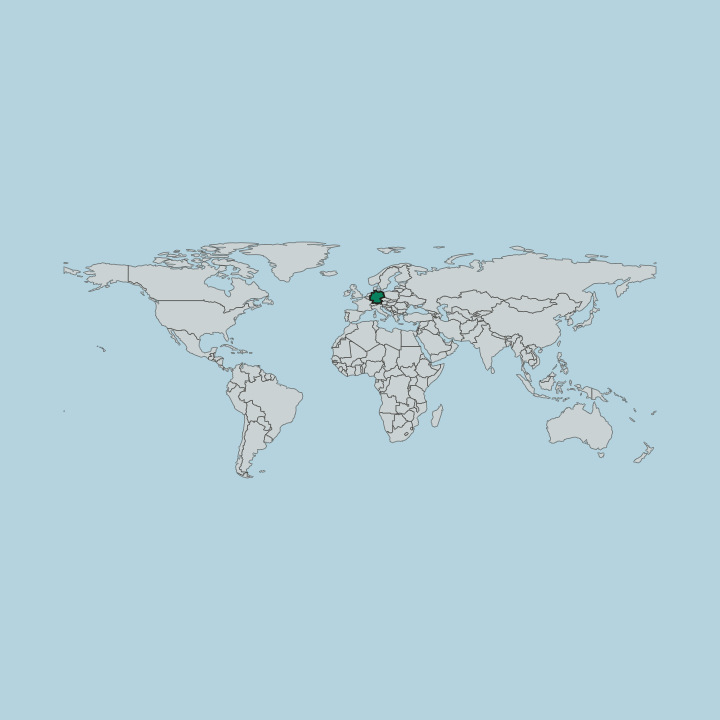
Fulda ranges its cathedral, abbey churches and city palace along the river Fulda, seat of the Fulda district in Hesse and a town dated to 1101.
Hotel links are affiliate links: booking through them may earn us a commission, at no extra cost to you. It never affects how places are ranked. How this works


Where to stay in Fulda
One neighbourhood here has its own guide — here's what it is best for.

 FuldaGermany
Horas
Horas is a district of Fulda, just under two square kilometres of city ground holding Kloster Frauenberg and the Tümpelgarten.Where to stay →Hotel links are affiliate links: booking through them may earn us a commission, at no extra cost to you. It never affects how places are ranked. How this works
Find hotels in Fulda
Direct booking searches for these neighbourhoods.
Cathedral quarter
Fulda Cathedral, Fulda City Palace and the Vonderau Museum face one another across the baroque quarterFind hotels in Cathedral quarterGuests who want the Kloster Frauenberg climb before breakfastFrauenberg
Kloster Frauenberg crowns the height above Fulda, a stiff walk up from the cathedral and clear of its visitors. Rooms are few around here — worth securing early.Find hotels in FrauenbergSlow days between the Wirgarten Fulda and the TümpelgartenWirgarten and the riverside
The river Fulda passes the Wirgarten Fulda and the Tümpelgarten, green ground just outside the cathedral streets. Beds are limited here, so book early.Find hotels in Wirgarten and the riversideDrivers taking parking over a walk to Fulda CathedralTowards Künzell
The Sendeturm Künzell marks where Fulda thins into open country, with the Petersberger Warte on the same outer ring. Few places to stay nearby — book ahead.Find hotels in Towards KünzellHotel links are affiliate links: booking through them may earn us a commission, at no extra cost to you. It never affects how places are ranked. How this works
Things to do in Fulda
Ranked by global recognition; descriptions from Wikidata (CC0).
Museums & Galleries
3- Vonderau Museum Heritage
- Blackhorse Museum Fulda
- Dommuseum Fulda
Churches & Religious Sites
8- Fulda Cathedral Heritage
- St. Michael's Church Heritage
- Kloster Frauenberg Heritage
- St. Mary's Abbey, Fulda Heritage
- Propstei Johannesberg Heritage
Show 3 more →
- Saint Andrew Church Heritage
- Saint Mark Church Heritage
- St. Peter Heritage
Castles & Historic Sites
1- Fulda City Palace Heritage
Landmarks & Notable Places
3- Witches' tower Heritage
- Powder tower Heritage
- Sendeturm Künzell
worth knowingacross 4 categories in Fulda
About Fulda
The cathedral runs the town.
What is Fulda known for?
Fulda Cathedral and the Dommuseum Fulda stand at the head of an ecclesiastical centre that grew out of the abbey ground behind them. Baroque did the rest. Fulda City Palace faces the same quarter across open ground, the Vonderau Museum handles what the churches leave out, and the older St. Michael's Church survives among them.
What are the main landmarks in Fulda?
Fulda Cathedral takes precedence. Behind it the Witches' tower and the Powder tower survive from the defences, the Petersberger Warte watches from the outer ground, and the Sendeturm Künzell rises well beyond anything the medieval town put up. Gardens count here.
The Wirgarten Fulda and the Tümpelgarten are the green pair, while the Vonderau Museum, the German Fire Brigade Museum in Fulda, the Blackhorse Museum Fulda and the Kinder-Akademie Fulda cover collections of very different kinds.
What is the history of Fulda?
The abbey came before the town. St. Mary's Abbey, Fulda and the Benediktinerpropstei Michaelsberg carry the monastic beginning, and the church known as St. Michael's Church survives from the same early ground beside them. A town followed in 1101.
Its walls left the Witches' tower and the Powder tower behind. Prince-abbots turned an abbey into a residence. Fulda City Palace was raised for that court and the cathedral rebuilt in the taste of the age, which is why an ecclesiastical settlement now reads as a baroque town centre with a religious core rather than the reverse.
Other houses filled the map. The Franziskanerkloster Fulda, the Institut der Englischen Fräulein and Kloster Frauenberg all held ground within or above the town, and the Propstei Johannesberg did the same out in the district. Parishes multiplied later.
The Christuskirche, Saint Mark Church, Saint Andrew Church and the church of St. Peter divide the congregations across a city that long outgrew its cathedral parish. Civic life took its own turn. Fulda hosted the Hessentag state festival in 1990, and the Vonderau Museum keeps the local record of that century alongside the older material, with the Dommuseum Fulda holding what belongs to the cathedral itself.
Where is Fulda?
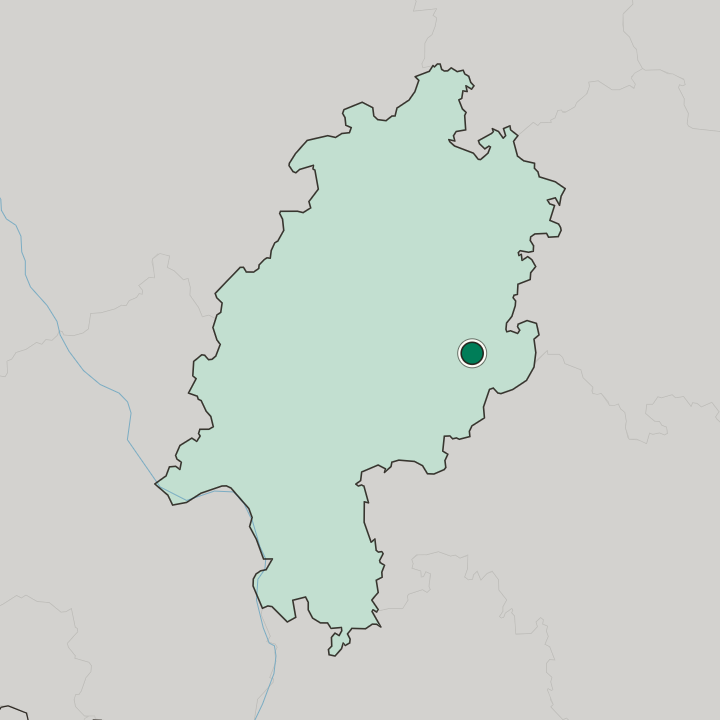
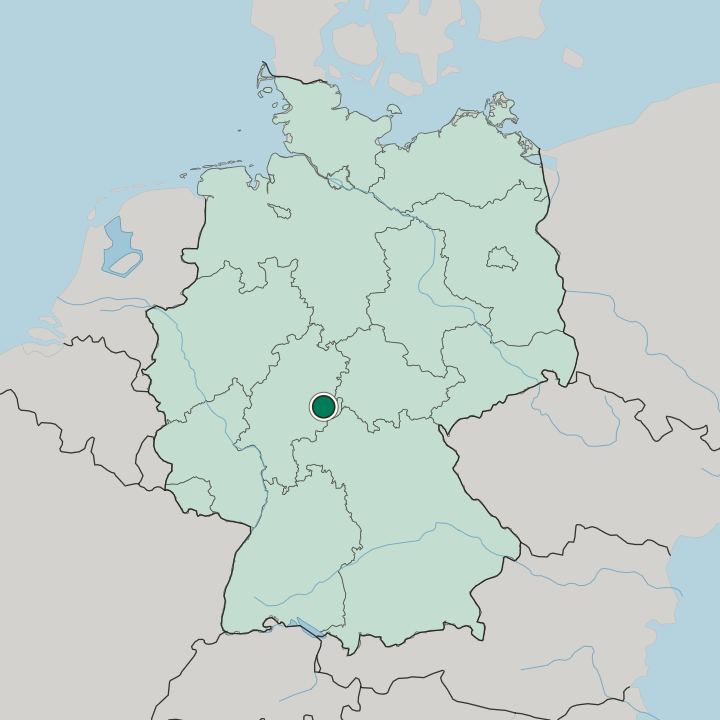
About 104 square kilometres of the Fulda district belong to the city, laid along the river Fulda with wooded height rising on one side. The Frauenberg is the nearest of those heights. Kloster Frauenberg occupies its top, the Petersberger Warte marks a further rise beyond the built-up ground, and the Sendeturm Künzell shows where the neighbouring country begins.
Hesse continues in every direction.
What is the climate of Fulda?
The river Fulda cools the valley floor. Height does the opposite favour on the Frauenberg, where the air stays fresher through a warm afternoon than it does among the baroque streets down by the cathedral. Winters are plain temperate.
The Vonderau Museum and the Dommuseum Fulda hold the wet hours.
How do you get to Fulda?
Frankfurt is about an hour away by train, which makes Fulda an easy detour from a journey rather than a trip that has to be planned around for its own sake. The district roads come in too. Künzell and the outer parts are crossed on the way to the cathedral quarter, where Fulda City Palace and the Vonderau Museum stand.
Rail carries most arrivals to Fulda.
Common questions
What is the best area to stay in Fulda?
Cathedral quarter: Mornings that open at Fulda Cathedral and the Dommuseum Fulda. Frauenberg: Guests who want the Kloster Frauenberg climb before breakfast. Wirgarten and the riverside: Slow days between the Wirgarten Fulda and the Tümpelgarten. Towards Künzell: Drivers taking parking over a walk to Fulda Cathedral.
Good for
More cities in Hessen
Updated October 2026