Germany · Hessen
Where to Stay in Marburg an der Lahn, Hessen
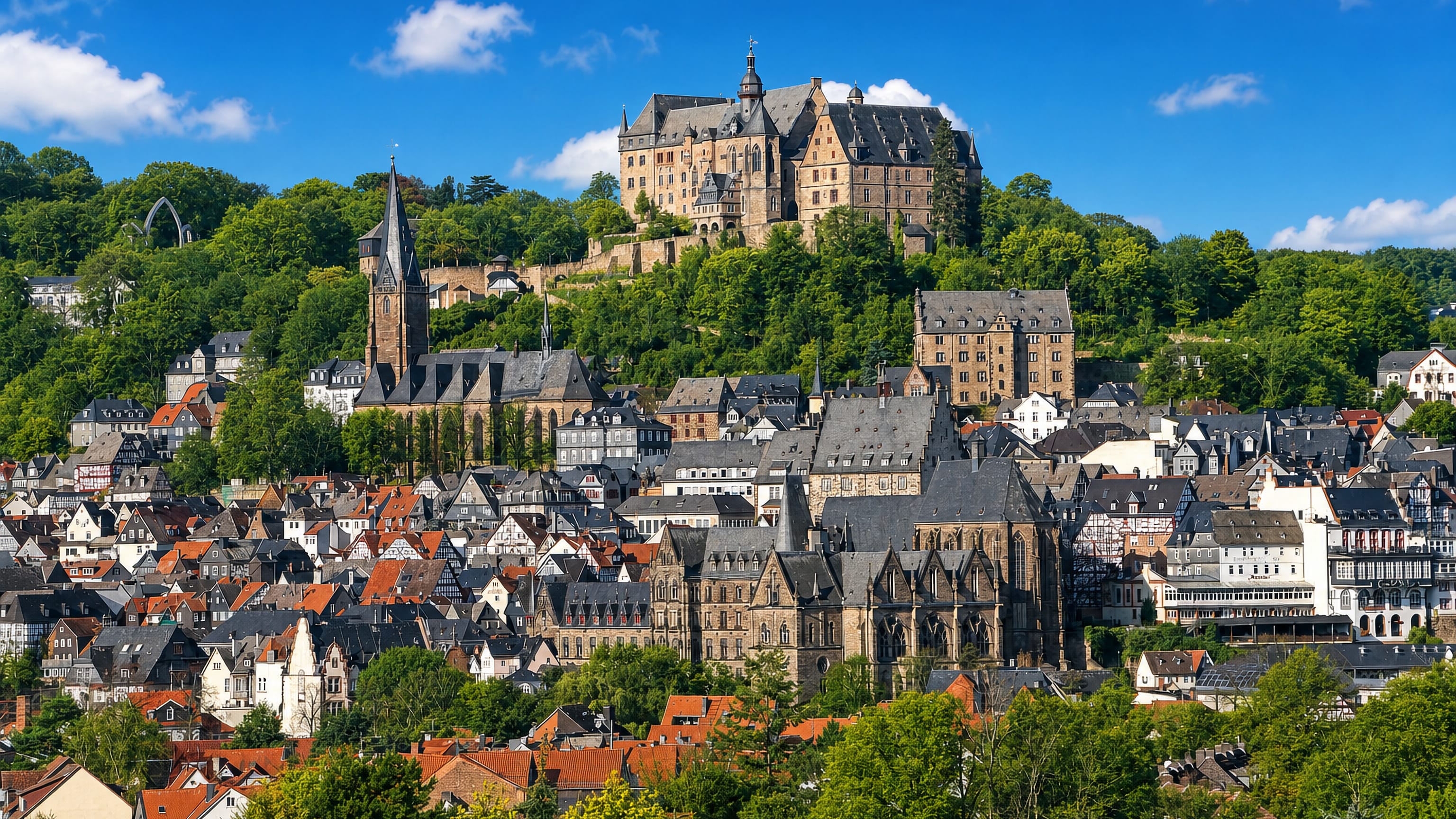
Marburg climbs from the Lahn. Marburg Castle, the old city and the buildings of the Philipps-Universität Marburg stack up one hillside.
Hotel links are affiliate links: booking through them may earn us a commission, at no extra cost to you. It never affects how places are ranked. How this works



Where to stay in Marburg an der Lahn
One neighbourhood here has its own guide — here's what it is best for.

 Marburg an der LahnGermany
Weidenhausen
Weidenhausen is one of the old quarters of Marburg an der Lahn, a short walk from Marburg Castle and the University Church of Marburg.Where to stay →Hotel links are affiliate links: booking through them may earn us a commission, at no extra cost to you. It never affects how places are ranked. How this works
Find hotels in Marburg an der Lahn
Direct booking searches for these neighbourhoods.
The old city under Marburg Castle
Marburg Castle crowns the old city, with the University Church of Marburg and the Marburger Kunstverein inside the same steep few streets.Find hotels in The old city under Marburg CastleStays that want St. Elisabeth's Church and level ground instead of the climb.The valley floor by St. Elisabeth's Church
St. Elisabeth's Church and the Lahn hold the flat part of Marburg, so the station and the evening walk both stay level.Find hotels in The valley floor by St. Elisabeth's ChurchPlain, quiet rooms out by the Marienkirche, clear of the student lanes.Wehrshausen
Wehrshausen keeps its own Marienkirche and its own pace well beyond the slope that Marburg Castle looks down. Beds are limited here, so book early.Find hotels in WehrshausenHotel links are affiliate links: booking through them may earn us a commission, at no extra cost to you. It never affects how places are ranked. How this works
Things to do in Marburg an der Lahn
Ranked by global recognition; descriptions from Wikidata (CC0).
Museums & Galleries
3- Marburg Art Museum Heritage
- Wilhelmsbau Heritage
- Marburger Kunstverein
Churches & Religious Sites
8- St. Elisabeth's Church Heritage
- University Church of Marburg Heritage
- St. Peter and Paul Marburg Heritage
- Franziskanerkloster Marburg Heritage
- chapel St. Michael Heritage
Show 3 more →
- St. Martin's Church Heritage
- Ecumenical community center St. Thomas Church Heritage
- Auferstehungskirche (Marburg) Heritage
Castles & Historic Sites
2- Marburg Castle
- Kassenburg
Landmarks & Notable Places
3- Sender Marburg
- Fernmeldeturm Marburg
- Bettinaturm
worth knowingacross 4 categories in Marburg an der Lahn
About Marburg an der Lahn
A castle, a university and a church.
What is Marburg an der Lahn known for?
Marburg Castle holds the height above the Lahn, the historical buildings of the Philipps-Universität Marburg count among the sights in their own right, and the old city fills the slope between them. St. Elisabeth's Church stands lower down. Museums do the detail work, from the Museum anatomicum to the Museum of Religions and the Marburger Kunstverein.
The Spiegelslust tower is the viewpoint.
What are the main landmarks in Marburg an der Lahn?
Marburg Castle is the fixed point. St. Elisabeth's Church takes the lower ground, and the University Church of Marburg and St. Peter and Paul Marburg divide much of the rest of the ecclesiastical map. Towers mark the skyline, the Spiegelslust tower and the Fernmeldeturm Marburg among them, with the Bettinaturm, the Wilhelmsbau and the Kassenburg holding older ground.
Collections fill the gaps. Museum anatomicum, the Museum of Religions and the Mineralogical Museum of the Philipps-University Marburg cover anatomy, belief and minerals. The Jägerdenkmal is the smallest thing on the list.
What is the history of Marburg an der Lahn?
The record begins in 1140. Marburg Castle held the valley of the Lahn from its hill, and the town that formed under it took the shape the slope allowed rather than the shape a planner would have chosen. Religious houses came early.
The Franziskanerkloster Marburg and the Dominikanerkloster Marburg both belong to that phase, and the chapel St. Michael survives from it as well. St. Elisabeth's Church is the building that carried the name of the town furthest. The university reordered everything after that.
Philipps-Universität Marburg left its mark in buildings across the old streets, and the University Church of Marburg, the Museum anatomicum and the Mineralogical Museum of the Philipps-University Marburg all descend from it. The town spread onto flatter ground. Wehrshausen and its Marienkirche stand at that outer edge, while the Auferstehungskirche and the Ecumenical community center St. Thomas Church belong to the newer parishes that filled in behind.
Masts followed the parishes. Sender Marburg and the Fernmeldeturm Marburg date the century that put transmitters on hills, and the Spiegelslust tower shares the skyline with them. Marburg serves as the seat of Marburg-Biedenkopf.
Where is Marburg an der Lahn?
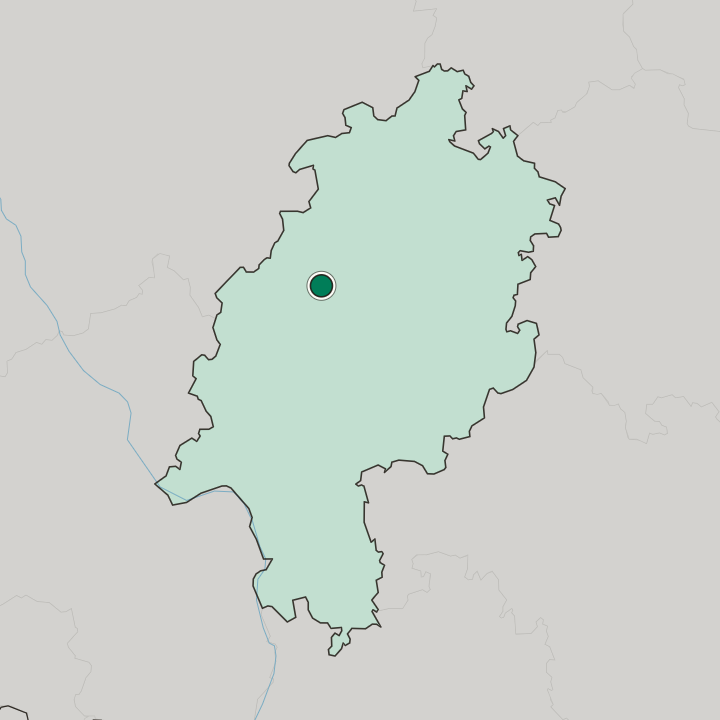
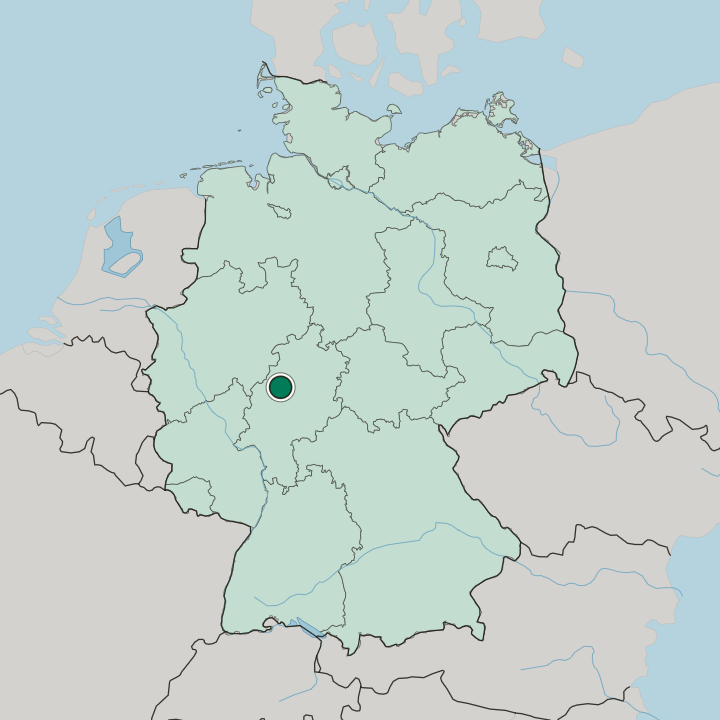
The Lahn valley shapes it. Marburg spreads along the river in Hessen, north of Frankfurt, with the old city stacked up one steep flank and Marburg Castle at the top of it. The district of Marburg-Biedenkopf runs outward from it.
Wehrshausen sits beyond the built-up ground, far enough out that the Marienkirche there serves a village rather than a quarter.
What is the climate of Marburg an der Lahn?
The Lahn valley holds the weather in. Cloud sits low along the river through the colder half of the year, and the flat ground by the water holds that damp longer than the slope above it. Summer belongs to the height.
The Spiegelslust tower and the walk up to Marburg Castle are warm-season pleasures, while the Museum anatomicum and the Museum of Religions absorb whatever the valley throws at the rest of the year.
How do you get to Marburg an der Lahn?
The Lahn valley is the way in. Roads and rail follow the river up from the direction of Frankfurt, which makes the approach to Marburg a valley run rather than a cross-country one. The climb starts on arrival.
St. Elisabeth's Church and the lower streets are level going, but Marburg Castle, the Marburger Kunstverein and most of the old city are reached on foot and uphill, and Wehrshausen needs a bus.
Common questions
What is the best area to stay in Marburg an der Lahn?
The old city under Marburg Castle: Walkers wanting Marburg Castle and the Marburger Kunstverein at the top of the lanes.. The valley floor by St. Elisabeth's Church: Stays that want St. Elisabeth's Church and level ground instead of the climb.. Wehrshausen: Plain, quiet rooms out by the Marienkirche, clear of the student lanes..
Good for
More cities in Hessen
Updated October 2026