Germany · Hessen
Where to Stay in Kassel, Hessen
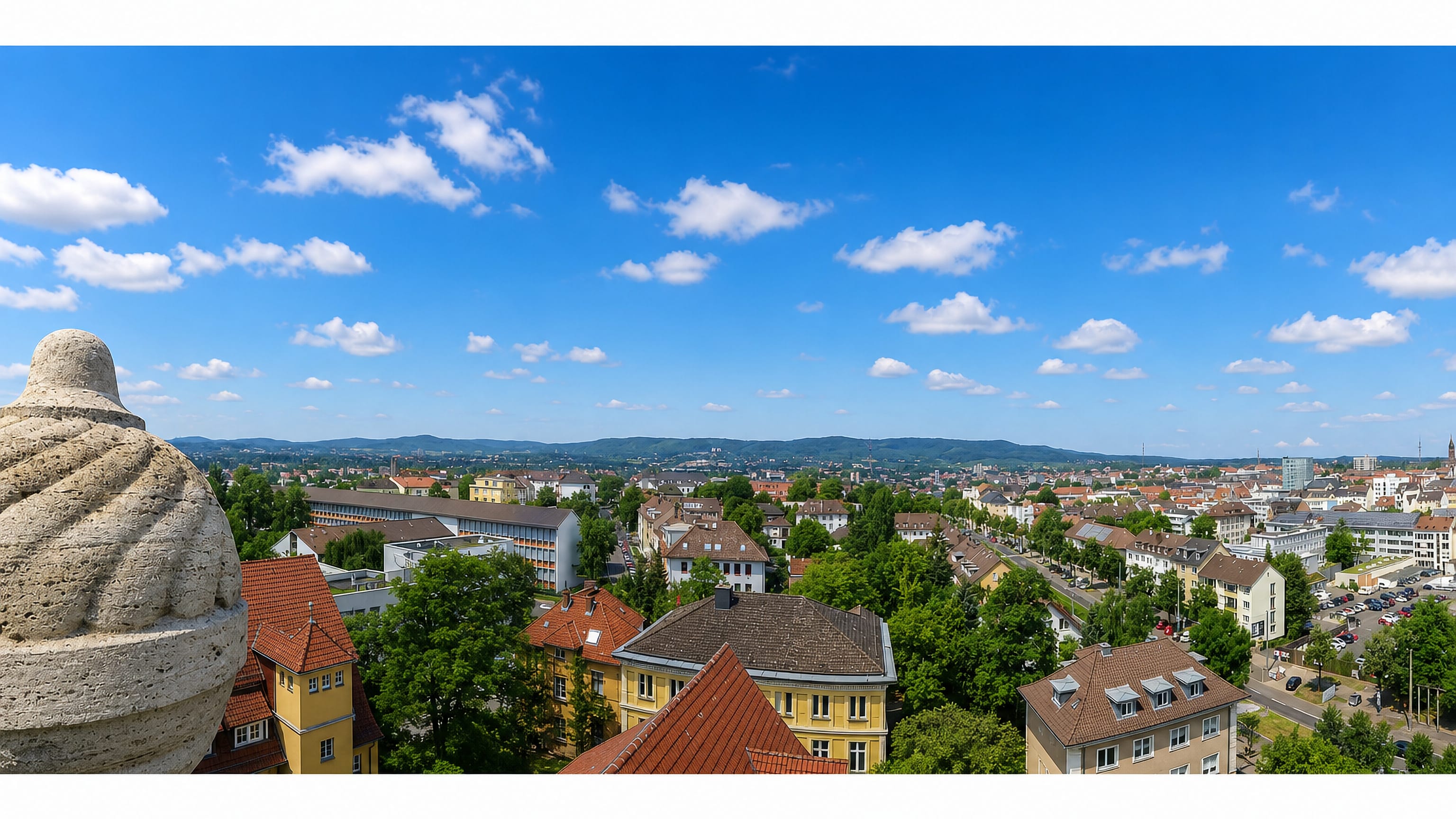
Water cascades down the terraces of Bergpark Wilhelmshöhe above Kassel, a city on the Fulda in northern Hessen, home of the documenta art exhibitions.
Hotel links are affiliate links: booking through them may earn us a commission, at no extra cost to you. It never affects how places are ranked. How this works


Where to stay in Kassel
Each area has its own feel; here's who each one suits.
 KasselGermany
Vorderer Westen
Vorderer Westen is a small, close-set district of Kassel in Hessen, marked by the Pauluskirche and by Sender Kassel-Tannenwäldchen.Vorderer Westen →KasselGermanyWehlheiden
Wehlheiden packs the Markuskirche, the Kreuzkirche and the Dichterhaus Brückner-Kühner into a small district of Kassel in Hessen.Wehlheiden →KasselGermanyRothenditmold
Rothenditmold gathers the Technik-Museum Kassel and its parish church into a compact district of the city of Kassel, in Hessen.Rothenditmold →KasselGermanyBettenhausen
The Tram Museum Kassel sits in Bettenhausen, a compact district of Kassel in Hessen with the Marienkirche Bettenhausen at its core.Bettenhausen →KasselGermanyPhilippinenhof
Philippinenhof, recorded in full as Philippinenhof-Warteberg, is a district of Kassel in Hessen whose landmark is the Zionskirche.Philippinenhof →KasselGermanyWaldau
The Wasserburg Waldau and the Kirche Waldau anchor Waldau, a district of the city of Kassel in Hessen.Waldau →KasselGermanyKirchditmold
Kirchditmold is one of Kassel's smaller districts, a tight quarter in Hessen whose single named landmark is the Kirche Kirchditmold.Kirchditmold →KasselGermanyHarleshausen
Three parish churches, the Erlöserkirche, Kirche Herz Mariä and the Paul-Gerhardt-Kirche, mark Harleshausen, a district of Kassel in Hessen.Harleshausen →KasselGermanyNiederzwehren
A First World War camp and its cemetery mark Niederzwehren, a district of Kassel in Hessen holding the Burgstall Niederzwehren.Niederzwehren →KasselGermanyWahlershausen
Wahlershausen is a district of Kassel in Hessen, entered on the register together with the name Bad Wilhelmshöhe.Wahlershausen →KasselGermanyWilhelmshöhe
Schloss Wilhelmshöhe gives this Kassel district its name and houses the Gemäldegalerie Alte Meister and the Antikensammlung Kassel.Wilhelmshöhe → KasselGermany
Oberzwehren
Sharing a name with Niederzwehren, Oberzwehren is a Kassel district in Hessen whose only named landmark is the Thomaskirche.Oberzwehren →KasselGermanyNordshausen
Burg Nordshausen supplies the landmark of Nordshausen, one of the districts making up the city of Kassel in Hessen.Nordshausen → KasselGermany
Brasselsberg
Brasselsberg is a garden-city district in the south-west of Kassel, on the south-eastern edge of the Hoher Habichtswald.Brasselsberg →Hotel links are affiliate links: booking through them may earn us a commission, at no extra cost to you. It never affects how places are ranked. How this works
Things to do in Kassel
Ranked by global recognition; descriptions from Wikidata (CC0).
Museums & Galleries
3- Fridericianum Heritage
- Ottoneum Heritage
- Gemäldegalerie Alte Meister
Churches & Religious Sites
6- Martinskirche Heritage
- Karlskirche Heritage
- Lutherkirche Kassel Heritage
- Ev. Garnisonskirche Heritage
- Markuskirche Heritage
Show 1 more →
- Thomaskirche Heritage
Castles & Historic Sites
3- Schloss Wilhelmshöhe Heritage
- Wimmel-Denkmal Heritage
- Standbild des Landgrafen Karl Heritage
Landmarks & Notable Places
3- Druselturm Heritage
- Zwehrenturm Heritage
- Sender Kassel-Tannenwäldchen
worth knowingacross 4 categories in Kassel
About Kassel
What is Kassel known for?
Kassel is known around the world for documenta, the exhibition of contemporary art that fills the city every five years and centres on the Fridericianum. Its other great draw stands on the hills. Bergpark Wilhelmshöhe, a UNESCO World Heritage Site, sends water tumbling down monumental terraces below a colossal statue of Hercules.
Kassel is also Grimm country, the city where the brothers gathered their fairy tales, now retold at the Grimmwelt Kassel above the Fulda in northern Hessen.
What are the main landmarks in Kassel?
The main landmarks in Kassel range from the hillside park to the museums of the centre. Bergpark Wilhelmshöhe, a UNESCO World Heritage Site, crowns the city with its Hercules statue and cascading water. Down in the centre the art gathers.
The Fridericianum stands at the heart of documenta, the Ottoneum holds the natural-history collection, the Neue Galerie and the Hessian State Museum show fine art and antiquities, and the Grimmwelt Kassel tells the story of the fairy-tale brothers above the Fulda.
What is the history of Kassel?
Kassel grew from a medieval settlement on the Fulda that received its town charter in 1330, and for centuries it was a seat of power. It became the residence of the landgraves and later electors of Hesse-Kassel, who ruled a state from the city and built the palaces and gardens that still define it. Their grandest project climbed the western hills.
Over generations the landgraves laid out Bergpark Wilhelmshöhe, crowning it with the Hercules statue and the great cascade of water that now carries UNESCO World Heritage status. The Enlightenment left its own mark when the Fridericianum opened as one of the first public museums on the European continent. The modern centuries were harder on the old city.
Kassel lost its independent statehood, and in the twentieth century wartime bombing destroyed much of the medieval core, so the modern centre is largely a postwar rebuilding. Out of that ruin came reinvention. The documenta exhibition of contemporary art was founded here in the postwar years and returns every five years to make Kassel a fixture of the art world.
The Brothers Grimm, who worked in the city and gathered their tales here, gave it a second identity now kept alive at the Grimmwelt Kassel above the Fulda in northern Hessen.
Where is Kassel?
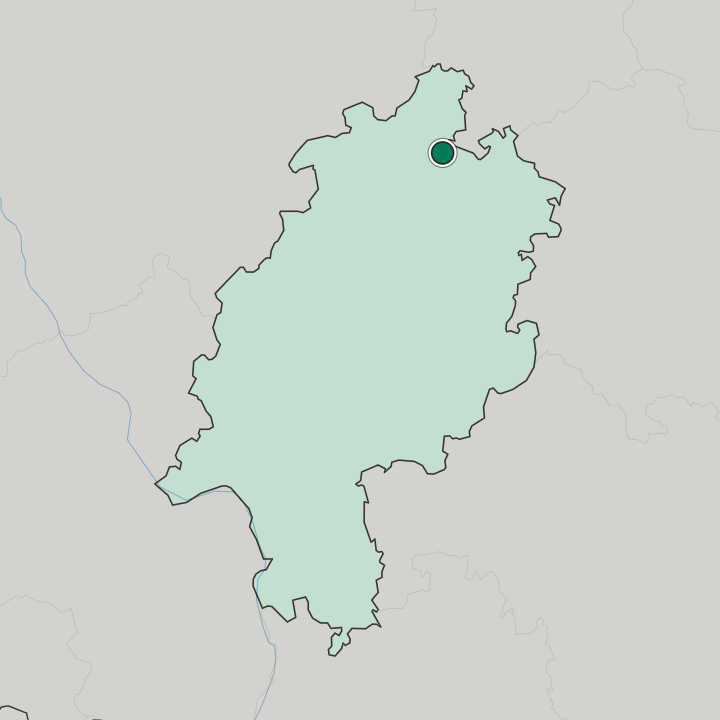
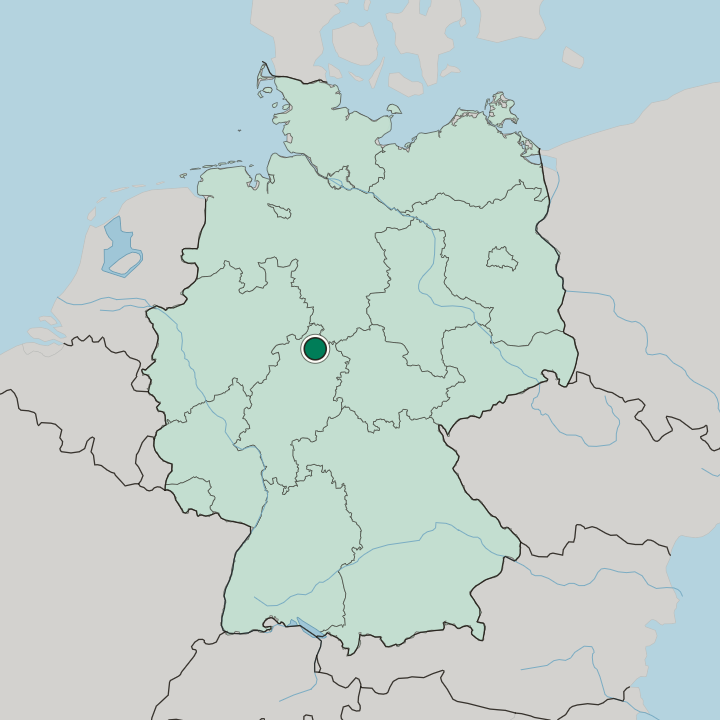
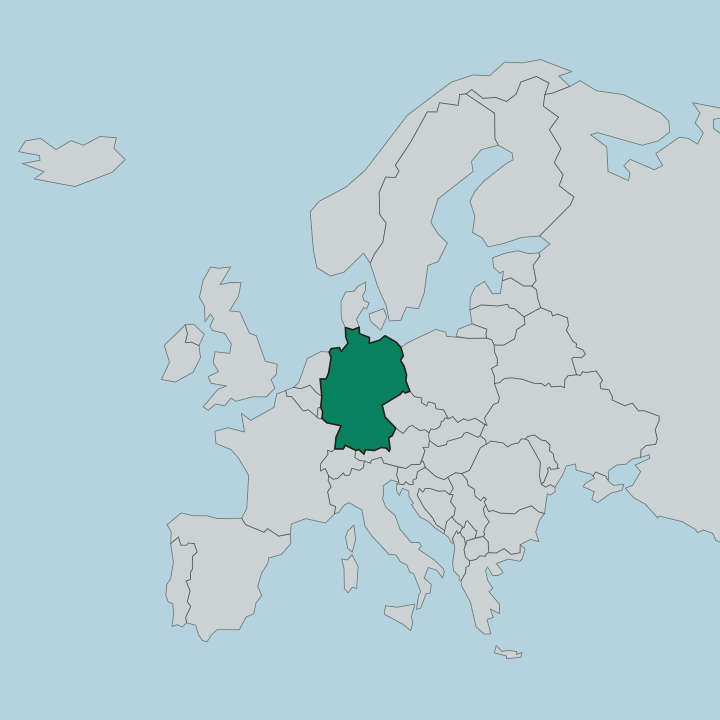
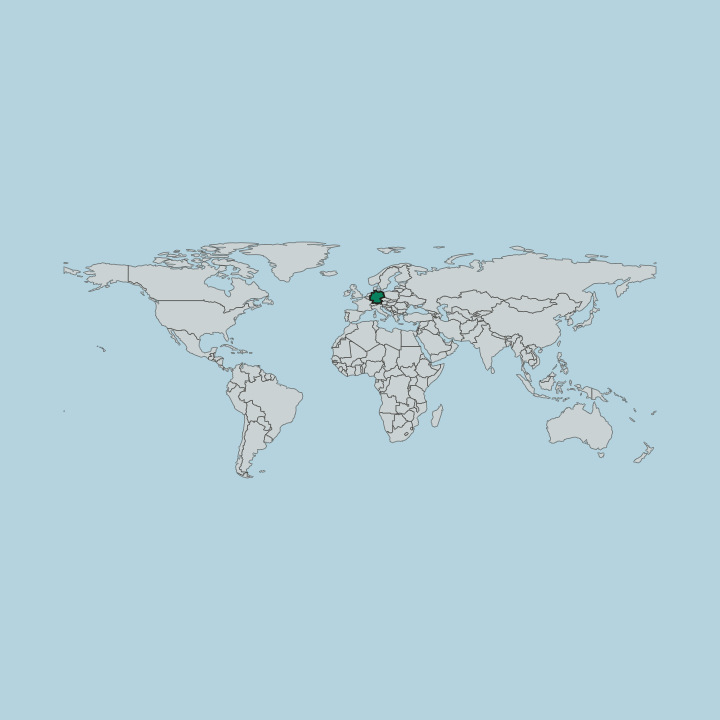
Kassel sits on the Fulda River in northern Hessen, in the hilly heart of central Germany. The city fills a river basin ringed by wooded uplands, and to the west the ground climbs steeply to the ridge of Bergpark Wilhelmshöhe. The setting is green and hilly.
Forested slopes and the surrounding heights of northern Hessen frame the town, while the Fulda threads through the centre and carries the valley northward out of the city.
What is the climate of Kassel?
Kassel has a temperate upland climate shaped by its basin among the hills of northern Hessen. Winters are cool to cold, with more frost and snow than the milder Rhine cities to the west, held in by the surrounding heights. Kassel's summers run warm and leafy in the basin.
The wooded slopes above the Fulda and the elevation of Bergpark Wilhelmshöhe keep the air fresher than the lowlands, and rain falls readily across the seasons in this central German upland.
How do you get to Kassel?
Getting to Kassel is straightforward by rail from central Germany. The Kassel-Wilhelmshöhe station sits on the north-south high-speed line, putting the city within easy reach of Frankfurt am Main to the south and the wider German network. The autobahn crosses here too.
Fast trains and motorways meet at Kassel in the middle of the country, and local trams and buses connect the centre with the Wilhelmshöhe park and the surrounding towns of northern Hessen along the Fulda.
Good for
More cities in Hessen
Updated October 2026