Germany
Land Berlin, Germany — Towns & Travel Guide
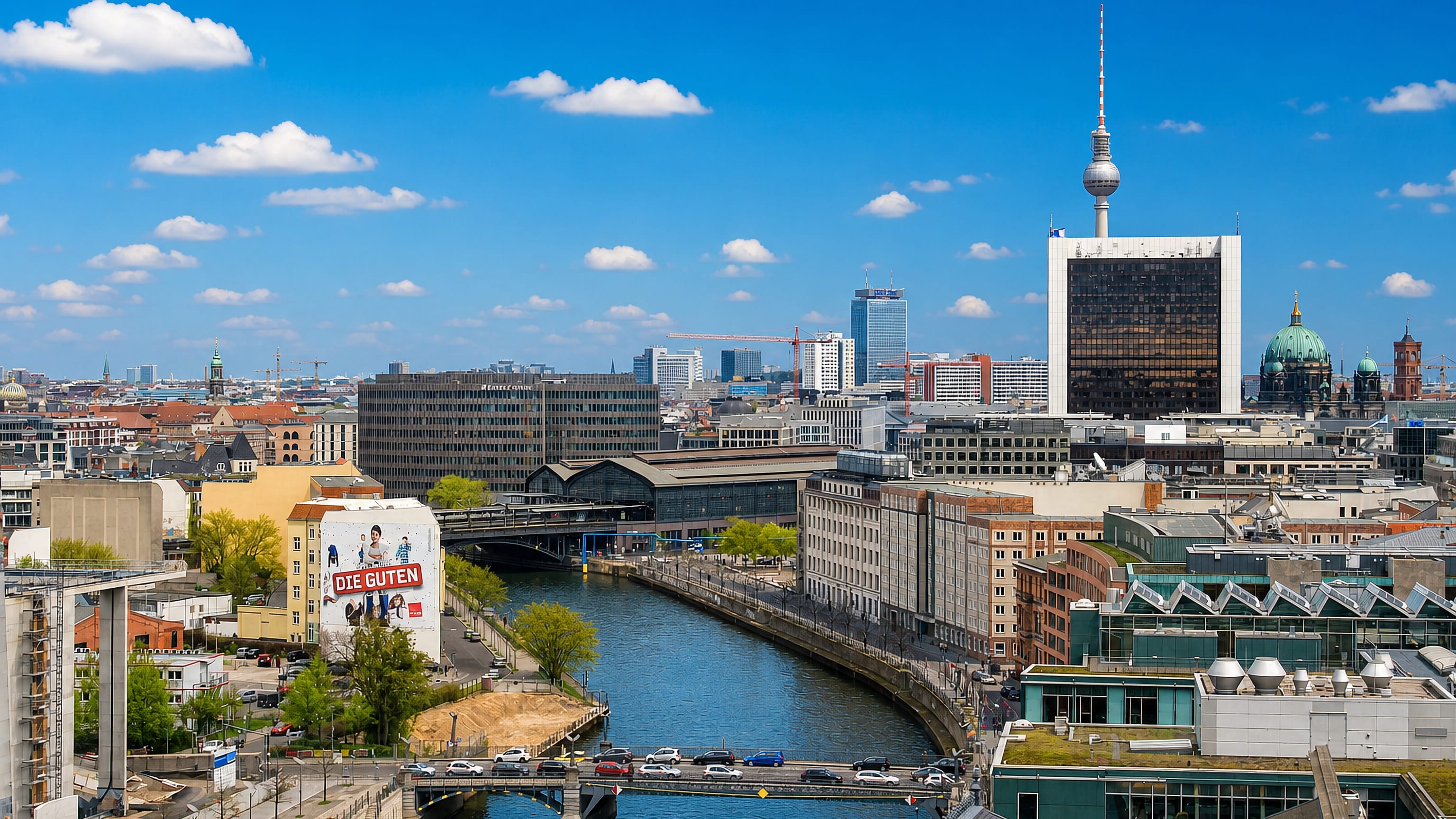
Berlin is the capital of Germany and a city-state of its own, Germany's largest city by area, ringed entirely by the surrounding state of Brandenburg.
Hotel links are affiliate links: booking through them may earn us a commission, at no extra cost to you. It never affects how places are ranked. How this works


Towns & cities in Land Berlin
One town here has its own guide — it links to where to stay.
 Germany
Berlin
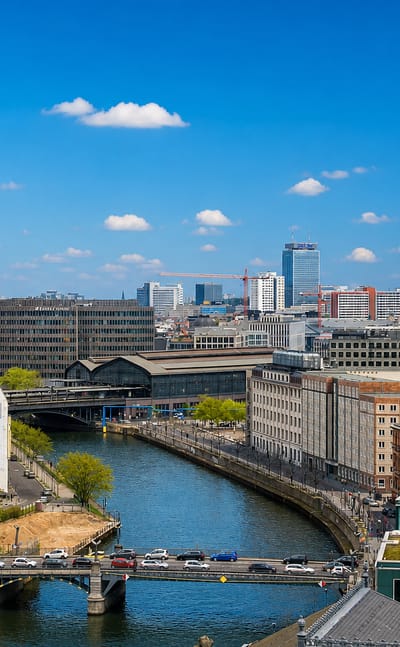
Berlin is the capital of Germany, a city-state where grand museums and monuments gather around the Brandenburg Gate and Museum Island.Where to stay →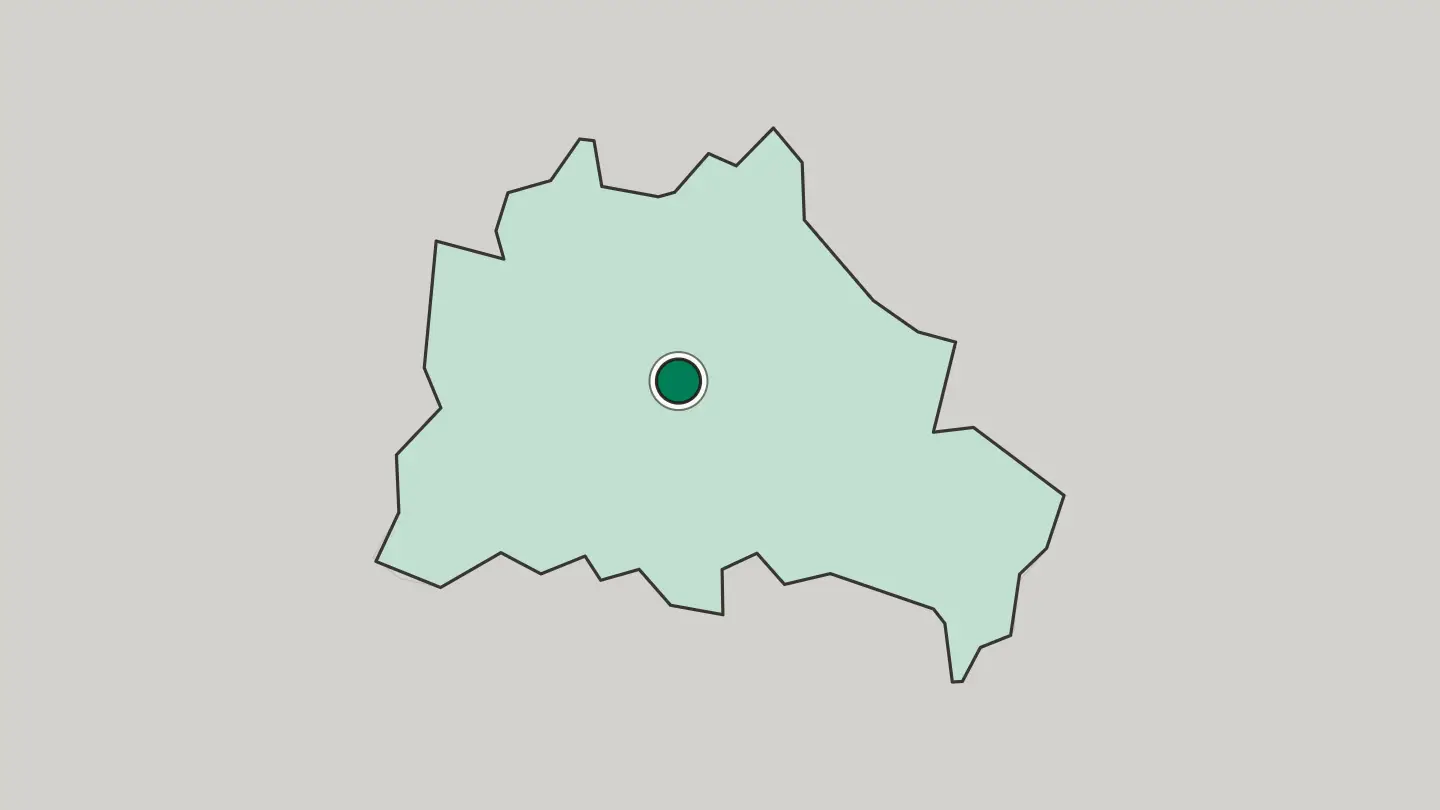
Hotel links are affiliate links: booking through them may earn us a commission, at no extra cost to you. It never affects how places are ranked. How this works
About Land Berlin
What is Land Berlin known for?
Berlin is known as the capital of Germany and one of its three city-states, a metropolis that is also a federal state in its own right. The city fills the state. Berlin covers more ground than any other German city, governing itself as a Land wrapped on every side by Brandenburg and its capital, Potsdam.
Its story reaches back to 1244. Capital and state at once.
Where is Land Berlin?
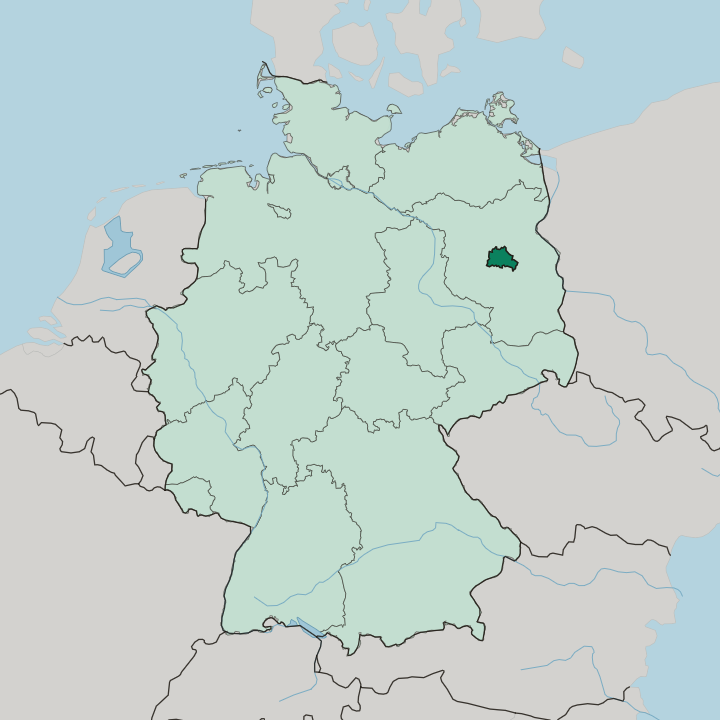
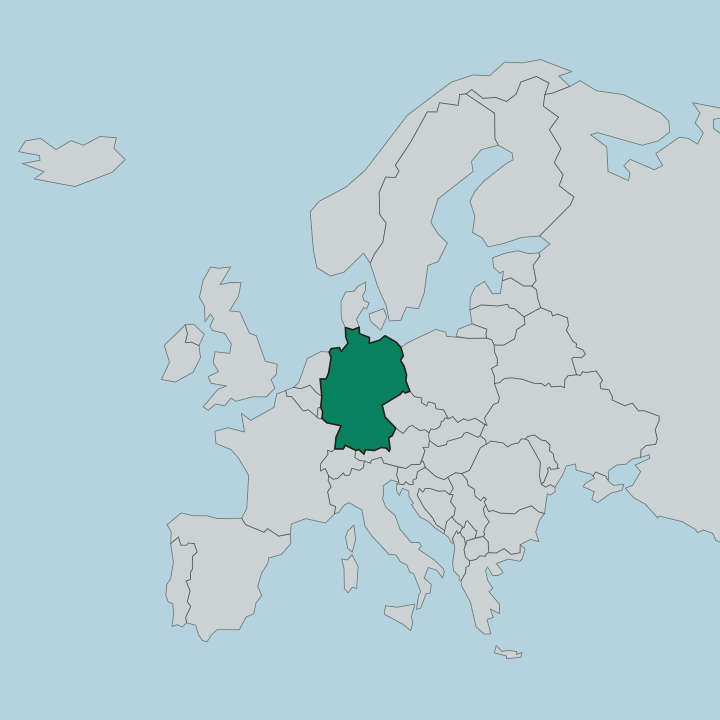
Berlin is a landlocked city-state, a single metropolis that covers more ground than any other city in Germany yet ranks among the smallest of its states. Berlin touches no sea. The city lies well inland, away from the sea, forming one continuous built-up expanse rather than a scatter of separate towns.
By area it is Germany's largest city and, at the same time, the third-smallest of the country's states. Size cuts both ways here. On every side Berlin is surrounded by the single state of Brandenburg, which wraps completely around it.
Potsdam, Brandenburg's capital, sits just beyond its south-western edge. Together the two form the Berlin-Brandenburg region, a capital area that reaches out from the city into the countryside around it. Beyond the city line the land opens into the wider countryside of Brandenburg.
One city inside one surrounding state.
What is Land Berlin like?
Berlin's culture is that of a national capital and Germany's largest city rolled into one. Scale shapes it. As the seat of the federal government and one of the country's great urban centres, the city draws people from every German state and beyond, giving it a broad and mixed civic life.
It runs its own affairs as a Land, with the independent streak of a city-state. The German language carries daily life, from the historic core out to the districts along the Brandenburg border. A capital's culture, on a city-state's terms.
What is the history of Land Berlin?
Berlin's recorded history reaches back to 1244, when the settlement first enters the record. It grew from a small settlement. Over the centuries it rose to become the capital of Germany and, in time, a self-governing state in its own right, ringed by Brandenburg.
Through every change of fortune the city kept its place at the country's centre of government. Old roots, capital city. Its past is long.
What is the climate of Land Berlin?
Berlin has a temperate climate with a continental leaning, set well inland from any coast. Distance from the sea sharpens it. Summers turn warm and sometimes hot, winters can be grey and cold, and the swing between the seasons is wider here than on Germany's milder coasts.
Precipitation reaches Berlin in every season. Four seasons, clearly drawn.
How do you get to Land Berlin?
Berlin is one of the simplest German cities to reach, as the national capital and a major hub in its own right. Roads and rails pour in from all directions. Long-distance trains and motorways cross Brandenburg from every side to converge on the city, and the Berlin-Brandenburg region handles the air links just beyond the city line.
Being inland, it has no ferries or seaport of its own. Everything funnels toward the centre. The capital is easy to enter.
Good for
More regions in Germany
Updated September 2026