Germany · Mecklenburg-Western Pomerania
Where to Stay in Rostock, Mecklenburg-Western Pomerania
Rostock is the Hanseatic and University City on the German Baltic coast, founded in 1201, with St. Mary's Church over its old streets.
Hotel links are affiliate links: booking through them may earn us a commission, at no extra cost to you. It never affects how places are ranked. How this works


Where to stay in Rostock
Each area has its own feel; here's who each one suits.

 RostockGermany
Kröpeliner-Tor-Vorstadt
Kröpeliner-Tor-Vorstadt is a Rostock quarter carrying the Michaeliskloster, the Johanniskirche, the Blücherdenkmal and the Neues Museum.Where to stay → RostockGermany
Warnemünde
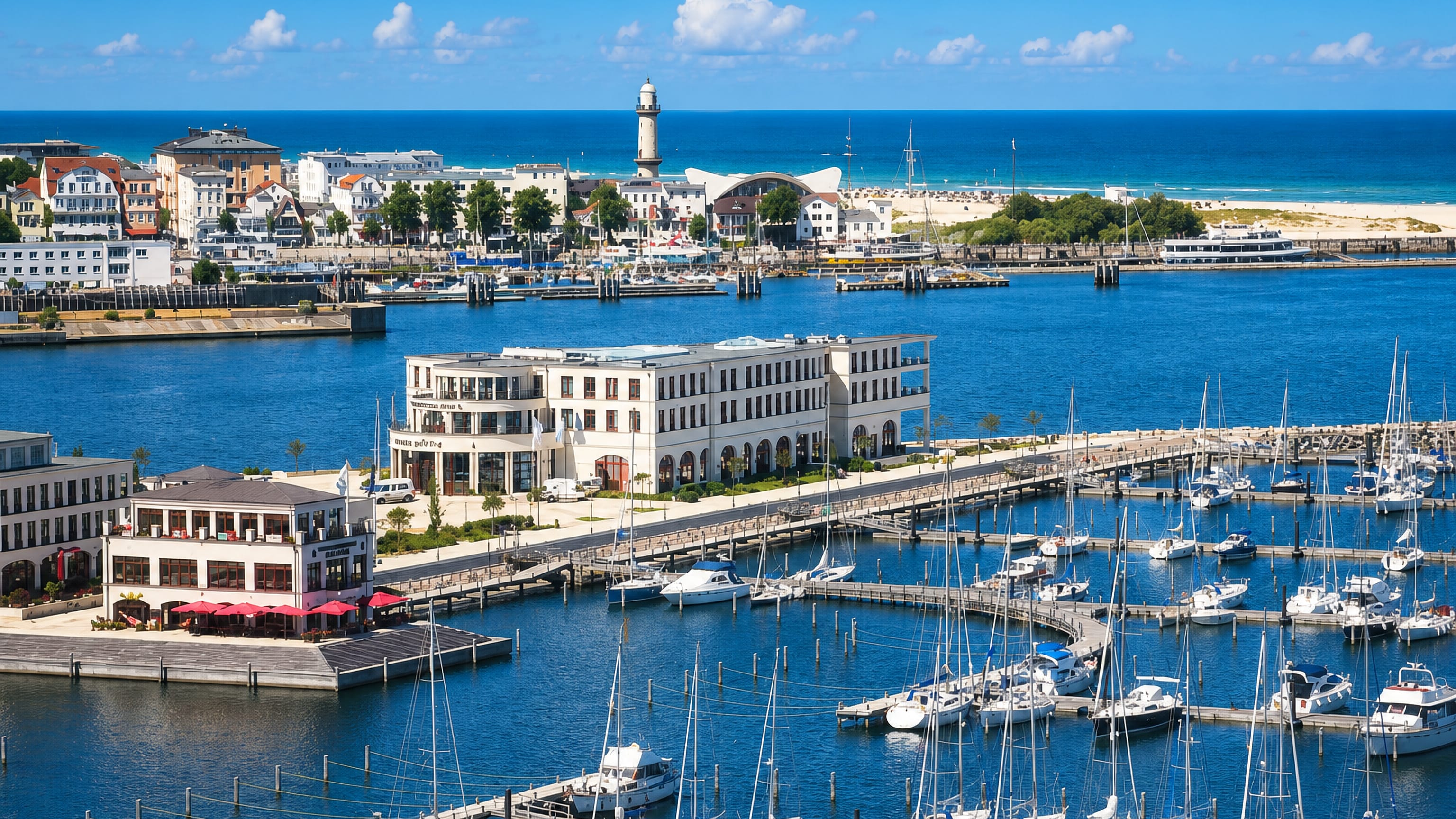
Warnemünde is Rostock's Baltic seaside resort at the mouth of the Warnow, with the Kurhaus Warnemünde and a lighthouse over the beach.Where to stay →Hotel links are affiliate links: booking through them may earn us a commission, at no extra cost to you. It never affects how places are ranked. How this works
Find hotels in Rostock
Direct booking searches for these neighbourhoods.
The old town under St. Mary's Church
St. Mary's Church, St. Peter's Church and the Kunsthalle Rostock fall inside the old streets, which is where a Hanseatic city is best seen slowly.Find hotels in The old town under St. Mary's ChurchPassengers joining a Baltic Sea ferry or a cruise shipBy the ferry and cruise berths
The port handles Baltic Sea ferries and Germany's cruise boardings, and a room beside it removes the early transfer on a sailing day.Find hotels in By the ferry and cruise berthsFamilies whose day runs on Rostock Zoo and the DarwineumTowards Rostock Zoo
Rostock Zoo and the Darwineum sit together, and staying near them turns a long family day into a short walk home.Find hotels in Towards Rostock ZooQuiet stays near the Church in BiestowBiestow
Biestow keeps a village church of its own inside the modern city, and rooms there stand well back from the port traffic.Find hotels in BiestowHotel links are affiliate links: booking through them may earn us a commission, at no extra cost to you. It never affects how places are ranked. How this works
Things to do in Rostock
Ranked by global recognition; descriptions from Wikidata (CC0).
Museums & Galleries
3- Kunsthalle Rostock Heritage
- Stasi Dokumentations- und Gedenkstätte Rostock Heritage
- Kulturhistorisches Museum Rostock
Churches & Religious Sites
8- St. Mary's Church Heritage
- St. Peter's Church Heritage
- St. Nicholas church (Rostock) Heritage
- Abbey of the Holy Cross Heritage
- Warnemünde Church Heritage
Show 3 more →
- Church of the Holy Spirit (Rostock) Heritage
- Michaeliskloster Heritage
- Johanniskirche Heritage
Castles & Historic Sites
3- Blücherdenkmal Heritage
- Burg Kessin
- Denkmal Friedrich Franz III. Rostock
Landmarks & Notable Places
3- Kurhaus Warnemünde Heritage
- Warnemünder Vogtei Heritage
- Fernmeldeturm Rostock
worth knowingacross 4 categories in Rostock
About Rostock
Ferries and cruise ships set the rhythm.
What is Rostock known for?
Rostock is a hub for Baltic Sea ferries and Germany's largest port for cruise ships by number of boardings, which puts a steady flow of arrivals through a city that also carries its Hanseatic past in the old streets. That past is visible. St. Mary's Church stands over the old town, and the Kunsthalle Rostock and the Kulturhistorisches Museum Rostock give the city its museums.
Rostock Zoo and the Darwineum pull families in a different direction entirely.
What are the main landmarks in Rostock?
Two churches dominate the old town. St. Mary's Church is the largest, with St. Peter's Church beside it. Monastic buildings survive as well: the Michaeliskloster, the Kloster Sankt Katharinen and the Klosterkirche zum Heiligen Kreuz.
Museums and monuments fill the rest, from the Kunsthalle Rostock and the Neues Museum to the Blücherdenkmal and the Hermann Duncker monument, with the Zoological Collection Rostock among them. Burg Kessin stands outside.
What is the history of Rostock?
Rostock was founded in 1201. The official name still records what followed: the Hanseatic and University City of Rostock, a title that carries both the trading league and the university in one line. Churches came with the town.
St. Mary's Church and the Johanniskirche belong to that medieval city, and the Michaeliskloster, the Kloster Sankt Katharinen and the Abbey of the Holy Cross show how much of it was monastic. Burg Kessin predates the built-up area. The Church of the Holy Spirit belongs to the same older layer of the city.
The Baltic made the rest. Rostock was the largest coastal city and the most important port in East Germany, and the same berths still handle Baltic Sea ferries and cruise ships. Two memorials mark the twentieth century.
The Gedenkstätte für Revolutionäre Rote Matrosen and the Stasi Dokumentations- und Gedenkstätte Rostock record separate chapters of it, and the Hermann Duncker monument and the Blücherdenkmal stand for periods further apart still. The Kulturhistorisches Museum Rostock holds the documentary record of all of it, and the Neues Museum and the Kunsthalle Rostock take the art. Rostock is the largest city in Mecklenburg-Western Pomerania, though not its capital.
Where is Rostock?
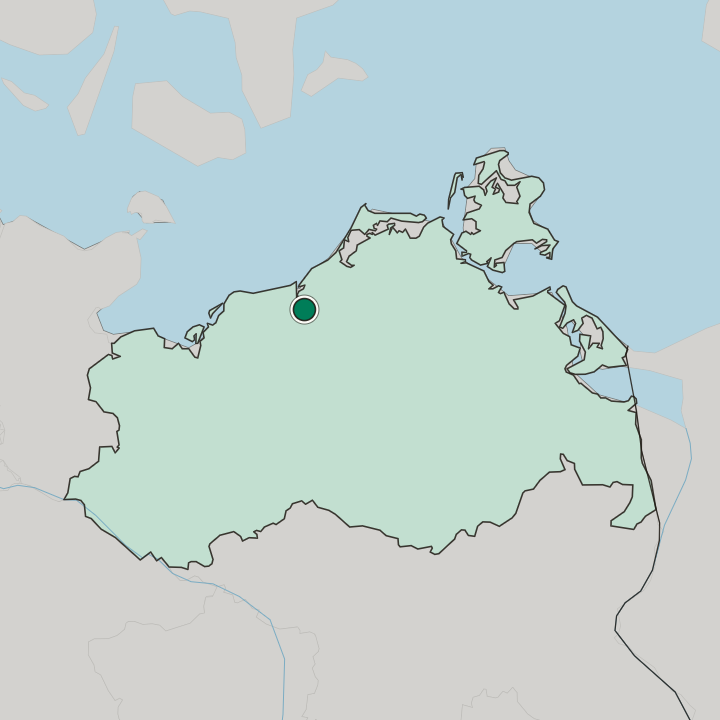
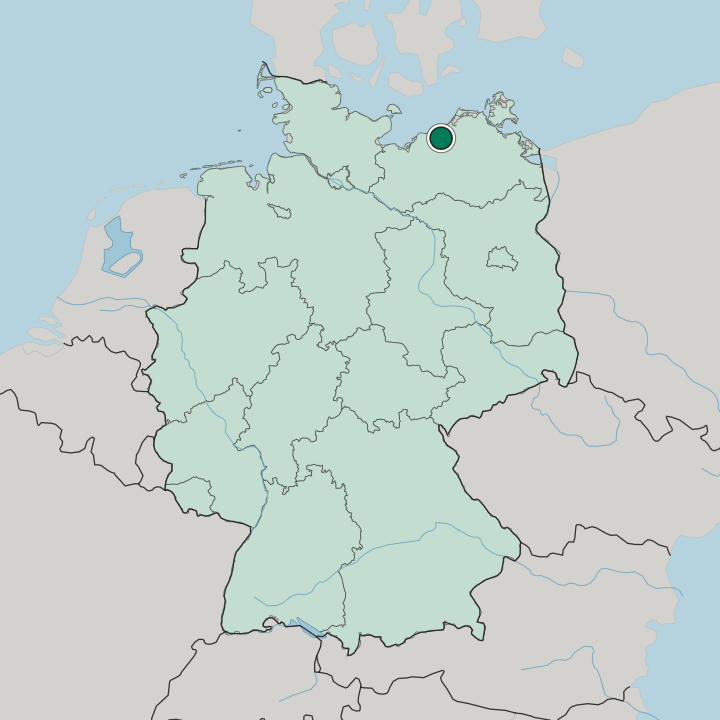
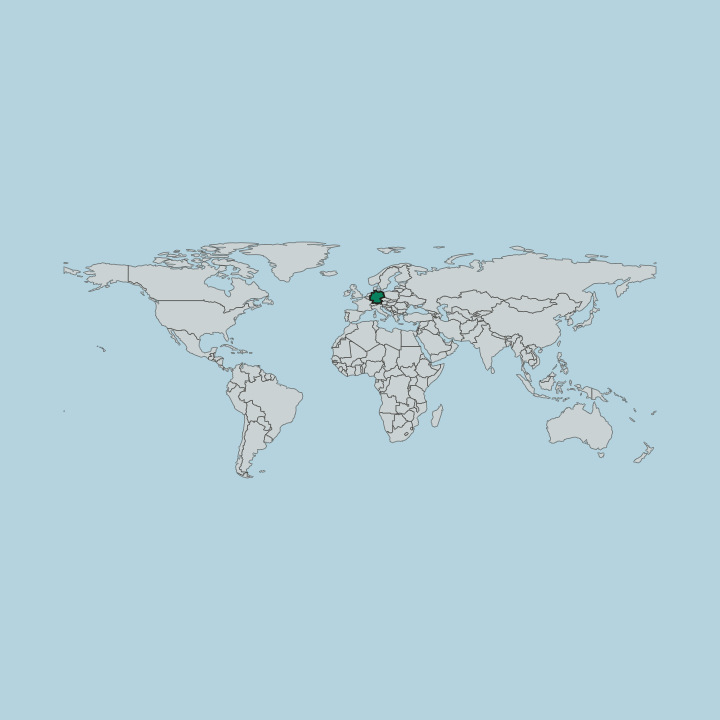
The Baltic sets one edge of the city. Rostock lies in the Mecklenburgian part of Mecklenburg-Western Pomerania, close to the border with Pomerania, and it counts as the third-largest city on the German Baltic coast after Kiel and Lübeck. The built-up area is wide.
Biestow, Toitenwinkel and Burg Kessin all belong to the same city while standing well out from the old town, which is what a port of this scale does to a medieval street plan.
What is the climate of Rostock?
The Baltic runs the weather here. Sea air keeps Rostock's winters milder than the inland parts of Mecklenburg-Western Pomerania and its summers shorter of heat, and wind off the water is the constant that visitors underestimate. Layers beat optimism.
The Kunsthalle Rostock, the Kulturhistorisches Museum Rostock and the Darwineum are the standard answers to a wet afternoon, and Rostock Zoo works less well in one.
How do you get to Rostock?
Many arrive by sea. The port takes Baltic Sea ferries and, by number of boardings, more cruise passengers than any other German port, so a large share of visitors reach Rostock without touching a road at all. Kiel and Lübeck lie along the same coast.
Overland traffic runs between them and Rostock, and once inside the city the old town keeps St. Mary's Church, the Kunsthalle Rostock and the Kulturhistorisches Museum Rostock inside one walkable circuit. Rostock Zoo and Biestow need transport.
Common questions
What is the best area to stay in Rostock?
The old town under St. Mary's Church: Guests who want St. Mary's Church and the Kulturhistorisches Museum Rostock on foot. By the ferry and cruise berths: Passengers joining a Baltic Sea ferry or a cruise ship. Towards Rostock Zoo: Families whose day runs on Rostock Zoo and the Darwineum. Biestow: Quiet stays near the Church in Biestow.
Good for
More cities in Mecklenburg-Western Pomerania
Updated October 2026