Germany · Nordrhein-Westfalen · Essen
Südviertel, Essen — Area Guide & Where to Stay
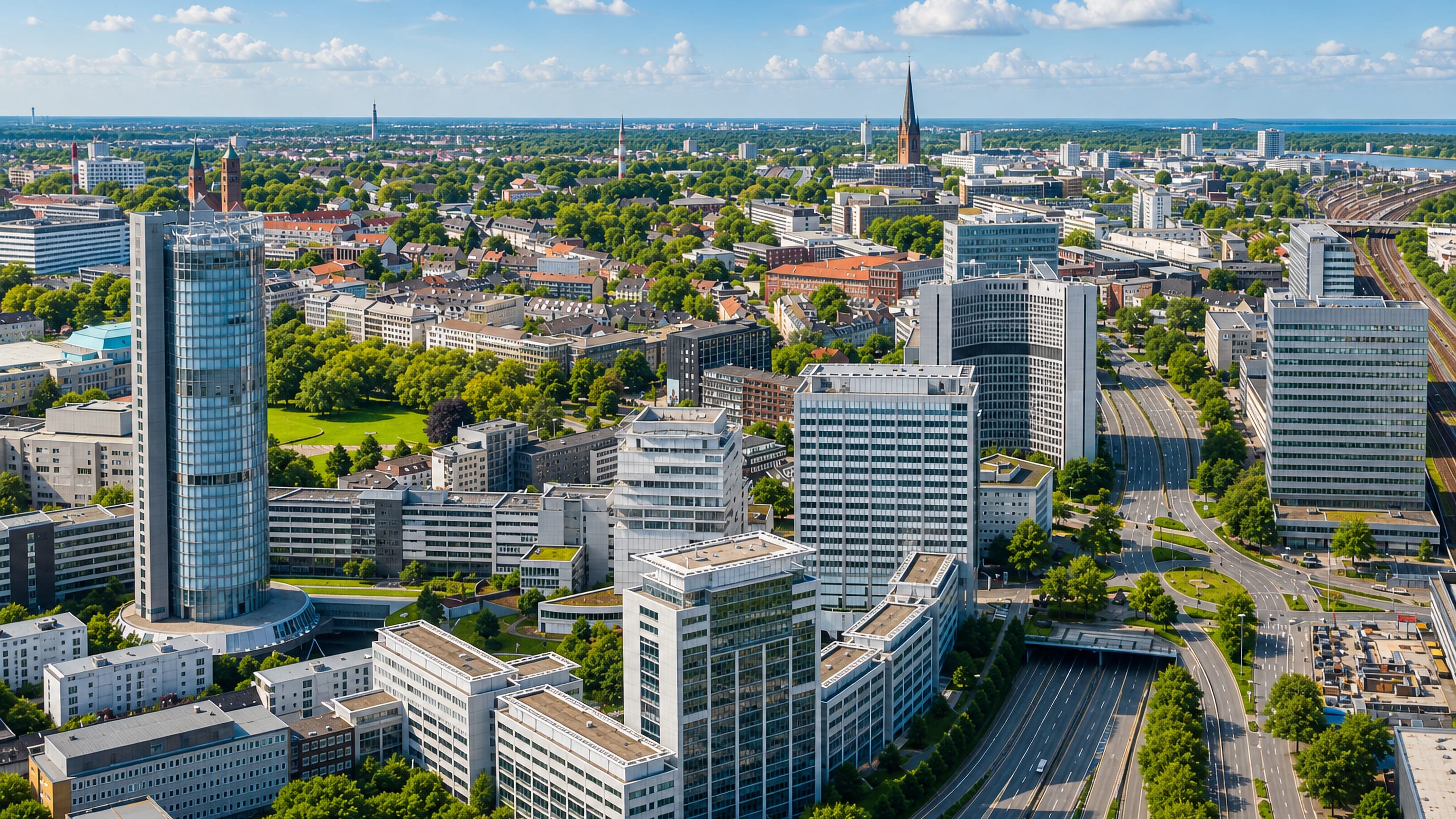
The Südviertel is one of six quarters that form the Stadtmitte of Essen, and its office towers shape the city's skyline more than any other.
Hotel links are affiliate links: booking through them may earn us a commission, at no extra cost to you. It never affects how places are ranked. How this works


Where to stay in Südviertel
Where visitors usually base themselves, and why.
Head offices fill the streets here. Evonik Industries, RWE, Evonik Steag, Hochtief and MAN Ferrostaal all keep their headquarters in the Südviertel, and the Ruhr's own bodies sit here too, among them the Regionalverband Ruhr, the Ruhrverband, the Lippeverband and the Emschergenossenschaft. Culture is a short walk.
The Aalto-Theater and the Saalbau with the Essen Philharmonic stand at the Stadtgarten, and the Folkwang Museum is nearby. The Osram-Haus on the Kruppstraße has been a hotel since 2020.
About Südviertel
What are the main landmarks in Südviertel?
The Aalto-Theater sits at the Stadtgarten. Beside it stand the Saalbau and the Essen Philharmonic, and the Folkwang Museum is close by with the rebuilt Glückaufhaus next door, whose facade is protected. A cinema came back in 2009.
The Filmstudio Glückauf of the 1920s reopened inside that building. Wilhelm Kreis designed the Emschergenossenschaft house. It was finished in 1910 and badly damaged in the war, but the historic meeting hall and the tower of thirty-seven metres came through nearly unharmed.
A saint survived a demolition. The natural-stone figure of Saint Barbara, patron of mining, was taken off the brick Ruhrkohle building of 1949 before it came down in 1997, and it now stands in the courtyard of the Evonik headquarters.
What is the history of Südviertel?
The Südviertel is a division of the city, not a village it swallowed. It forms the Stadtmitte together with the Westviertel, the Nordviertel, the Ostviertel, the Südostviertel and the Stadtkern, so its dates belong to institutions rather than to a charter. Railways were administered from here.
The central railway administration of the Ruhr sat in the Eisenbahn-Direktionsgebäude behind the Bismarck memorial from 1898, stood empty after the rail reform of 1994, and has housed Deutsche Bank since October 2010. Huyssen gave the city its boulevard. Heinrich Arnold Huyssen, industrialist and former mayor, handed over the ground of the Huyssenallee, which runs from the Stadtkern to Rüttenscheid and was Essen's better address until the war.
Bombs took that away in March 1945. Reconstruction in the 1950s put offices where the houses had been, and the newspaper quarter behind the Kruppstraße, where the Westdeutsche Allgemeine Zeitung took its own building in 1953, was emptied in 2019 and pulled down. The city archive moved in during October 2009.
Frank Ahlbrecht clad the new store entirely in weathering steel, and the records of Essen, until then scattered across the city, went into seventeen shelf kilometres under one roof.
Where is Südviertel?
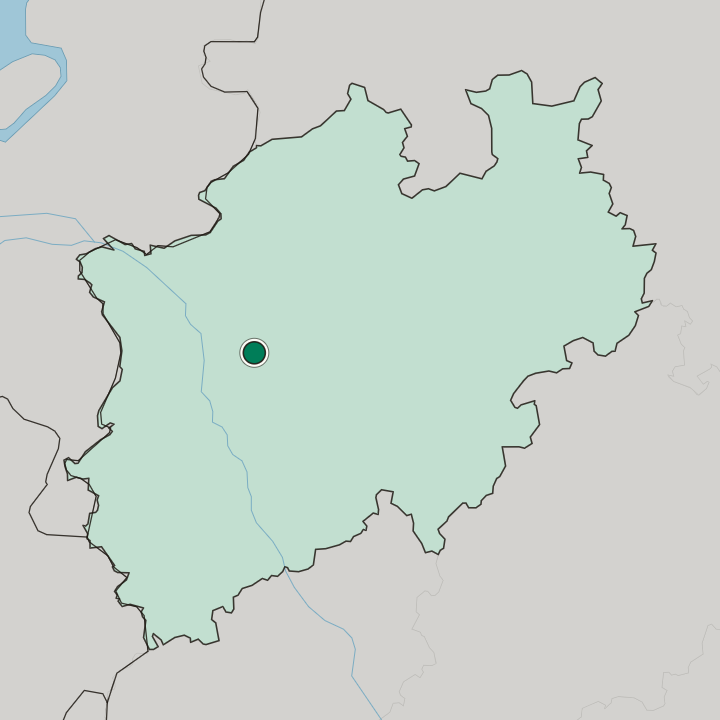
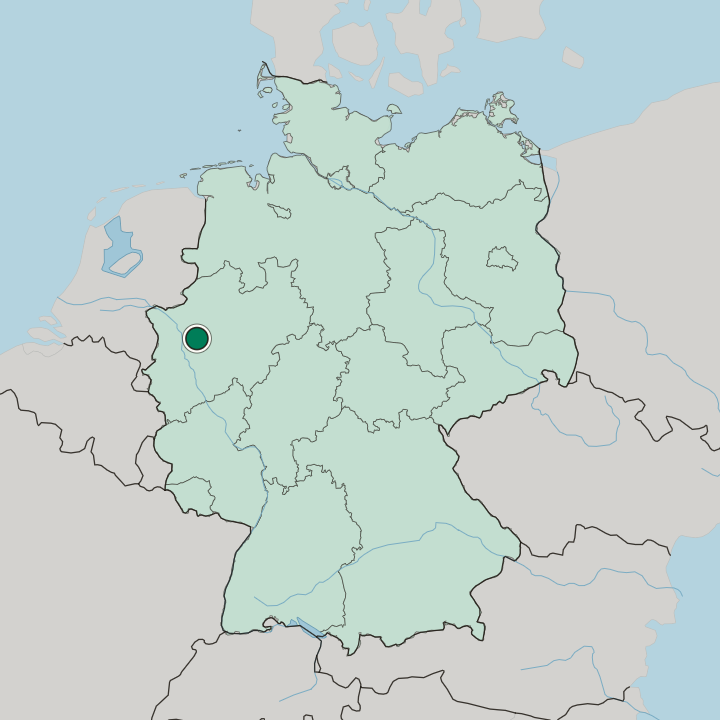
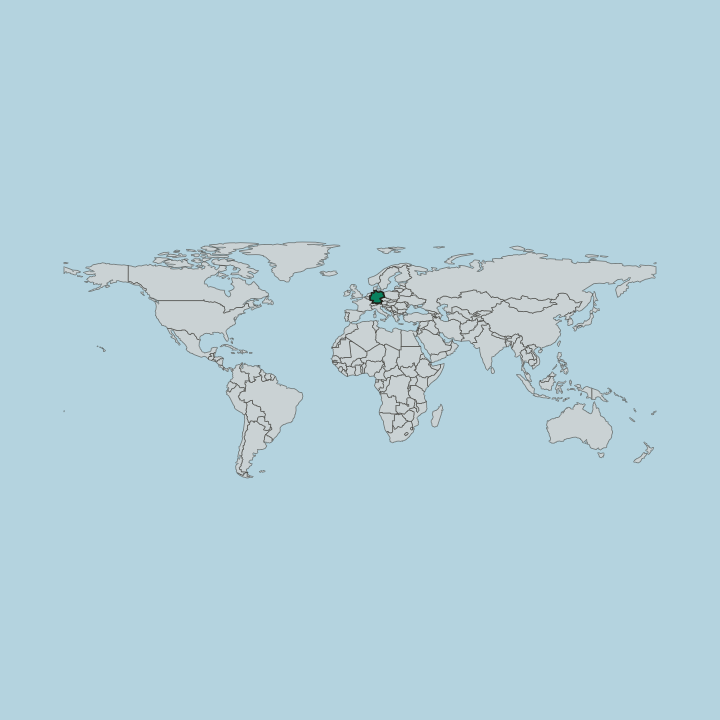
The Südviertel lies south of the Essen Stadtkern, one of the six quarters of the Stadtmitte, with the Stadtgarten and the Huyssenallee running toward Rüttenscheid and the Isenbergplatz to the south-east.
Good for
More areas in Essen
Updated September 2026