Germany · Saxony
Where to Stay in Görlitz, Saxony
Görlitz, in Saxony, keeps the Kaisertrutz, the Nikolaiturm and the Schlesisches Museum zu Görlitz among a long list of towers, churches and museums.
Hotel links are affiliate links: booking through them may earn us a commission, at no extra cost to you. It never affects how places are ranked. How this works


Where to stay in Görlitz
Where visitors usually base themselves, and why.
The Kaisertrutz is the anchor most stays choose. Rooms near it leave the historic museum of Görlitz, the Nikolaiturm and the Annenkapelle inside a single unhurried morning, and the Bäckerinnungshaus Görlitz and the Frenzelhof turn up on the same walk without being looked for. Saint Peter and Paul pulls the other way.
A bed toward the Neißeturm puts the largest church and the last of the towers first, which suits anyone who would rather begin with the fabric of the town than with its collections. The outer half of Görlitz asks a different question. Tierpark Görlitz and the Weinbergturm belong to that ground, together with the Stadium of Friendship, and a stay out there trades walking distance for quiet and for room to park.
Museums argue for the middle. Anyone whose days are built around the Schlesisches Museum zu Görlitz, the Senckenberg Museum of Natural History Görlitz or the Rübezahl-Museum will lose less time by staying where the Kreuzkirche, the Church of Our Lady and the Schwibbogen are already within reach on foot. Three choices, one small city.
Find hotels in Görlitz
Direct booking searches for these neighbourhoods.
By the Kaisertrutz
The Kaisertrutz and the historic museum of Görlitz head the city's register, with the Annenkapelle on the same short walkFind hotels in By the KaisertrutzWalkers starting at Saint Peter and Paul and the NeißeturmToward the Neißeturm
Saint Peter and Paul and the Neißeturm mark this end of Görlitz, and the Frenzelhof lies along the wayFind hotels in Toward the NeißeturmLonger stays with the Tierpark Görlitz and the Stadium of Friendship in the planOut by the Weinbergturm
The Weinbergturm and the Tierpark Görlitz belong to the outer half of Görlitz, where parking stops being a problemFind hotels in Out by the WeinbergturmHotel links are affiliate links: booking through them may earn us a commission, at no extra cost to you. It never affects how places are ranked. How this works
Things to do in Görlitz
Ranked by global recognition; descriptions from Wikidata (CC0).
Museums & Galleries
3- Schlesisches Museum zu Görlitz
- historic museum of Görlitz
- Rübezahl-Museum
Churches & Religious Sites
7- Saint Peter and Paul Heritage
- Church of the Holy Trinity Heritage
- Church of Our Lady Heritage
- Luther's Church Heritage
- Kreuzkirche Heritage
Show 2 more →
- Annenkapelle (Görlitz) Heritage
- Christuskirche (Görlitz) Heritage
Castles & Historic Sites
3- Gottlob-Demiani-Denkmal Heritage
- Ernst-Thälmann-Denkmal
- Johannes-Wüsten-Denkmal
Stadiums & Sports
1- Stadium of Friendship
Landmarks & Notable Places
6- Kaisertrutz Heritage
- Nikolaiturm Heritage
- Hoffnungskirche (Görlitz) Heritage
- Frenzelhof Heritage
- Schwibbogen Heritage
Show 1 more →
- Bäckerinnungshaus Görlitz Heritage
worth knowingacross 5 categories in Görlitz
About Görlitz
Four towers still stand.
What is Görlitz known for?
The Nikolaiturm, the Neißeturm, the Hotherturm and the Weinbergturm give Görlitz its outline, and Saint Peter and Paul heads the churches on the same register. Collections take over from there. The Schlesisches Museum zu Görlitz, the Senckenberg Museum of Natural History Görlitz and the historic museum of Görlitz split the collections between a region, the natural world and the city itself.
Tierpark Görlitz draws its own visitors.
What are the main landmarks in Görlitz?
Churches take up much of the list. Saint Peter and Paul, the Church of Our Lady, the Church of the Holy Trinity, the Kreuzkirche, Luther's Church, the Christuskirche and the Hoffnungskirche are all named, with the Annenkapelle smaller than any of them. Three monuments carry personal names.
The Gottlob-Demiani-Denkmal, the Johannes-Wüsten-Denkmal and the Ernst-Thälmann-Denkmal record three separate acts of commemoration, while the Bäckerinnungshaus Görlitz puts a guild's name on a building instead.
What is the history of Görlitz?
Görlitz's charter year went unrecorded. What the city has instead is a register of names long enough to sketch the shape of its past on its own, running through Saint Peter and Paul, the Church of Our Lady, the Kreuzkirche and Luther's Church among the churches. Four towers still carry names of their own.
The Nikolaiturm, the Neißeturm, the Hotherturm and the Weinbergturm remain, and the Kaisertrutz stands with the historic museum of Görlitz among the heavier structures on the same list. One institution points outward. The Schlesisches Museum zu Görlitz holds a Silesian collection inside a Saxon city, which is the plainest sign the register gives of the wider region its holdings cover, and the Rübezahl-Museum sits beside it with a name of another kind.
Three monuments name people. The Gottlob-Demiani-Denkmal, the Johannes-Wüsten-Denkmal and the Ernst-Thälmann-Denkmal each mark a separate act of remembrance, from different periods and for different reasons, and none of them displaced the older fabric around them. Trades left their mark as well.
The Bäckerinnungshaus Görlitz keeps a guild's name on a house, the Frenzelhof and the Annenkapelle carry two more of the older names, and the Schwibbogen adds one further piece of built fabric to the count.
Where is Görlitz?
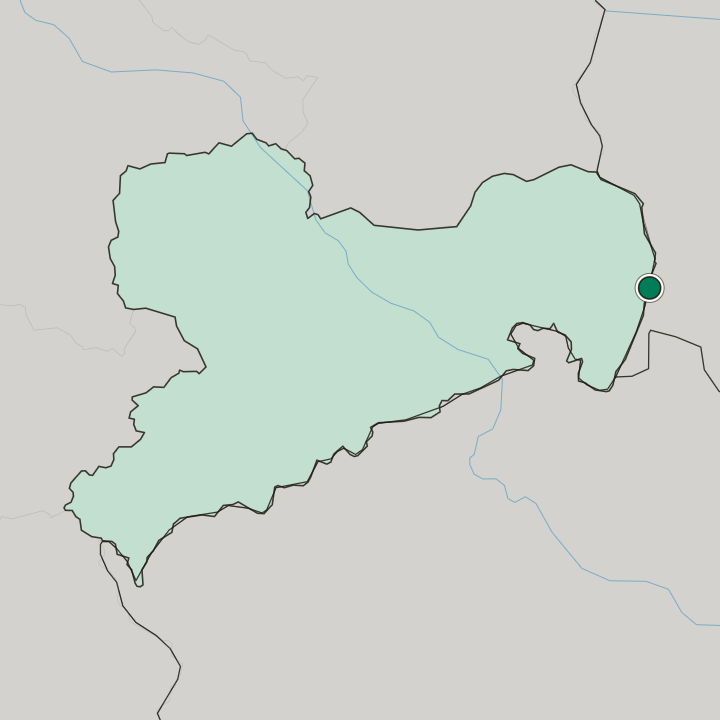
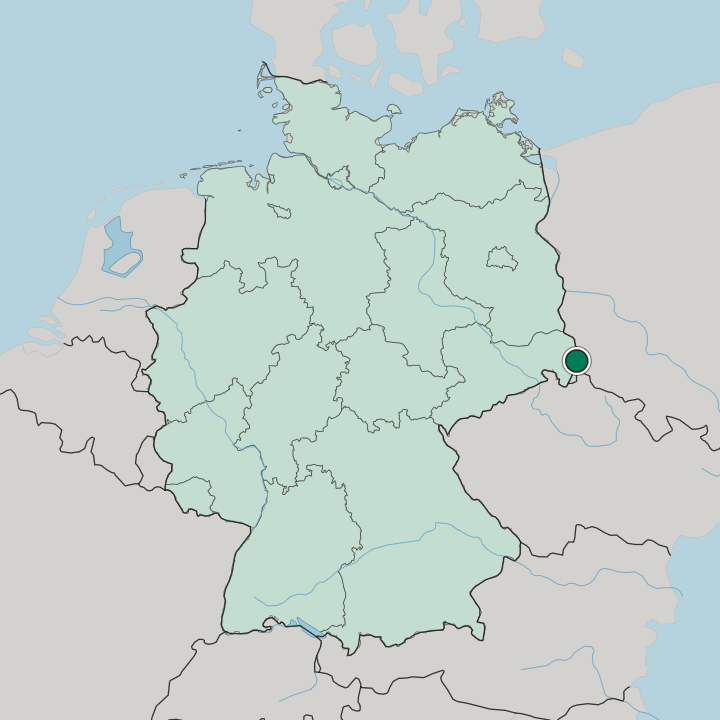
Saxony holds the city. Görlitz spreads over roughly sixty-seven square kilometres, enough ground that the Tierpark Görlitz and the Weinbergturm sit well apart from the Kaisertrutz and the Nikolaiturm at the middle of it. The Neißeturm carries the Neiße name.
Past that the register says little about the land, so the shape of Görlitz has to be read from its towers, its churches and the museums standing between them.
What is the climate of Görlitz?
Winter is the season that shows. The walk between the Nikolaiturm and Saint Peter and Paul is short, but it is exposed enough that the cold months change how a day in Görlitz is planned, and summers stay warm rather than hot. Long days help then.
Through the colder half of the year the Schlesisches Museum zu Görlitz, the Senckenberg Museum of Natural History Görlitz and the historic museum of Görlitz absorb the hours the streets would otherwise take.
How do you get to Görlitz?
Arrivals sort themselves by tower. The Nikolaiturm, the Neißeturm and the Hotherturm are the fixed points anyone walking into the middle of Görlitz ends up using, and the Kaisertrutz marks where that walk stops. Saxony is the wider frame.
A first day usually runs from the Kaisertrutz to Saint Peter and Paul, while the Tierpark Görlitz and the Weinbergturm are the two names that ask for wheels rather than shoes.
Common questions
What is the best area to stay in Görlitz?
By the Kaisertrutz: Stays that want the Kaisertrutz and the historic museum of Görlitz first. Toward the Neißeturm: Walkers starting at Saint Peter and Paul and the Neißeturm. Out by the Weinbergturm: Longer stays with the Tierpark Görlitz and the Stadium of Friendship in the plan.
Good for
More cities in Saxony
Updated October 2026