Germany · Saxony
Where to Stay in Leipzig, Saxony
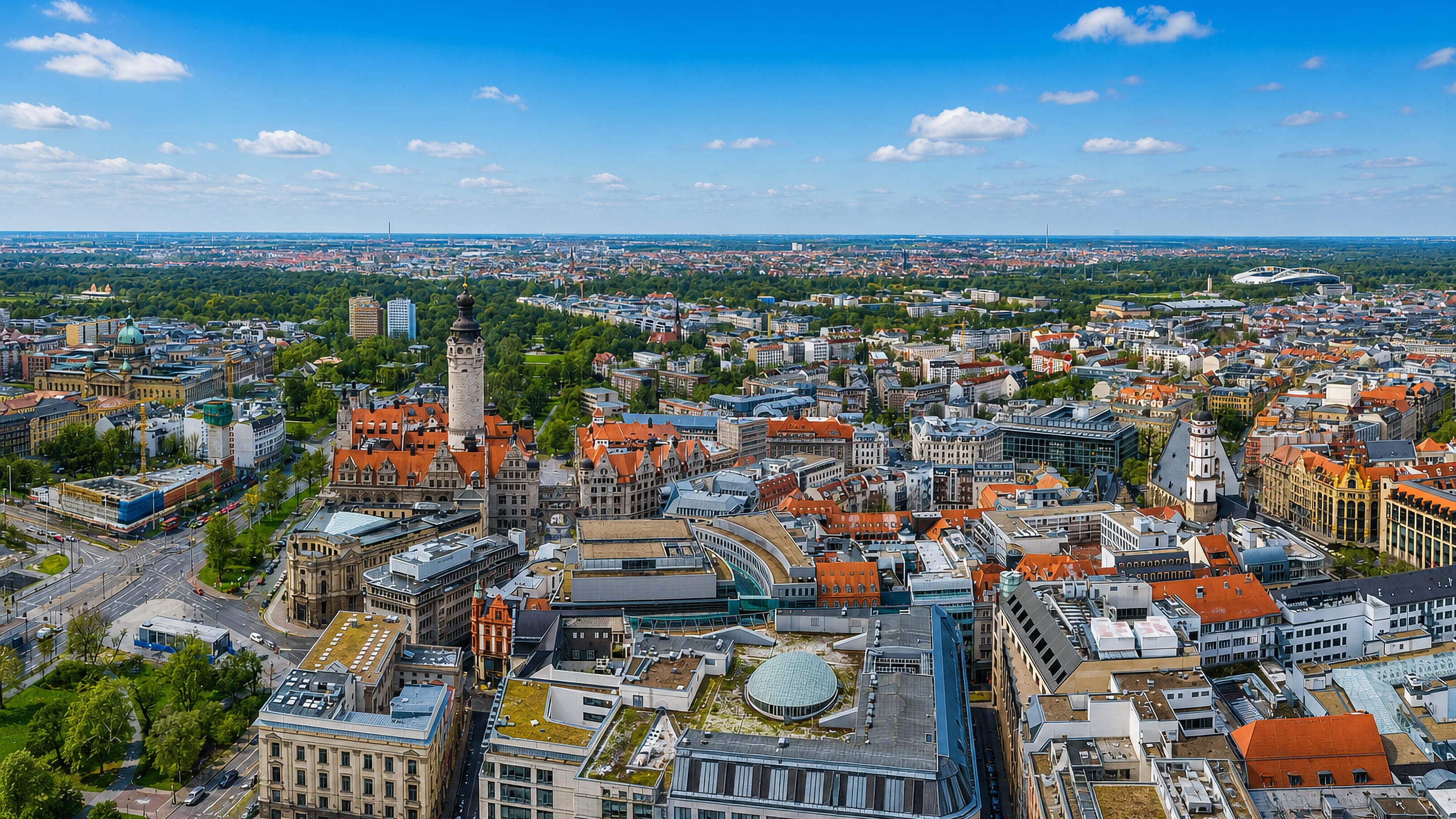
Organ music still fills St. Thomas Church at Leipzig, the largest city in Saxony, where Bach worked and a river confluence threads the old trade-fair town.
Hotel links are affiliate links: booking through them may earn us a commission, at no extra cost to you. It never affects how places are ranked. How this works


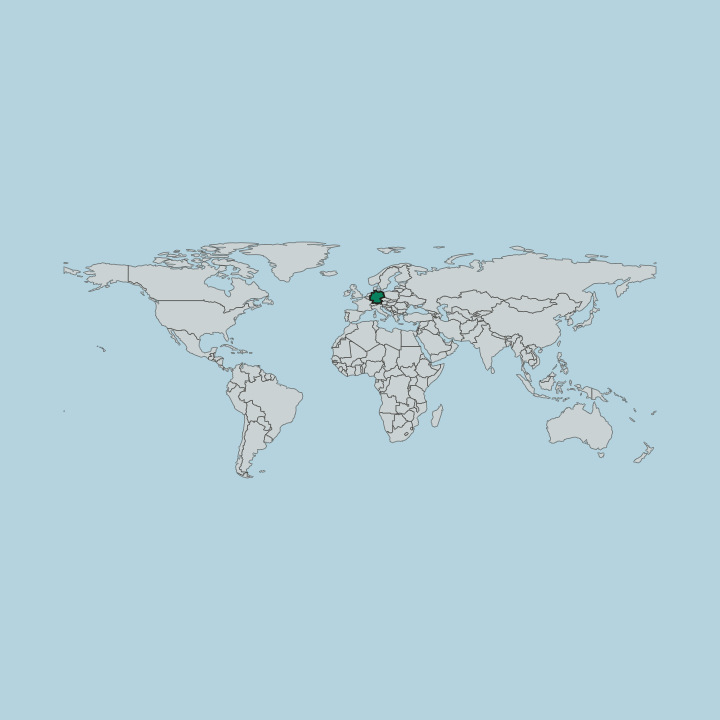
Where to stay in Leipzig
Each area has its own feel; here's who each one suits.

 LeipzigGermany
Musikviertel
The Musikviertel is a quarter of Leipzig south of the centre, in Zentrum-Süd, named for the second Gewandhaus and the Royal Conservatory of Music.Musikviertel →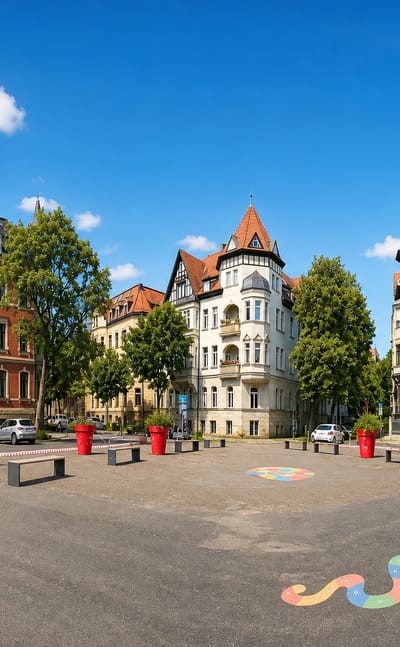 LeipzigGermany
Waldstraßenviertel
The Waldstraßenviertel is a quarter outside Leipzig's inner ring, among Germany's largest Gründerzeit districts. The Leipzig Zoological Garden borders it.Waldstraßenviertel → LeipzigGermany
Reudnitz
Reudnitz is an eastern quarter of Leipzig, a subdistrict of the South-East district, the Grassi Museum beyond its west edge at Johannisplatz.Reudnitz → LeipzigGermany
Gohlis
Gohlis is a quarter of north Leipzig with the Schillerhaus where Friedrich Schiller lodged in 1785, the Rosental and Leipzig Zoological Garden at its edge.Gohlis →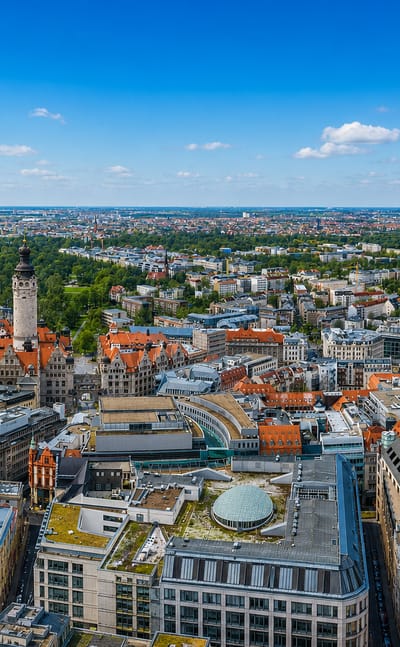 LeipzigGermany
Lindenau
Lindenau lies in Leipzig's inner west, a working quarter beside Plagwitz whose tenements survive. The Museum für Druckkunst stands south.Lindenau → LeipzigGermany
Schleußig
Schleußig is a Leipzig locality in the Südwest borough, holding the Museum für Druckkunst and the Unikatum children's museum.Schleußig →LeipzigGermanySchönefeld
Schönefeld is a locality of the Northeast borough of Leipzig, with the Gedächtniskirche and the Abtnaundorfer Park among its landmarks.Schönefeld → LeipzigGermany
Plagwitz
Plagwitz is a west Leipzig district around the Karl-Heine-Kanal and Weiße Elster, with the Museum für Druckkunst and the Felsenkeller on Karl-Heine-Straße.Plagwitz → LeipzigGermany
Connewitz
Connewitz is a locality of Leipzig-Süd, running down to the Auwald floodplain and the Pleiße. The Leipzig Panometer is its landmark.Connewitz → LeipzigGermany
Sellerhausen
Sellerhausen is a Leipzig locality where the Viadukt Sellerhausen, the Emmauskirche and an old village cemetery share a small patch of ground.Sellerhausen → LeipzigGermany
Stötteritz
Stötteritz is a Stadtteil in the Stadtbezirk Südost of Leipzig, an old village on some of the highest ground in the city.Stötteritz → LeipzigGermany
Leutzsch
Leutzsch sits west in Leipzig, fringing the Weiße Elster and the Leipziger Auwald, its landmark the Alfred-Kunze-Sportpark, home of BSG Chemie Leipzig.Leutzsch →All neighbourhoods (18)
LeipzigGermanyKleinzschocher
Kleinzschocher is a district of Leipzig whose listed buildings include the Taborkirche, the Liebesdenkmal and the Kirow Werk on Spinnereistraße.Kleinzschocher → LeipzigGermany
Probstheida
Probstheida sits on the southeastern edge of Leipzig, in Saxony, under the Monument to the Battle of the Nations. It marks Napoleon's 1813 defeat.Probstheida →LeipzigGermanyGroßzschocher
Großzschocher is a Stadtteil in the south-west of Leipzig, one of the old Elster villages strung along the edge of the Elster floodplain.Großzschocher → LeipzigGermany
Grünau
Grünau is a large prefabricated housing estate, laid out in the 1970s and 80s on the western edge of Leipzig, six kilometres from the centre.Grünau →LeipzigGermanyBreitenfeld
Breitenfeld is a place north of Leipzig, Saxony, by Lindenthal and Wiederitzsch, site of the 1631 Battle of Breitenfeld. The Breitenfeld Monument stands.Breitenfeld → LeipzigGermany
Liebertwolkwitz
Liebertwolkwitz is a settlement south of Leipzig, its core around the Liebertwolkwitzer Markt and the Roßmarkt. The ground rises to the Galgenberg.Liebertwolkwitz →Hotel links are affiliate links: booking through them may earn us a commission, at no extra cost to you. It never affects how places are ranked. How this works
Things to do in Leipzig
Ranked by global recognition; descriptions from Wikidata (CC0).
Museums & Galleries
3- Grassi Museum Heritage
- Natural History Museum Leipzig Heritage
- Schumann-Haus Heritage
Churches & Religious Sites
8- St. Thomas Church Heritage
- St. Nicholas Church Heritage
- St. Peter Heritage
- Kirche Marienbrunn Heritage
- St. Philip's Church Heritage
Show 3 more →
- Heilandskirche Heritage
- Reformierte Kirche Heritage
- Lutherkirche (Leipzig) Heritage
Castles & Historic Sites
8- Monument to the Battle of the Nations Heritage
- Old Bach-monument Leipzig Heritage
- New Bach monument Heritage
- Richard-Wagner-Denkmal Heritage
- Goethe-Denkmal Heritage
Show 3 more →
- Napoleonstein Heritage
- Austrian monument Heritage
- Liebesdenkmal Heritage
Nature & Outdoors
2- Individual monuments of cemetery Alter Johannisfriedhof, Leipzig Heritage
- Abtnaundorfer Park Heritage
Stadiums & Sports
3- Alfred-Kunze-Sportpark Heritage
- Leipzig Aquatic Stadium Heritage
- K4 (Leipzig)
Landmarks & Notable Places
8- Ehemaliges Park-Krankenhaus Leipzig-Dösen Heritage
- Felsenkeller Heritage
- Torhaus Dölitz Heritage
- Königin-Luise-Haus Heritage
- Karl-Heine-Villa Heritage
Show 3 more →
- Spinnereistraße 13 Kirow Werk Heritage
- Viadukt Sellerhausen Heritage
- Adventhaus Heritage
worth knowingacross 6 categories in Leipzig
About Leipzig
What is Leipzig known for?
Leipzig is known first as a city of music, the place where Johann Sebastian Bach led the choir at St. Thomas Church and where Mendelssohn and Schumann later made their homes. It is a trade-fair city as well. Merchants have gathered here for centuries, and the book trade that grew alongside them left a legacy told at the German Museum of Books and Writing.
The city also carries a civic memory: the peaceful protests around St. Nicholas Church that helped end a divided Germany. Around Leipzig, the Neuseenland lake district fills former mining pits with open water.
What are the main landmarks in Leipzig?
The main landmarks in Leipzig gather around music, faith, and civic memory. St. Thomas Church holds Bach's grave and choir tradition, while St. Nicholas Church anchors the story of the peaceful revolution. The museums run deep.
The Museum der bildenden Künste and the Grassi Museum hold the city's fine and applied art, the Bach-Museum Leipzig and the Mendelssohn-Haus trace its composers, and the Leipzig Zoological Garden and the Panometer add attractions beyond the historic Saxon centre.
What is the history of Leipzig?
Leipzig grew up as a market town at a meeting of old trade roads on the North German Plain, and commerce shaped it long before music did. Fairs made the city rich. From the Middle Ages onward merchants converged on Leipzig, and the trade in books and printing turned it into one of Europe's great publishing centres, a legacy kept at the German Museum of Books and Writing.
Around the churches a musical tradition took hold that would define the place: Johann Sebastian Bach directed the choir at St. Thomas Church, and later Mendelssohn and Schumann drew the wider musical world to the Saxon city. Leipzig also sat at the hinge of larger history. The Battle of the Nations was fought on its outskirts against Napoleon, one of the greatest engagements of its age.
In the twentieth century the city lay within a divided Germany, and in the autumn of 1989 the Monday demonstrations that filled the square outside St. Nicholas Church became a turning point in the peaceful revolution. Reunification followed, and the old fair city reinvented its factories and mining land, the flooded pits south of town growing into the lakes of the Neuseenland that now edge Leipzig's Saxon plain.
Where is Leipzig?
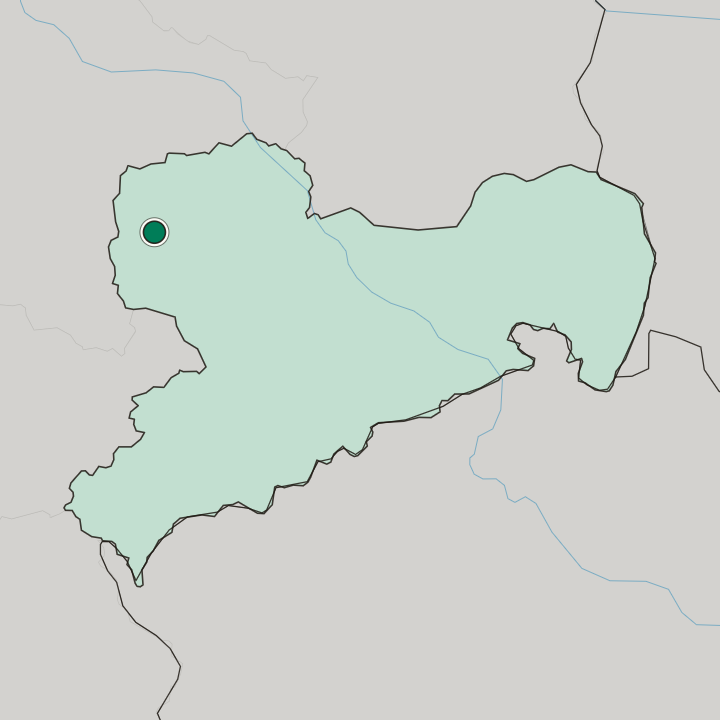
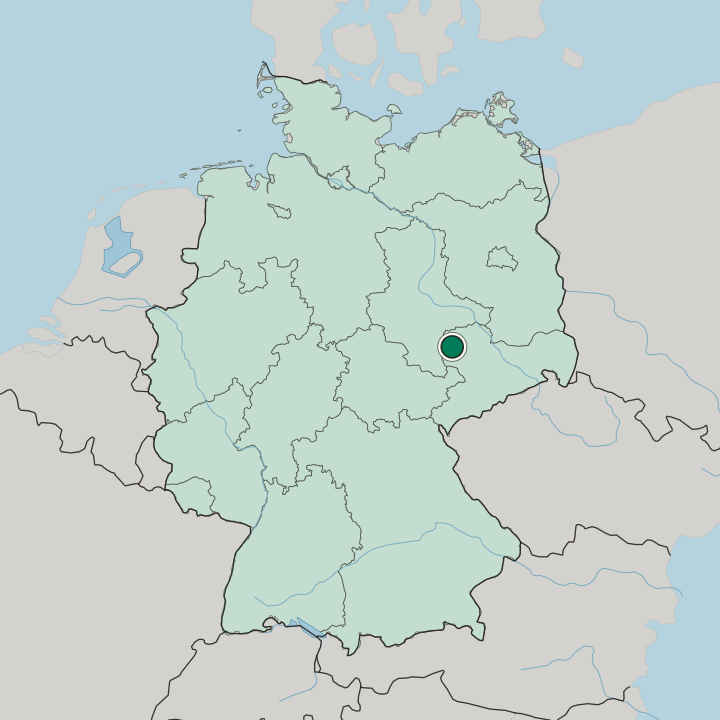
Leipzig lies in the southernmost part of the North German Plain, in the state of Saxony, at the confluence of the White Elster with its tributaries the Pleiße and the Parthe. The land here is flat and low. Floodplain forest threads through the city along the rivers, and to the south the reclaimed mining country has filled with the lakes of the Neuseenland. Berlin lies to the north, and the level Saxon plain spreads open around Leipzig on every side.
What is the climate of Leipzig?
Leipzig has a temperate lowland climate marked by the open exposure of the North German Plain. Winters are cold and grey, colder than the Rhine cities to the west, with frost and occasional snow. Summers turn warm and changeable.
The flat Saxon setting lets weather systems sweep across without much shelter, so dry, bright spells alternate with rain, and the rivers and Neuseenland lakes hold the humidity of the plain.
How do you get to Leipzig?
Getting to Leipzig is easy by rail from across Germany. The Hauptbahnhof, one of Europe's largest terminus stations, sits on fast lines that link the city to Berlin to the north and on toward the rest of Saxony and beyond. An airport serves the region too.
High-speed trains, the autobahn network, and Leipzig/Halle Airport connect the city widely, and local trams and buses tie the Zentrum to the surrounding towns of the Saxon plain.
Good for
More cities in Saxony
Updated October 2026