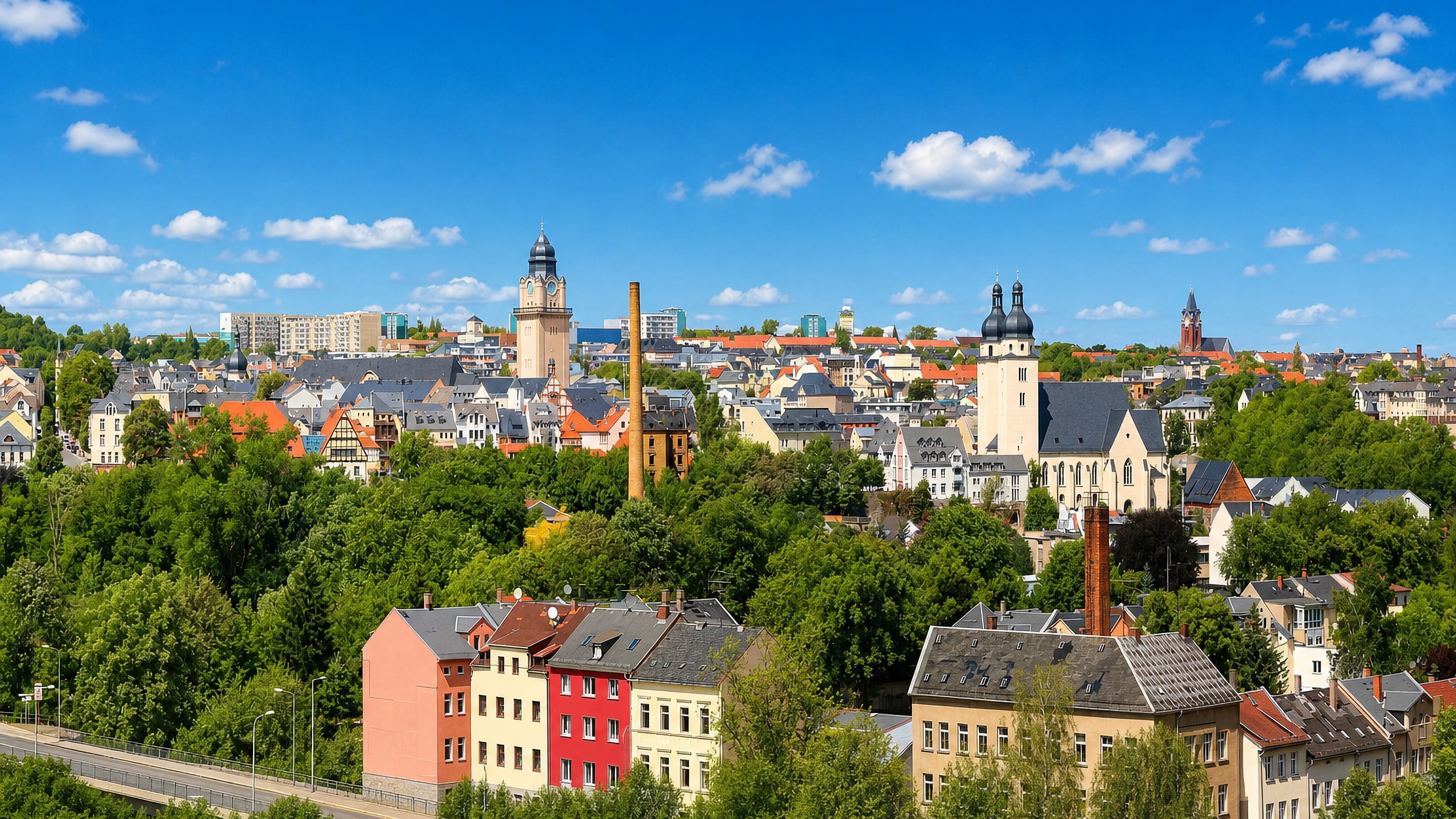
Germany · Saxony
Where to Stay in Plauen, Saxony
Plauen dates from 1112 and is the largest city of the Saxon Vogtland, with a lace industry that gave the Plauen Lace Museum its subject.
Hotel links are affiliate links: booking through them may earn us a commission, at no extra cost to you. It never affects how places are ranked. How this works


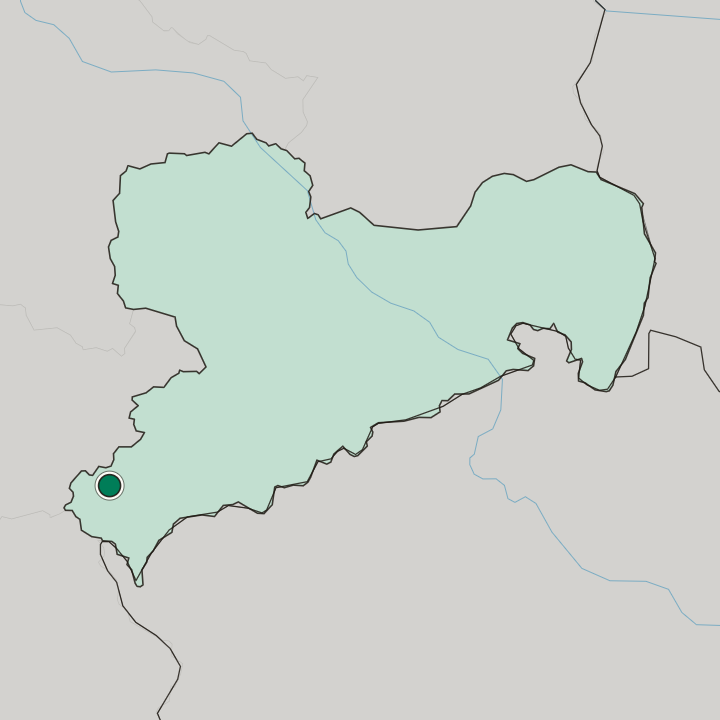
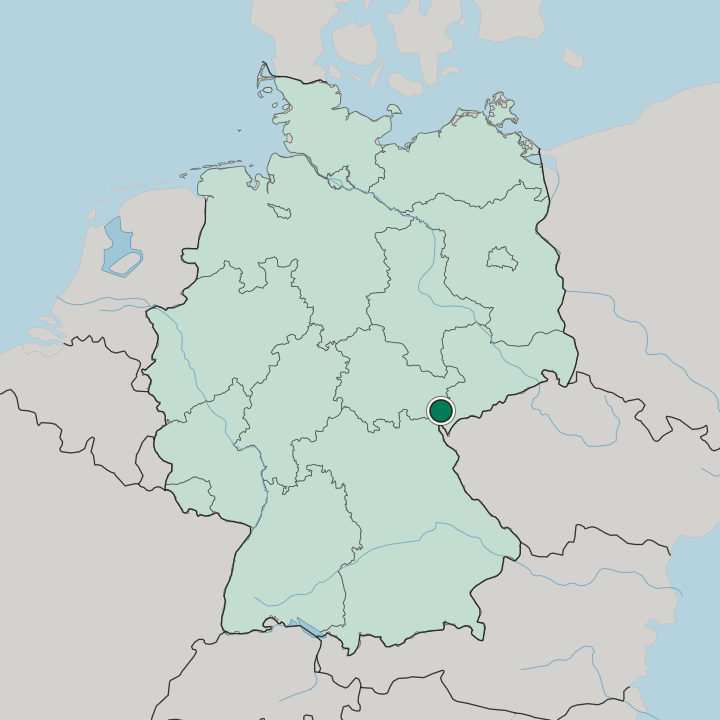
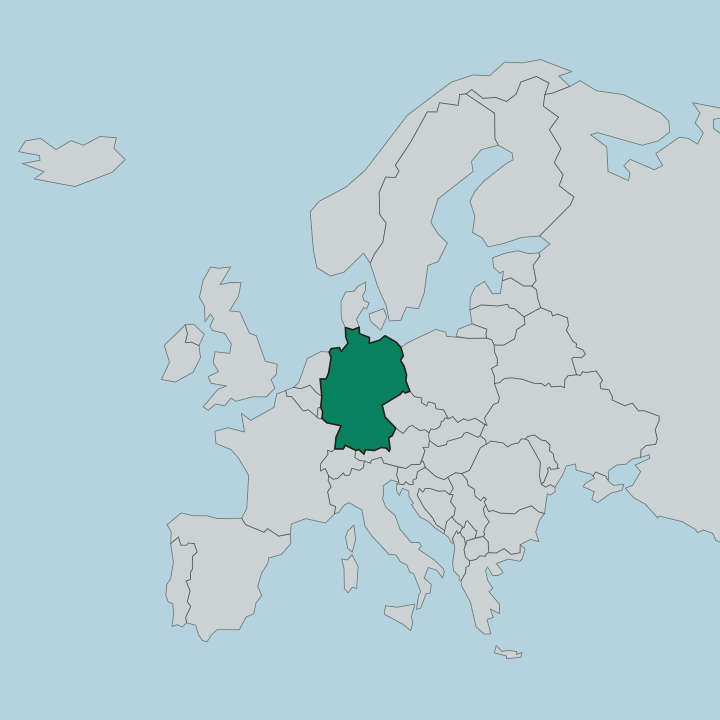
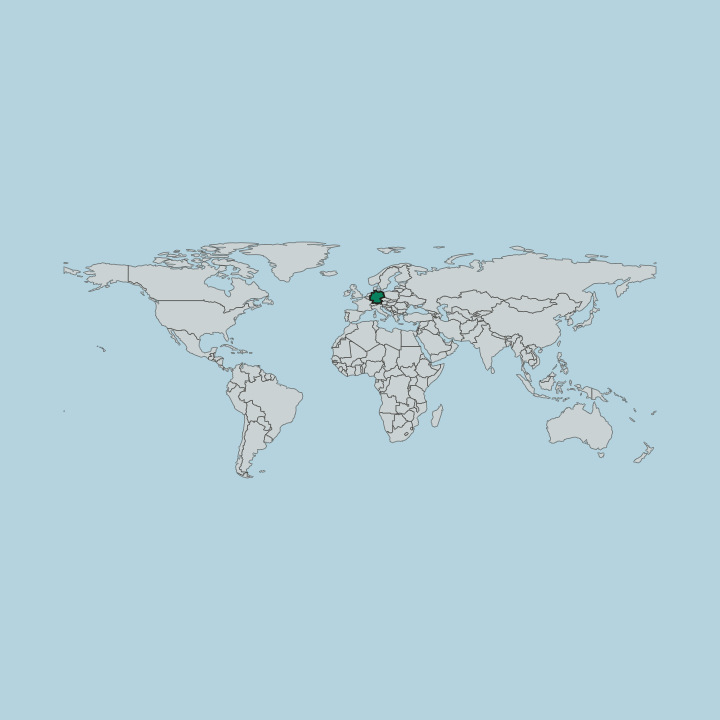
Where to stay in Plauen
One neighbourhood here has its own guide — here's what it is best for.

 PlauenGermany
Reissiger Vorstadt
The Bärenstein Tower and three parish churches give the Reißiger Vorstadt its outline within Plauen.Where to stay →Hotel links are affiliate links: booking through them may earn us a commission, at no extra cost to you. It never affects how places are ranked. How this works
Find hotels in Plauen
Direct booking searches for these neighbourhoods.
Under the castle of Plauen
The castle of Plauen and the Altes Amtsgericht hold the oldest ground the city still showsFind hotels in Under the castle of PlauenDays given to the Plauen Lace Museum and the Fabrik der FädenThe lace addresses
The Plauen Lace Museum, the Fabrik der Fäden and the Embroidery Machine Museum, Plauen carry the trade the town is known forFind hotels in The lace addressesDrivers wanting the Bärenstein Tower and Falconry Herrmann without a city street outsideOut toward Vorwerk Reißig
Vorwerk Reißig and the Bärenstein Tower stand beyond the built half of Plauen, where a car stops being a liabilityFind hotels in Out toward Vorwerk ReißigHotel links are affiliate links: booking through them may earn us a commission, at no extra cost to you. It never affects how places are ranked. How this works
Things to do in Plauen
Ranked by global recognition; descriptions from Wikidata (CC0).
Museums & Galleries
3- Weisbachsches Haus Heritage
- Embroidery Machine Museum, Plauen Heritage
- Erich-Ohser-Haus Heritage
Churches & Religious Sites
6- St. John's Church Heritage
- Pauluskirche Heritage
- Lutherkirche Heritage
- St. Marcus Church Heritage
- Sacred Heart Church Heritage
Show 1 more →
- Church of the Redeemer, Plauen Heritage
Castles & Historic Sites
2- castle of Plauen Heritage
- Vater-und-Sohn-Denkmal in Plauen
Landmarks & Notable Places
7- Altes Amtsgericht Heritage
- Nonnenturm Heritage
- Vorwerk Reißig Heritage
- Hochgarage, Pförtnerhaus, Bürogebäude und ehemalige Tankstelle mit Flugdach und Kassenhäuschen eines Garagenkomplexes Dobenau Heritage
- Liebigstraße 8, Plauen Heritage
Show 2 more →
- Produktionsgebäude der Sägerei und Holzhausfirma Enno Zimmermann Heritage
- Vogtländische Spitzenweberei AG (ehem.); VEB Plauener Spitze (später); Plauener Spitze GmbH Haselbrunn Heritage
worth knowingacross 4 categories in Plauen
About Plauen
Lace made the name.
What is Plauen known for?
The Plauen Lace Museum and the Embroidery Machine Museum, Plauen both come out of that industry, and the Fabrik der Fäden carries the same thread into a building of its own. Vogtland gives the wider frame. Plauen is the largest city of the Saxon Vogtland and fifth in Saxony after Leipzig, Dresden, Chemnitz and Zwickau, which puts it in the middle rank of the state's cities.
Two names sit together on the list. The Erich-Ohser-Haus and the Vater-und-Sohn-Denkmal in Plauen appear on the same register.
What are the main landmarks in Plauen?
Towers, churches and one castle. The castle of Plauen anchors the older fabric, with the Bärenstein Tower, the Kemmler Tower and the Nonnenturm standing apart from it, while the Altes Amtsgericht and the Weisbachsches Haus add two further names in stone. Churches fill much of the rest.
The Lutherkirche, the Pauluskirche, the Sacred Heart Church and the Church of the Redeemer, Plauen are all listed, and Falconry Herrmann sits at the odd end of the same register.
What is the history of Plauen?
The record starts in 1112. The castle of Plauen belongs to that older layer, and so does the Nonnenturm, while Vorwerk Reißig carries the name of a farm holding rather than of any fortification. Then came thread.
Lace and embroidery turned the town into an industrial place, and the Plauen Lace Museum, the Embroidery Machine Museum, Plauen and the Fabrik der Fäden all exist because of that trade and the machines it needed. One entry records three eras at once. The works listed as Vogtländische Spitzenweberei AG, later VEB Plauener Spitze and later still Plauener Spitze GmbH Haselbrunn, carries in its own name the change from company to state enterprise and back to a company again.
Other buildings date the twentieth century. The Produktionsgebäude der Sägerei und Holzhausfirma Enno Zimmermann and the garage complex at Dobenau, with its Hochgarage and a filling station under a cantilever roof, belong to the industrial and motoring decades rather than to the old streets. St. Marcus Church and St. John's Church keep two older dedications, and the Erich-Ohser-Haus with the Vater-und-Sohn-Denkmal in Plauen closes the register on a pair of names that belong to each other.
Where is Plauen?
The Vogtland sets the frame. Plauen covers something over a hundred square kilometres of it, which makes the city the largest in the Saxon Vogtland, though Gera is bigger when the whole region is counted. Saxony holds the rest of the ranking.
Leipzig, Dresden, Chemnitz and Zwickau all come above Plauen by size, leaving it fifth in the state and first in its own part of it. The Bärenstein Tower marks the outer ground.
What is the climate of Plauen?
Plauen shares the temperate weather of the Vogtland, where summers stay comfortable rather than hot and winters settle in properly before spring loosens them again. Wet days have an answer. The Plauen Lace Museum, the Embroidery Machine Museum, Plauen and the Fabrik der Fäden are indoor work, while the Bärenstein Tower and Vorwerk Reißig are better kept for a clear afternoon.
How do you get to Plauen?
Aim for the castle of Plauen. It stands among the older streets, and the Altes Amtsgericht, the Weisbachsches Haus and Liebigstraße 8, Plauen all lie within the same short walk of it. Cars have their own monument here.
The garage complex at Dobenau, with its Hochgarage and the filling station under a cantilever roof, was built for driving, and the roads crossing the Vogtland still shape how the city is reached.
Common questions
What is the best area to stay in Plauen?
Under the castle of Plauen: Short visits taking the castle of Plauen and the Weisbachsches Haus first. The lace addresses: Days given to the Plauen Lace Museum and the Fabrik der Fäden. Out toward Vorwerk Reißig: Drivers wanting the Bärenstein Tower and Falconry Herrmann without a city street outside.
Good for
More cities in Saxony
Updated October 2026