Germany
Saxony, Germany — Towns & Travel Guide
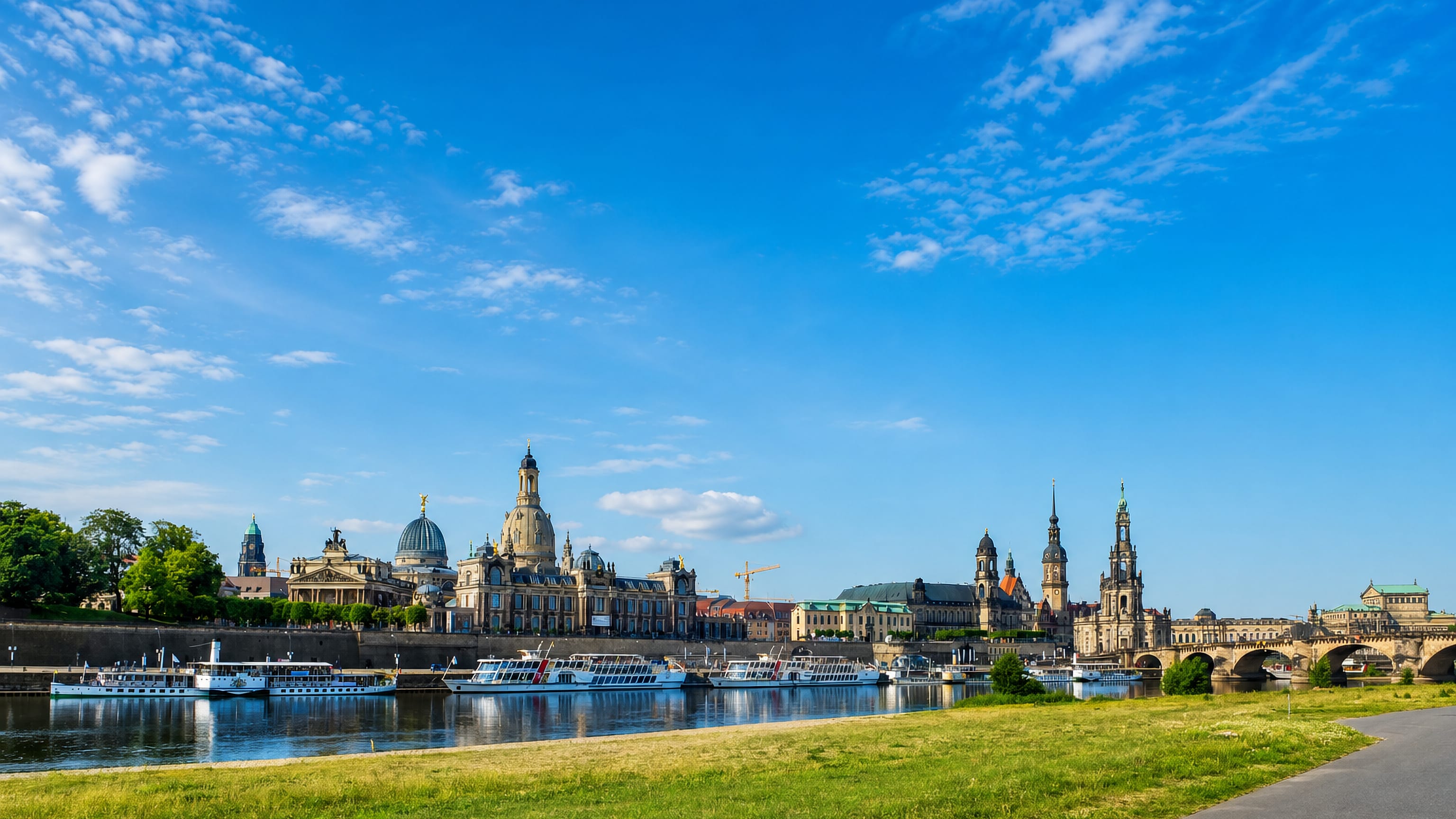
Saxony is Germany's eastern free state, holding Dresden's Baroque riverfront, Leipzig, and the Ore Mountains on the Czech border.
Hotel links are affiliate links: booking through them may earn us a commission, at no extra cost to you. It never affects how places are ranked. How this works


Towns & cities in Saxony
Pick a town or city — each links to where to stay.
 Germany
Dresden
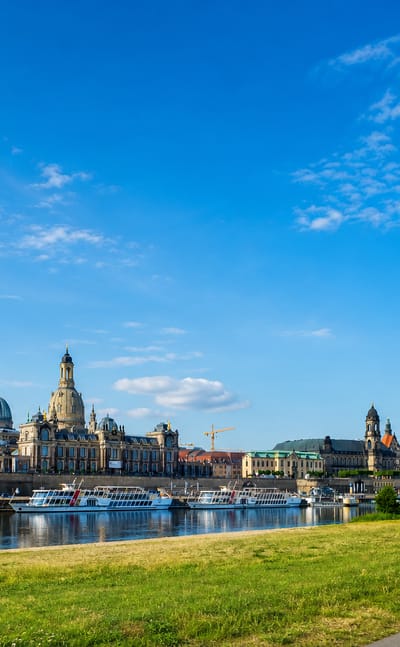
Dresden is the Baroque capital of Saxony, a river city known for the Church of Our Lady, the Green Vault, and the galleries of its old court.Where to stay →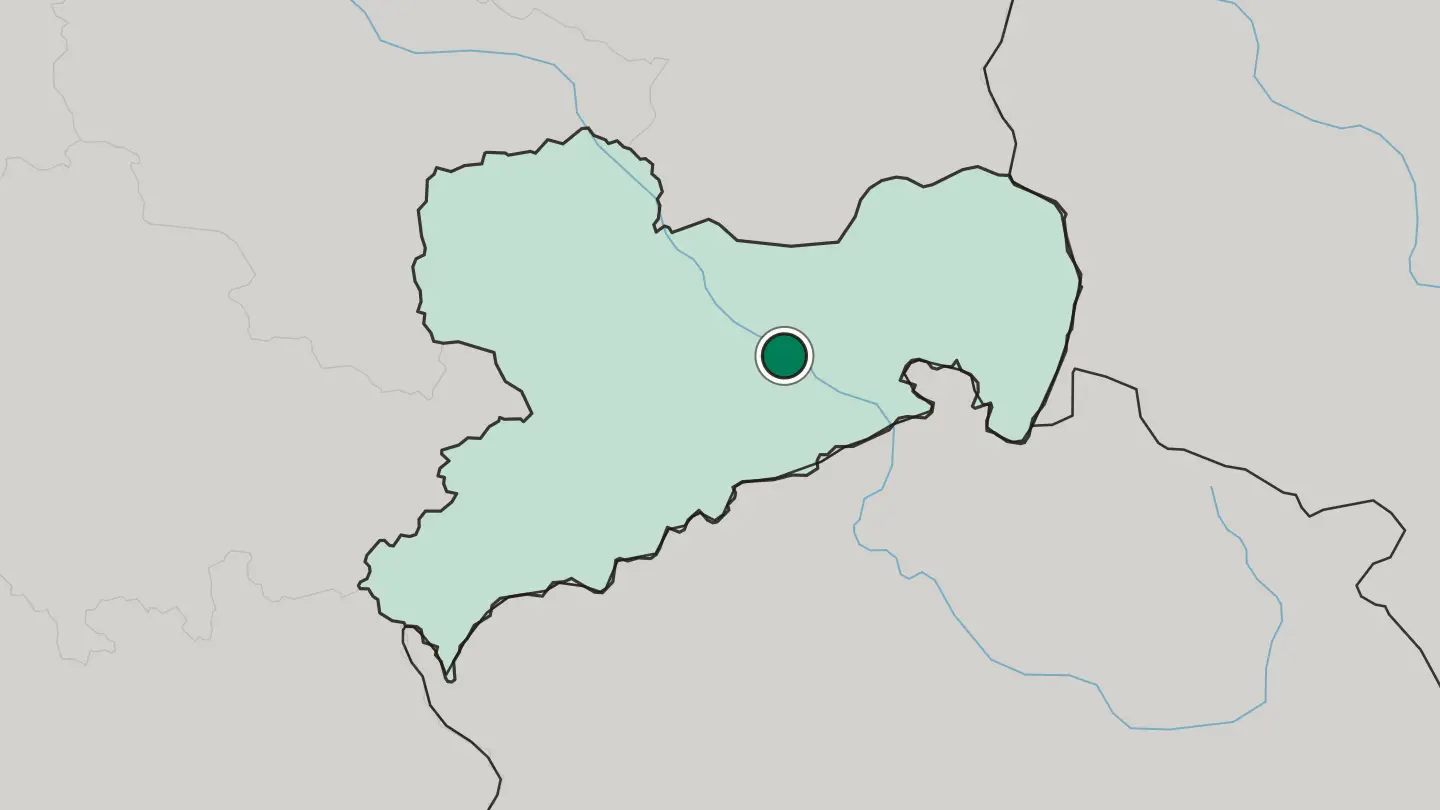
 Germany
Leipzig
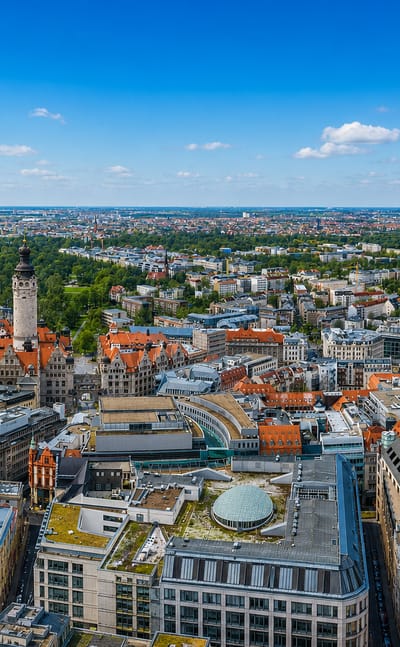
Organ music still fills St. Thomas Church at Leipzig, the largest city in Saxony, where Bach worked and a river confluence threads the old trade-fair town.Where to stay →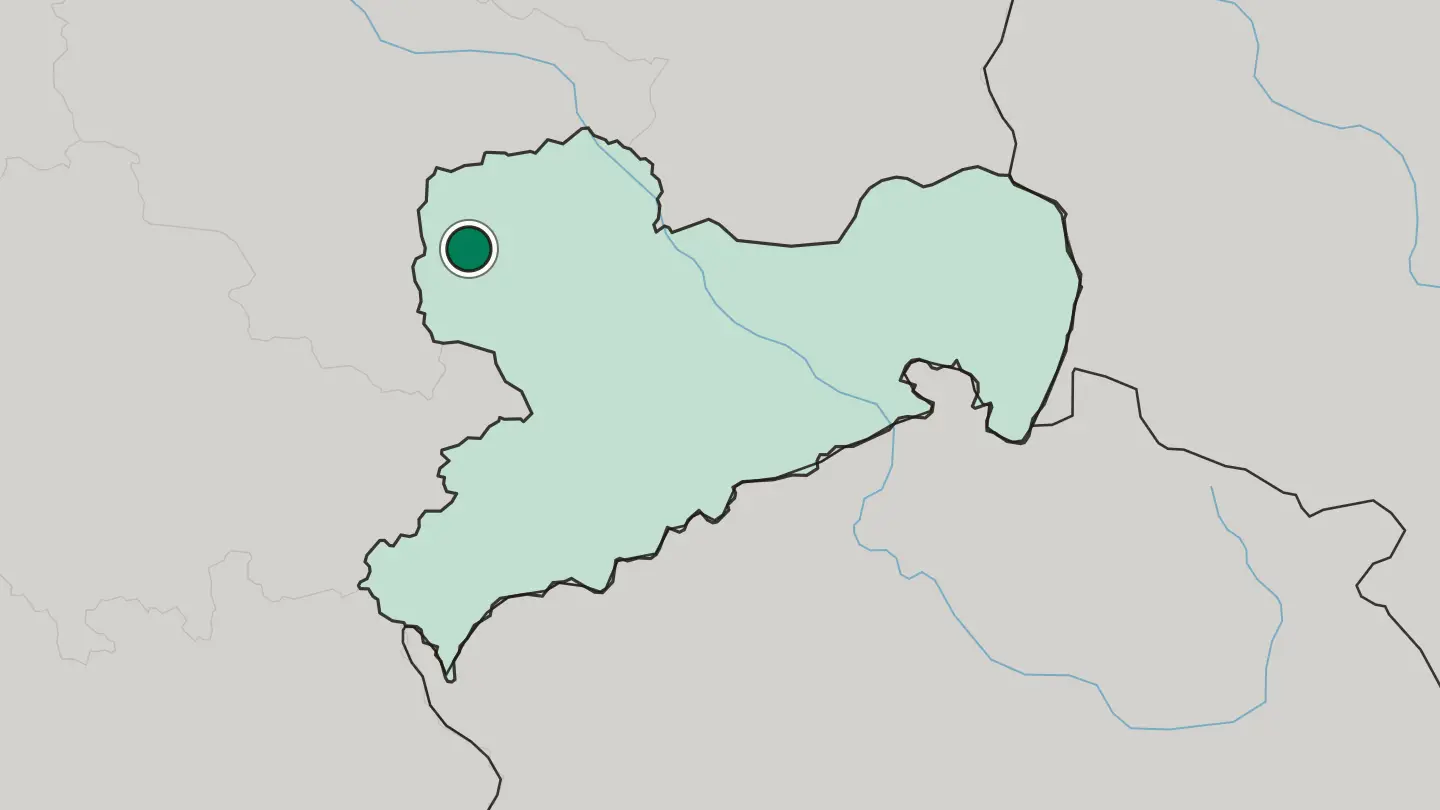
 Germany
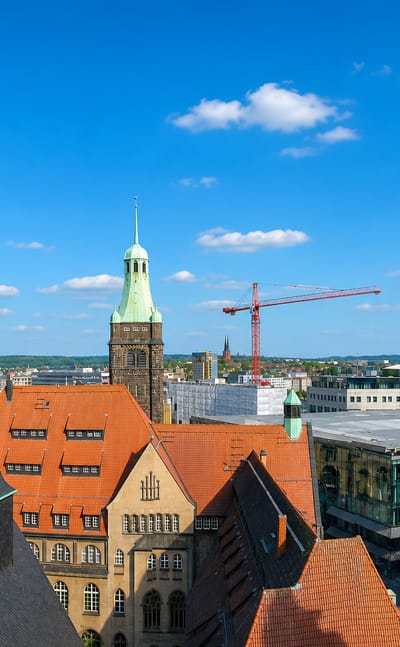
Chemnitz
Chemnitz lies at the foot of the Erzgebirge in southwestern Saxony, an old industrial city marked by the Roter Turm and its museums of machines.Where to stay →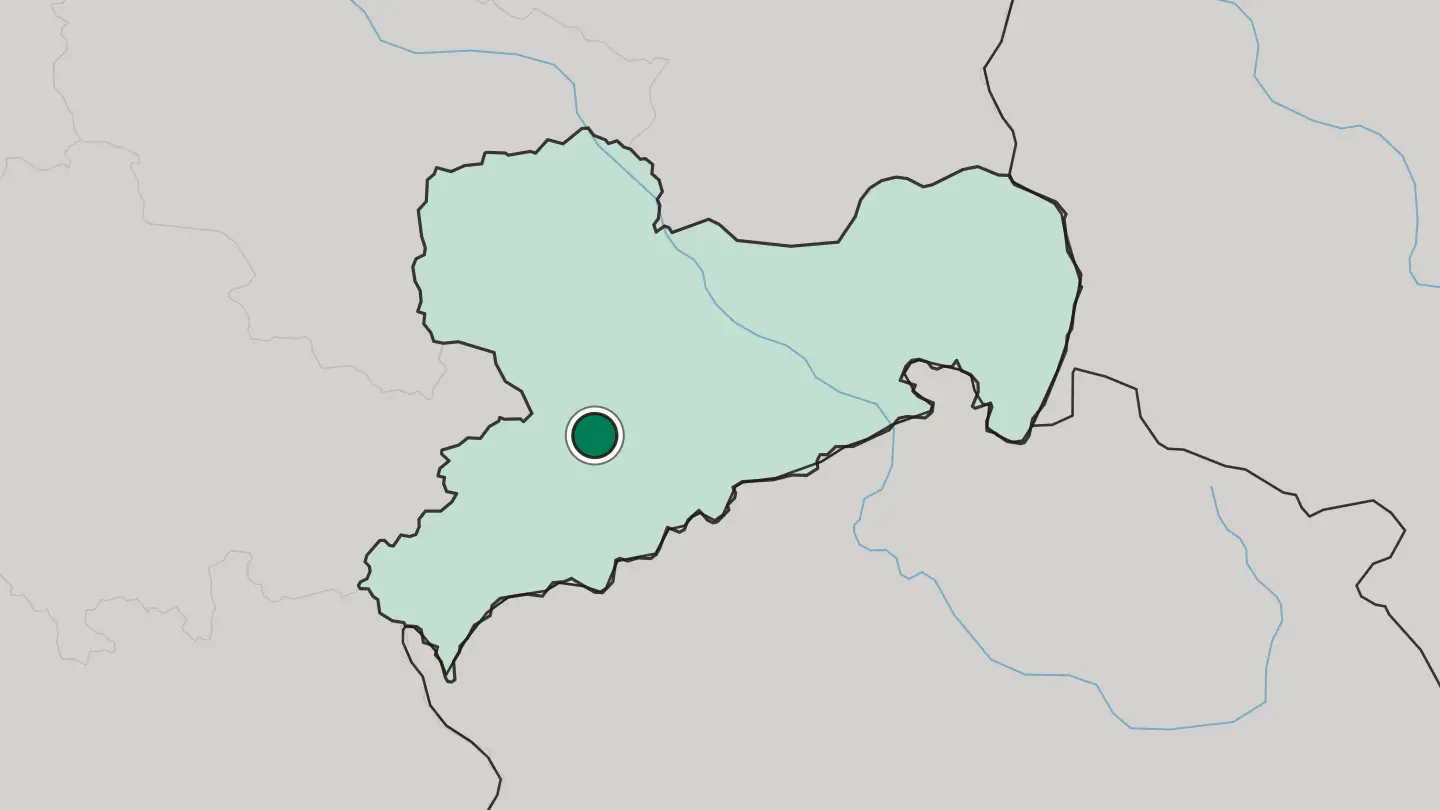
 Germany
Zwickau
Zwickau is the fourth-largest city of Saxony, the birthplace of Robert Schumann and of the Horch, Audi and Trabant marques.Where to stay →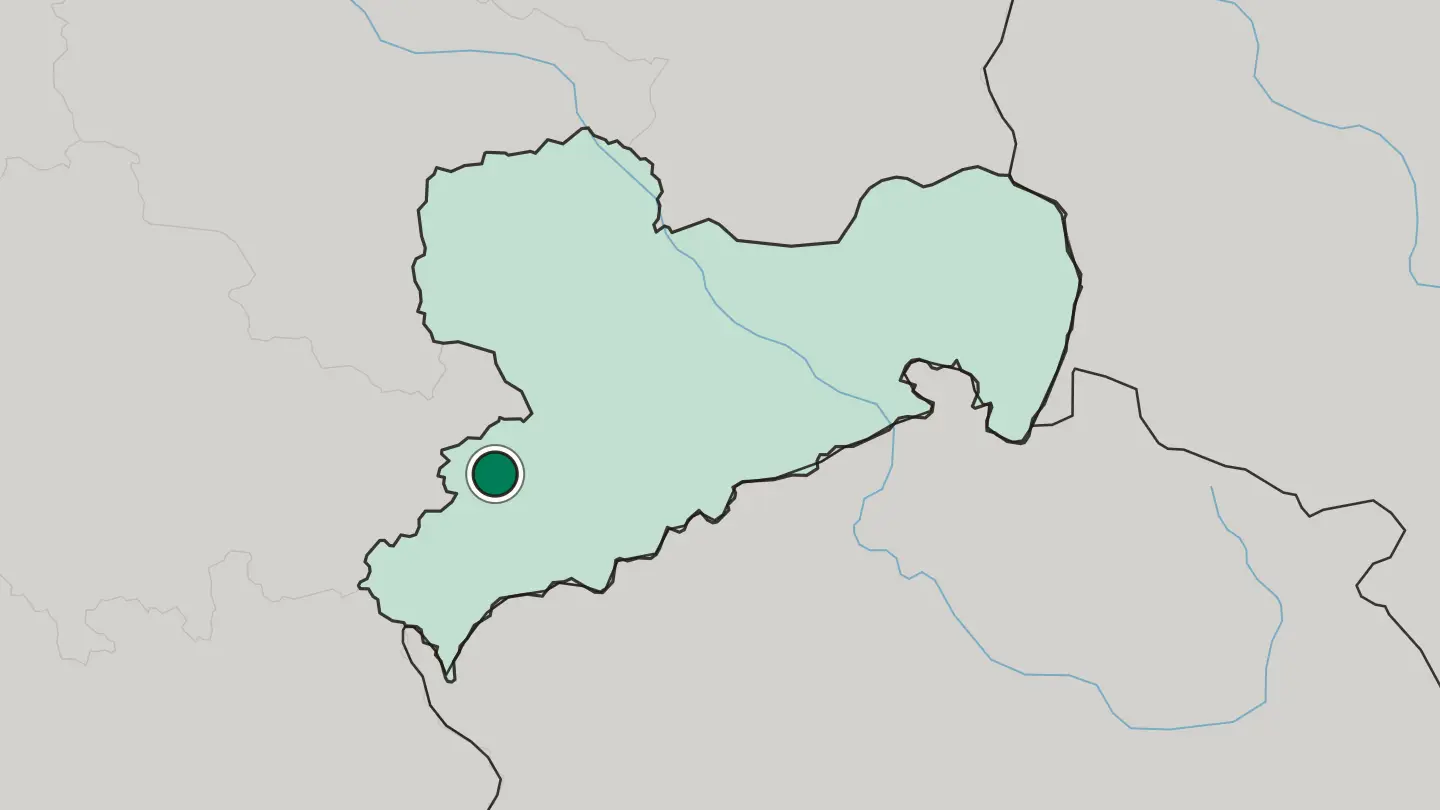
 Germany
Plauen
Plauen dates from 1112 and is the largest city of the Saxon Vogtland, with a lace industry that gave the Plauen Lace Museum its subject.Where to stay →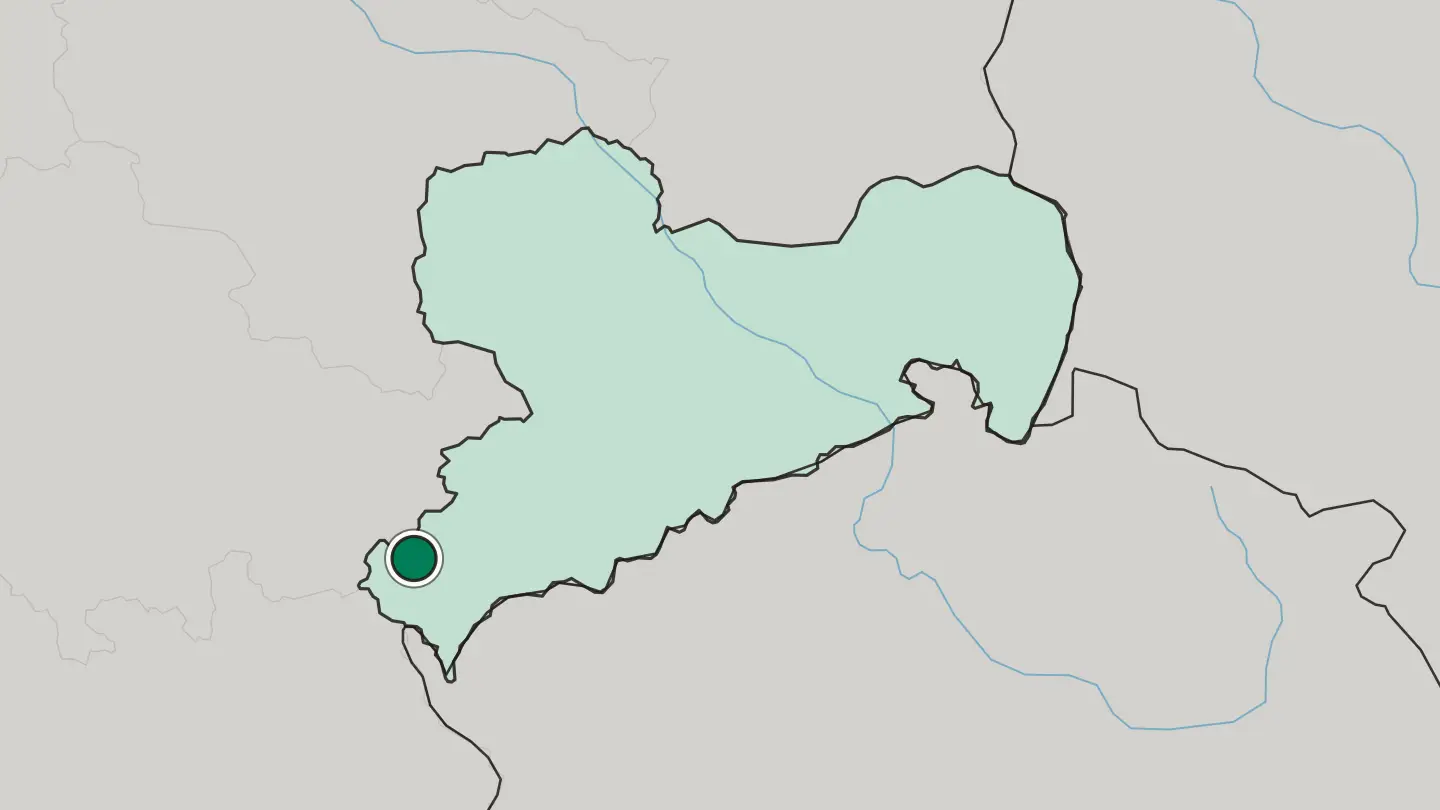 Germany
Görlitz
Görlitz, in Saxony, keeps the Kaisertrutz, the Nikolaiturm and the Schlesisches Museum zu Görlitz among a long list of towers, churches and museums.Where to stay →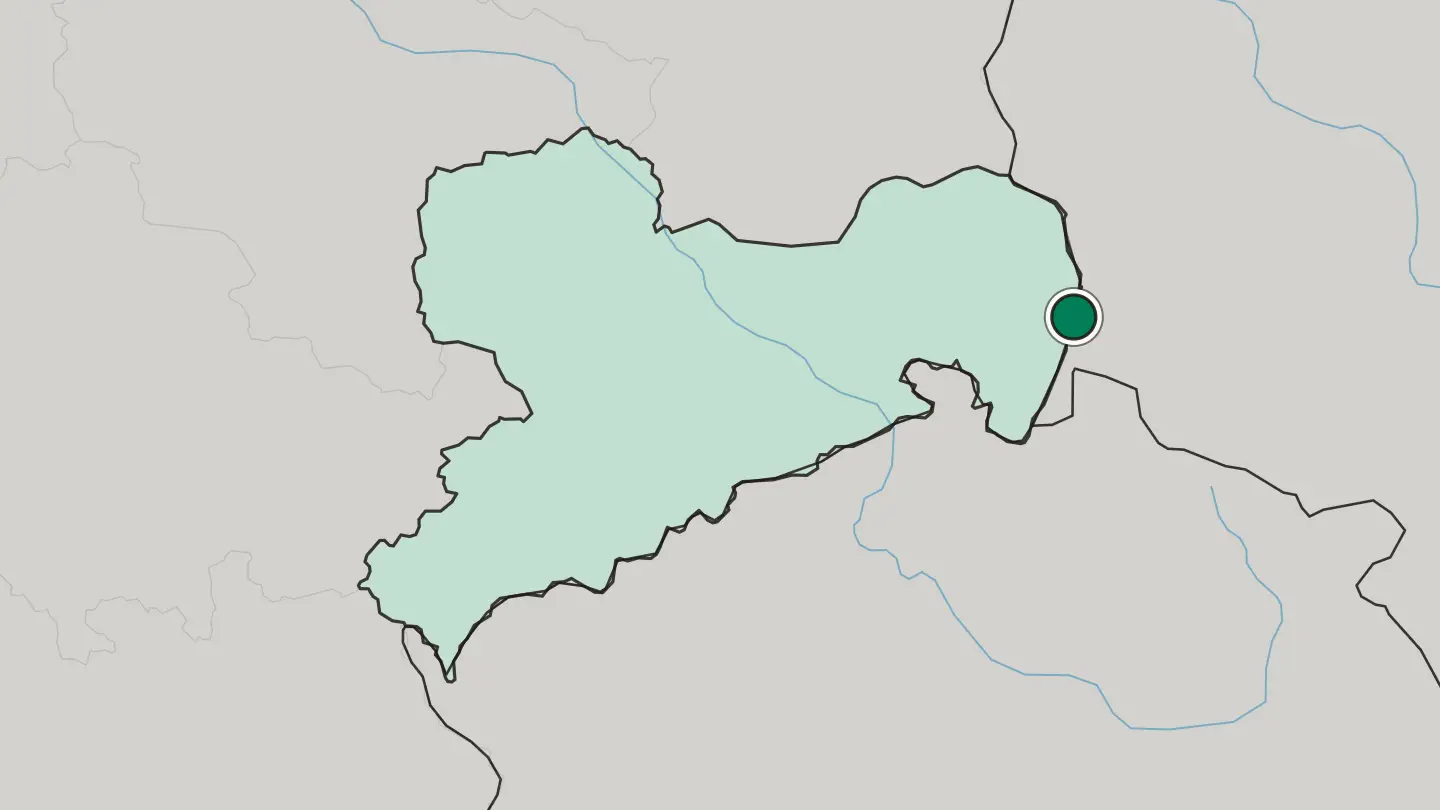
Hotel links are affiliate links: booking through them may earn us a commission, at no extra cost to you. It never affects how places are ranked. How this works
About Saxony
What is Saxony known for?
Two cities carry Saxony's reputation. Dresden, the capital, rebuilt its Baroque core along the Elbe after the war, and its Zwinger palace and reassembled Frauenkirche draw most first visits. Leipzig is the larger city, a trade-fair and music town where Johann Sebastian Bach worked at the Thomaskirche and Richard Wagner was born.
South of both, the Ore Mountains run along the frontier with the Czech Republic, a mining range that gave the state its wealth in silver and tin. Porcelain came from Meissen. The kingdom's old prestige still shows.
Where is Saxony?
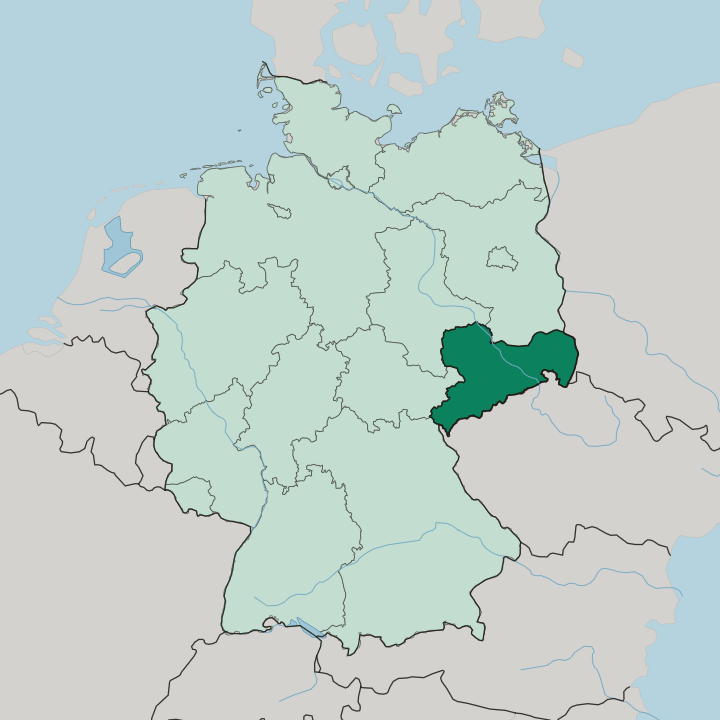
Saxony sits in the east of Germany, landlocked, with Poland along its eastern edge and the Czech Republic to the south. Saxony rises steadily from its northern lowlands to the southern hills. Northern Saxony belongs to the flat lowlands around Leipzig, part of the great plain that runs on toward Berlin, while the south rises into wooded uplands and low mountains that form the frontier country.
Ore Mountains make up much of that southern wall, and their highest Saxon summit, the Fichtelberg, stands above the resort of Oberwiesenthal on the Czech border. East of them the Elbe Sandstone Mountains break into towers and deep gorges, the area travellers call Saxon Switzerland. One river ties it all together.
The Elbe enters from the south-east out of the Czech Republic, cuts through the sandstone country, and swings north-west through the Dresden basin before leaving for Saxony-Anhalt. Dresden grew on its banks. Meissen guards a bend downstream, the porcelain town on the water.
Görlitz marks the far eastern corner, split by the Neisse when the postwar border was drawn, its eastern half now the Polish town of Zgorzelec. Rivers, not coast, shape this state. No part of Saxony reaches the sea.
What is Saxony like?
Saxony wears its old kingdom lightly but never forgets it. For centuries the Wettin electors and kings ruled from Dresden, and their taste built the palaces, the picture galleries and the opera house that still fill the capital. Music runs just as deep.
Bach spent his last decades directing the choir at Leipzig's Thomaskirche, Wagner was born in the same city, and both Dresden and Leipzig keep boys' choirs whose singing goes back centuries. Craft belongs here too. Meissen fired the first true porcelain made in Europe, and the Ore Mountains villages carve the wooden nutcrackers and Christmas figures the region is known for.
Not everyone here is Saxon German. In the east, around Bautzen in Upper Lusatia, live the Sorbs, a West Slavic people whose Sorbian language shares roots with Polish and Czech and still appears on bilingual street signs. German is the everyday language across the state.
Saxon speech carries a distinct accent that other Germans recognise at once. The mix is old and settled. It gives the eastern towns a texture the guidebooks tend to miss.
What is the history of Saxony?
The House of Wettin held these lands for centuries as electors within the Holy Roman Empire, ruling from Dresden and drawing wealth from the silver of the Ore Mountains. Augustus the Strong, elector from 1694, also won the Polish crown and poured Saxony's money into the Baroque city on the Elbe. Napoleon changed the title.
He raised the electorate to a kingdom in 1806, and that Kingdom of Saxony lasted until 1918, when the last king abdicated and it became a free state. The present Free State was re-founded in 1990 at German reunification.
What is the climate of Saxony?
Saxony has a temperate inland climate that turns sharply with the terrain. Around Leipzig and the northern lowlands, summers are warm and winters cool, with rain spread through the year. The Ore Mountains change the rules.
Up on the frontier ridge the winters run long and snowy, and Oberwiesenthal below the Fichtelberg keeps some of the reliable snow that feeds Saxony's small ski resorts. Spring and early autumn give the mildest, clearest days for walking the Elbe valley and the sandstone country. Winter belongs to the high south.
How do you get to Saxony?
Most travellers fly into Dresden or the shared Leipzig/Halle airport, the state's two gateways for air. Fast trains do more of the work, though. Dresden and Leipzig both sit on the German rail network, an hour or two from Berlin and joined to Prague across the Czech border by the line that follows the Elbe through the sandstone gorges.
That river route is one of the prettier ways in. By road, the autobahn ties the cities together and runs south into the Ore Mountains. Poland lies a short drive east.
Common questions
What is the best area to stay in Saxony?
Dresden: Baroque Dresden and the Elbe riverfront. Leipzig: Leipzig's music and trade-fair centre. Saxon Switzerland: hiking the Elbe Sandstone Mountains. The Ore Mountains: the mining range and winter snow.
Good for
More regions in Germany
Updated September 2026