Germany · Saxony
Where to Stay in Zwickau, Saxony
Zwickau is the fourth-largest city of Saxony, the birthplace of Robert Schumann and of the Horch, Audi and Trabant marques.
Hotel links are affiliate links: booking through them may earn us a commission, at no extra cost to you. It never affects how places are ranked. How this works


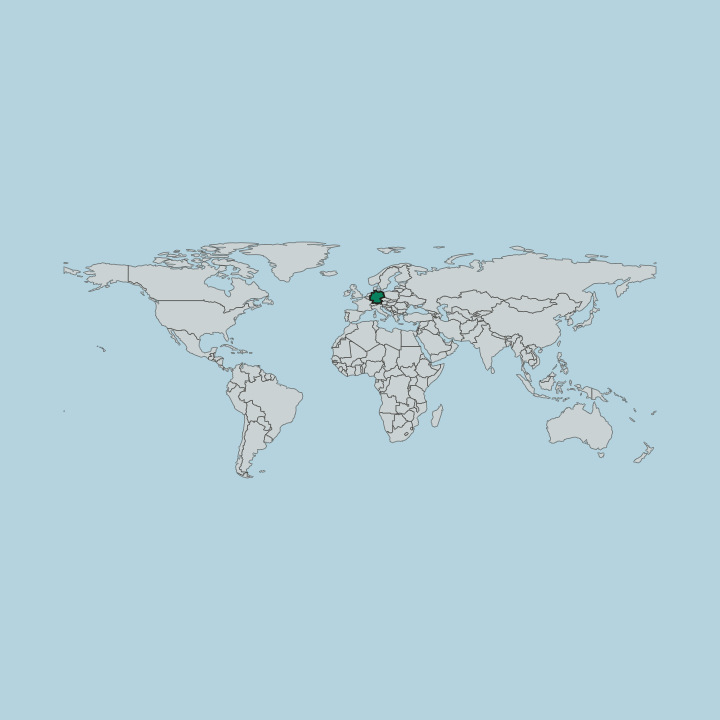
Where to stay in Zwickau
Where you base yourself shapes the visit — here's the character of each area.

 ZwickauGermany
Pölbitz
Pölbitz is the district of Zwickau that carries the August Horch Museum Zwickau and the former Automobilwerk Horch.Where to stay → ZwickauGermany
Weißenborn
Weißenborn is a district of Zwickau in Saxony, listed for villas with parks along Crimmitschauer Straße and for the works housing beside them.Where to stay →ZwickauGermanyMarienthal
Marienthal is a district of Zwickau in Saxony, listed for the Pauluskirche and for whole streets of workers' housing blocks.Where to stay →Hotel links are affiliate links: booking through them may earn us a commission, at no extra cost to you. It never affects how places are ranked. How this works
Find hotels in Zwickau
Direct booking searches for these neighbourhoods.
On the Hauptmarkt
The Hauptmarkt keeps a run of listed houses, with the Katharinenkirche and the Robert Schumann House on the same roundFind hotels in On the HauptmarktMotor visits pairing the August Horch Museum Zwickau with the WestsachsenstadionNear the August Horch Museum Zwickau
The August Horch Museum Zwickau anchors the motoring half of Zwickau, with the Westsachsenstadion on the same sideFind hotels in Near the August Horch Museum ZwickauQuiet nights beside the Schlosskirche Planitz and the Lukaskirche PlanitzPlanitz
Planitz carries two churches of its own, the Schlosskirche Planitz and the Lukaskirche Planitz, away from the market squareFind hotels in PlanitzHotel links are affiliate links: booking through them may earn us a commission, at no extra cost to you. It never affects how places are ranked. How this works
Things to do in Zwickau
Ranked by global recognition; descriptions from Wikidata (CC0).
Museums & Galleries
2- Robert Schumann House Heritage
- Kunstsammlungen der Städtischen Museen Zwickau
Churches & Religious Sites
7- Lutherkirche (Zwickau) Heritage
- Katharinenkirche Heritage
- Lukaskirche Planitz Heritage
- Pauluskirche Heritage
- Lutheran St. Matthew's Church, Bockwa Heritage
Show 2 more →
- Moritzkirche Heritage
- Schlosskirche Planitz Heritage
Castles & Historic Sites
2- Colombstein
- VVN-Denkmal (Zwickau)
Stadiums & Sports
1- Westsachsenstadion Heritage
Landmarks & Notable Places
8- Villa Wolf Heritage
- Dünnebierhaus Heritage
- Kurt-Eisner-Straße 21a Heritage
- Residential block Kurt-Eisner-Straße Zwickau Heritage
- Villa Falck Heritage
Show 3 more →
- Hauptmarkt 13 (Zwickau) Heritage
- Hauptmarkt 2 (Zwickau) Heritage
- Hauptmarkt 3 (Zwickau) Heritage
worth knowingacross 5 categories in Zwickau
About Zwickau
Cars and a composer.
What is Zwickau known for?
The August Horch Museum Zwickau keeps the motor history that began with Horch and its junior brand Audi, while the Robert Schumann House holds the other half of the city's name. Trabant came later. That small East German car was built here after the war, and Volkswagen has since put a factory in the town, though none of the older marques survives under its own badge.
The Hauptmarkt still holds the old centre.
What are the main landmarks in Zwickau?
The Hauptmarkt carries the listed numbers. Houses from number two through to thirteen are on the register, and the Katharinenkirche, the Moritzkirche, the Lutherkirche and the Pauluskirche add the churches of the middle city. Villas and schools follow.
The Villa Wolf, the Villa Falck, the Dünnebierhaus and the Pestalozzischule Zwickau stand for the building that came with industry, while the Colombstein and the VVN-Denkmal mark two commemorations of very different kinds. Planitz and Bockwa keep their own. The Schlosskirche Planitz, the Lukaskirche Planitz and the Lutheran St. Matthew's Church complete the list.
What is the history of Zwickau?
No founding year is fixed here. What the register offers instead is the Hauptmarkt, where a row of listed houses runs from number two through to thirteen, with the Katharinenkirche and the Moritzkirche standing over the older city. Then the motors arrived.
Horch was founded in the town with Audi as its junior companion brand, and neither marque survives in Zwickau, Audi having settled in Ingolstadt instead. The Trabant came after the war. That small East German car was made here, and the August Horch Museum Zwickau gathers the whole sequence into one building, from the first marques through to the cars of the East German decades.
Volkswagen followed. A factory in the town continues the line, which leaves Zwickau a place where the motor trade has changed hands repeatedly without ever quite leaving. Music predates all of it.
Robert Schumann was born here in the nineteenth century, and the Robert Schumann House keeps a composer's name at the centre of a city otherwise known for engines. The Colombstein and the VVN-Denkmal mark two later acts of remembrance, and the Pestalozzischule Zwickau with the Villa Wolf and the Villa Falck records the substantial building that industry paid for.
Where is Zwickau?
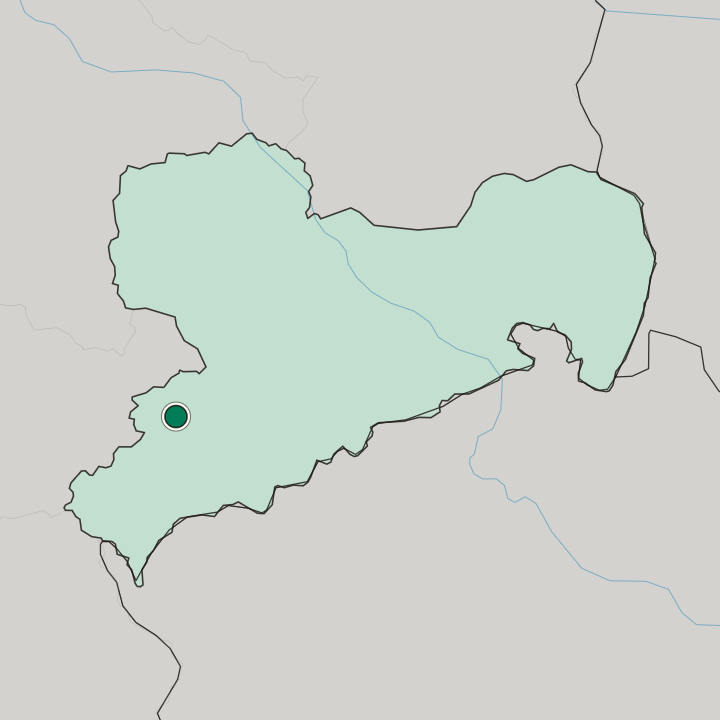
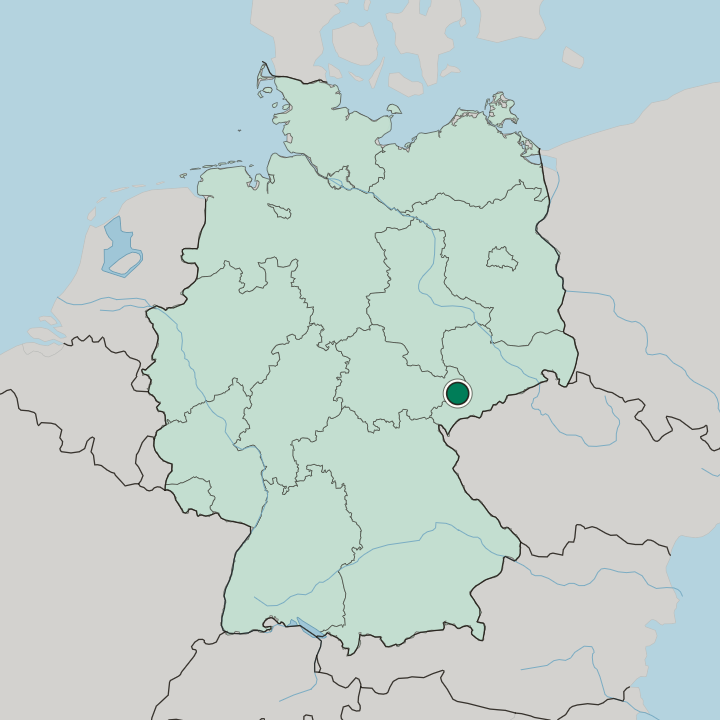
Saxony ranks it fourth. Only Leipzig, Dresden and Chemnitz are larger, and Zwickau spreads over a little more than a hundred square kilometres, enough ground to take in Planitz and Bockwa as parts of the city rather than as neighbours. The Hauptmarkt holds the middle.
Out from there the working town takes over, and the August Horch Museum Zwickau and the Westsachsenstadion stand at a distance from the churches.
What is the climate of Zwickau?
Cold months and mild ones, in ordinary proportion. The August Horch Museum Zwickau is the indoor day, and the Kunstsammlungen der Städtischen Museen Zwickau serves the same purpose once rain settles over the Hauptmarkt. Summer changes the calculation.
The walk out to Planitz, the Katharinenkirche and the market houses beat any collection while the days are long.
How do you get to Zwickau?
The Hauptmarkt is the target. Everything in the middle of Zwickau sits within a walk of it, the Katharinenkirche, the Moritzkirche, the Dünnebierhaus and the Robert Schumann House included, so a first day needs no transport at all. The museum sits apart.
The August Horch Museum Zwickau, the Westsachsenstadion and the churches of Planitz and Bockwa are the reasons to take a car or a bus, and each of them repays the trip out.
Common questions
What is the best area to stay in Zwickau?
On the Hauptmarkt: First stays taking the Hauptmarkt houses and the Robert Schumann House together. Near the August Horch Museum Zwickau: Motor visits pairing the August Horch Museum Zwickau with the Westsachsenstadion. Planitz: Quiet nights beside the Schlosskirche Planitz and the Lukaskirche Planitz.
Good for
More cities in Saxony
Updated October 2026