Germany · Saxony
Where to Stay in Dresden, Saxony
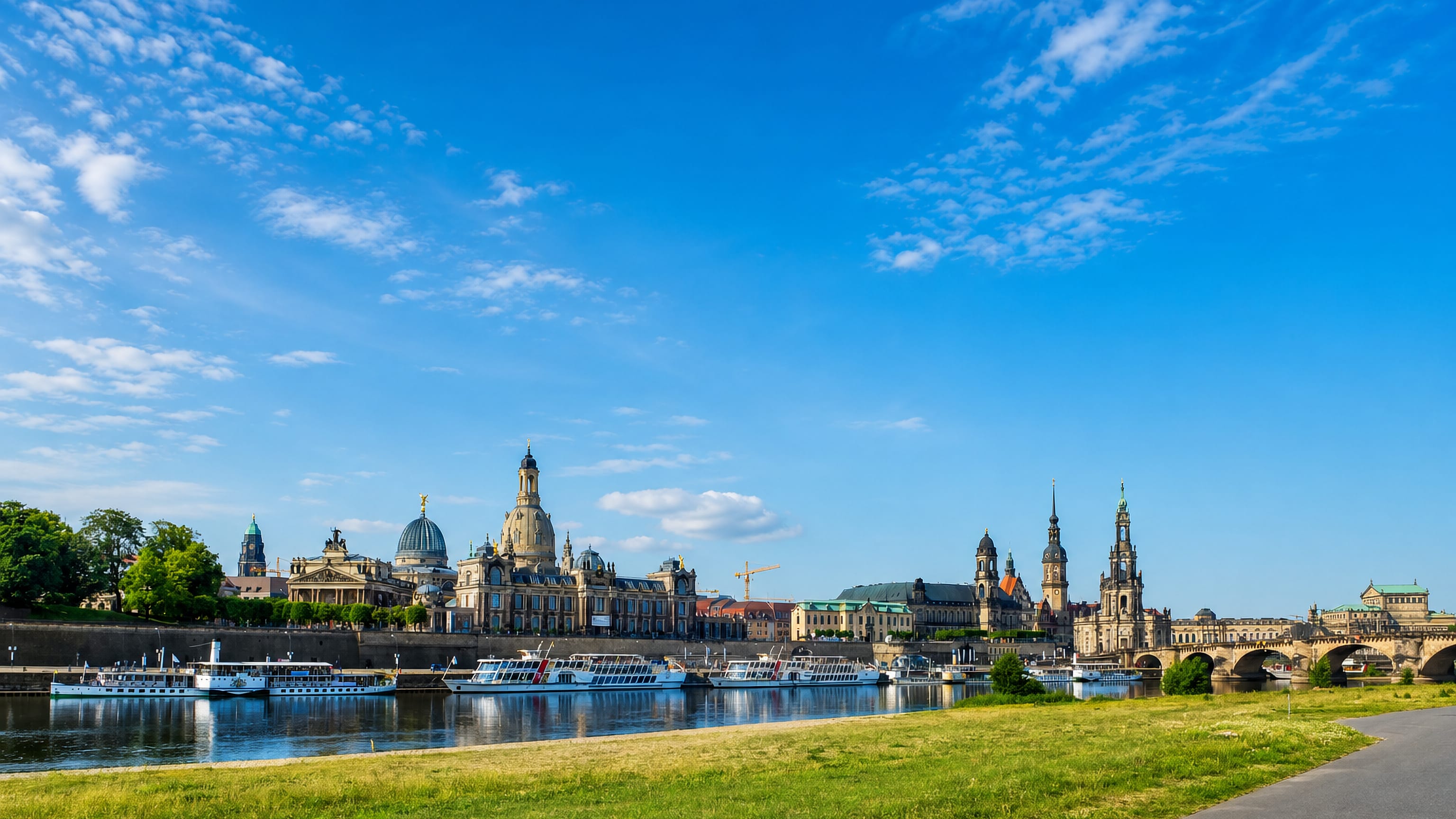
Dresden is the Baroque capital of Saxony, a river city known for the Church of Our Lady, the Green Vault, and the galleries of its old court.
Hotel links are affiliate links: booking through them may earn us a commission, at no extra cost to you. It never affects how places are ranked. How this works


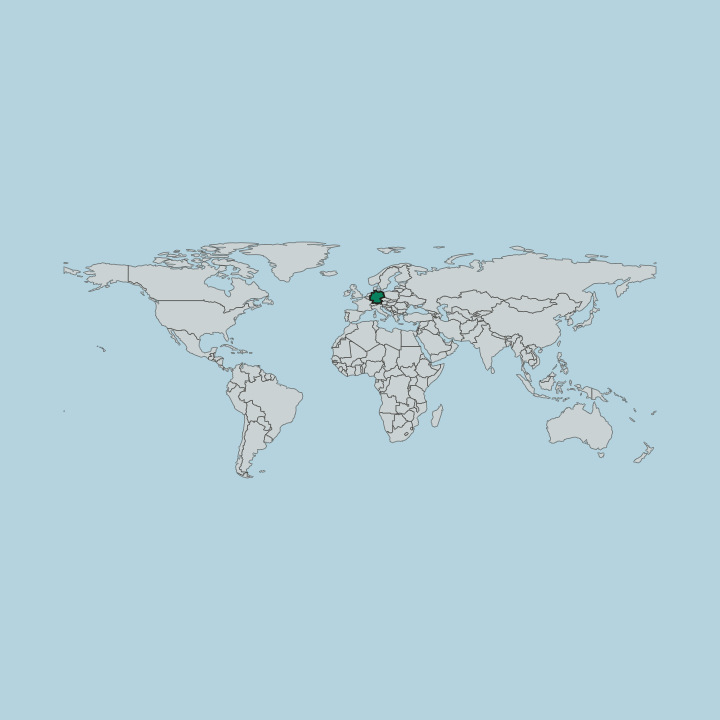
Where to stay in Dresden
Not every neighbourhood fits every trip — here's what each one is good for.

 DresdenGermany
Innere Neustadt
Innere Neustadt is Dresden's right bank facing the Altstadt over the Elbe: Neustädter Markt, Golden Rider, Augustus Bridge, Hauptstraße, Dreikönigskirche.Where to stay → DresdenGermany
Dresden-Neustadt
Dresden-Neustadt faces the Altstadt across the Elbe, Innere Neustadt runs Hauptstraße to Neustädter Markt and the Golden Rider. Bars fill Äußere Neustadt.Where to stay → DresdenGermany
Äußere Neustadt
Äußere Neustadt, also called Antonstadt, is the part of Dresden's Neustadt beyond the old city walls, known for its bar and club streets.Where to stay → DresdenGermany
Friedrichstadt
Friedrichstadt is a central Dresden neighbourhood, once a factory district and the home ground of the founders of Die Brücke.Where to stay → DresdenGermany
Strehlen
Strehlen is a Stadtteil of Dresden in the Prohlis district, first documented in 1288 as Strowelin, the place of Strowela.Where to stay → DresdenGermany
Striesen
Striesen is a quarter of Dresden with a long register: the Technische Sammlungen Dresden, the Ernemannturm and a row of street memorials.Where to stay → DresdenGermany
Cotta
Cotta is a residential district in the west of Dresden, its draw the Railway Museum Dresden in the sheds of the old Bahnbetriebswerk Dresden-Altstadt.Where to stay → DresdenGermany
Albertstadt
Albertstadt is a garrison quarter above Dresden's Neustadt, built for Albert of Saxony, its arsenal now the Bundeswehr Military History Museum.Where to stay → DresdenGermany
Blasewitz
Blasewitz is a borough on the left bank of the Elbe in eastern Dresden, the Loschwitz Bridge linking it to Loschwitz. It gathers Striesen and Gruna.Where to stay → DresdenGermany
Weisser Hirsch
Weisser Hirsch is a hillside quarter of northeast Dresden above the Elbe, an old air-cure resort with the Kirche Weißer Hirsch. Loschwitz lies below.Where to stay → DresdenGermany
Loschwitz
Loschwitz is a hillside district on the Elbe's right bank in east Dresden facing Blasewitz, the Loschwitz Bridge crossing to it and Weißer Hirsch above.Where to stay → DresdenGermany
Leuben
Leuben is both a Dresden quarter and the borough that gathers Laubegast, Kleinzschachwitz and Großzschachwitz alongside it.Where to stay → DresdenGermany
Hellerau
Hellerau sits in north Dresden, laid out to a single plan in 1909, its parish church the Christophoruskirche, Klotzsche and Rähnitz to the north.Where to stay → DresdenGermany
Klotzsche
Klotzsche is a Dresden borough, Saxony: Klotzsche proper, Hellerau, Rähnitz, Wilschdorf, Old Church Klotzsche, Museum für Mineralogie und Geologie Dresden.Where to stay → DresdenGermany
Pillnitz
Pillnitz is a Dresden district on the Elbe, its palace holding Schlossmuseum Pillnitz and Kunstgewerbemuseum Dresden. Vineyard Church Pillnitz is above.Where to stay →Hotel links are affiliate links: booking through them may earn us a commission, at no extra cost to you. It never affects how places are ranked. How this works
Find hotels in Dresden
Direct booking searches for these neighbourhoods.
Altstadt
Gathers the Church of Our Lady, the Semper Gallery, and the Green Vault along the river terracesFind hotels in AltstadtA younger, livelier stay across the riverNeustadt
Runs its bar-filled nineteenth-century grid around the Dreikönigskirche on the far bankFind hotels in NeustadtRail travellers basing near the main stationHauptbahnhof quarter
Sits by Dresden's main station south of the Altstadt for quick onward trainsFind hotels in Hauptbahnhof quarterHotel links are affiliate links: booking through them may earn us a commission, at no extra cost to you. It never affects how places are ranked. How this works
Things to do in Dresden
Ranked by global recognition; descriptions from Wikidata (CC0).
Museums & Galleries
8- Bundeswehr Military History Museum Heritage
- German Hygiene Museum Heritage
- Albertinum Heritage
- Semper Gallery Heritage
- Erich Kästner Museum Heritage
Show 3 more →
- Schillerhäuschen Dresden Heritage
- Carl-Maria-von-Weber-Museum Heritage
- Leonhardi-Museum (Dresden, Germany) Heritage
Churches & Religious Sites
8- Church of Our Lady Heritage
- Dresden Cathedral Heritage
- Kreuzkirche Heritage
- Dreikönigskirche Heritage
- Anne’s Church Heritage
Show 3 more →
- Trinitatiskirche Heritage
- Martin-Luther-Kirche Heritage
- Christuskirche Strehlen Heritage
Castles & Historic Sites
5- Golden Rider Heritage
- Hauptmann Hirsch Memorial Heritage
- Denkmal der Kurfürstin Anna von Sachsen Heritage
- Skulptur „Der verlorene Sohn“ Blasewitz Heritage
- Jagddenkmal „Pilz“ Heritage
Stadiums & Sports
1- Schwimm- und Sprunghalle Freiberger Platz Heritage
Landmarks & Notable Places
6- Loschwitz Bridge Heritage
- Alter Schlachthof Dresden Heritage
- Kläranlage Kaditz Heritage
- Shooting house Dresden Heritage
- Ernemannturm Heritage
Show 1 more →
- Dobritz mill Heritage
worth knowingacross 5 categories in Dresden
About Dresden
What is Dresden known for?
Dresden is known for its Baroque skyline and its royal art collections, the capital of Saxony rebuilt around the domed Church of Our Lady. Art fills the old court. The treasures of the Green Vault, the paintings of the Gemäldegalerie Alte Meister in the Semper Gallery, and the halls of the Albertinum grew from the wealth of the Saxon electors.
Along the river terraces the old town gathers those landmarks in one Baroque band.
What are the main landmarks in Dresden?
Dresden's landmarks crowd the Baroque old town, where a domed church, a treasure vault, and a run of royal museums stand close together along the river terraces above the water. The rebuilt Church of Our Lady rises over the Neumarkt, near the Kreuzkirche and the Dresden Cathedral. The Green Vault holds the Saxon jewels, while the Semper Gallery and the Albertinum keep the Gemäldegalerie Alte Meister and the later collections.
On horseback stands the gilded Golden Rider. Baroque stone defines it.
What is the history of Dresden?
Dresden appears in the record in 1206, a small Slavic-rooted settlement on the river that would become the capital of Saxony. It rose from modest beginnings. Under the electors and kings of Saxony the town became a court city, and its rulers poured mining wealth into palaces and collections, raising the Church of Our Lady, the Green Vault, and the galleries that hold the Gemäldegalerie Alte Meister.
That golden age gave the city the Baroque skyline it is known for. War tore through that inheritance in the twentieth century, when bombing in the closing months of the Second World War destroyed much of the old town in a single night. Ruin followed.
Over the decades that followed, the people of Dresden rebuilt the Church of Our Lady stone by numbered stone and restored the Semper Gallery and the Albertinum around it. As the capital of Saxony the city grew again along both banks, keeping the old Baroque plan at its centre. That reconstructed core still holds the city together.
Where is Dresden?
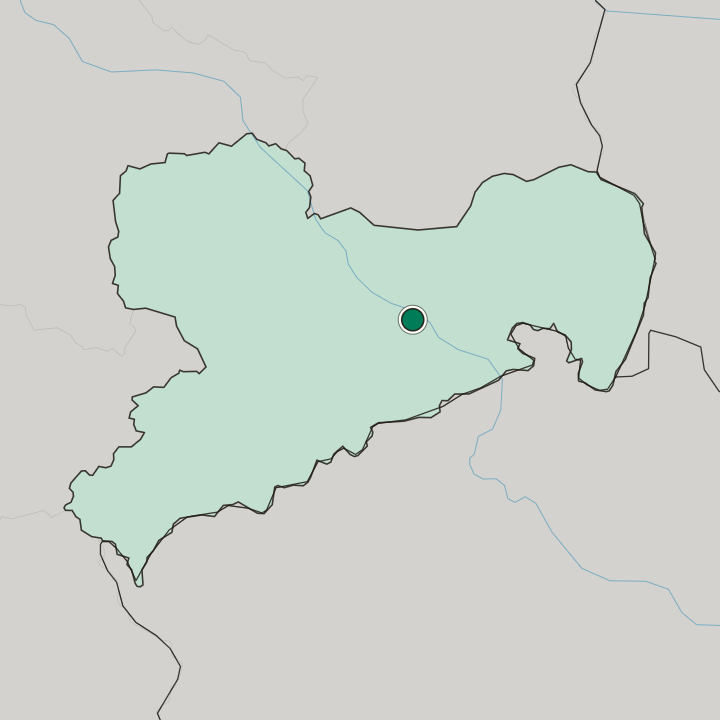
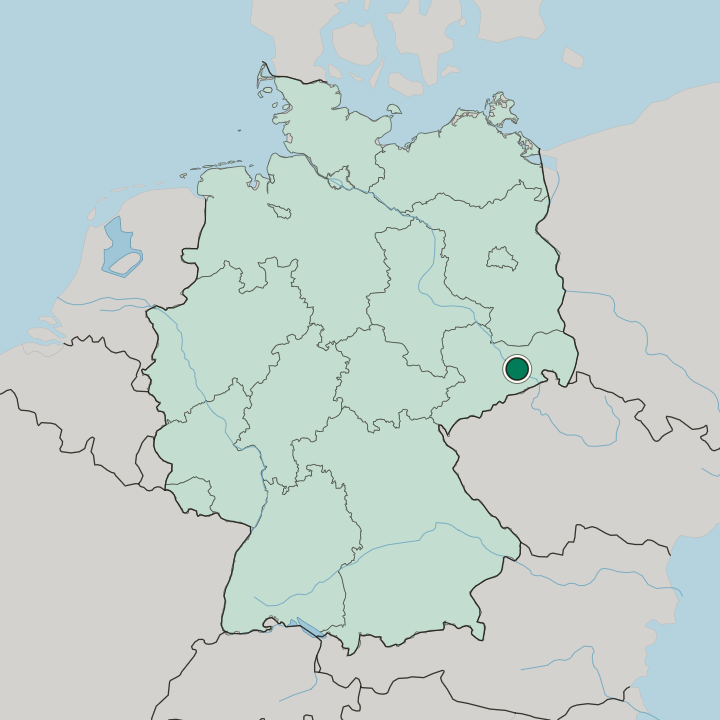
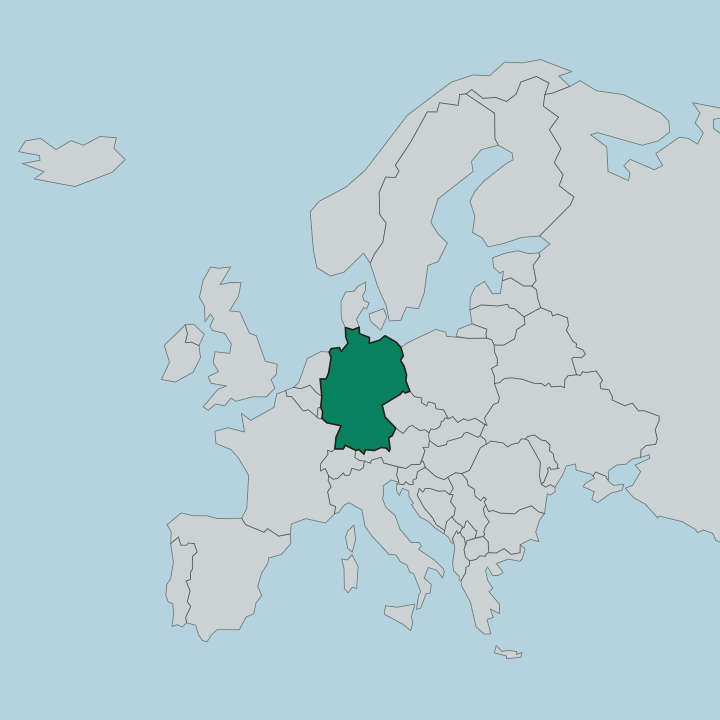
Dresden lies in the east of Germany, the capital of Saxony, set in a broad basin where a great river cuts through the low hills. The old town spreads along the terraces above the water, with wooded slopes and vineyards climbing the valley sides toward the sandstone uplands to the south-east. Level ground carries the centre.
This river basin, close to the border with the Czech lands, has long made the city a crossing between the German and Bohemian country.
What is the climate of Dresden?
Dresden has a moderate continental climate, sheltered in its river basin in the east of Saxony. Winters run cold and dry, with frost and some snow settling in the valley and on the sandstone hills around the city. The sheltered basin turns summer warm.
The sheltered basin holds the heat and keeps the vineyard slopes above the river warmer than the open uplands, while rain falls fairly evenly across the year.
How do you get to Dresden?
Dresden sits on the main rail lines of eastern Germany, and its main station and airport link the capital of Saxony with the larger cities to the north and west. Trains and trams meet in the centre. Roads and the river valley both carry traffic through the basin toward the Czech border to the south.
Most visitors arrive by train.
Common questions
What is the best area to stay in Dresden?
Altstadt: First-time visitors who want the Church of Our Lady and the galleries at the door. Neustadt: A younger, livelier stay across the river. Hauptbahnhof quarter: Rail travellers basing near the main station.
Good for
More cities in Saxony
Updated October 2026