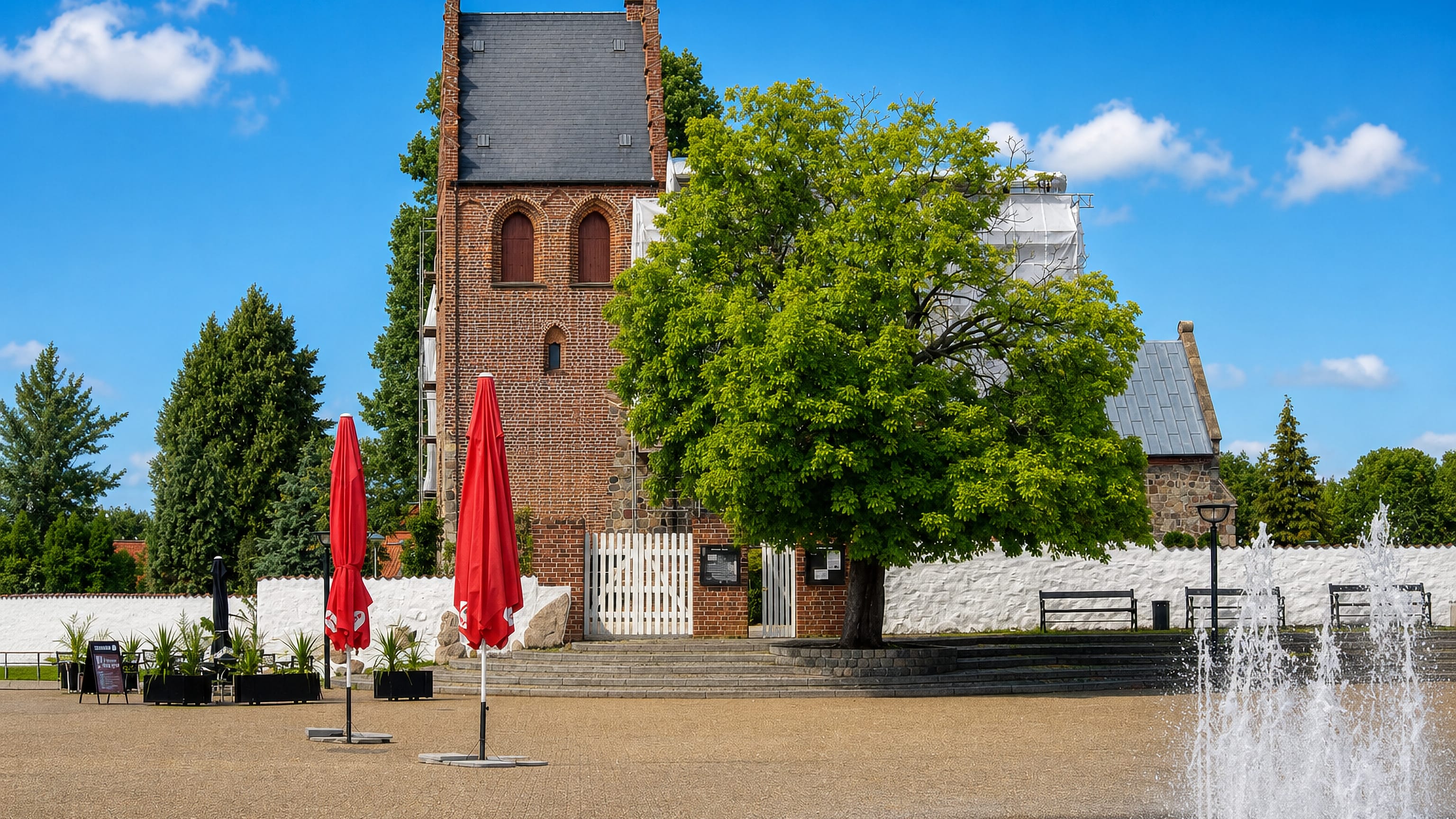
Denmark · Region Hovedstaden
Where to Stay in Ballerup, Region Hovedstaden
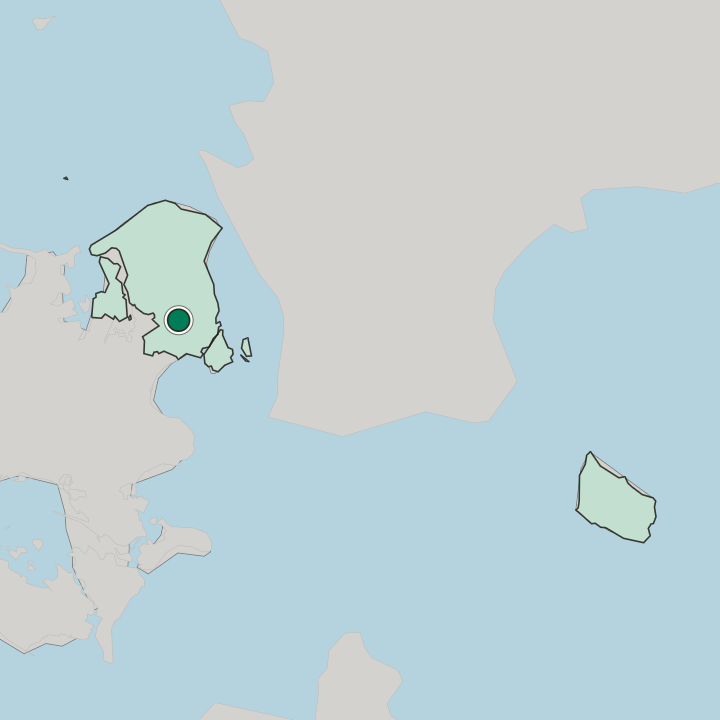
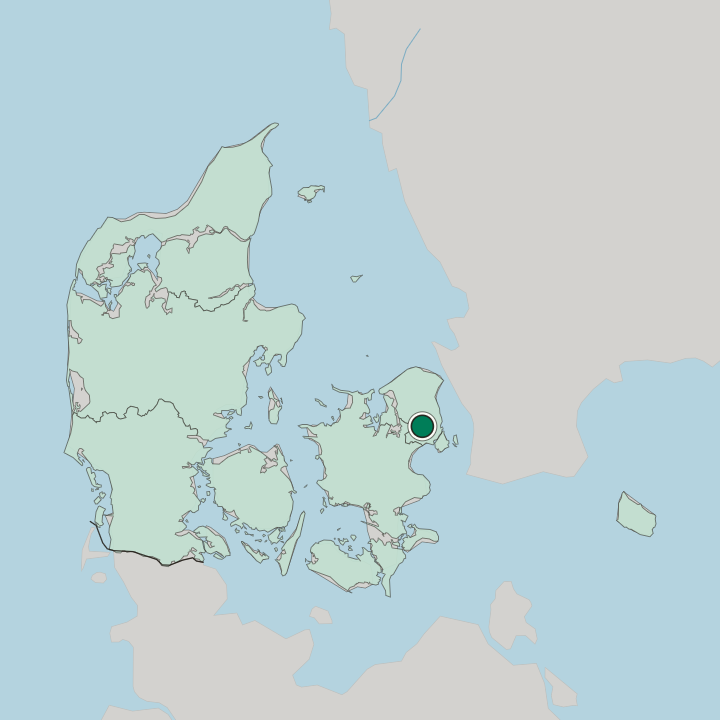
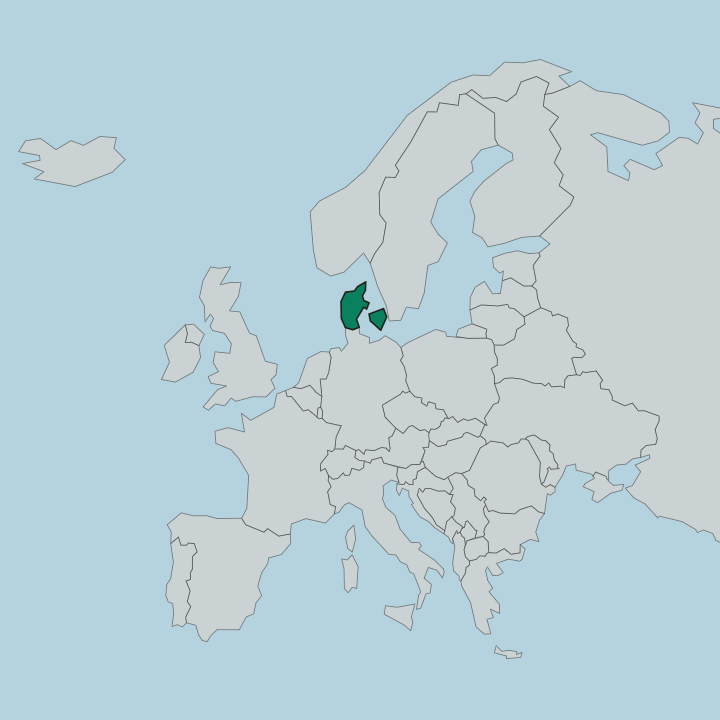
Ballerup is a commuter town in eastern Denmark, on the island of Zealand, about fifteen kilometres west of central Copenhagen.
Hotel links are affiliate links: booking through them may earn us a commission, at no extra cost to you. It never affects how places are ranked. How this works


Where to stay in Ballerup
Where visitors usually base themselves, and why.
Beds in Ballerup cluster around the S-train, not a tourist core, because most visitors here are working or in transit toward Copenhagen. The area around the station carries the practical lodgings, a handful of hotels and rooms set among shops and bus links that put the city within a short rail ride. Stay here for ease.
Out toward Måløv, the quieter western parishes around Måløv Kirke offer a calmer residential base, with houses and guest rooms among the older lanes rather than the through-traffic of the centre. Drivers heading on to north Zealand sometimes fix on the edge nearest Jonstrup Vang, where the ancient woodland and monument ground give a green pause before the motorway. Rooms stay scarce in the conference weeks tied to the sports complex.
Book the station-side beds early then, since the suburb has no large hotel surplus to fall back on.
Find hotels in Ballerup
Direct booking searches for these neighbourhoods.
Around the station
practical hotels by the S-train among shops and bus links. Rooms are few around here — worth securing early.Find hotels in Around the stationa quiet western parish stayMåløv
guest rooms in the older lanes near Måløv KirkeFind hotels in Måløvdrivers bound for north ZealandJonstrup Vang edge
a green pause beside the ancient Jonstrup Vang woodlandFind hotels in Jonstrup Vang edgeHotel links are affiliate links: booking through them may earn us a commission, at no extra cost to you. It never affects how places are ranked. How this works
Things to do in Ballerup
Ranked by global recognition; descriptions from Wikidata (CC0).
Churches & Religious Sites
3- Ballerup Church
- Måløv Church
- Hedegårdskirken
Stadiums & Sports
1- Ballerup Idrætsby
Landmarks & Notable Places
1- Stuvehøjgård
worth knowingacross 3 categories in Ballerup
About Ballerup
What is Ballerup known for?
Ballerup is the seat of Ballerup Municipality, a residential and working district in the southern part of Capital Region of Denmark. Schooling defines much of the place. The municipality runs roughly twenty-five schools, and the town keeps its own institution devoted to the study and training of music, an unusual specialism for a settlement this size.
Sport gathers the suburb at Ballerup Idrætsby, the large arena and stadium complex on the eastern side. The town is twinned with East Kilbride in Scotland.
What are the main landmarks in Ballerup?
Three parish churches anchor it. Ballerup Kirke stands at the historic core, with Hedegårdskirken serving the postwar housing to the east of it and Måløv Kirke marking the older village out to the west of the modern town. Ballerup Idrætsby draws the crowds, its arena, stadium, and halls hosting the sport that the surrounding suburb turns out for.
Stuvehøjgård survives among the newer streets, a farmstead left from the agrarian Zealand the town grew over. North of the built edge lies Jonstrup Vang, a stretch of ancient woodland and protected monument ground.
What is the history of Ballerup?
Ballerup began as a farming parish on the flat moraine of central Zealand, its life turning around Ballerup Kirke and the working land of estates like Stuvehøjgård. For centuries it was open country. The medieval church and the scattered farmsteads marked a village that lay clear of Copenhagen and answered to its own slow agrarian year.
That changed when the railway out from the capital reached this part of Zealand and stitched the parish into the commuter belt, pulling new houses out along the line. Growth came in waves through the twentieth century, filling the fields between the old village and the western settlement at Måløv, which kept its own church and identity even as the built area closed around it. Postwar housing brought a second wave, and Hedegårdskirken rose to serve the new eastern neighbourhoods.
The municipality invested in schooling and music as it grew, and later in sport, raising Ballerup Idrætsby on the eastern flank. Through all of it the town stayed bound to Copenhagen, fifteen kilometres east, a working suburb rather than a place travellers came to see.
Where is Ballerup?
Ballerup sits on the gentle moraine plain of central Zealand, in the southern part of Capital Region of Denmark. The land is low and worked-over, with no coast of its own. Copenhagen lies about fifteen kilometres to the east.
The town runs from its old core out to the western settlement at Måløv, while the wooded ground of Jonstrup Vang breaks the flat farmland along the northern edge.
What is the climate of Ballerup?
Ballerup shares the mild, changeable weather of lowland Zealand. Winters are cool and grey, rarely harsh this close to the sea that rings the island, while summers stay moderate and often wet, with long northern daylight stretching the evenings well past the close of the working day. Rain falls across the year rather than in a single season.
The open moraine offers little shelter, so wind off the surrounding water reaches the town readily.
How do you get to Ballerup?
The S-train carries it. Ballerup is the terminus of one of the Copenhagen S-train lines, so frequent electric services link the town directly to the city centre in well under half an hour through the day and evening. Local buses fan out from the station to Måløv and the surrounding parishes.
Drivers reach the town on the roads that run west from Copenhagen across Zealand, and Copenhagen Airport lies on the far side of the city, a straightforward rail transfer away.
Common questions
What is the best area to stay in Ballerup?
Around the station: commuters changing at Ballerup for Copenhagen. Måløv: a quiet western parish stay. Jonstrup Vang edge: drivers bound for north Zealand.
Good for
More cities in Region Hovedstaden
Updated October 2026