Denmark · Region Hovedstaden
Where to Stay in Charlottenlund, Region Hovedstaden
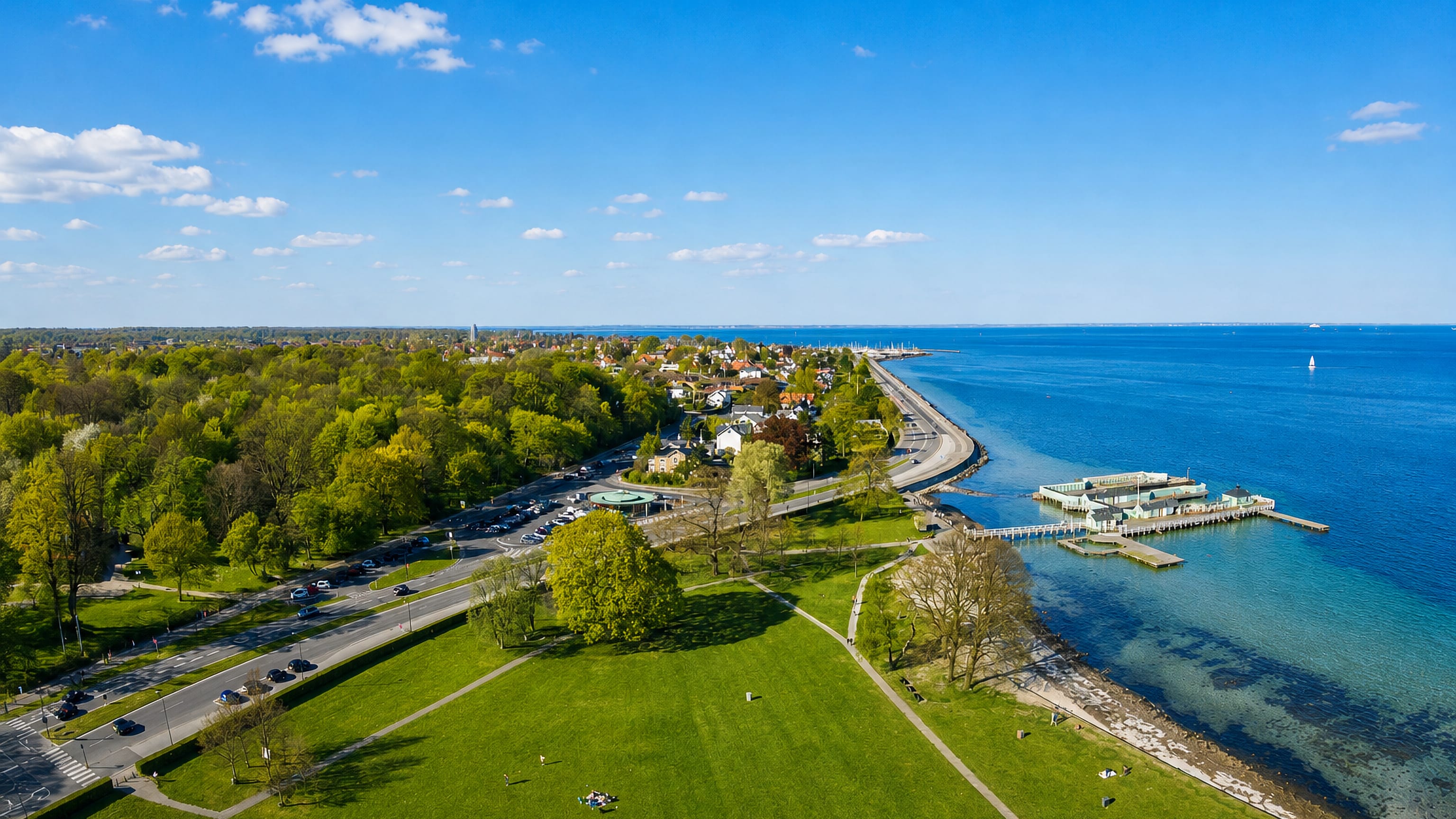
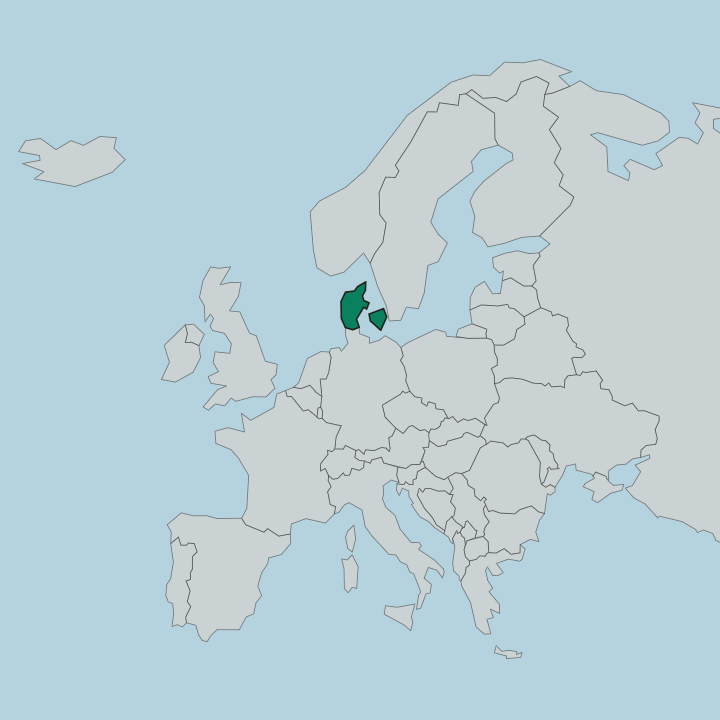
Charlottenlund is a leafy district in eastern Denmark, on the island of Zealand, set among the wooded suburbs north of Copenhagen.
Hotel links are affiliate links: booking through them may earn us a commission, at no extra cost to you. It never affects how places are ranked. How this works


Where to stay in Charlottenlund
Where visitors usually base themselves, and why.
Charlottenlund is a calm, green base in the affluent suburbs north of the capital, an alternative to the crowded centre. Hotels and guesthouses stand among the tree-lined streets and parks, within an easy rail ride of central Copenhagen and close to the deer forest. The district is unhurried and leafy.
Travellers who want quiet nights near the fairgrounds of Dyrehavsbakken, the manor art of Ordrupgaard, and the science halls of the Experimentarium find Charlottenlund a restful place to sleep. Beds toward the heart of the district sit near the Øregaard Museum and the parks, suiting families and longer stays, while addresses by the woods put the old amusement park and the Garderhøj Fort within reach and give a short hop to the design houses of Finn Juhls hus and the wider Gentofte parishes. Reserve early in summer.
The fairground season at Dyrehavsbakken and the steady flow of day visitors from the city press on rooms across the warm months.
Find hotels in Charlottenlund
Direct booking searches for these neighbourhoods.
District heart by the parks
beds near the Øregaard Museum among the tree-lined streetsFind hotels in District heart by the parksfairground and forest visitorsBy the deer forest
rooms near Dyrehavsbakken and the old wooden RutchebanenFind hotels in By the deer forestgallery-goers and design loversOrdrup art quarter
stays near Ordrupgaard and the modernist Finn Juhls husFind hotels in Ordrup art quarterHotel links are affiliate links: booking through them may earn us a commission, at no extra cost to you. It never affects how places are ranked. How this works
Things to do in Charlottenlund
Ranked by global recognition; descriptions from Wikidata (CC0).
Museums & Galleries
4- Øregård Museum Heritage art museum in Hellerup
- Garderhøj Fort Heritage ancient monument in Gentofte Municipality (96003)
- Museum Ordrupgaard state-owned art museum
- Finn Juhl's House house
Churches & Religious Sites
3- Helleruplund Church church building in Gentofte Municipality
- St. Theresa's Church
- St. Andrew's Church
Stadiums & Sports
3- Kildeskovshallen Heritage Danish sports venue
- Gentofte Sportspark
- B 1903's anlæg
Landmarks & Notable Places
3- Arne Jacobsen’s own house in Charlottenlund
- Arne Jacobsen’s own house in Klampenborg
- Søborghus
worth knowingacross 4 categories in Charlottenlund
About Charlottenlund
What is Charlottenlund known for?
Charlottenlund is a wooded northern district known for its parks and its old fairgrounds. Dyrehavsbakken, the venerable amusement park beside the deer forest, draws crowds to its wooden Rutchebanen and steel Tornado. Art has a strong hold here.
The manor galleries of Ordrupgaard and the Øregaard Museum gather painting in their parkland settings, while the Experimentarium offers hands-on science and the giant Tuborgflasken rises as a landmark over the suburb.
What are the main landmarks in Charlottenlund?
Dyrehavsbakken is the district's great draw, the old amusement park by the deer forest with its wooden Rutchebanen and steel Tornado coasters. Two manor museums hold the art. Ordrupgaard keeps French and Danish painting in its parkland house, while the Øregaard Museum and the modernist Finn Juhls hus show the design and craft of the area.
The Experimentarium fills its halls with hands-on science, the Tuborgflasken rises as a giant bottle-shaped tower, and the earthworks of Garderhøj Fort and the spring of Emiliekilde lie among the parishes served by Helleruplund Kirke and Sankt Andreas Kirke.
What is the history of Charlottenlund?
Charlottenlund grew up north of the capital, on the wooded ground of Zealand near the royal deer forest. The court and the gentry kept country seats along this stretch, and a fairground gathered at the edge of the woods that became Dyrehavsbakken, one of the oldest pleasure grounds of its kind in the north. The capital crept north over time.
As Copenhagen and its money spread up the coast, the open land filled with villas and parkland estates, and manor houses such as Ordrupgaard and the Øregaard Museum passed into public hands as galleries. Defence and design both left their mark. The Garderhøj Fort was raised in the ring of earthworks built to guard the approaches to the capital, while in the next century the district drew the leading names of Danish modernism, who built homes such as Finn Juhls hus among the trees.
The fairground never closed. Dyrehavsbakken kept turning out crowds with its Rutchebanen and Tornado, and Charlottenlund settled into a green, well-to-do district of the wider Capital Region of Denmark, with the Experimentarium and the Tuborgflasken added among its newer marks.
Where is Charlottenlund?
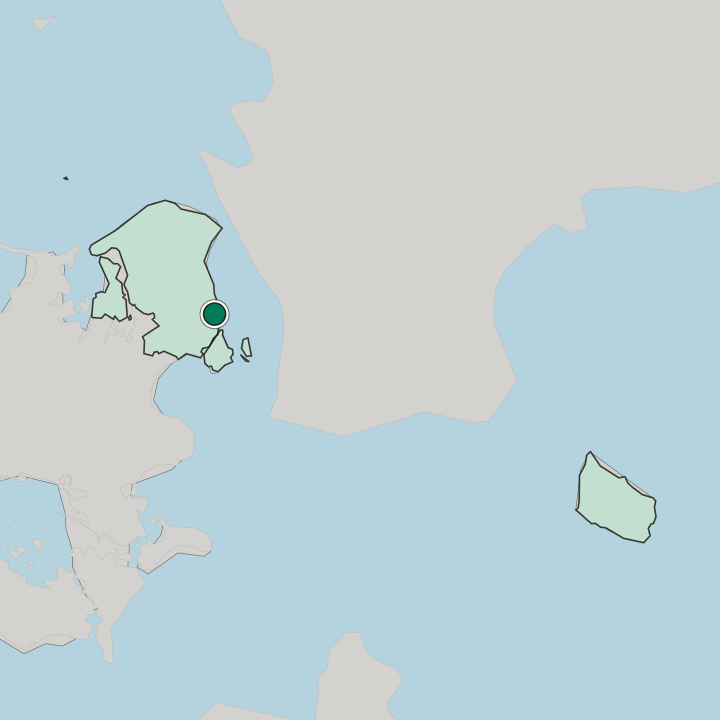
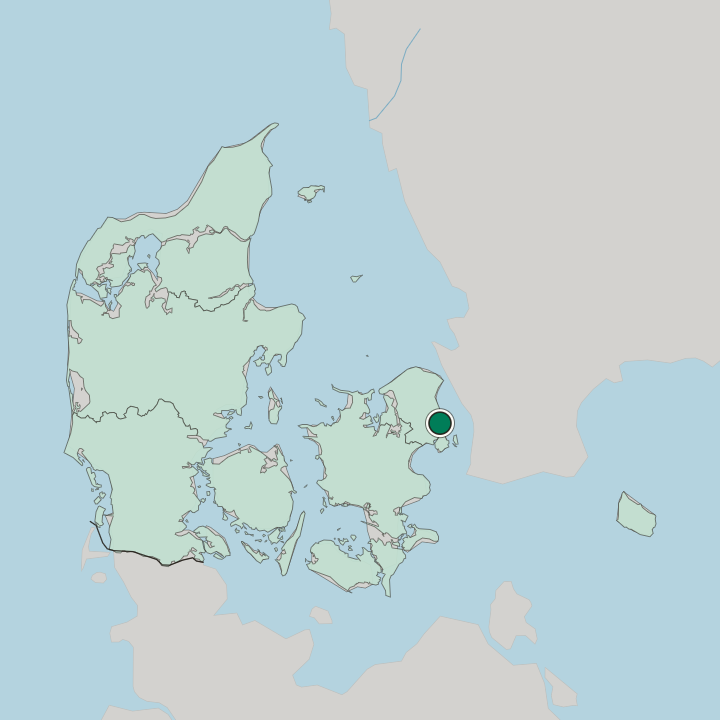
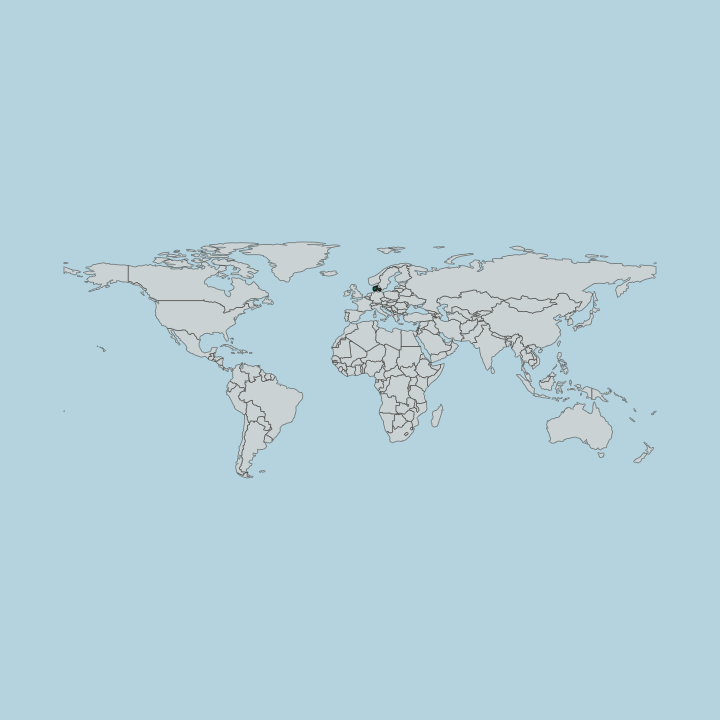
Charlottenlund lies in eastern Denmark, on the island of Zealand, among the suburbs strung along the ground north of Copenhagen. The land is wooded and gently rolling. The district sits between the city and the royal deer forest, with parks, manor grounds, and tree-lined streets covering the rise, so the setting is leafy and green rather than open or industrial.
Roads and the railway run down the corridor toward the centre of the capital and out across the rest of Zealand.
What is the climate of Charlottenlund?
Charlottenlund has the mild temperate climate of the wider capital. Winters run cool rather than harsh, with the low island setting of Zealand and the nearby sea holding back the deep cold that grips lands much further inland through the dark half of the year. Summer days here run warm and long.
The slow northern dusk lengthens the evenings across the brightest weeks, filling the parks and the fairground at Dyrehavsbakken, and the wooded ground gives shade and shelter through the warm season while the gentler coastal air moderates the district year-round.
How do you get to Charlottenlund?
The railway runs the corridor. Charlottenlund sits on the line running north out of Copenhagen, with frequent trains carrying travellers down to the centre of the capital through the day, and the roads that thread the northern suburbs reaching it for drivers. The international airport on the far side of the city is a longer ride away across the island and serves as the main gateway for the region.
Local rail and roads tie the district to the neighbouring Gentofte suburbs and out across the rest of Zealand.
Common questions
What is the best area to stay in Charlottenlund?
District heart by the parks: calm family stays. By the deer forest: fairground and forest visitors. Ordrup art quarter: gallery-goers and design lovers.
Good for
More cities in Region Hovedstaden
Updated October 2026