Denmark · Region Hovedstaden
Where to Stay in Copenhagen, Region Hovedstaden
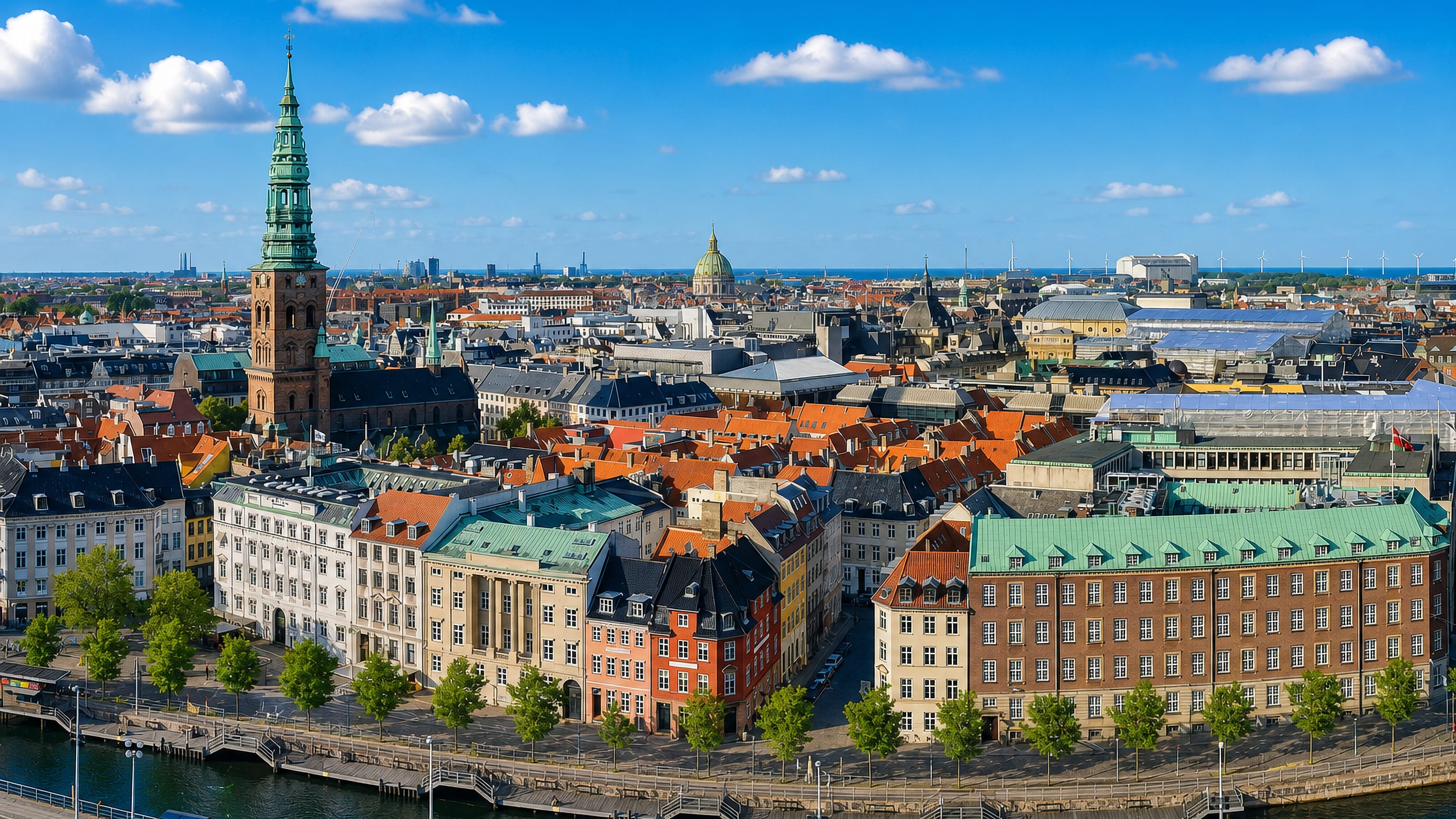
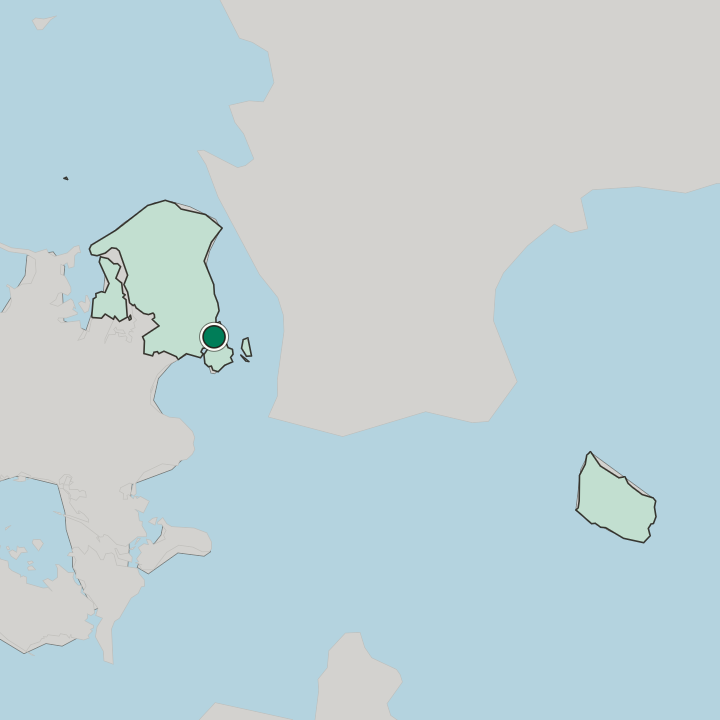
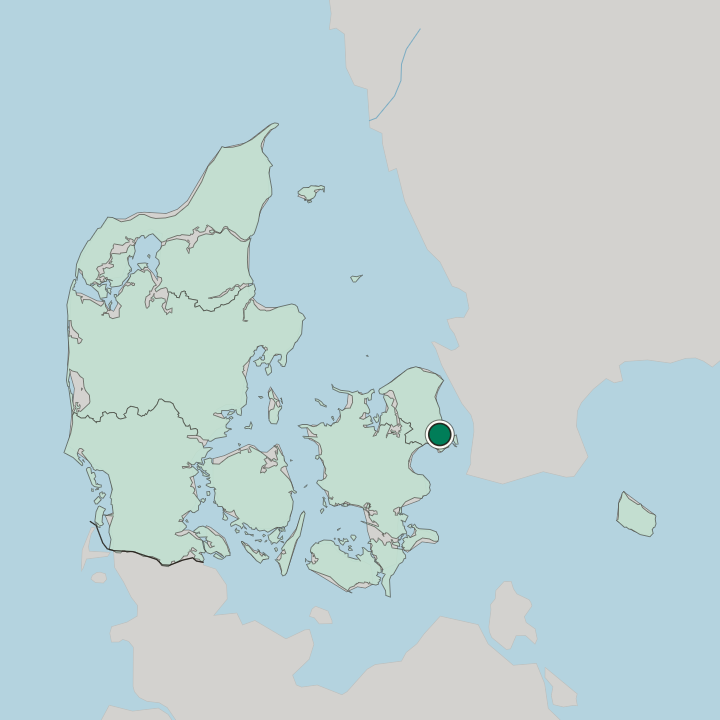
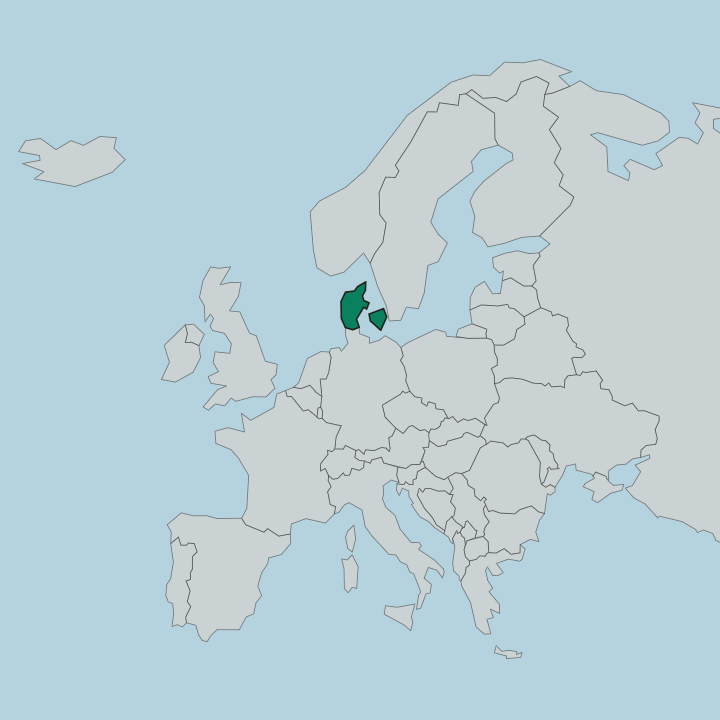
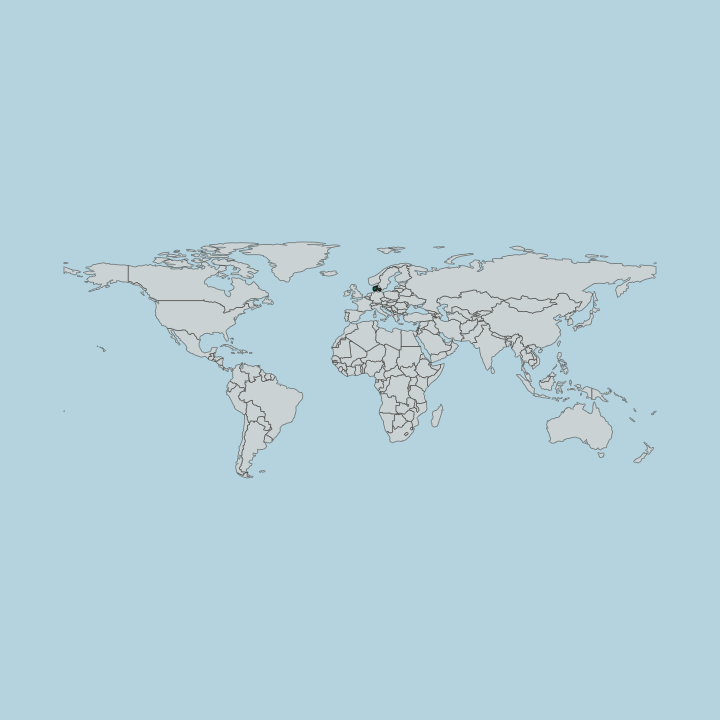
Copenhagen is the capital of Denmark, set in eastern Denmark on the island of Zealand, facing the Øresund strait toward Sweden.
Hotel links are affiliate links: booking through them may earn us a commission, at no extra cost to you. It never affects how places are ranked. How this works


Where to stay in Copenhagen
Not every neighbourhood fits every trip — here's what each one is good for.
 CopenhagenDenmark
Indre By
Indre By is the historic core of Copenhagen, the old walled centre holding Tivoli, Rosenborg Slot and the Rundetårn.Where to stay →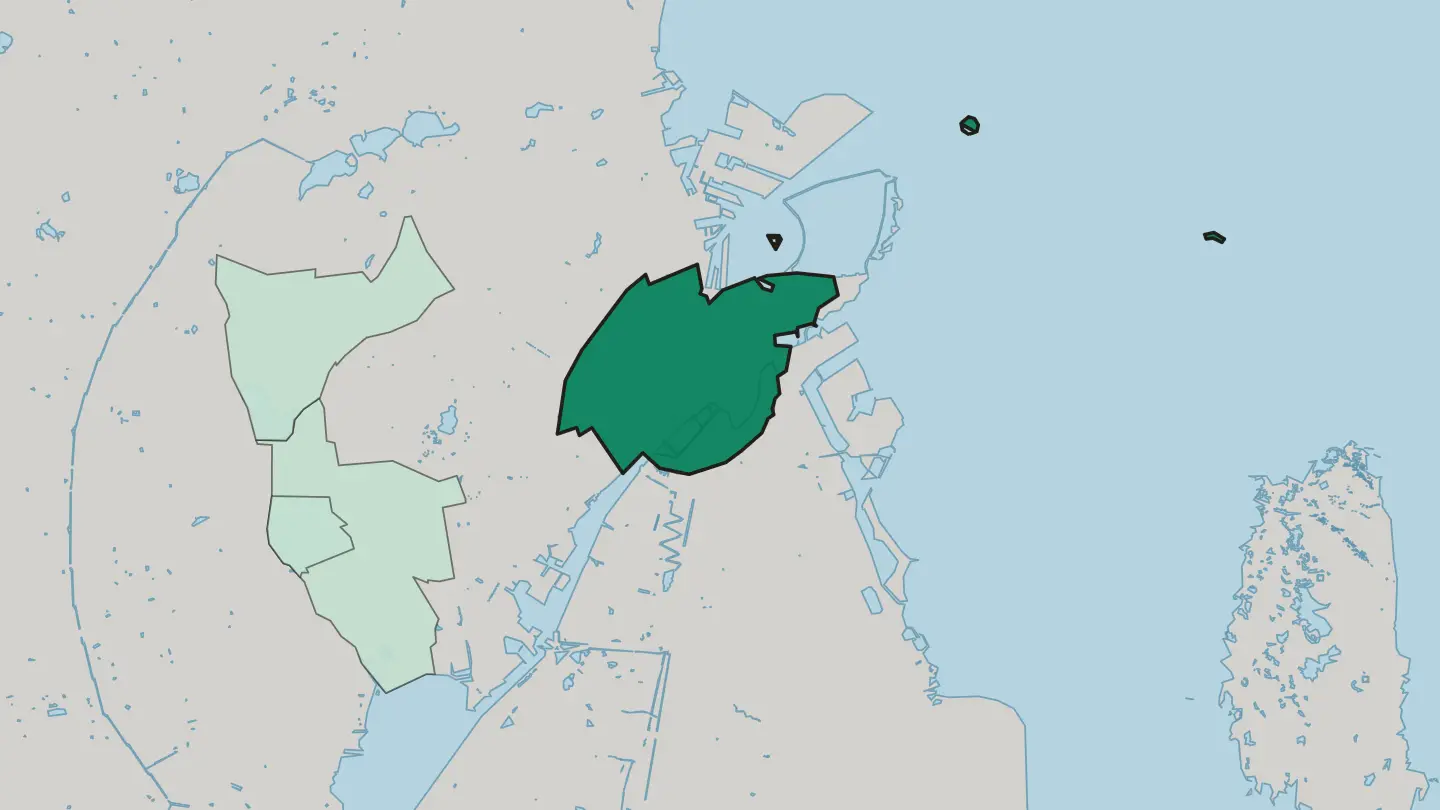
 CopenhagenDenmark
Vesterbro
Vesterbro lies just outside the Copenhagen city centre, its inner edge a short walk from Tivoli and the Ny Carlsberg Glyptotek.Where to stay → CopenhagenDenmark
Islands Brygge
Islands Brygge is a harbourfront area of central Copenhagen, on the north-western coast of Amager beside the waterfront park Havneparken.Where to stay → CopenhagenDenmark
Nyhavn
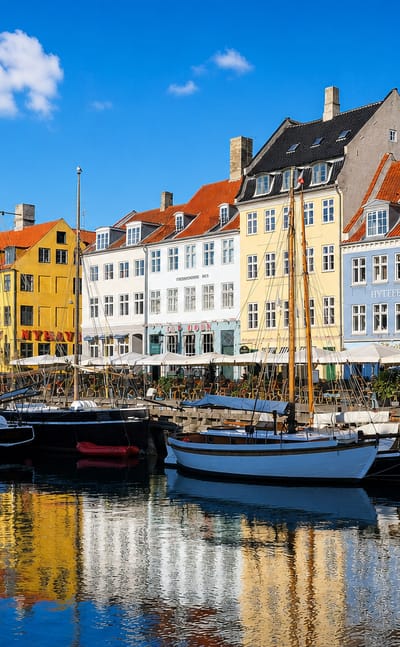
Nyhavn is a 17th-century canal and waterfront district in Copenhagen, running from Kongens Nytorv down to the Inner Harbour.Where to stay → CopenhagenDenmark
Nørrebro
Nørrebro is an inner district of Copenhagen, northwest of the city centre beyond the site of the old Northern Gate.Where to stay →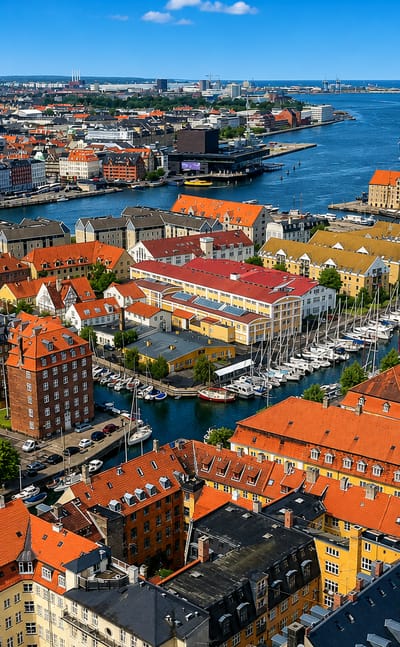 CopenhagenDenmark
Christianshavn
Christianshavn is the canal quarter of Copenhagen, a district of artificial islands laid out by Christian IV in the 17th century.Where to stay →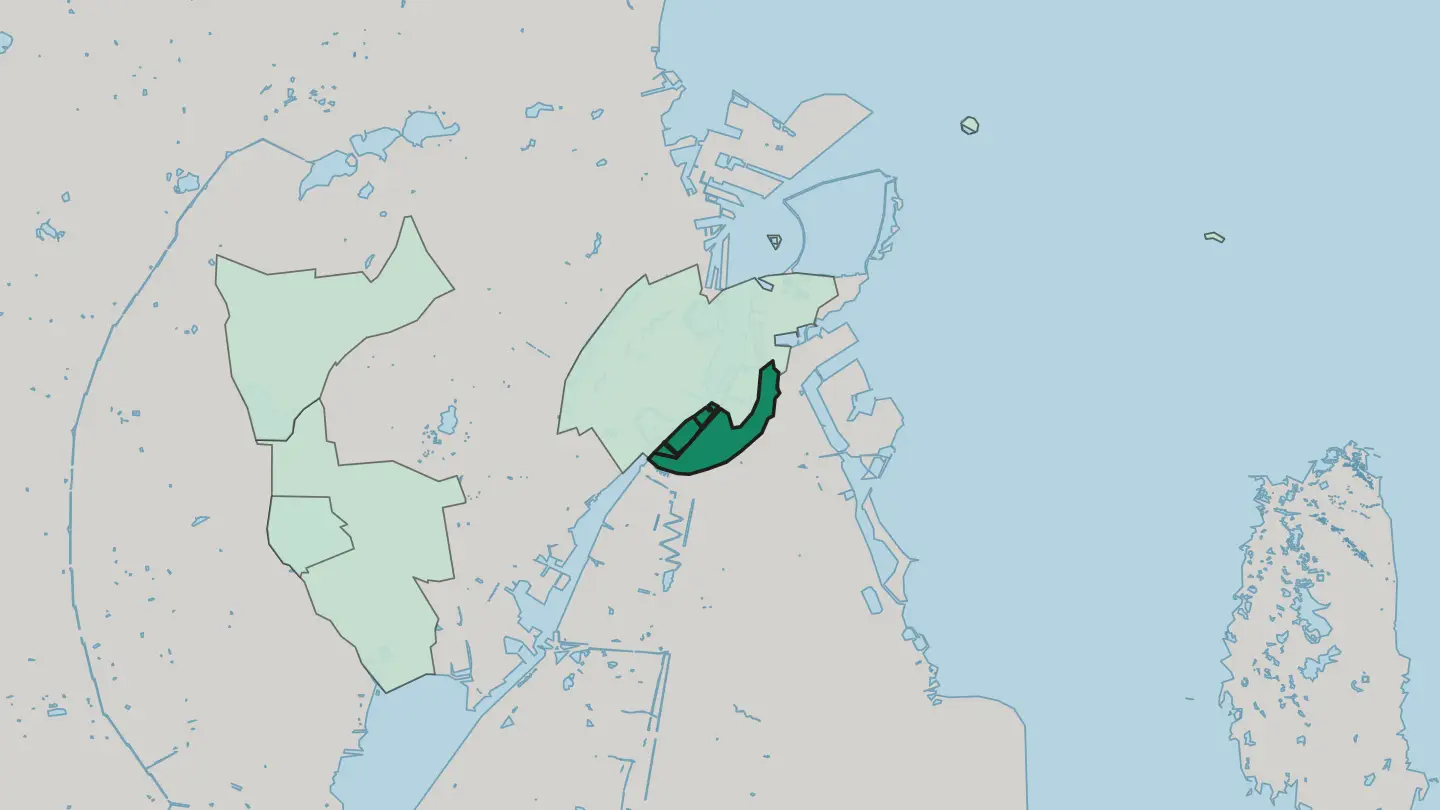
 CopenhagenDenmark
Christiania
Christiania is a self-governing free town in Christianshavn, Copenhagen, founded in 1971 on a squatted military base.Where to stay → CopenhagenDenmark
Holmen
Holmen is a cluster of small islands in Copenhagen, laid over the former grounds of the Royal Naval Base and Dockyards beside Christianshavn.Where to stay → CopenhagenDenmark
Amagerbro
Amagerbrogade runs the length of Amagerbro, a working-class district on the northern part of Amager served by two metro stations of its own.Where to stay →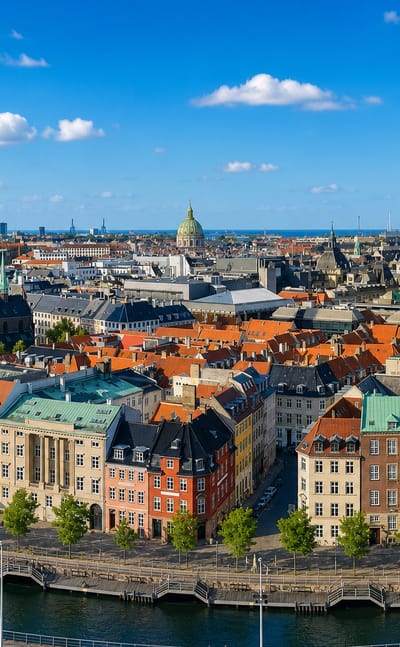 CopenhagenDenmark
Enghave
Enghave, also called Kongens Enghave or Sydhavnen, is a district of southern Copenhagen, long a working-class quarter by the harbour.Where to stay →CopenhagenDenmarkØsterbro
Østerbro is a mainly residential district of Copenhagen, just north of the inner city on cobblestone streets lined with trees.Where to stay →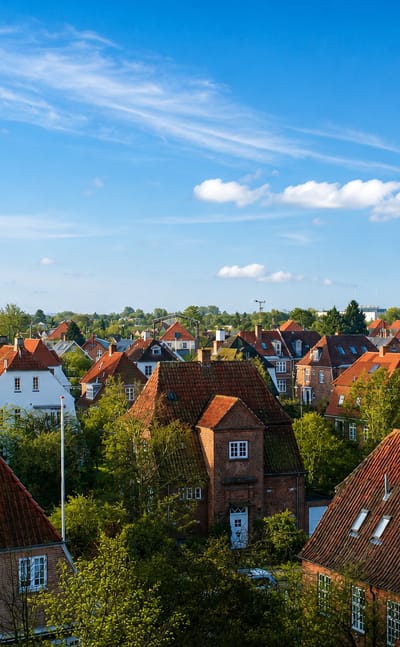 CopenhagenDenmark
Valby
Valby is a south-western district of Copenhagen, the green quarter that holds Københavns Zoo and the Søndermarken park.Where to stay →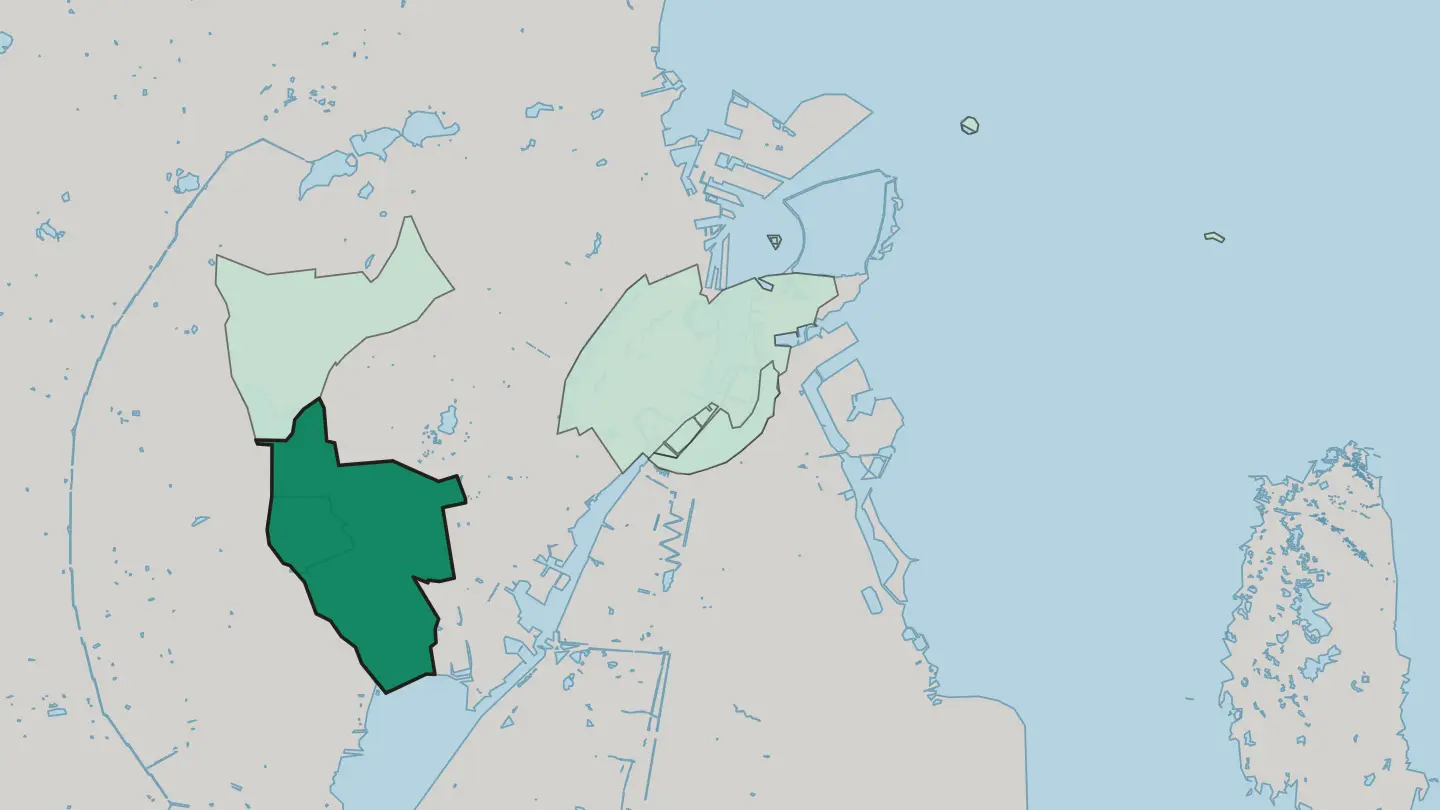
All neighbourhoods (20)
CopenhagenDenmarkAmager Vest
Amager Vest is the largest of the ten administrative districts of Copenhagen Municipality, covering the north-western part of the island of Amager.Where to stay → CopenhagenDenmark
Amager Øst
Amager Øst answered to the name Sundbyøster until an administrative reform, and it holds the part of Copenhagen lying east of Amagerbrogade on Amager.Where to stay →CopenhagenDenmarkBispebjerg
Bispebjerg, better known as Nordvest, is one of the ten official districts of Copenhagen, named for the hill it stands on.Where to stay → CopenhagenDenmark
Bellahøj
Bellahøj sits northwest of central Copenhagen, where a hill in Bellahøj Park rises 37 metres and tops every other ground in the Danish capital.Where to stay → CopenhagenDenmark
Nordhavn
Nordhavn is a harbour area of Copenhagen on the coast of the Øresund, laid out at the end of the 19th century.Where to stay →CopenhagenDenmarkUtterslev
Utterslev gathers around Utterslev Torv in the Bispebjerg district of Copenhagen, with the marshland of Utterslev Mose along its northern edge.Where to stay →CopenhagenDenmark
Vigerslev
Vigerslev is a working-class quarter of south-western Copenhagen, forming part of Valby on the island of Zealand.Where to stay →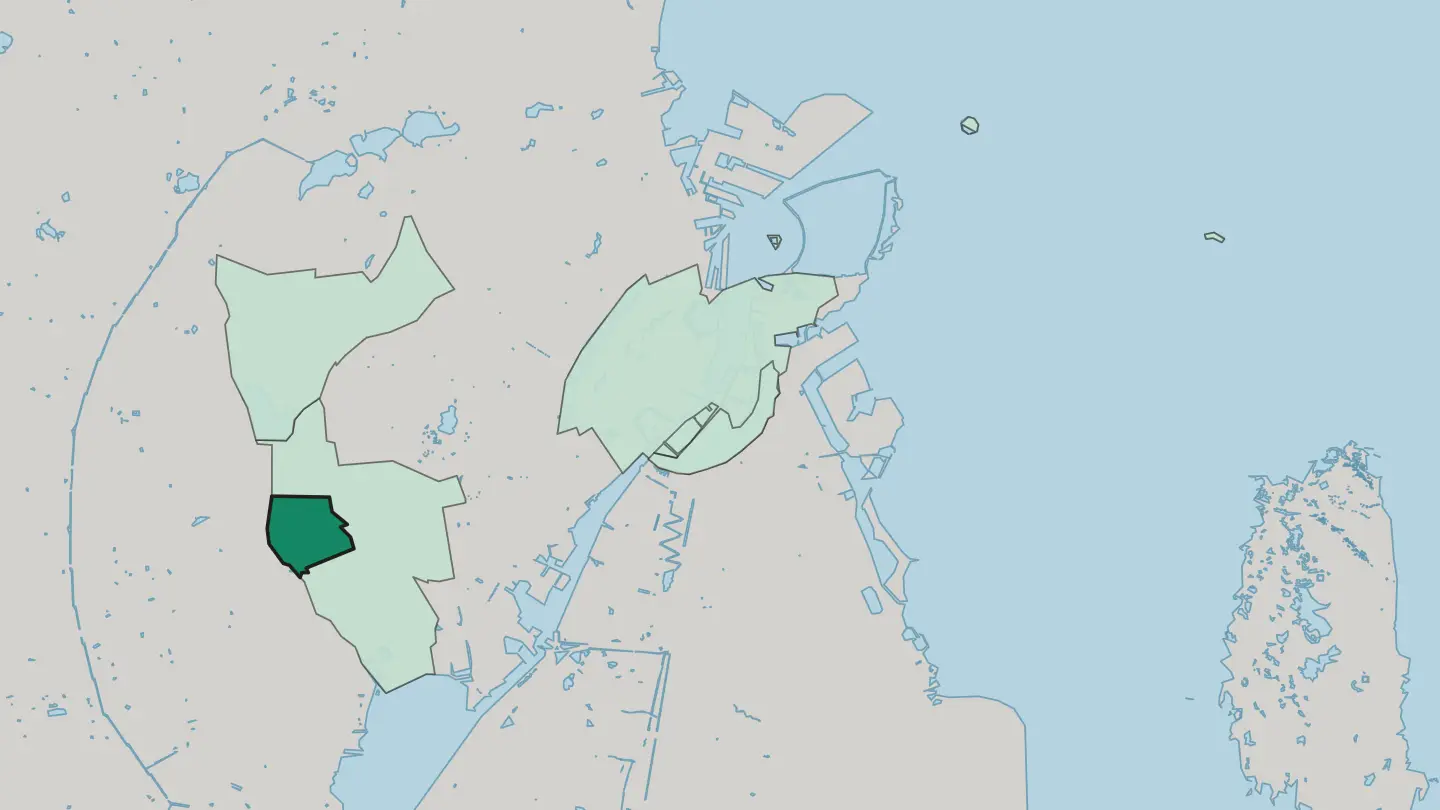
 CopenhagenDenmark
Vanløse
Vanløse is a north-western district of Copenhagen, a residential quarter where the metro and S-train lines meet.Where to stay →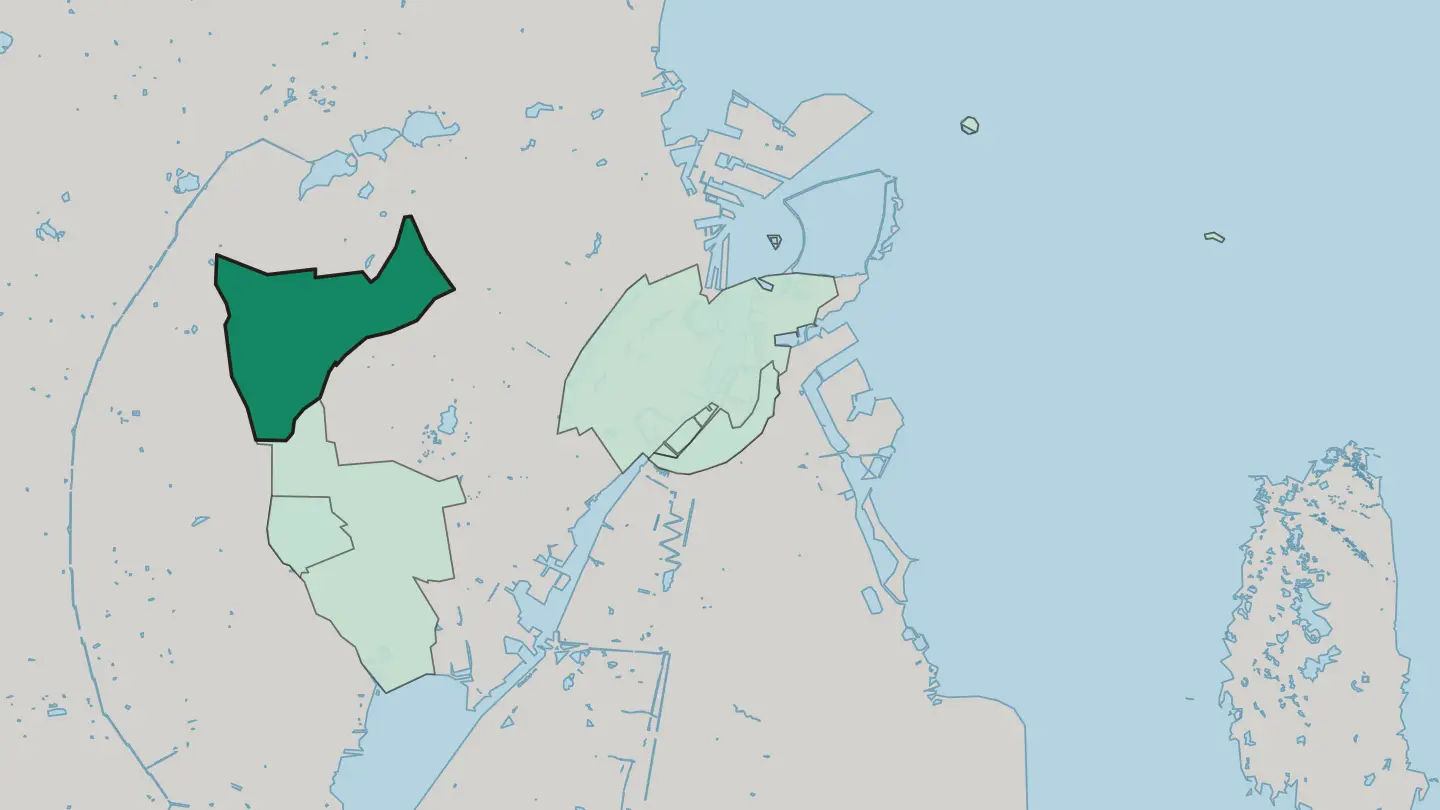
Hotel links are affiliate links: booking through them may earn us a commission, at no extra cost to you. It never affects how places are ranked. How this works
Find hotels in Copenhagen
Direct booking searches for these neighbourhoods.
City centre and Tivoli
hotels by Tivoli and Rådhuspladsen within reach of the harbour quays. Lodging is scarce in this area; reserve in advance.Find hotels in City centre and Tivolipalace and park walkersRoyal quarter
rooms near Rosenborg Slot and Marmorkirken on quiet streets by the waterFind hotels in Royal quartergallery-goers wanting green spaceLakes and museum district
beds by Statens Museum for Kunst and the city lakes away from the busiest lanesFind hotels in Lakes and museum districtHotel links are affiliate links: booking through them may earn us a commission, at no extra cost to you. It never affects how places are ranked. How this works
Things to do in Copenhagen
Ranked by global recognition; descriptions from Wikidata (CC0).
Museums & Galleries
8- Rundetaarn Heritage 17th-century tower
- Hirschsprung Collection Heritage
- Designmuseum Denmark Heritage
- Danish War Museum Heritage Military museum
- Nikolaj Kunsthal Heritage
Show 3 more →
- Medical Museion Heritage
- Den Frie Udstillingsbygning Heritage
- National Museum of Denmark Denmark’s largest museum of cultural history
Churches & Religious Sites
3- Frederik's Church
- Church of Our Saviour
- Grundtvig's Church
Castles & Historic Sites
3- Rosenborg Castle Heritage
- Caritas Well Heritage fountain
- Gefion Fountain large fountain on the harbour front
Stadiums & Sports
3- Circus Building Heritage
- DGI-byen
- Grøndal MultiCenter
Parks & Gardens
1- Tivoli Gardens amusement park
Landmarks & Notable Places
1- Botanisk Haves gartnerbolig
worth knowingacross 6 categories in Copenhagen
About Copenhagen
What is Copenhagen known for?
Copenhagen is a harbour capital of palaces, parks, and museums. Tivoli draws crowds to its old amusement gardens beside the central station, while the bronze figure of Den lille Havfrue sits on a rock at the water's edge near the Gefionspringvandet. The city carries deep collections.
Visitors come for the royal Rosenborg Slot, the national art of Statens Museum for Kunst, and the antiquities of the Ny Carlsberg Glyptotek, all within a compact centre laced by the harbour and the Øresund beyond.
What are the main landmarks in Copenhagen?
Rosenborg Slot keeps the royal regalia behind its red-brick Renaissance walls, while the spiral ramp of Rundetårn and the green copper spire of Vor Frelsers Kirke rise over the old town. The harbour holds two famous figures. Den lille Havfrue rests on her rock near the Gefionspringvandet, and the dome of Marmorkirken closes the royal axis above the quay.
Museums crowd the centre too: the Nationalmuseet, the Statens Museum for Kunst, the antiquities of the Ny Carlsberg Glyptotek, the sculpture halls of the Thorvaldsens Museum, and the animals of Københavns Zoo. Tivoli glitters beside the station.
What is the history of Copenhagen?
Copenhagen began as a fishing and trading harbour on the Øresund, fortified under Bishop Absalon, and through the medieval centuries it grew into the seat of the Danish crown, gathering the merchant quarters, churches, and royal works that still mark the old town. The kings built on the water. Rosenborg Slot rose as a royal retreat, Rundetårn climbed over the rooftops as an observatory, and the spire of Vor Frelsers Kirke wound up above the harbour in the years when Copenhagen ruled a kingdom that reached across the northern seas.
The city outgrew its ramparts. As the old defences came down, broad avenues, lakes, and museum districts spread beyond the medieval core, and the National Museum gathered the Nationalmuseet's collections while Carl Jacobsen's gift founded the Ny Carlsberg Glyptotek. Tivoli opened its gardens by the station.
The Øresund crossing later tied the capital by rail and road toward Sweden, drawing the trade and the travellers that keep Copenhagen the busiest harbour and the largest city of Denmark.
Where is Copenhagen?
Copenhagen lies in eastern Denmark, on the island of Zealand, with a smaller part of the city on the neighbouring island of Amager across the harbour. The Øresund strait runs along its eastern edge toward Sweden, and the harbour cuts deep into the heart of the city. Water shapes the whole place.
Lakes ring the old core, reclaimed islands and quays fringe the waterfront, and the flat land of Zealand spreads inland behind the capital toward the rest of the island.
What is the climate of Copenhagen?
Copenhagen has a mild temperate climate. Winters are cool rather than harsh, with the surrounding waters of the Øresund and the low island setting of Zealand holding back the deep cold that grips lands much further inland through the dark half of the year. Summers turn warm and long.
The slow northern dusk and the open water make the harbour and parks a draw across the brightest weeks, while wind off the strait is common in every season.
How do you get to Copenhagen?
Copenhagen anchors the network. The capital sits at the hub of Denmark's rail and road lines, with its main station beside Tivoli in the heart of the city, and the Øresund crossing carrying trains and traffic east toward Sweden across the strait. The international airport lies on Amager, a short rail ride from the centre, and serves as the main gateway for the region.
Ferries and cruise ships use the harbour. Regional lines fan out across Zealand to the rest of the island.
Common questions
What is the best area to stay in Copenhagen?
City centre and Tivoli: first-timers near the rail hub. Royal quarter: palace and park walkers. Lakes and museum district: gallery-goers wanting green space.
Good for
More cities in Region Hovedstaden
Updated October 2026