Denmark · Region Hovedstaden
Where to Stay in Hvidovre, Region Hovedstaden
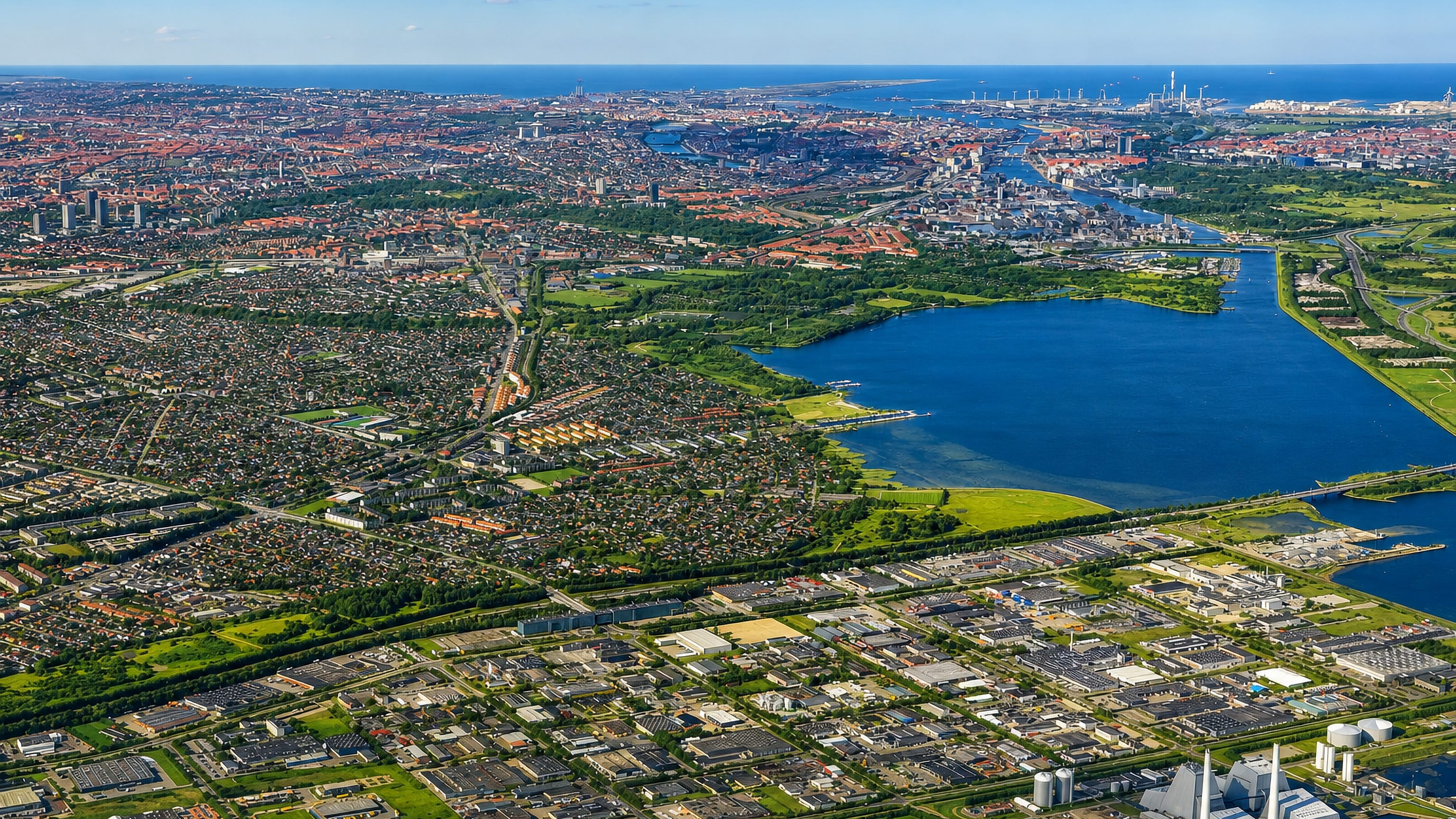
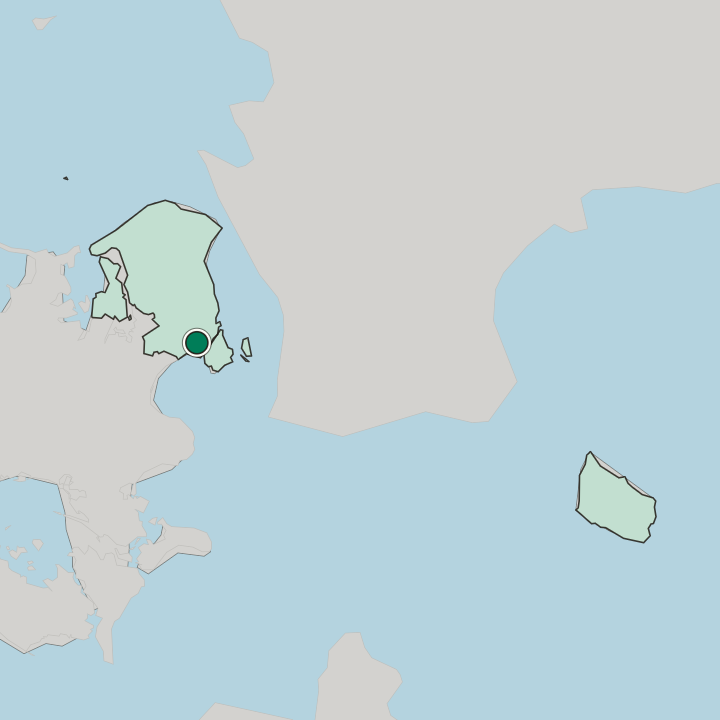
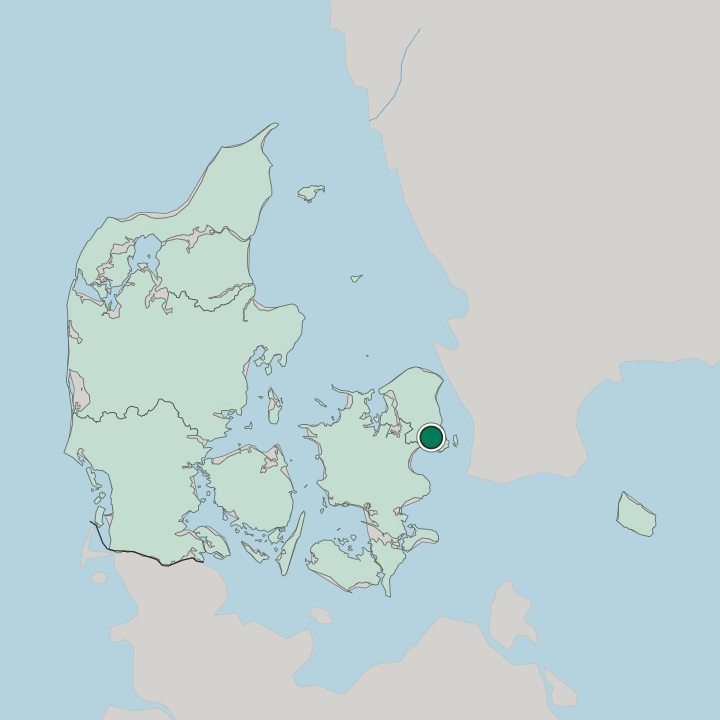
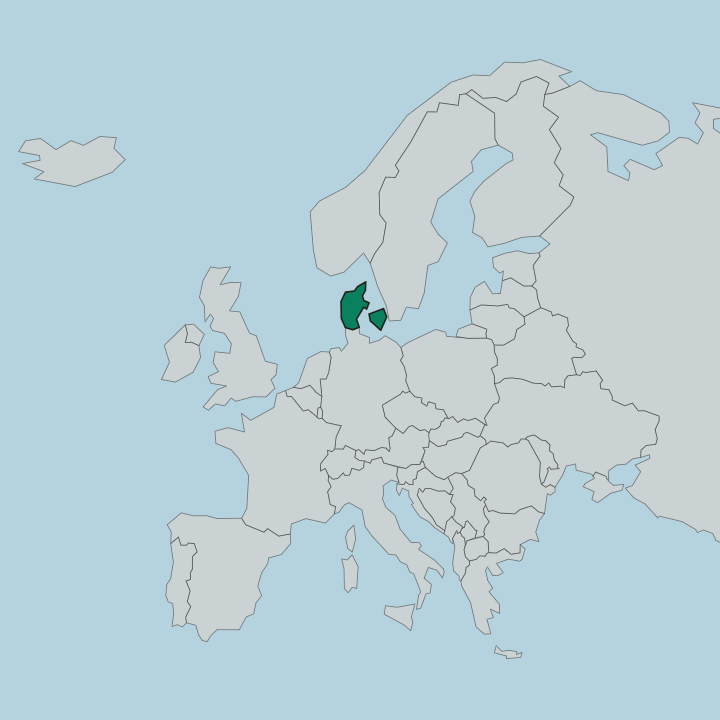
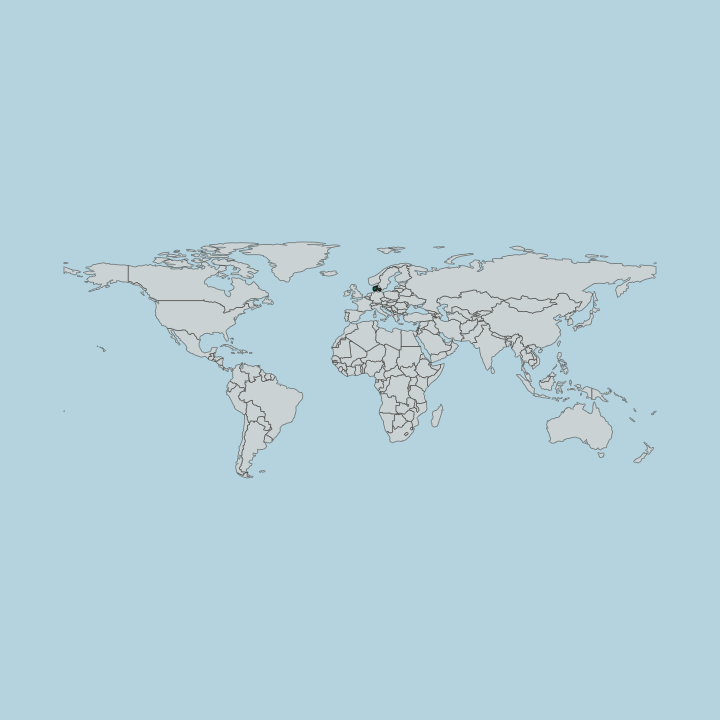
Hvidovre is a municipality in eastern Denmark, on the island of Zealand, a south-western suburb of the capital just beyond the edge of Copenhagen.
Hotel links are affiliate links: booking through them may earn us a commission, at no extra cost to you. It never affects how places are ranked. How this works


Where to stay in Hvidovre
The practical side of choosing where to sleep.
Hvidovre offers a calm, low-cost base on the south-western side of the wider Copenhagen area, away from the crowded central lanes. Hotels and guesthouses sit along the suburban roads, within an easy rail or road ride of the capital's harbour and great sights. The setting is residential and green.
Travellers who want quiet nights and a short hop into the centre find Hvidovre a practical place to sleep, with parish landmarks such as Hvidovre Kirke and the small Cirkusmuseet close at hand and central Copenhagen only a short journey east. Beds toward the municipal core put you near Sankt Nikolaj Kirke and the local sports halls, suiting families and longer stays, while addresses along the main routes give the quickest run into the city and out to the rest of Zealand. Reserve a suburban room ahead in summer.
The capital's festival season and the steady draw of its harbour press on rooms across the whole region through the warmest months of the year.
Find hotels in Hvidovre
Direct booking searches for these neighbourhoods.
Hvidovre village core
guesthouses near Hvidovre Kirke and the Cirkusmuseet away from the centreFind hotels in Hvidovre village corefamilies and budget travellersMunicipal core by the halls
beds near Sankt Nikolaj Kirke and the local sports hallsFind hotels in Municipal core by the hallsdrivers wanting a fast run into CopenhagenMain-route approach
rooms along the routes with the quickest run into Copenhagen and out to ZealandFind hotels in Main-route approachHotel links are affiliate links: booking through them may earn us a commission, at no extra cost to you. It never affects how places are ranked. How this works
About Hvidovre
What is Hvidovre known for?
Hvidovre is a quiet suburban municipality on the south-western flank of the capital. It is known for its parish churches and its small museums, and for sitting an easy ride from central Copenhagen. The pace here is residential.
Hvidovre Kirke and Sankt Nikolaj Kirke serve the local parishes, the Cirkusmuseet keeps the props and posters of the travelling circus, and the Heerup Museum gathers the work of a noted Danish sculptor near the municipal edge.
What are the main landmarks in Hvidovre?
Hvidovre Kirke anchors the old parish, its whitewashed walls standing over the village core, while the newer Sankt Nikolaj Kirke serves the growing suburb. The Cirkusmuseet sets Hvidovre apart, keeping the wagons, costumes, and posters of the Danish travelling circus. Art has a home here too.
The Heerup Museum gathers the carved and painted work of its namesake sculptor near the municipal edge, while the Energi & Vand Science Center draws families to its hands-on halls, and the great sights of the surrounding capital, Københavns Zoo and the harbour of Copenhagen, where the Zootårnet rises above the animal park, lie a short ride to the east across Zealand.
What is the history of Hvidovre?
Hvidovre began as a farming parish on the flat land of Zealand, west of the medieval capital. For centuries it was a small rural community gathered around Hvidovre Kirke, with fields and meadows running down toward the coast while Copenhagen filled the harbour ground to the east. The city reached outward in time.
As the capital spread across the island, the open farmland between them filled with houses and roads, and the old parish turned from a country village into a working suburb of the larger city. Growth brought its own institutions. The new district gained the Sankt Nikolaj Kirke for its rising population, sports halls and schools spread across the once-open fields, and the Cirkusmuseet later settled here to keep the heritage of the Danish travelling circus.
The parish never lost its old heart. Hvidovre Kirke still stands among the newer streets as the marker of the original village, an anchor of the settlement within the wider Capital Region of Denmark.
Where is Hvidovre?
Hvidovre lies in eastern Denmark, on the island of Zealand, on the flat south-western fringe of the built-up capital. Hvidovre rests on flat, low-lying Zealand ground. The municipality sits inland of the harbour and the coast, with the streets of Copenhagen pressing against it to the east and the open ground of Zealand spreading away to the west, so the setting is wholly suburban rather than coastal.
Roads and rail lines cross the flat terrain toward the city and out across the island.
What is the climate of Hvidovre?
Hvidovre shares the mild temperate climate of the surrounding capital. Winters are cool rather than harsh, with the low island setting of Zealand and the nearby waters of the Øresund tempering the deep cold that grips lands much further inland through the dark half of the year. Summers stay warm beside the Øresund.
The slow northern dusk lengthens the days across the brightest weeks, drawing people out to the parks and sports grounds, while the flat open ground leaves the suburb exposed to the wind that drifts across Zealand in every season.
How do you get to Hvidovre?
Reaching Hvidovre runs through Copenhagen. The suburb sits on the south-western edge of the capital, so the same rail and road lines that serve the city carry travellers straight out to it, with frequent trains running the short hop from the central station east of the municipality. The international airport lies a quick ride away across the island and serves as the main gateway for the region.
Roads and local rail tie Hvidovre to the rest of Zealand and the wider Capital Region.
Common questions
What is the best area to stay in Hvidovre?
Hvidovre village core: quiet longer stays. Municipal core by the halls: families and budget travellers. Main-route approach: drivers wanting a fast run into Copenhagen.
Good for
More cities in Region Hovedstaden
Updated October 2026