Denmark · Region Hovedstaden
Where to Stay in Glostrup, Region Hovedstaden
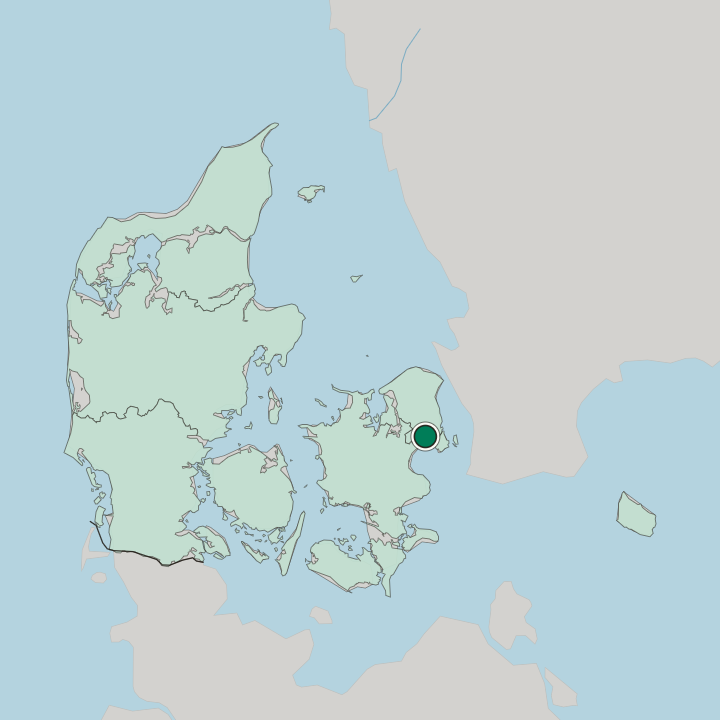
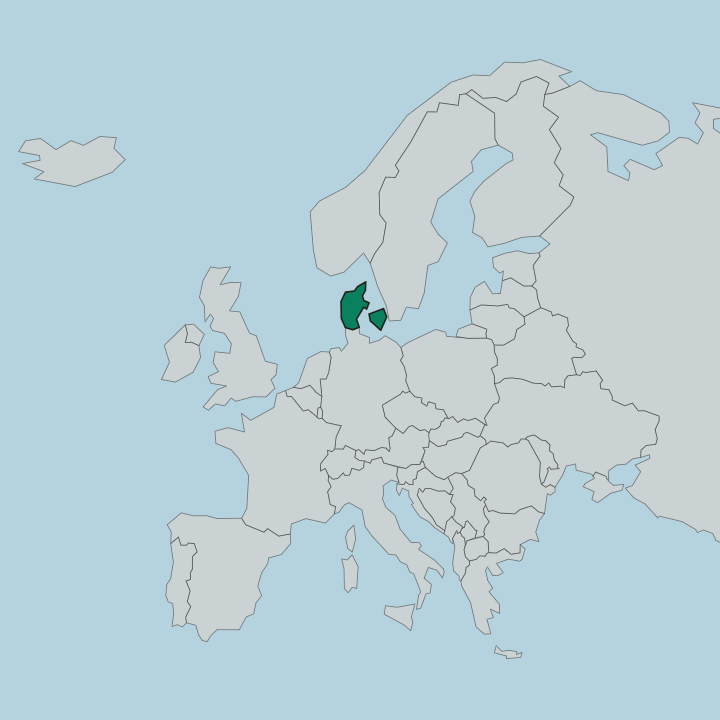
Glostrup is a Copenhagen suburb in eastern Denmark, on the island of Zealand, on the western approaches to the capital.
Hotel links are affiliate links: booking through them may earn us a commission, at no extra cost to you. It never affects how places are ranked. How this works


Where to stay in Glostrup
How the choice of base plays out on the ground.
Glostrup is a place people pass through on the way into Copenhagen, and its lodging is built for that. The beds gather around the S-train station at the centre, a few practical hotels and rooms among the shops, with frequent trains carrying travellers into the city in a short ride and out across the western suburbs. Stay here for the rail.
Toward the quieter eastern streets near Østervangkirken, a handful of guest rooms sit away from the through-traffic, useful for a longer, calmer stay. Families and swimmers sometimes base near the Vestbad pools and Glostrup Idrætspark on the green edge, where the sports grounds and the trails toward The Six Forgotten Giants begin. Rooms are limited and tied to business demand.
Book the station beds ahead in the conference weeks, since this suburb keeps no surplus of lodging beyond its working trade.
Find hotels in Glostrup
Direct booking searches for these neighbourhoods.
Station centre
practical hotels among the shops by the S-train. Lodging is scarce in this area; reserve in advance.Find hotels in Station centrea calmer, longer stayEastern streets
quiet guest rooms near Østervangkirken away from trafficFind hotels in Eastern streetsfamilies using the Vestbad poolsSports and pools edge
rooms by the Vestbad pools and Glostrup Idrætspark groundsFind hotels in Sports and pools edgeHotel links are affiliate links: booking through them may earn us a commission, at no extra cost to you. It never affects how places are ranked. How this works
About Glostrup
What is Glostrup known for?
Glostrup is a working western suburb, the seat of Glostrup Municipality in the southern part of Capital Region of Denmark. It is residential and quiet. What sets it apart from its neighbours is the defence ground it holds, from the cold-war command bunker of Ejbybunkeren to the old Artillerimagasinet, relics of the lines that once guarded the western approaches to Copenhagen.
The parish church of Østervangkirken serves the modern streets, and sport and bathing draw the suburb to Glostrup Idrætspark and the Vestbad pools.
What are the main landmarks in Glostrup?
Defence works set Glostrup apart. Ejbybunkeren, a hardened cold-war command post, sits beside the old Artillerimagasinet on the western lines that once shielded Copenhagen, and both now open as reminders of that guarded past. Østervangkirken serves the parish at the heart of the modern suburb. Sport and bathing fill Glostrup Idrætspark and the Vestbad pools on the green western edge.
Out toward the neighbouring green belt, the wooden figures of The Six Forgotten Giants draw walkers into the woods that ring the western suburbs.
What is the history of Glostrup?
Glostrup began as a parish on the plain west of Copenhagen. For centuries it was farming country, a village among the fields that lay clear of the capital and answered to its own slow agrarian round on the flat land of Zealand. Then the city's defences reached it.
As Copenhagen built outward, the western approaches were fortified, and works like the Artillerimagasinet and later the cold-war command bunker of Ejbybunkeren rose on the ground around the suburb to guard the routes into the capital. The railway out from the city pulled houses and trade after the soldiers, knitting the old parish into the commuter belt, and the modern town filled the fields between the church and the fortifications. New neighbourhoods spread across the plain, and Østervangkirken rose to serve them as the parish grew.
The municipality invested in sport and bathing at Glostrup Idrætspark and the Vestbad pools, and in the green belt where The Six Forgotten Giants were later set among the woods. Through it all the place stayed bound to Copenhagen. It is a working suburb on the western edge of the city rather than a town apart from it.
Where is Glostrup?
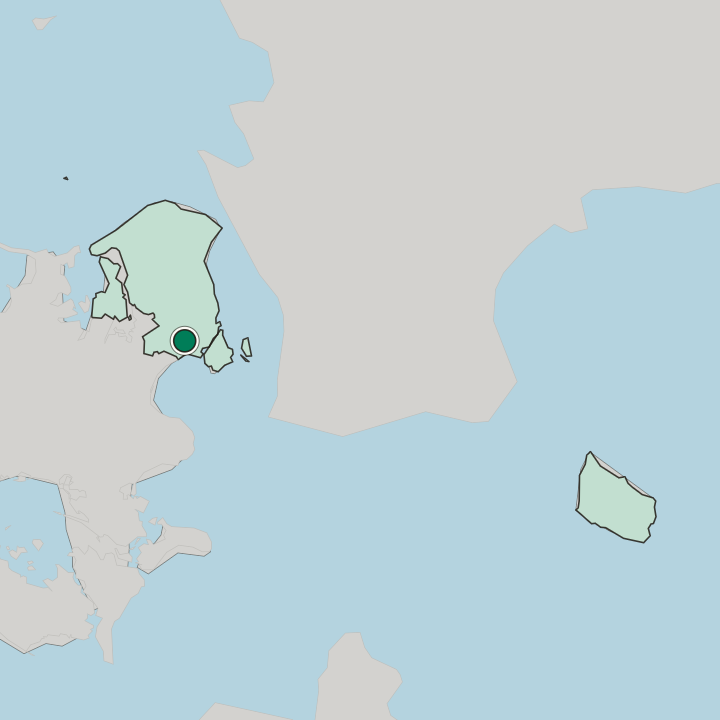
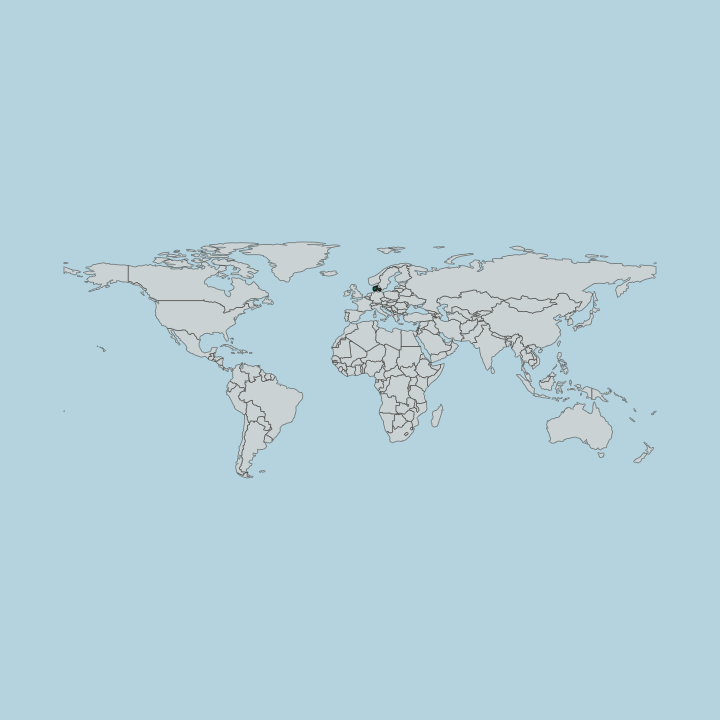
Glostrup lies on the flat farmland-turned-suburb west of Copenhagen, in the southern part of Capital Region of Denmark. The land is low and inland. The built town runs together with the surrounding western suburbs across the level plain, broken only by the green belt and the old fortification ground on its edges, while Copenhagen lies a short way to the east along the rail line across Zealand.
It keeps no coast of its own.
What is the climate of Glostrup?
Glostrup has the mild, damp weather of lowland Zealand. Winters stay cool and grey, the frost coming and going rather than settling hard so near the sea that rings the island, while summers are moderate and green under the long northern daylight that keeps the green belt and the Vestbad grounds bright into the evening. Rain falls through every season.
The open inland plain offers little shelter, so wind crosses the suburb readily off the surrounding farmland.
How do you get to Glostrup?
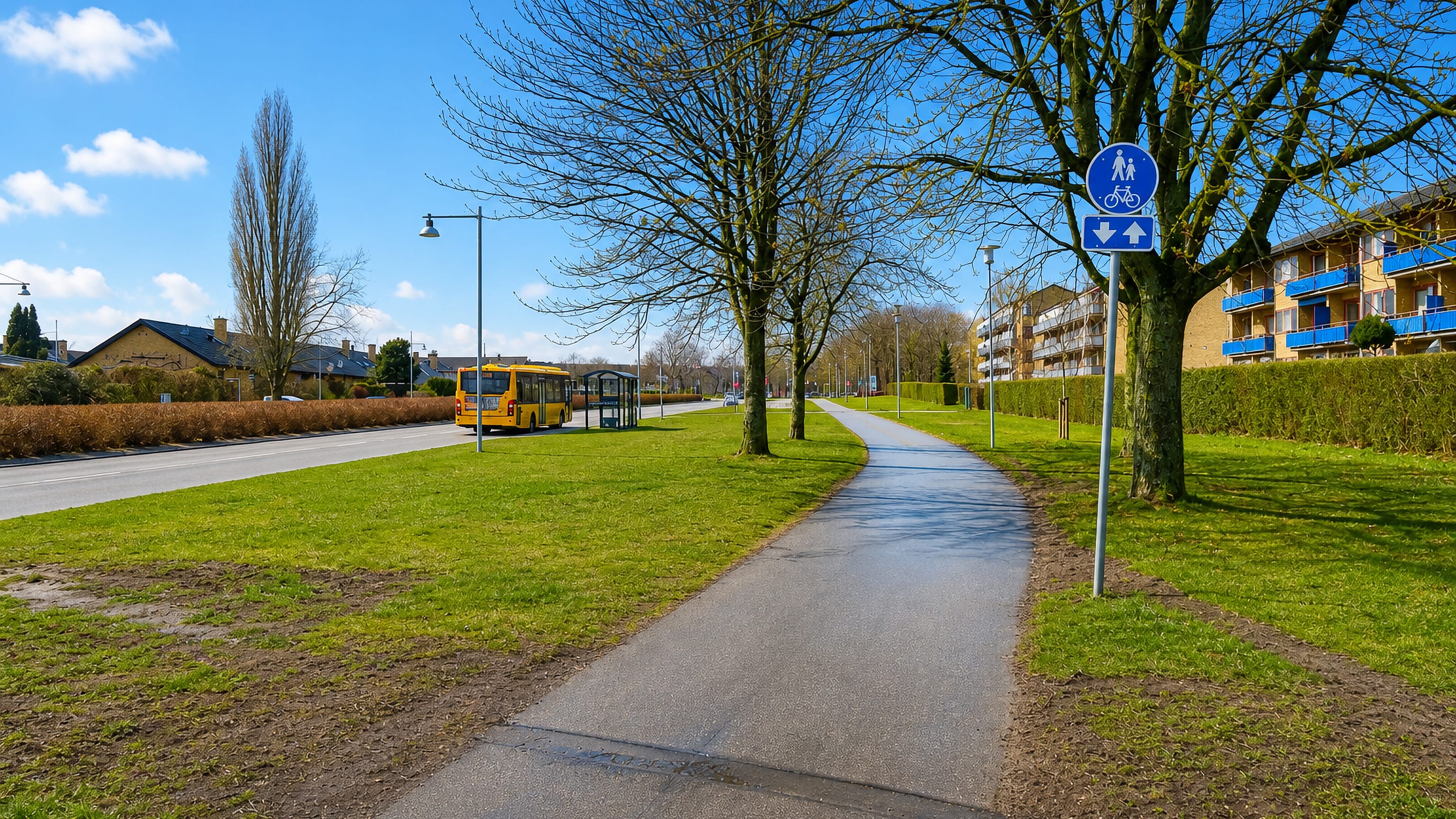
Rail makes it simple. Glostrup sits on one of the main lines west of Copenhagen, with S-train and regional services calling at the station, so the city centre is a short ride away and the western suburbs lie a few stops in either direction. Buses link the station to the outlying quarters and the sports grounds.
Drivers reach the town on the motorway and roads running west out of Copenhagen across Zealand, and Copenhagen Airport lies beyond the city to the south-east, an easy rail connection away.
Common questions
What is the best area to stay in Glostrup?
Station centre: rail trips into Copenhagen. Eastern streets: a calmer, longer stay. Sports and pools edge: families using the Vestbad pools.
Good for
More cities in Region Hovedstaden
Updated October 2026