Denmark · Region Hovedstaden
Where to Stay in Taastrup, Region Hovedstaden
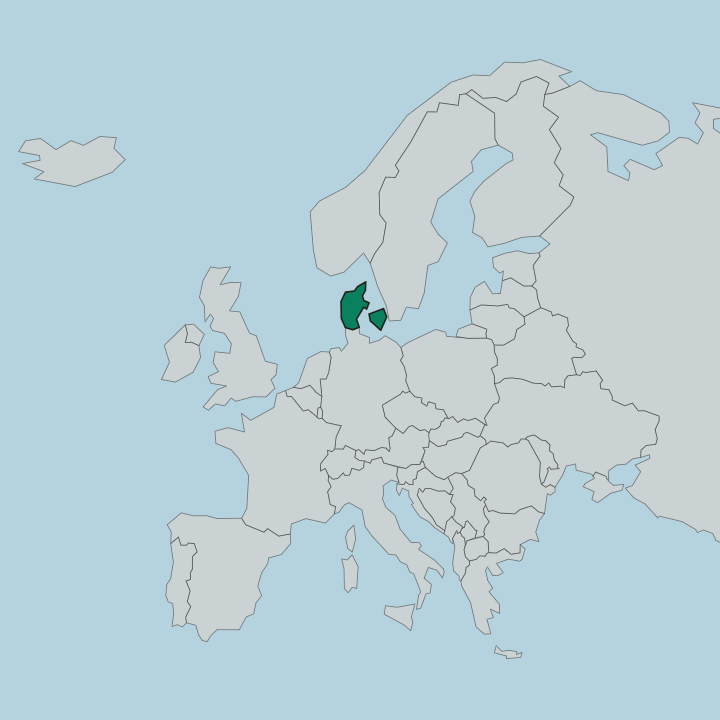
Taastrup is a railway suburb of Copenhagen in eastern Denmark, on the island of Zealand, paired with neighbouring Høje Taastrup.
Hotel links are affiliate links: booking through them may earn us a commission, at no extra cost to you. It never affects how places are ranked. How this works


Where to stay in Taastrup
Where visitors usually base themselves, and why.
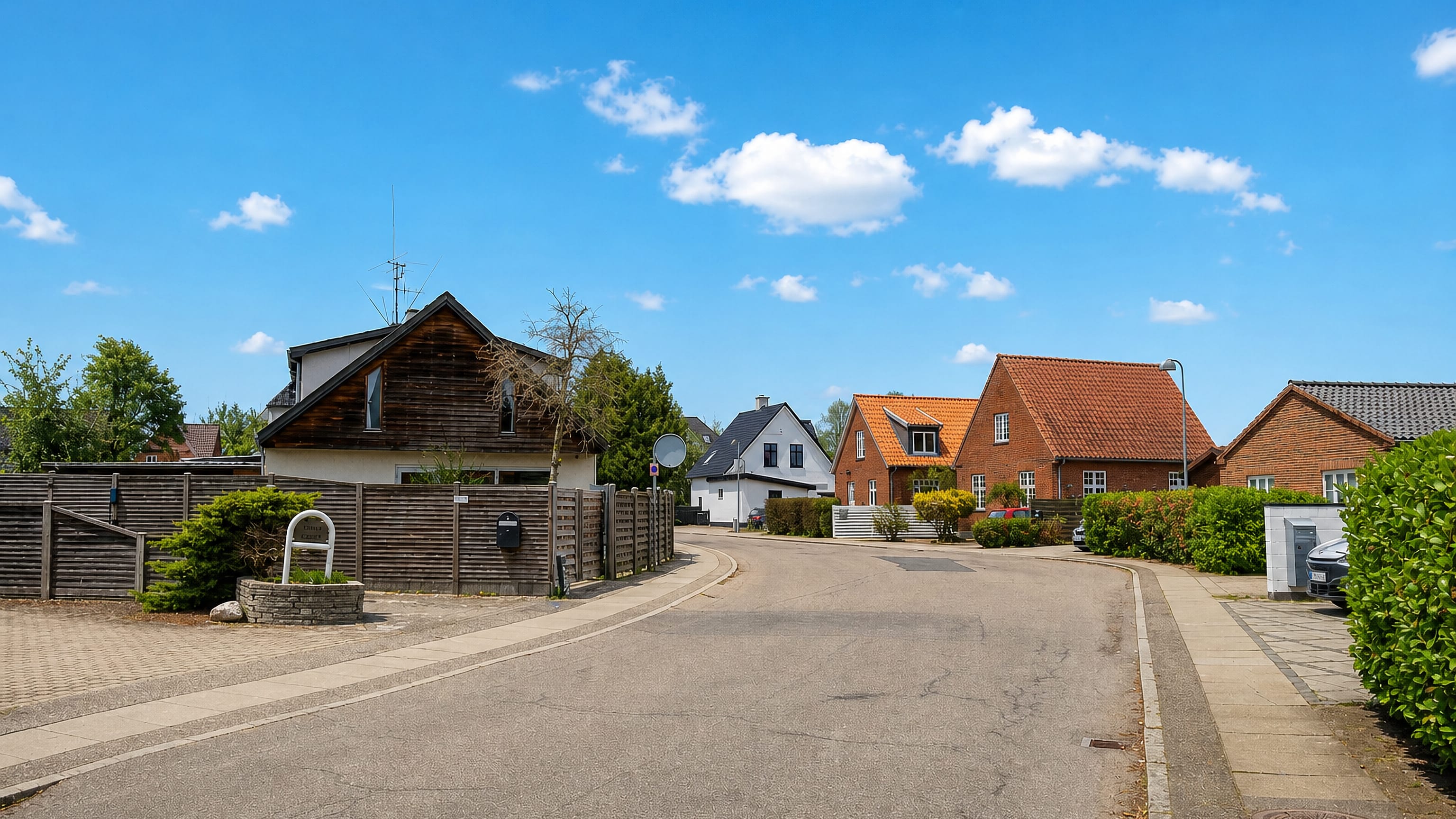
Beds in Taastrup track the rail line, because this is a town built for the train rather than for sightseeing. The streets around the old Taastrup station carry the everyday hotels and rooms, set among the shops that grew up with the line from 1859 and a quick ride from central Copenhagen. Stay here for the city.
West of it, the newer Høje Taastrup quarter holds the larger conference hotels near the town hall and the regional rail interchange, useful for business travellers and anyone changing trains across Zealand. Drivers and families touring the area sometimes base near the green edge by the Kroppedal Museum, where the older village character around Høje Tåstrup Kirke survives among the fields. Rooms tighten when the conference centres fill.
Book the Høje Taastrup beds ahead in those weeks, since the suburb keeps no surplus of lodging beyond its working demand.
Find hotels in Taastrup
Direct booking searches for these neighbourhoods.
Old Taastrup station
everyday hotels among the shops that grew with the 1859 lineFind hotels in Old Taastrup stationconferences and rail interchangeHøje Taastrup
larger hotels by the town hall and the regional rail hub. Rooms are few around here — worth securing early.Find hotels in Høje Taastrupdrivers near the museum and old villageKroppedal green edge
rooms by the fields near Kroppedal Museum and Høje Tåstrup KirkeFind hotels in Kroppedal green edgeHotel links are affiliate links: booking through them may earn us a commission, at no extra cost to you. It never affects how places are ranked. How this works
Things to do in Taastrup
Ranked by global recognition; descriptions from Wikidata (CC0).
Museums & Galleries
1- Kroppedal Danish museum
Churches & Religious Sites
2- Høje Tåstrup Church
- Sankt Pauls Church
Castles & Historic Sites
1- Gravfelt ved Snubbekorsgård archaeological site
Stadiums & Sports
1- Taastrup Idræts Center
worth knowingacross 4 categories in Taastrup
About Taastrup
The railway is its whole story.
What is Taastrup known for?
The settlement rose along the line west of Copenhagen from 1859 and now forms a twin urban area with Høje Taastrup, the administrative seat of Høje Taastrup Municipality. Visitors who stop here come mainly for the Kroppedal Museum, which keeps the archaeology and astronomy of the region, or for the public sculptures of The Six Forgotten Giants hidden in the surrounding green belt. It is a working suburb in the southern part of Capital Region of Denmark.
What are the main landmarks in Taastrup?
The Kroppedal Museum is the main draw. It gathers the archaeology and astronomy of the western suburbs on the open ground beyond the houses, near where the Gravfelt ved Snubbekorsgård burial field marks an older Zealand. In the twin town, Høje Tåstrup Kirke holds the preserved village core, while the Catholic Sankt Pauls Kirke serves the rail-era streets.
Sport gathers at the Taastrup Idræts Center. Out in the surrounding green belt stand The Six Forgotten Giants, large wooden sculptures set among the woods and lakes.
What is the history of Taastrup?
Taastrup is younger than the land it stands on. The plain west of Copenhagen held farming villages such as Taastrup Valby, Kragehave, and Klovtofte long before any town gathered here, and the old burial ground at Gravfelt ved Snubbekorsgård marks a settled past that runs deep into prehistoric Zealand. Rails reached the plain.
From 1859 a town rose along the new line, drawing houses and trade out from the city to the station, and over the following century the growing suburb swallowed the scattered villages around it. Høje Taastrup, the old village clustered around Høje Tåstrup Kirke, kept its character even as a second, modern town rose west of it from the 1970s, built around a regional rail interchange. The administrative seat moved with the growth, settling first in Taastrup and later shifting west to Høje Taastrup.
Through it all the place stayed what the railway made it. It is a commuter town, eighteen kilometres from Copenhagen, knitted into the capital's working belt rather than standing apart from it.
Where is Taastrup?
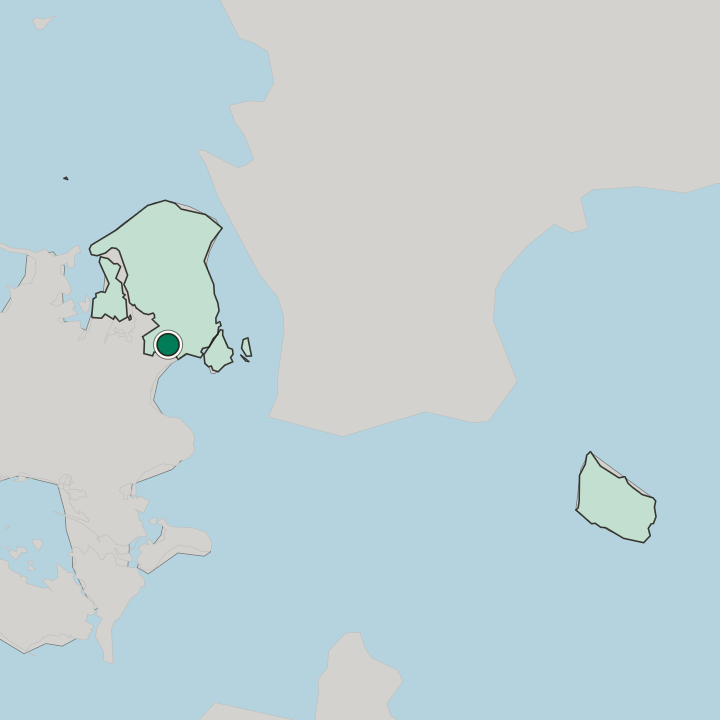
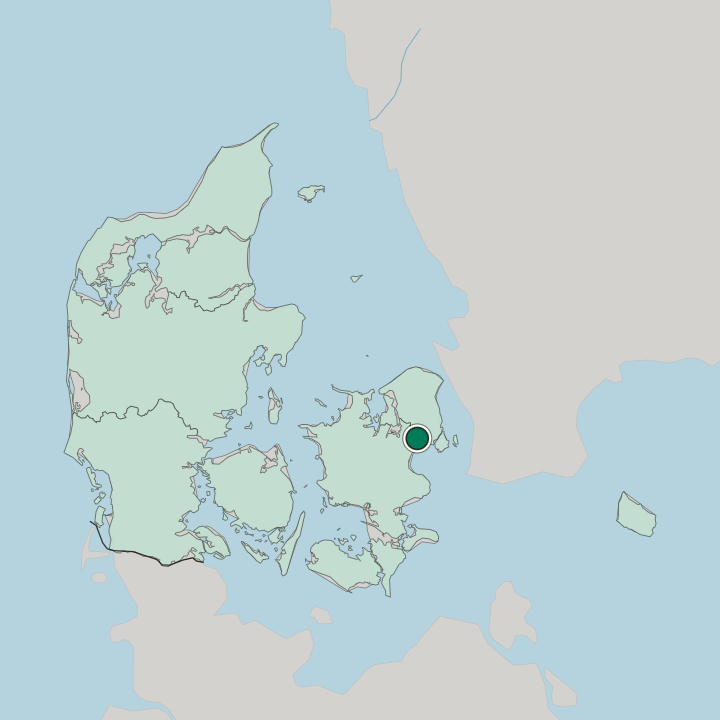
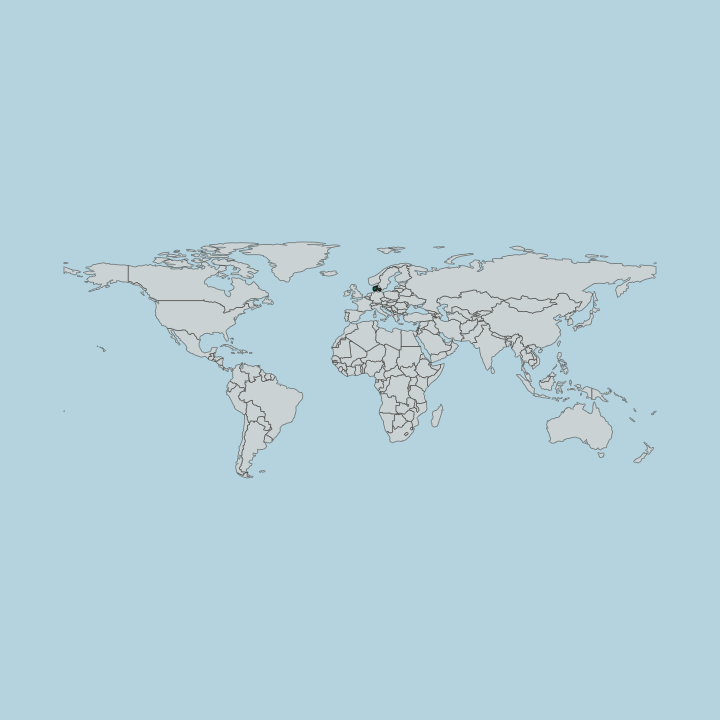
Taastrup sits on the flat farmland west of Copenhagen, in the southern part of Capital Region of Denmark. The land is low and inland, with no coast of its own. The built area runs together with Høje Taastrup to the west, forming one twin urban stretch.
A green belt of woods and small lakes breaks the suburb where the Kroppedal Museum stands, and Copenhagen lies about eighteen kilometres to the east across the level plain of Zealand.
What is the climate of Taastrup?
Taastrup has the mild, wet weather of lowland Zealand. Winters stay cool and grey, with frost coming and going rather than settling hard, while summers are moderate and green under a long northern daylight that keeps the green-belt woods and lakes bright well into the evening. Rain falls across every season.
The open inland plain offers little shelter, so wind reaches the suburb readily off the flat farmland around it.
How do you get to Taastrup?
The train defines the trip. Taastrup sits on the main rail line west of Copenhagen, with both S-train and regional services calling at the twin stations, so the city centre is a short ride away and Høje Taastrup serves as a wider interchange for trains across Zealand. Buses link the stations to the outlying quarters.
Drivers reach the town on the motorway and roads running west out of Copenhagen, and Copenhagen Airport lies beyond the city to the south-east, an easy rail connection away.
Common questions
What is the best area to stay in Taastrup?
Old Taastrup station: quick trips into Copenhagen. Høje Taastrup: conferences and rail interchange. Kroppedal green edge: drivers near the museum and old village.
Good for
More cities in Region Hovedstaden
Updated October 2026