Denmark
Region Hovedstaden, Denmark — Towns & Travel Guide
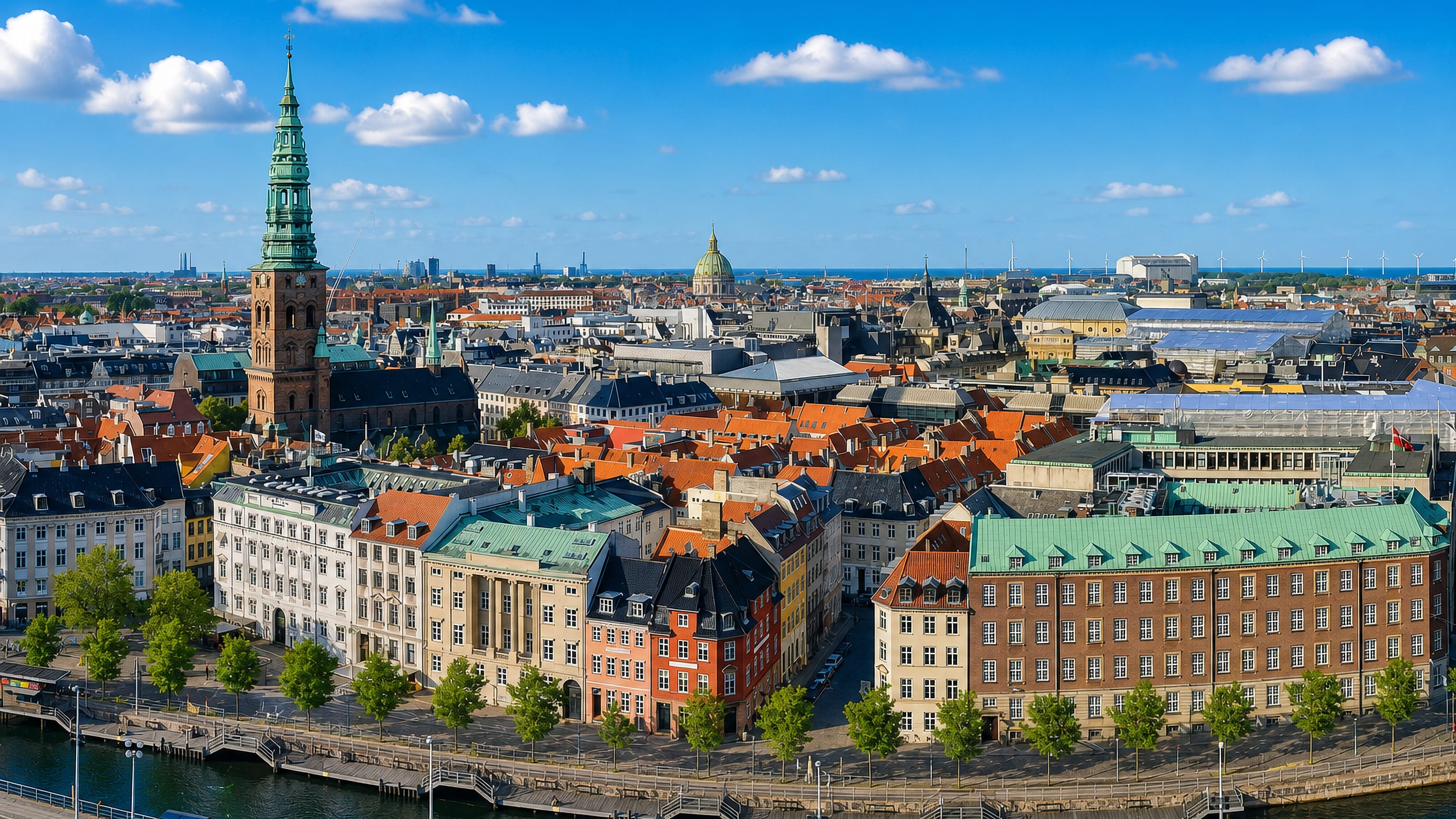
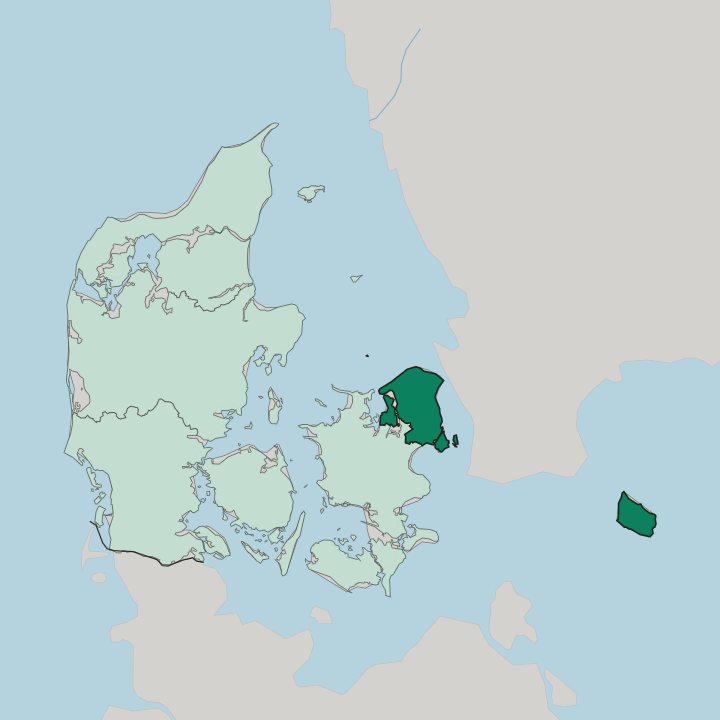
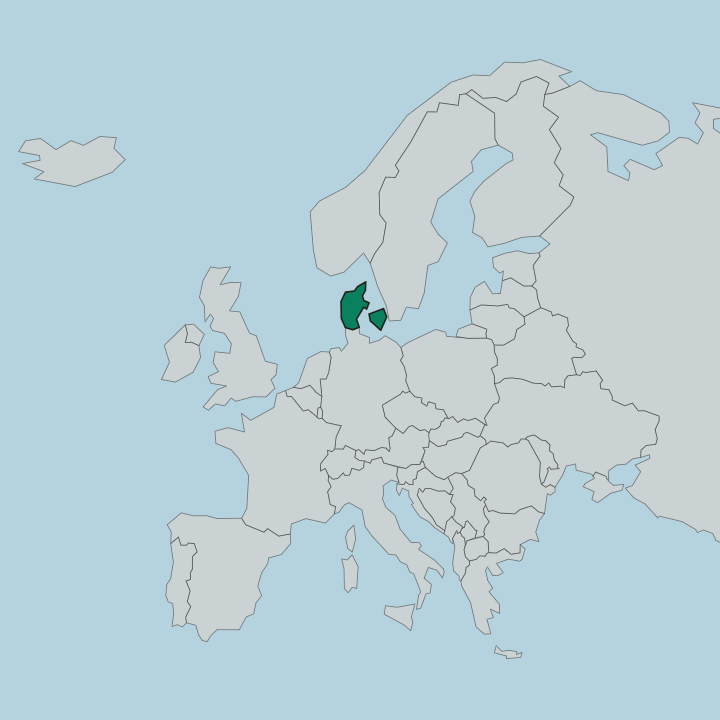
The Capital Region of Denmark is the easternmost region of Denmark, set on the island of Zealand and built around Copenhagen, the national capital.
Hotel links are affiliate links: booking through them may earn us a commission, at no extra cost to you. It never affects how places are ranked. How this works


Towns & cities in Region Hovedstaden
Pick a town or city — each links to where to stay.
 Denmark
Copenhagen
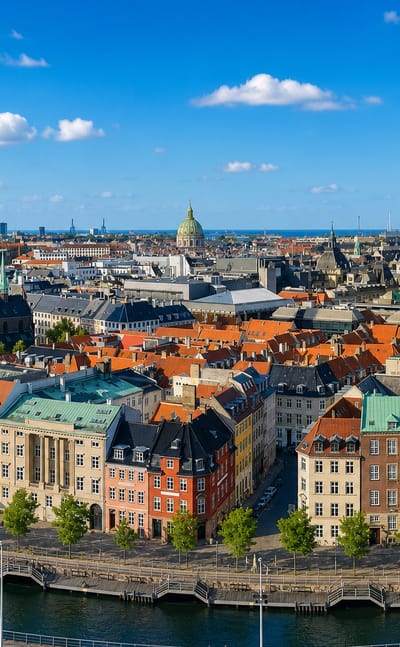
Copenhagen is the capital of Denmark, set in eastern Denmark on the island of Zealand, facing the Øresund strait toward Sweden.Where to stay →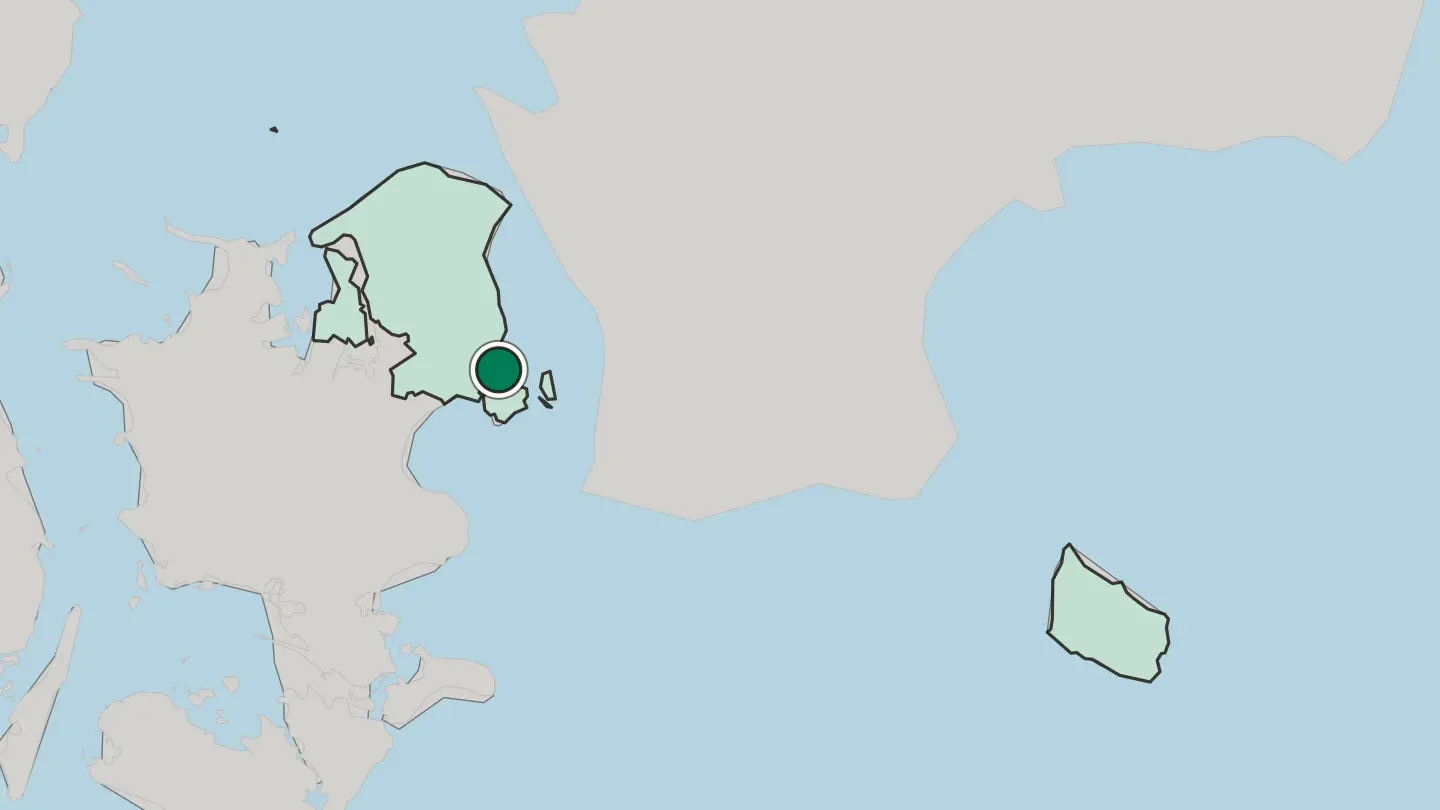
 Denmark
Frederiksberg
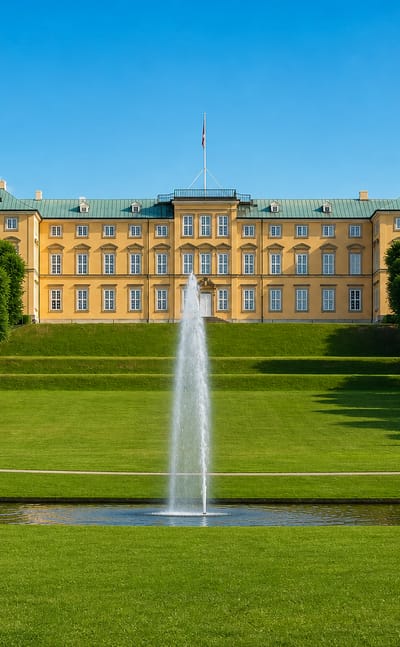
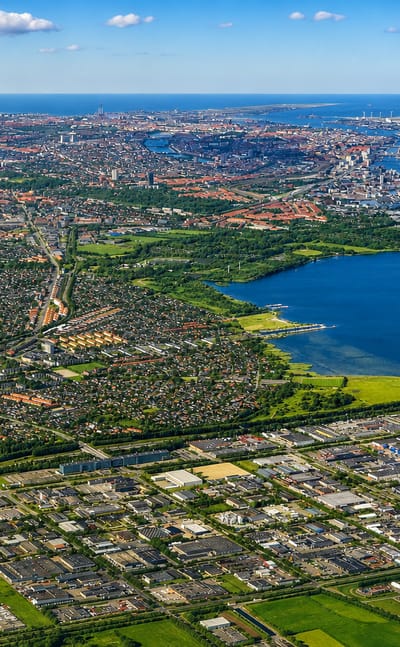
Frederiksberg is a municipality in eastern Denmark, on the island of Zealand, an enclave enclosed on every side by the surrounding city of Copenhagen.Where to stay →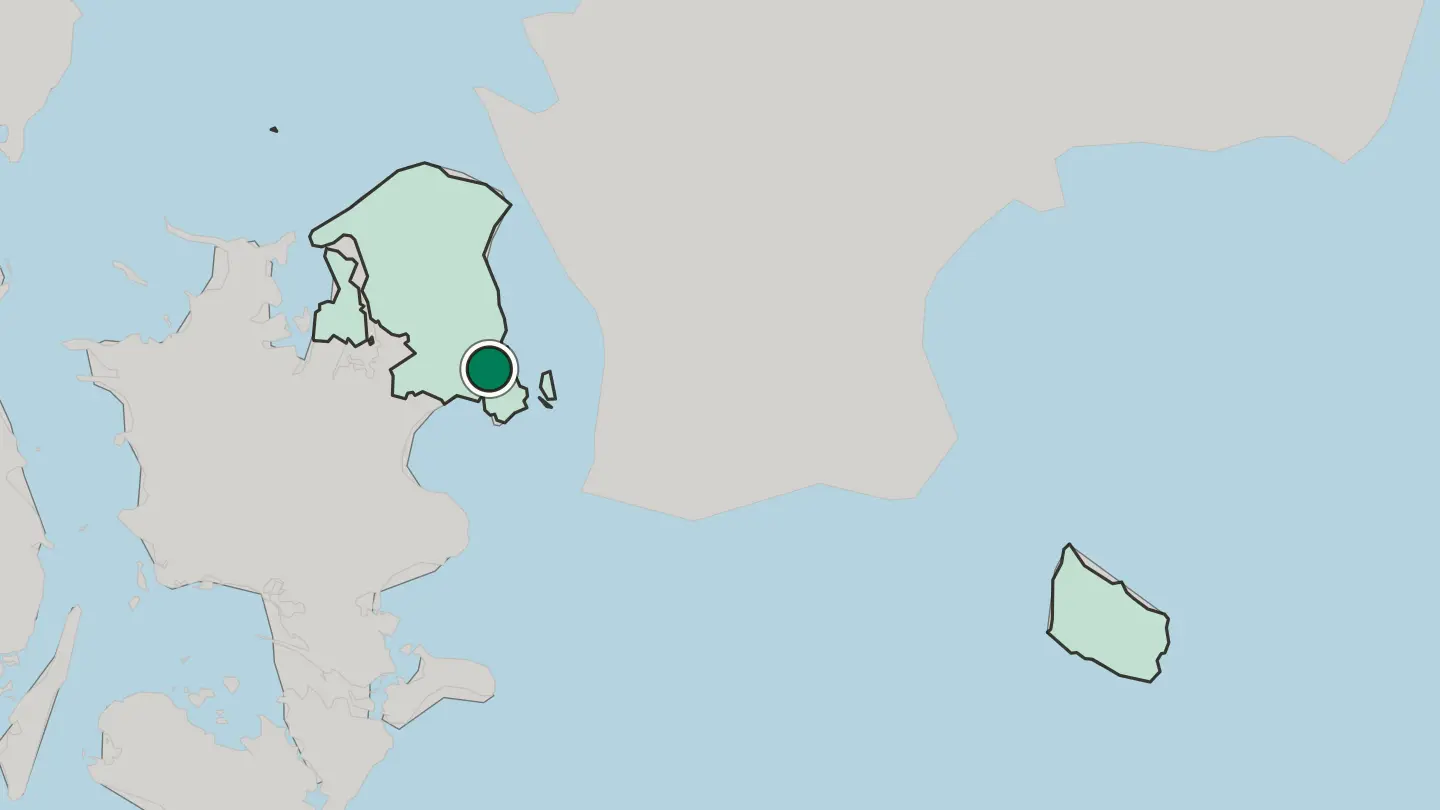
 Denmark
Hvidovre
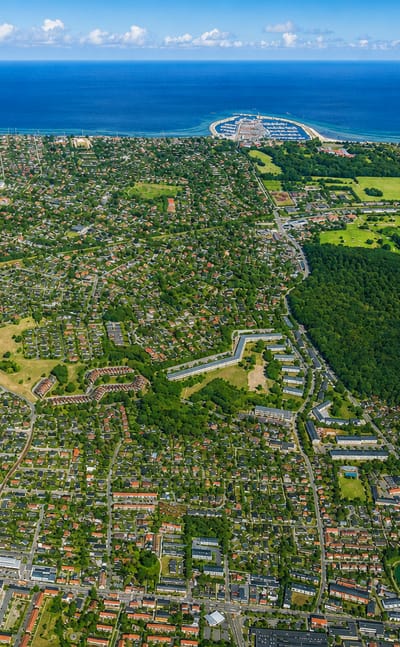
Hvidovre is a municipality in eastern Denmark, on the island of Zealand, a south-western suburb of the capital just beyond the edge of Copenhagen.Where to stay →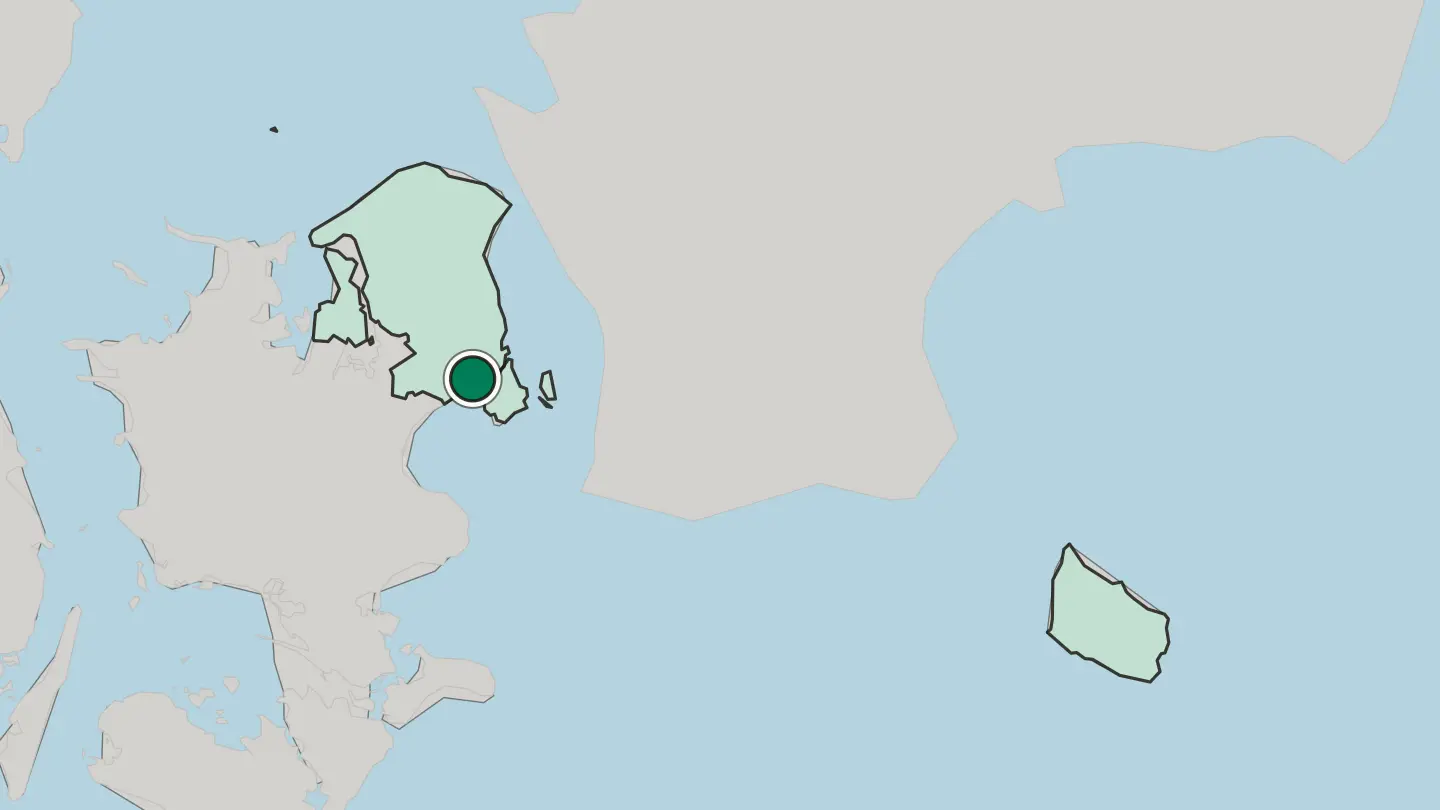
 Denmark
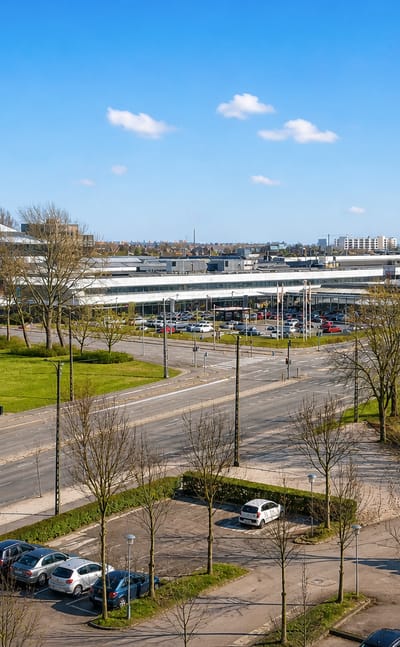
Hørsholm
Hørsholm is a town in eastern Denmark, on the island of Zealand, set on the Øresund coast north of Copenhagen.Where to stay →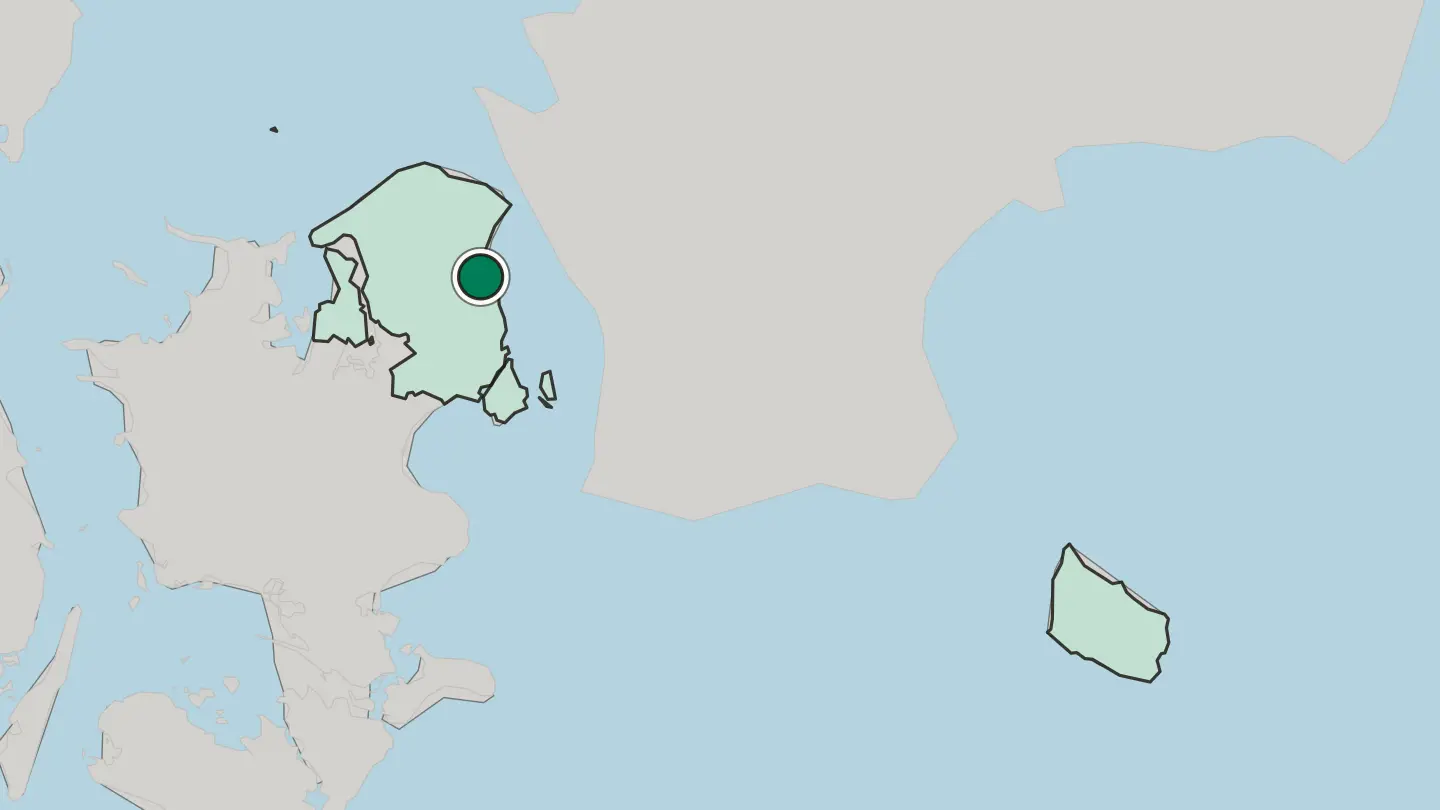
 Denmark
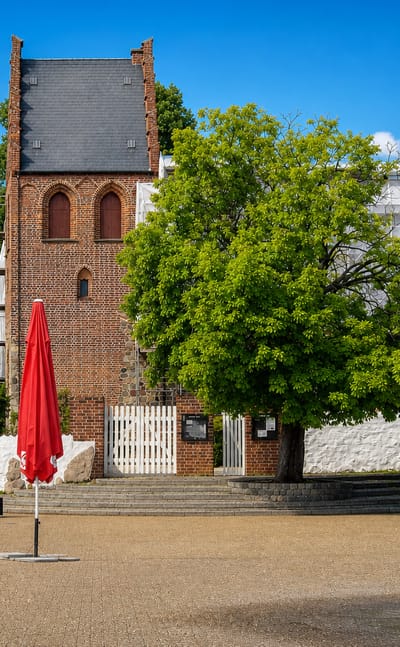
Rødovre
Rødovre is a town in eastern Denmark, on the island of Zealand, a western district within the urban area of Copenhagen.Where to stay →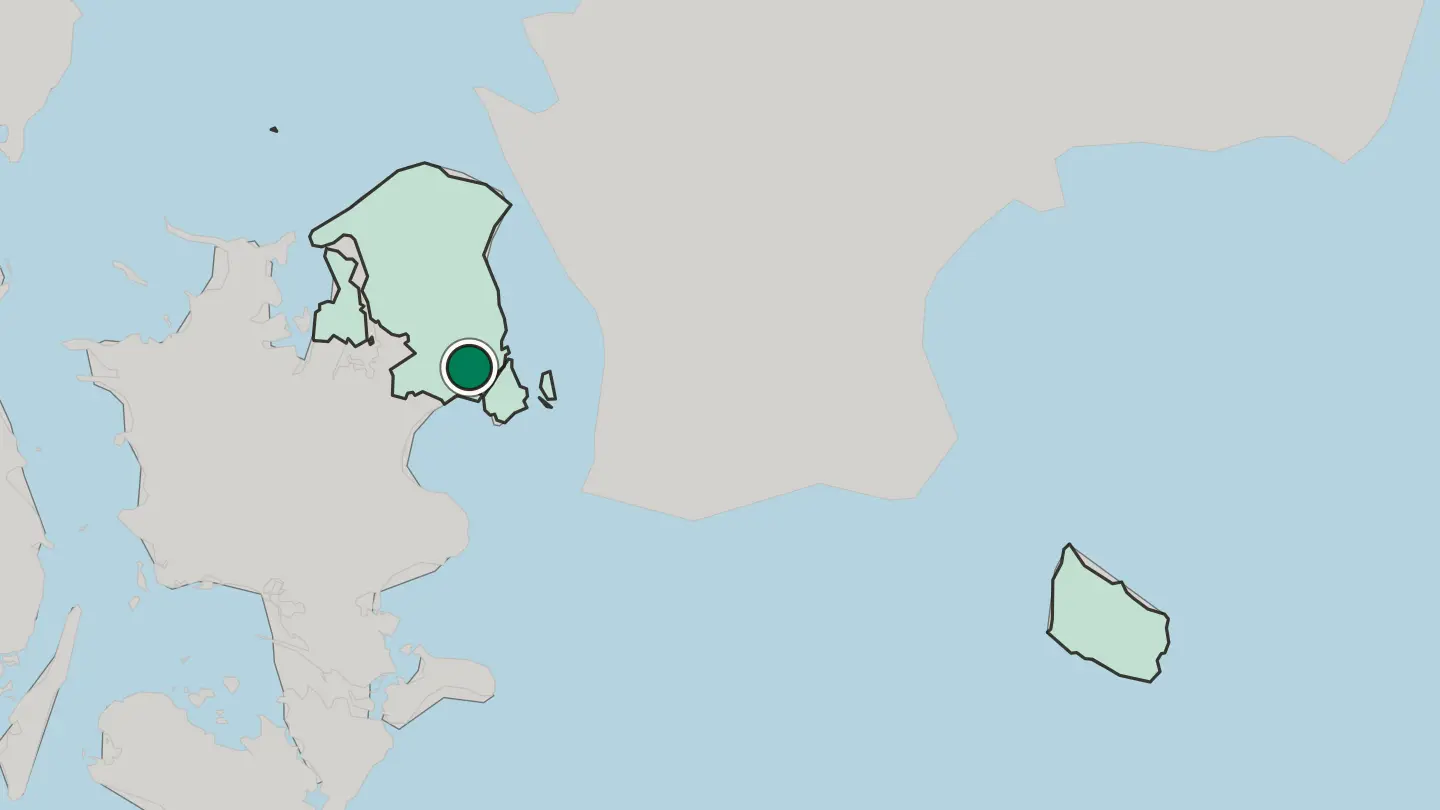
 Denmark
Ballerup
Ballerup is a commuter town in eastern Denmark, on the island of Zealand, about fifteen kilometres west of central Copenhagen.Where to stay →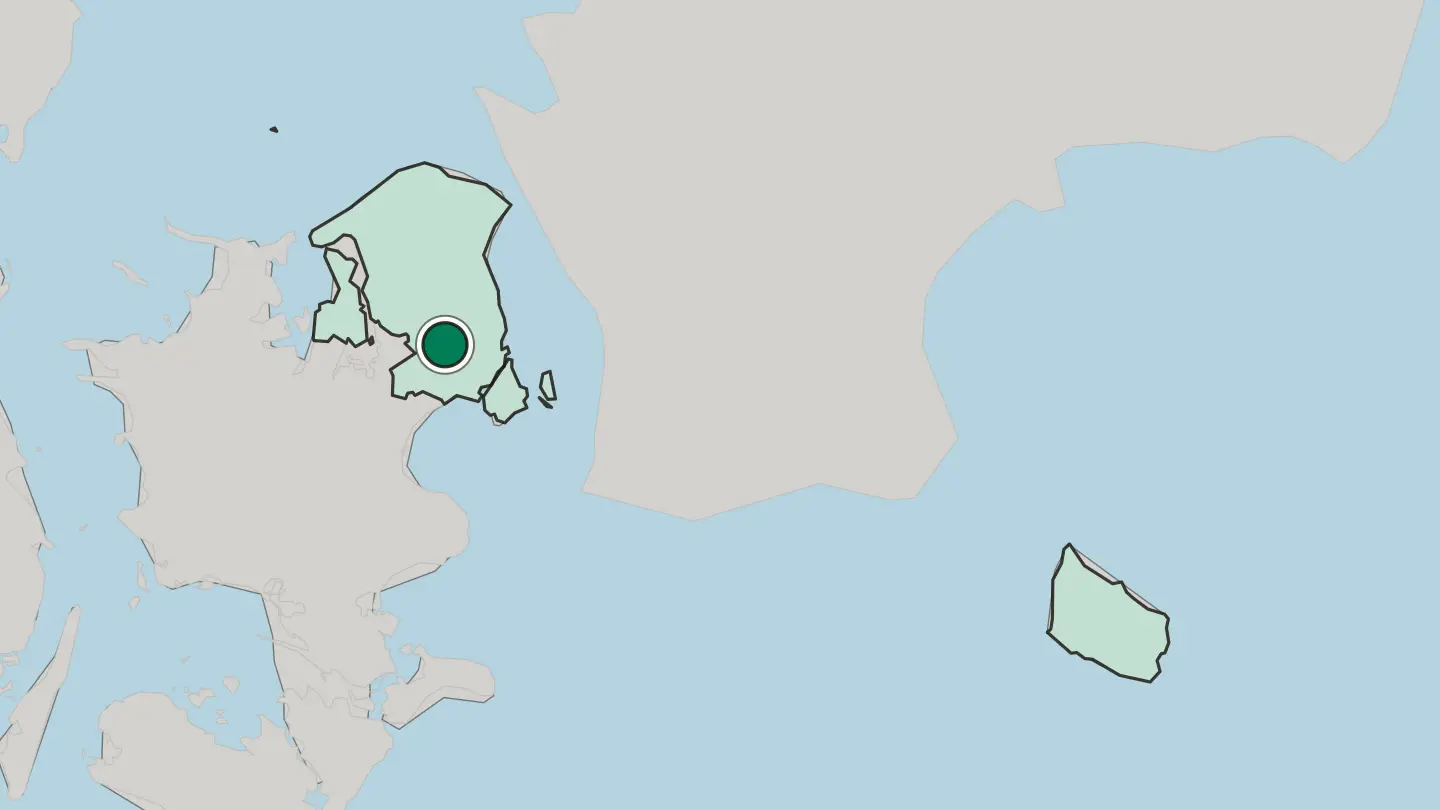
 Denmark
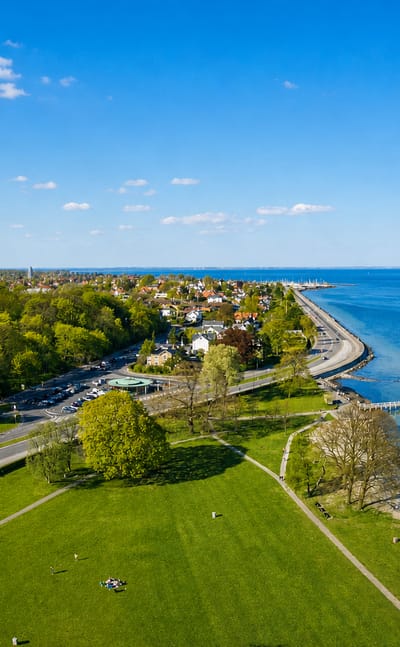
Charlottenlund
Charlottenlund is a leafy district in eastern Denmark, on the island of Zealand, set among the wooded suburbs north of Copenhagen.Where to stay →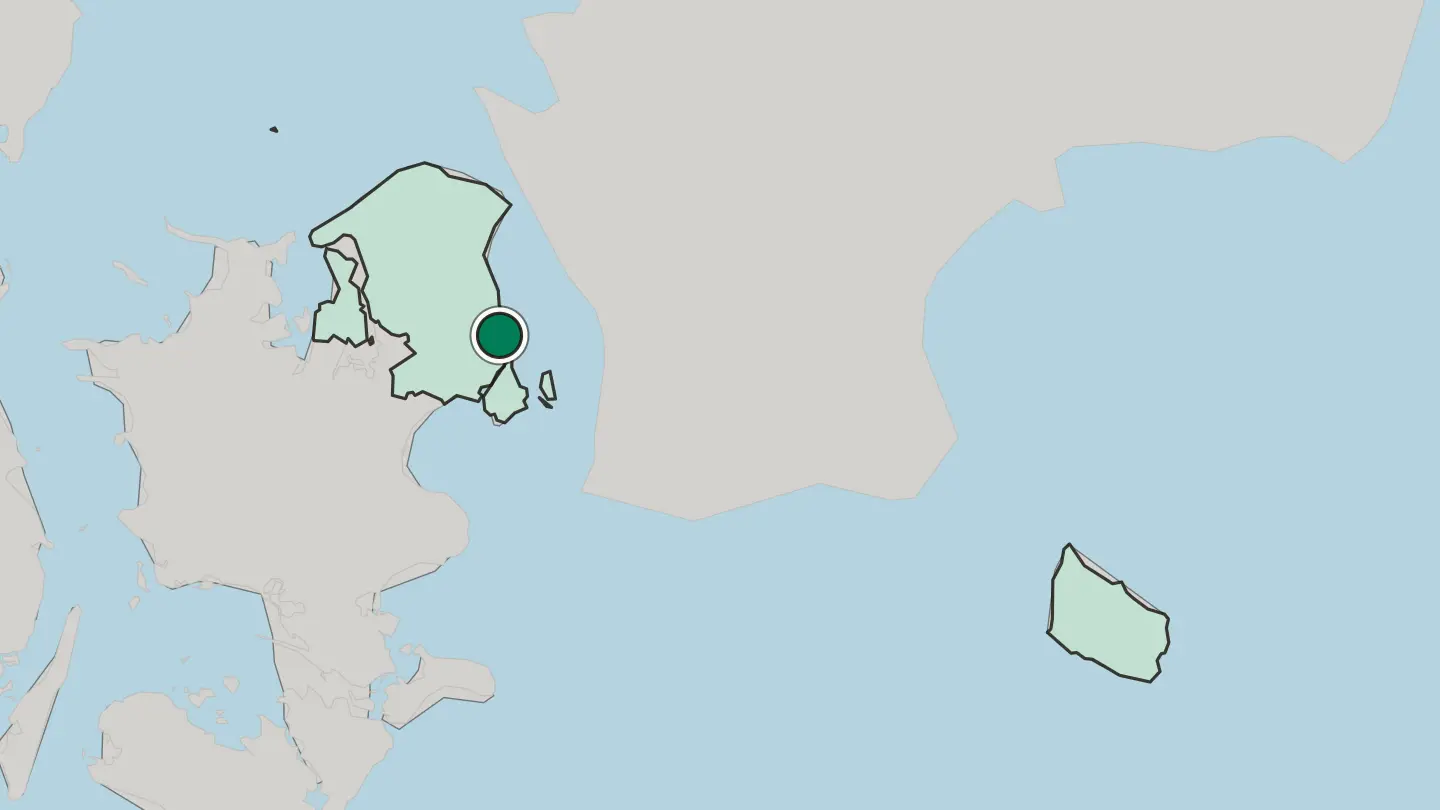
 Denmark
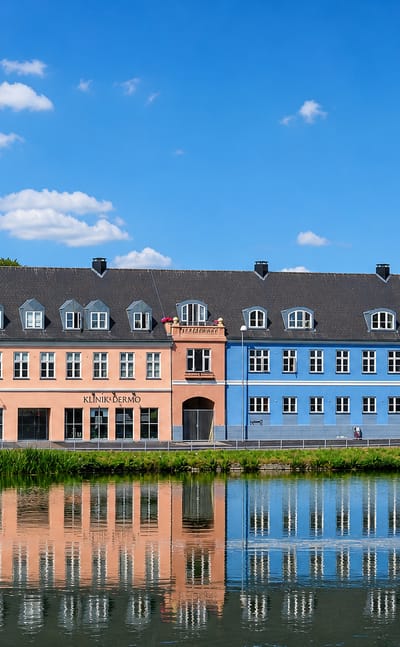
Hillerød
Hillerød is the centre of North Zealand in eastern Denmark, on the island of Zealand, built around the Renaissance Frederiksborg Slot.Where to stay →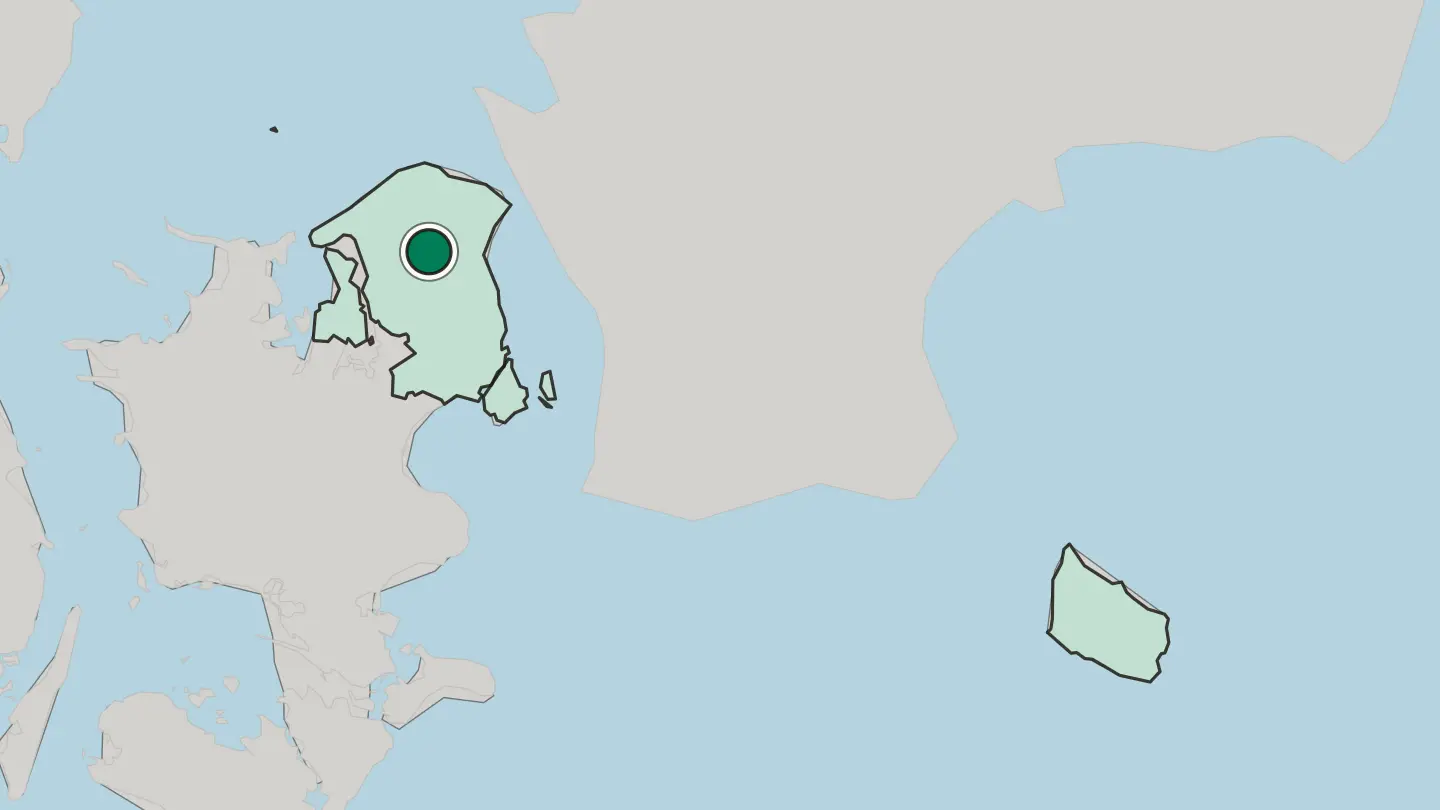
All towns & cities (32)
 Denmark
Taastrup
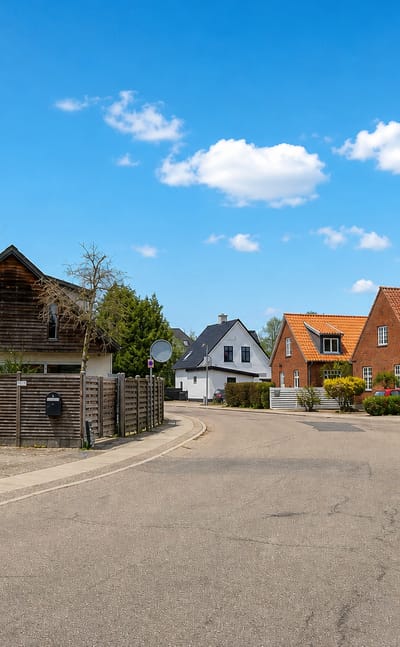
Taastrup is a railway suburb of Copenhagen in eastern Denmark, on the island of Zealand, paired with neighbouring Høje Taastrup.Where to stay →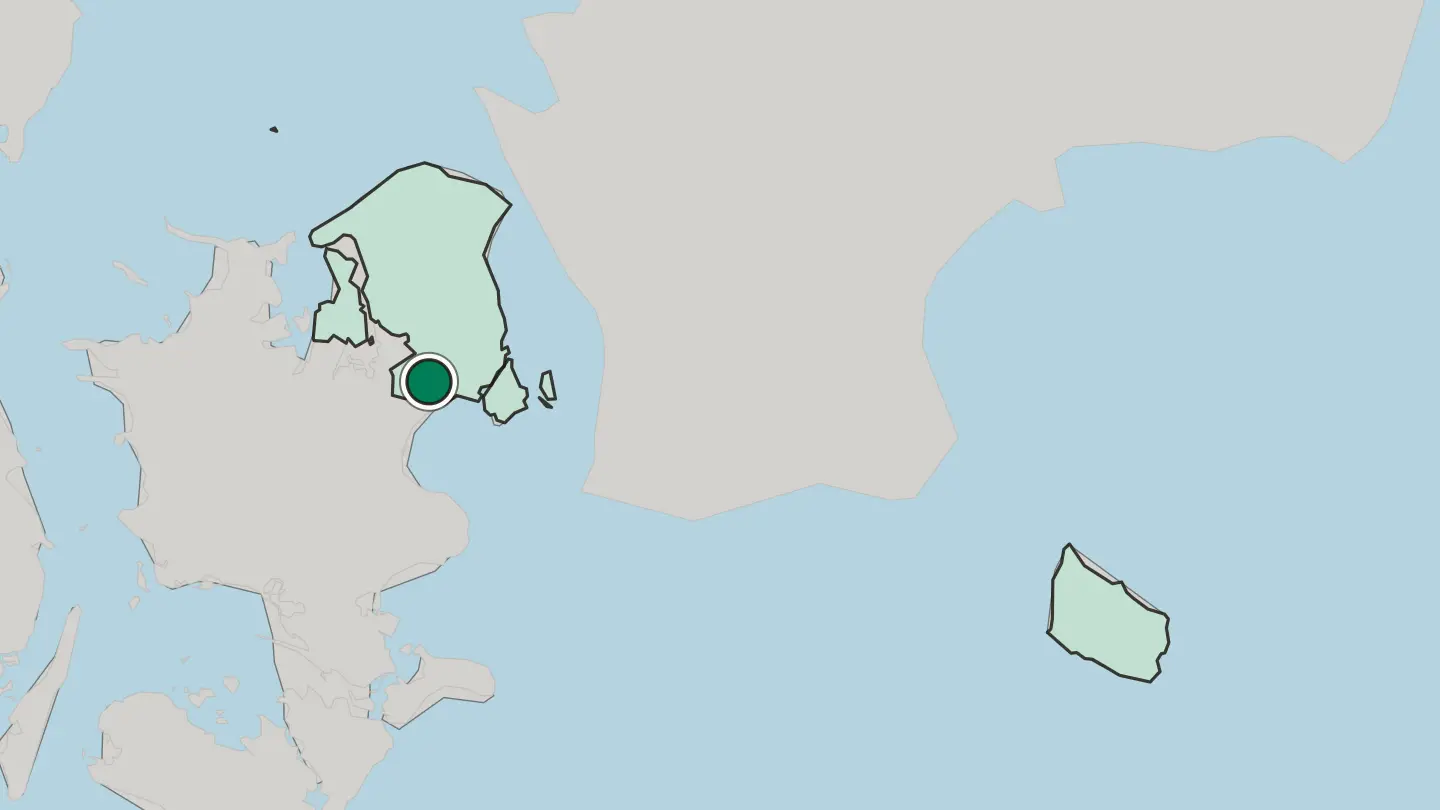
 Denmark
Helsingør
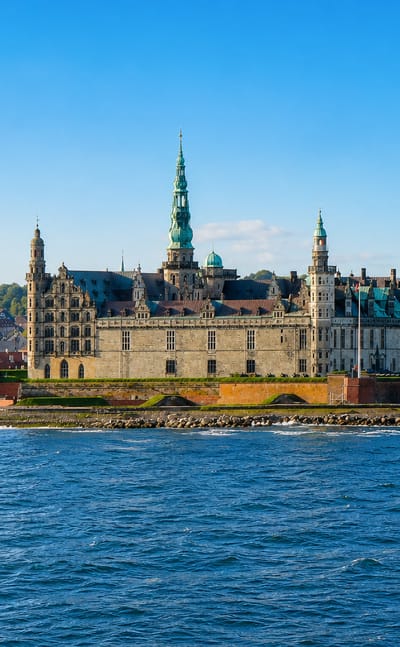
Helsingør is a ferry city in eastern Denmark, on the island of Zealand, where Kronborg guards the narrows of the Øresund strait.Where to stay →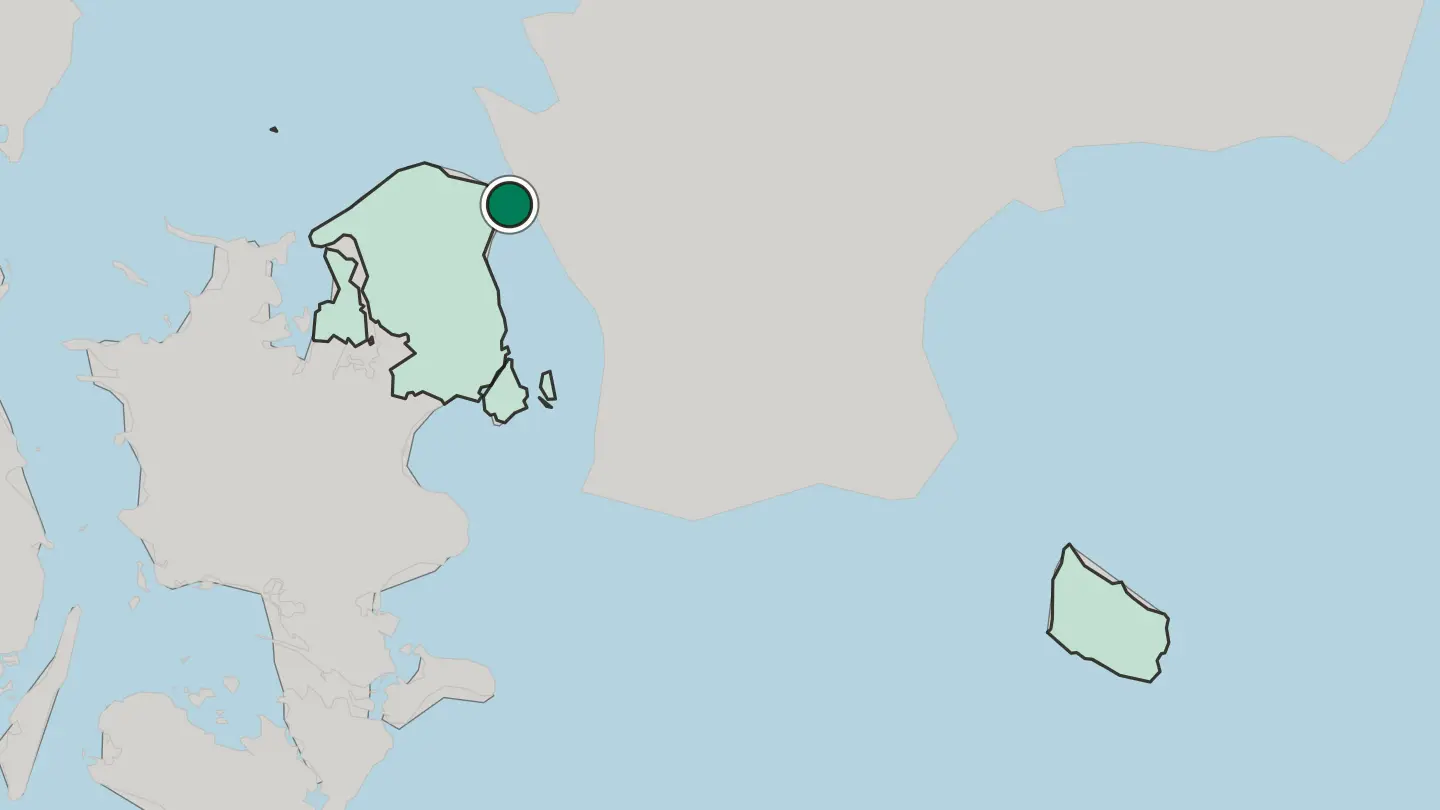
 Denmark
Albertslund
Albertslund is a Copenhagen suburb in eastern Denmark, on the island of Zealand, about fifteen kilometres west of the city centre.Where to stay →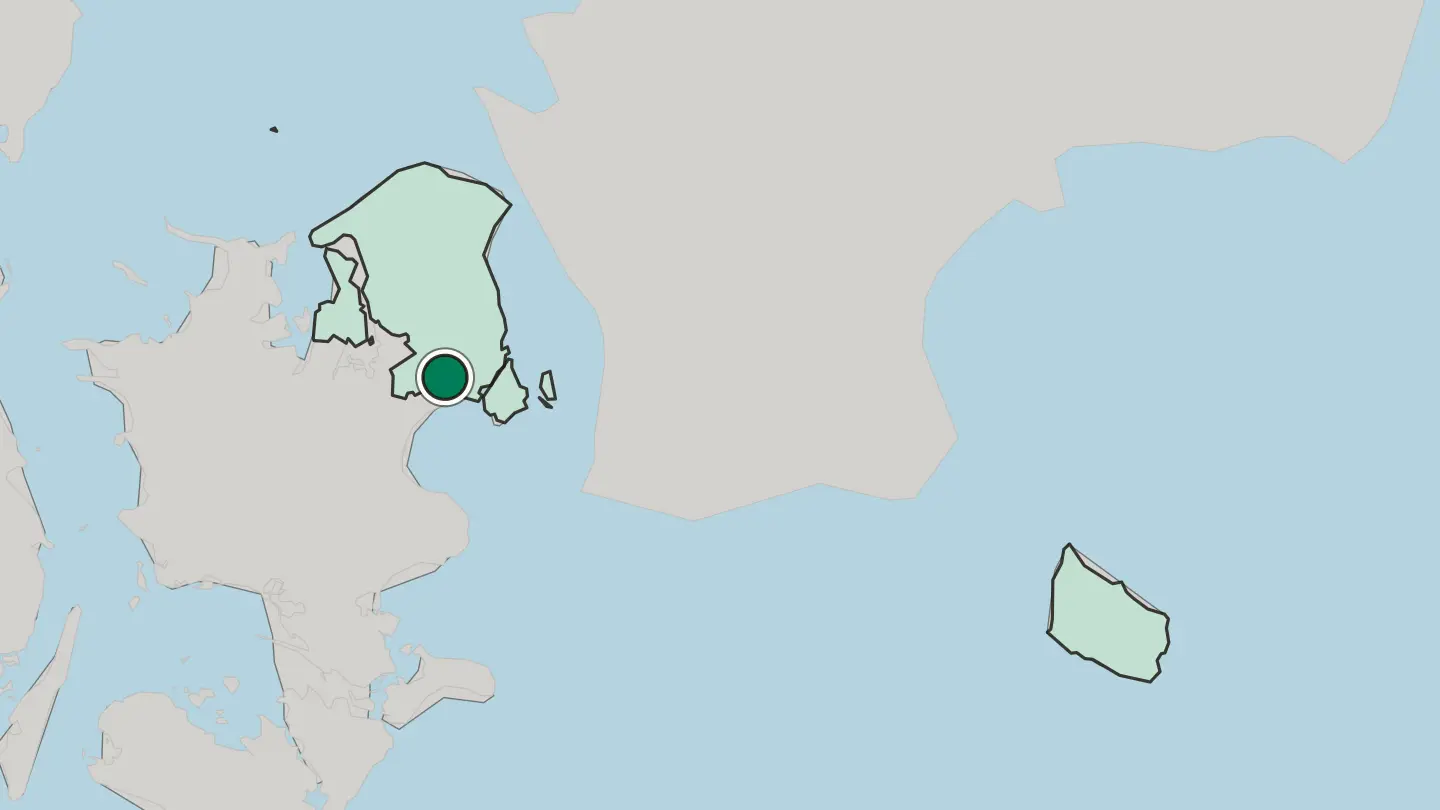
 Denmark
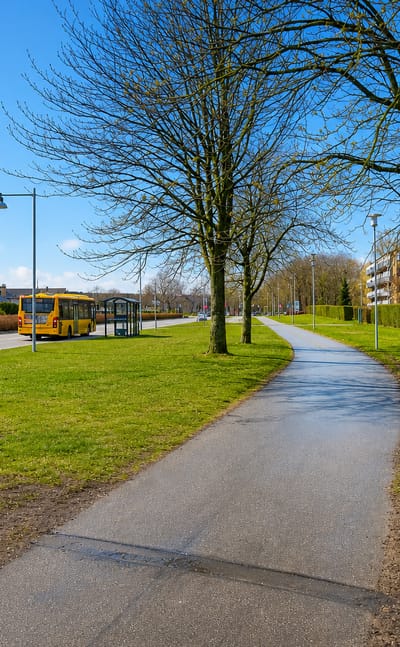
Glostrup
Glostrup is a Copenhagen suburb in eastern Denmark, on the island of Zealand, on the western approaches to the capital.Where to stay →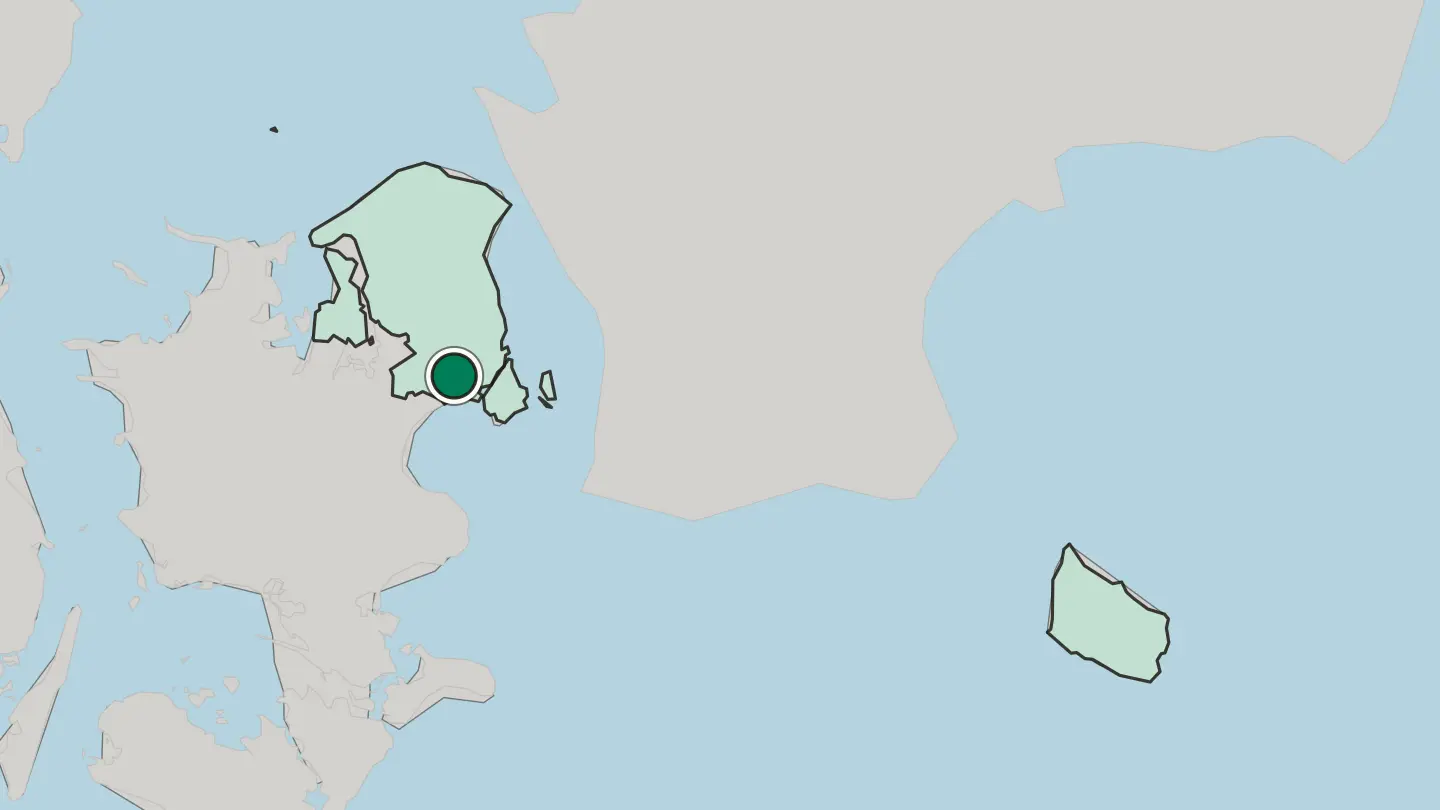
 Denmark
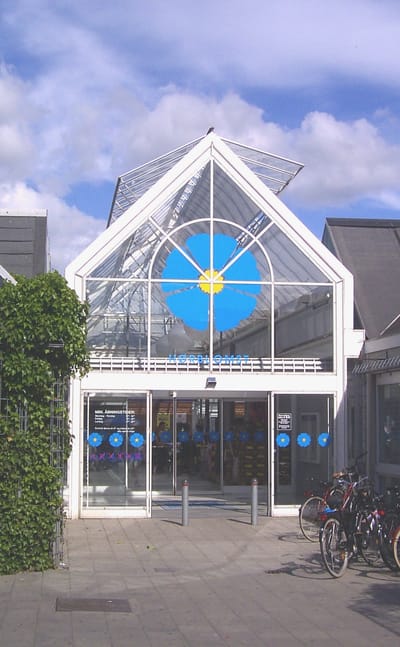
Farum
Farum is a town in eastern Denmark, on the island of Zealand northwest of Copenhagen, the seat of Furesø Municipality.Where to stay →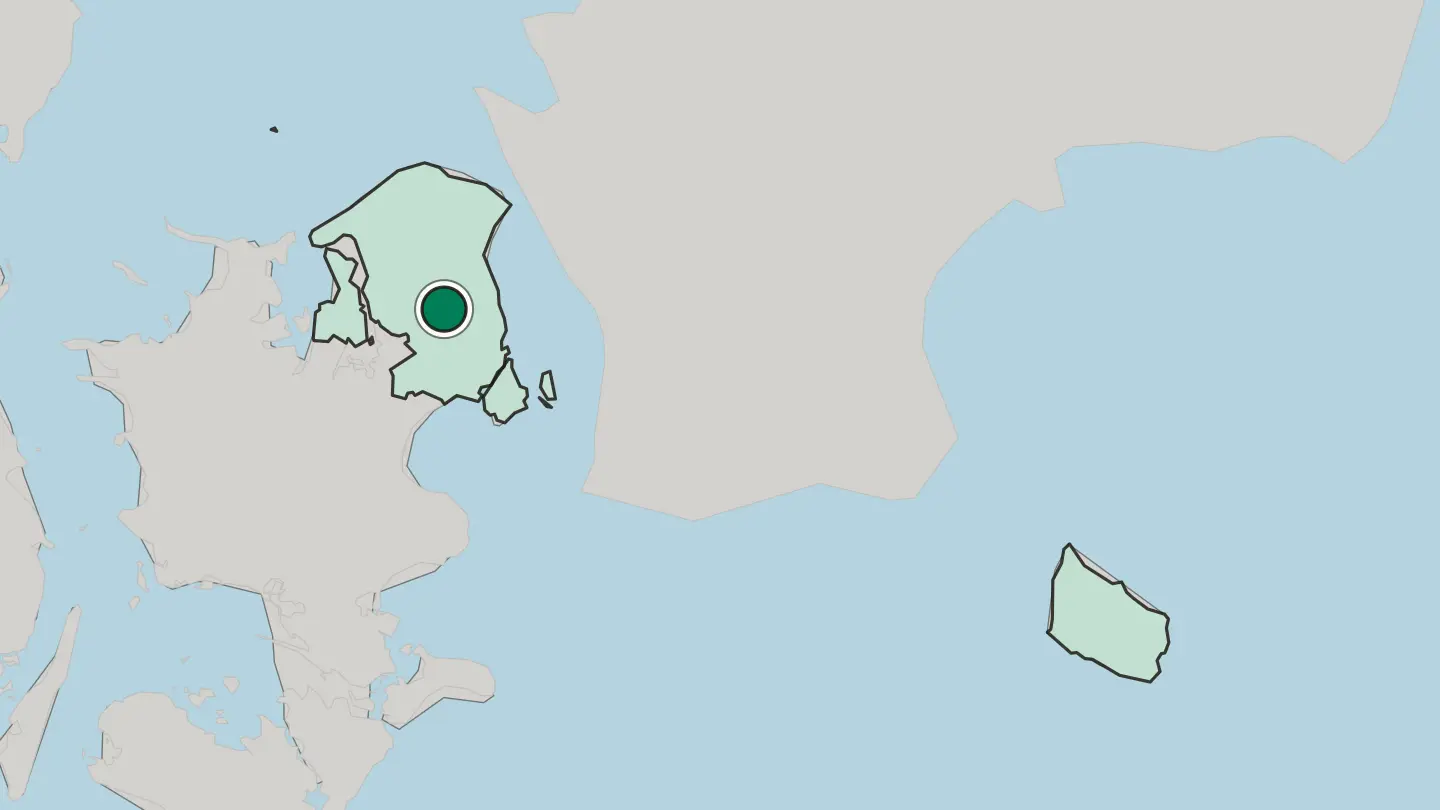
 Denmark
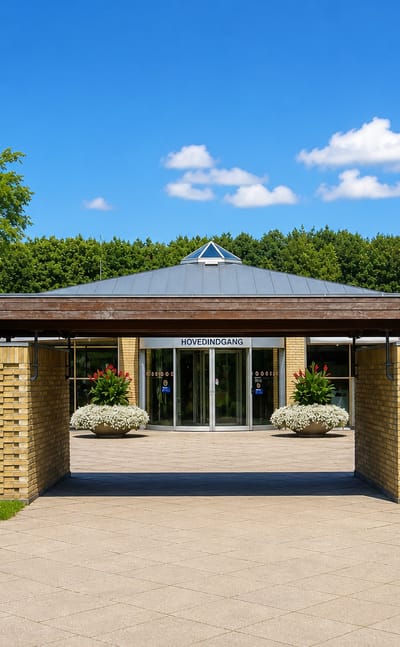
Brøndbyvester
Brøndbyvester is the seat of Brøndby Municipality in eastern Denmark, a town on Zealand in the western suburbs of Copenhagen.Where to stay →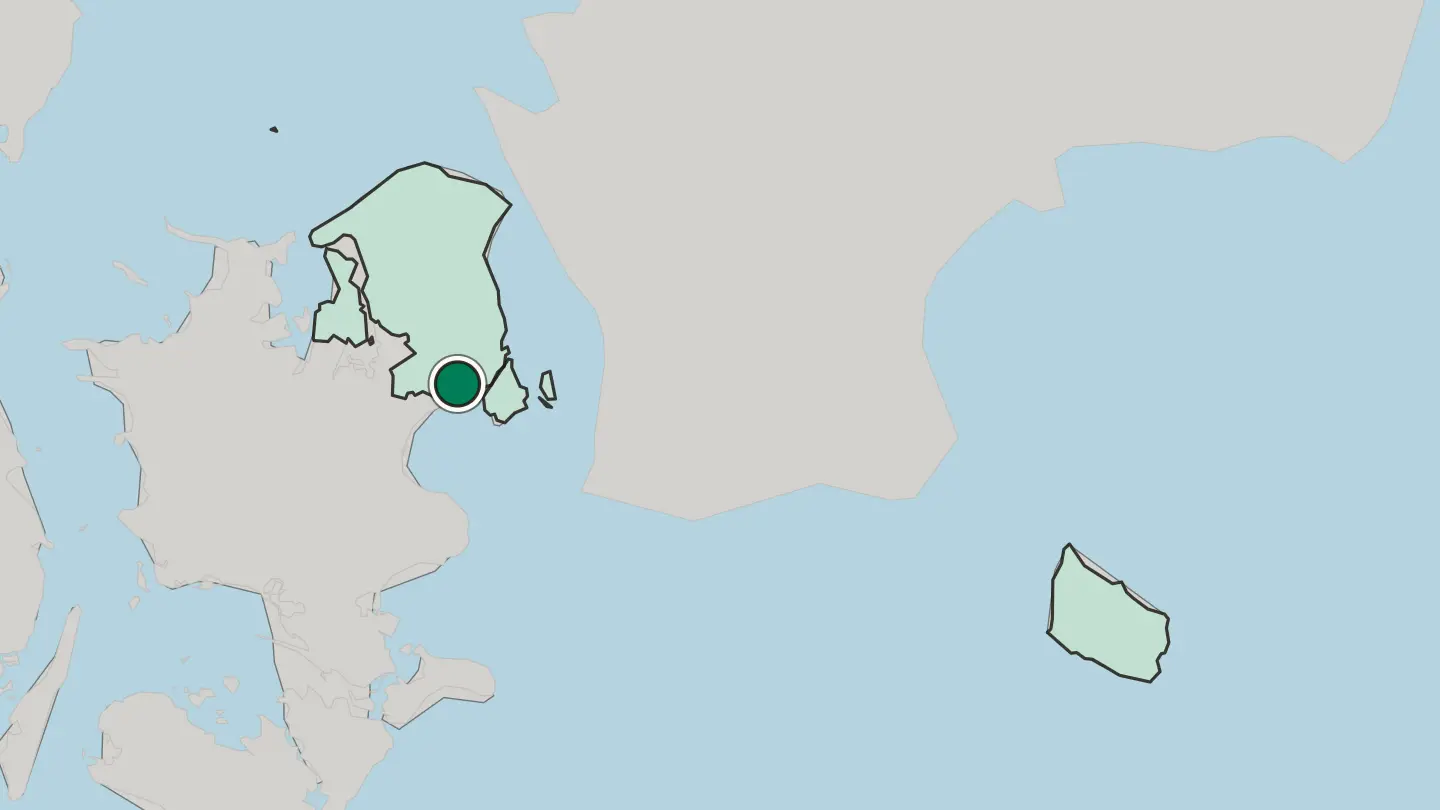
 Denmark
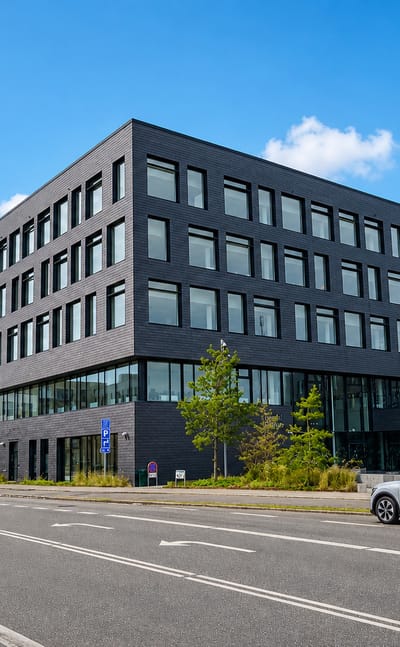
Stenløse
Stenløse is a town in eastern Denmark, on the island of Zealand in Egedal Municipality, west of Copenhagen.Where to stay →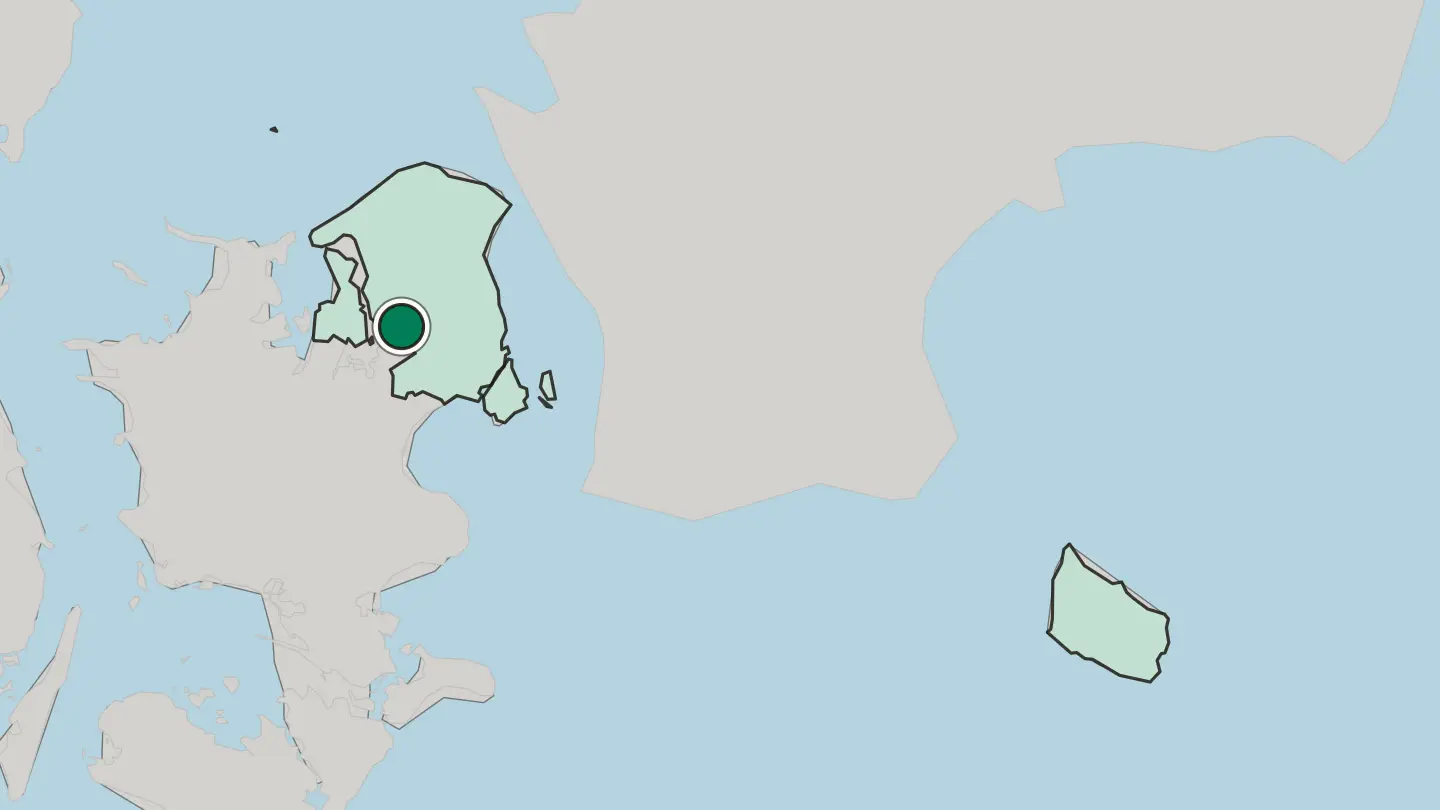
 Denmark
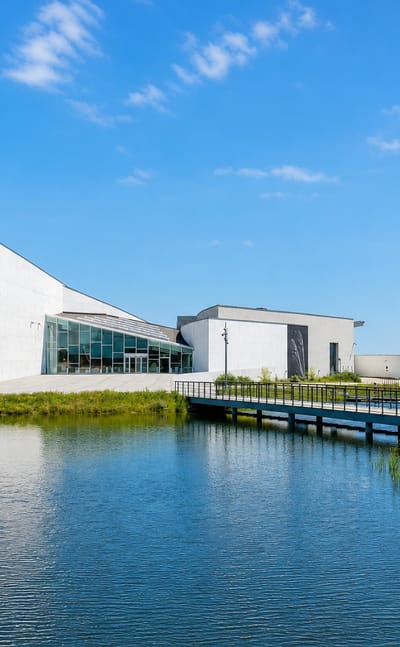
Ishøj
Ishøj is the seat of Ishøj Municipality in eastern Denmark, a town on the Køge Bay coast of Zealand south of Copenhagen.Where to stay →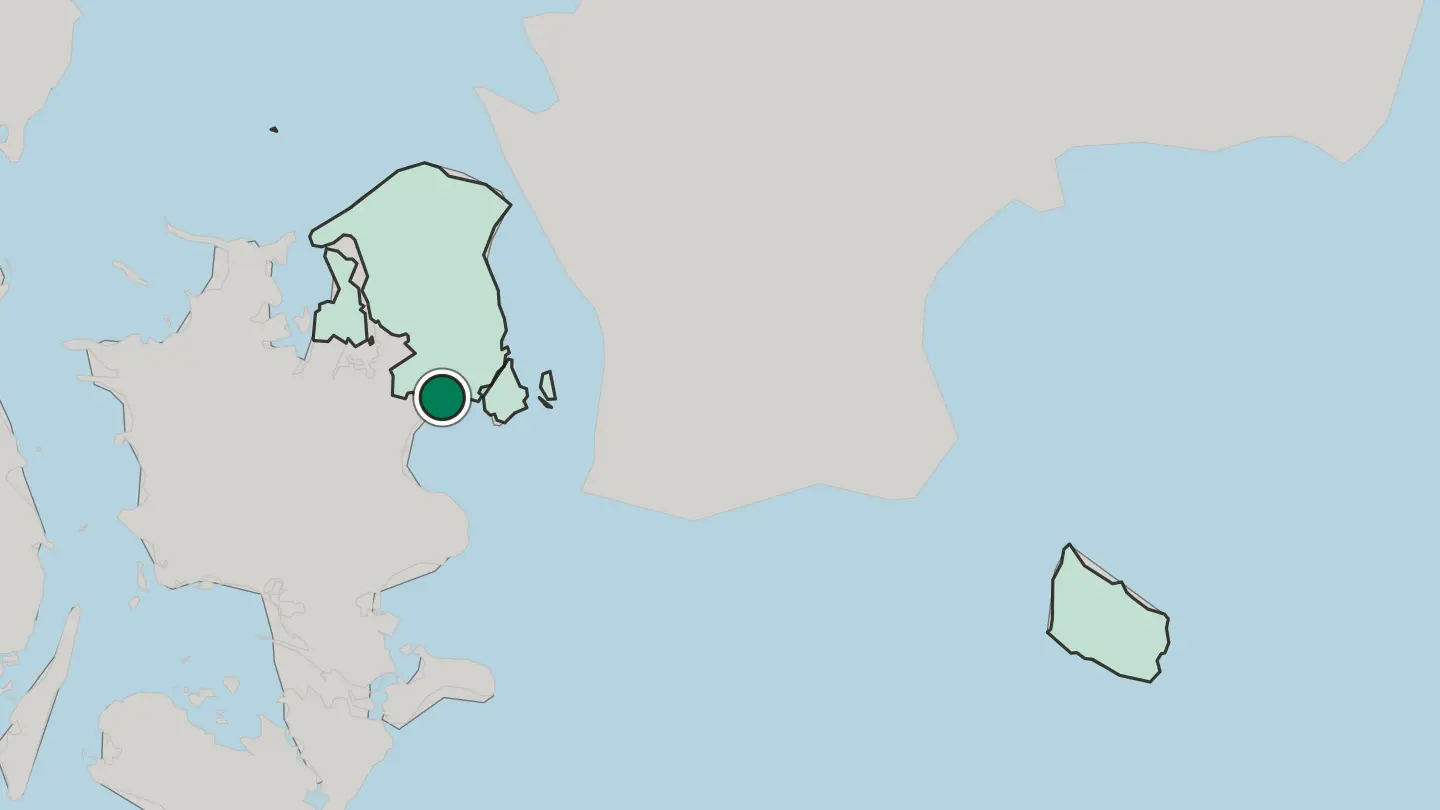
 Denmark
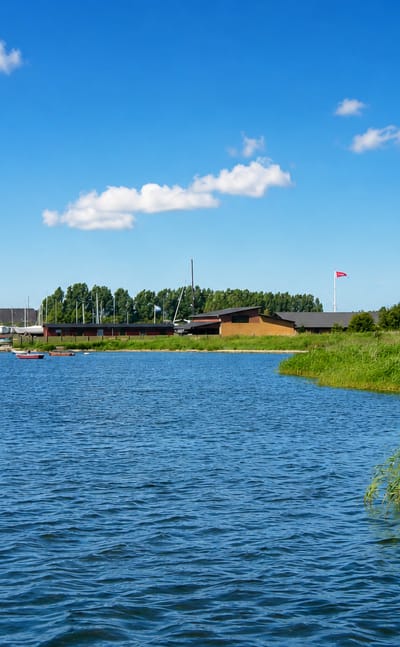
Frederikssund
Frederikssund is the seat of Frederikssund Municipality in eastern Denmark, a market town on Roskilde Fjord on the island of Zealand.Where to stay →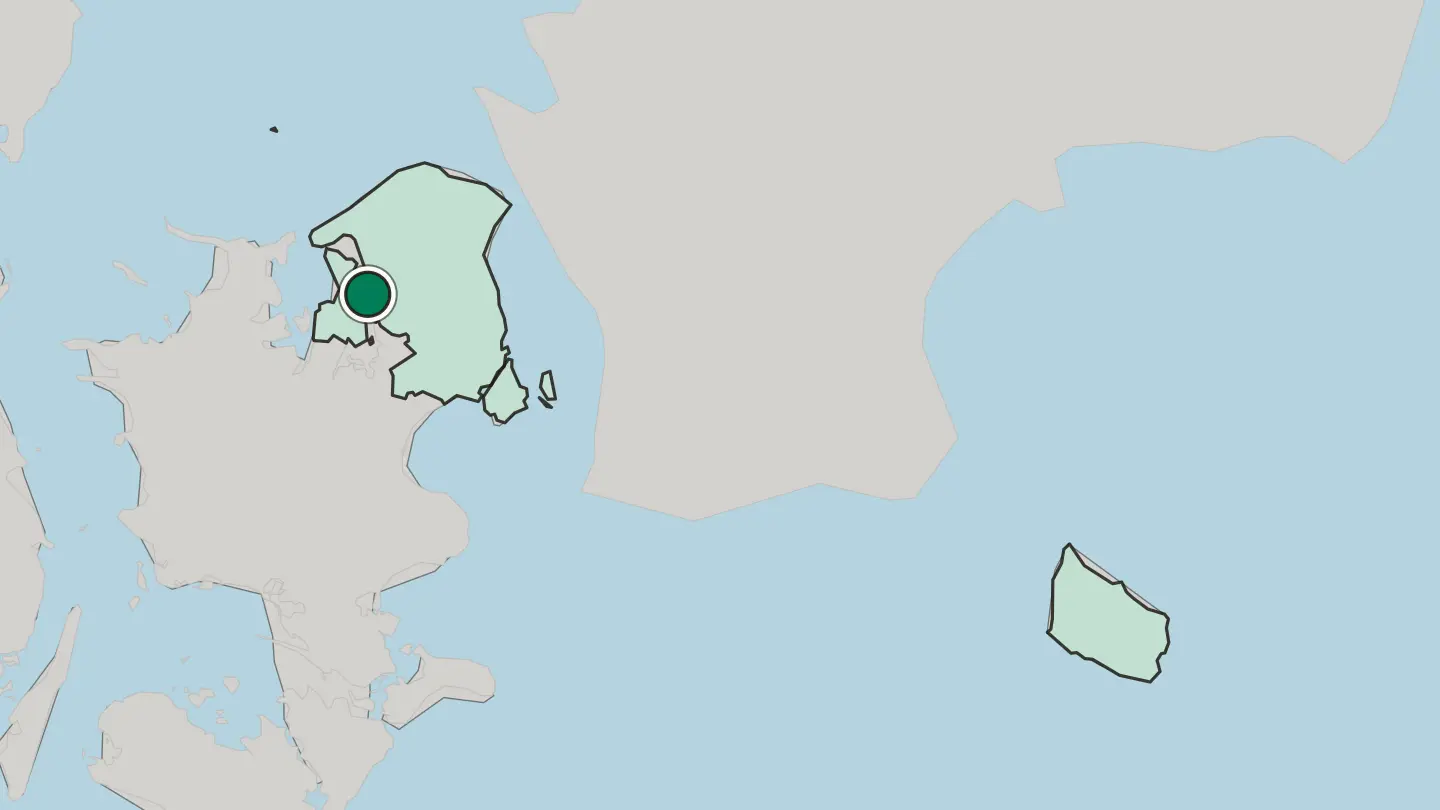
 Denmark
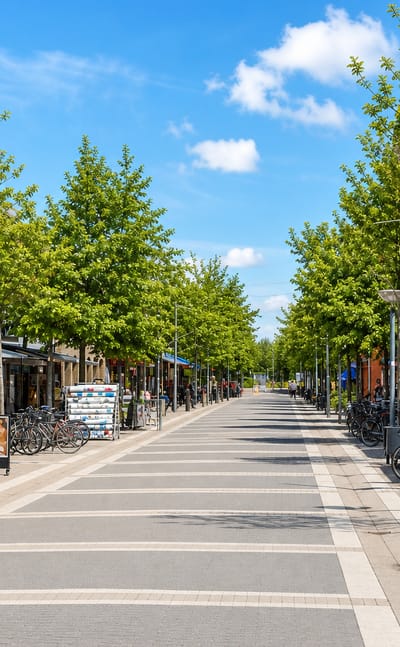
Lillerød
Lillerød is a town in eastern Denmark, the main settlement of Allerød Municipality on the island of Zealand north of Copenhagen.Where to stay →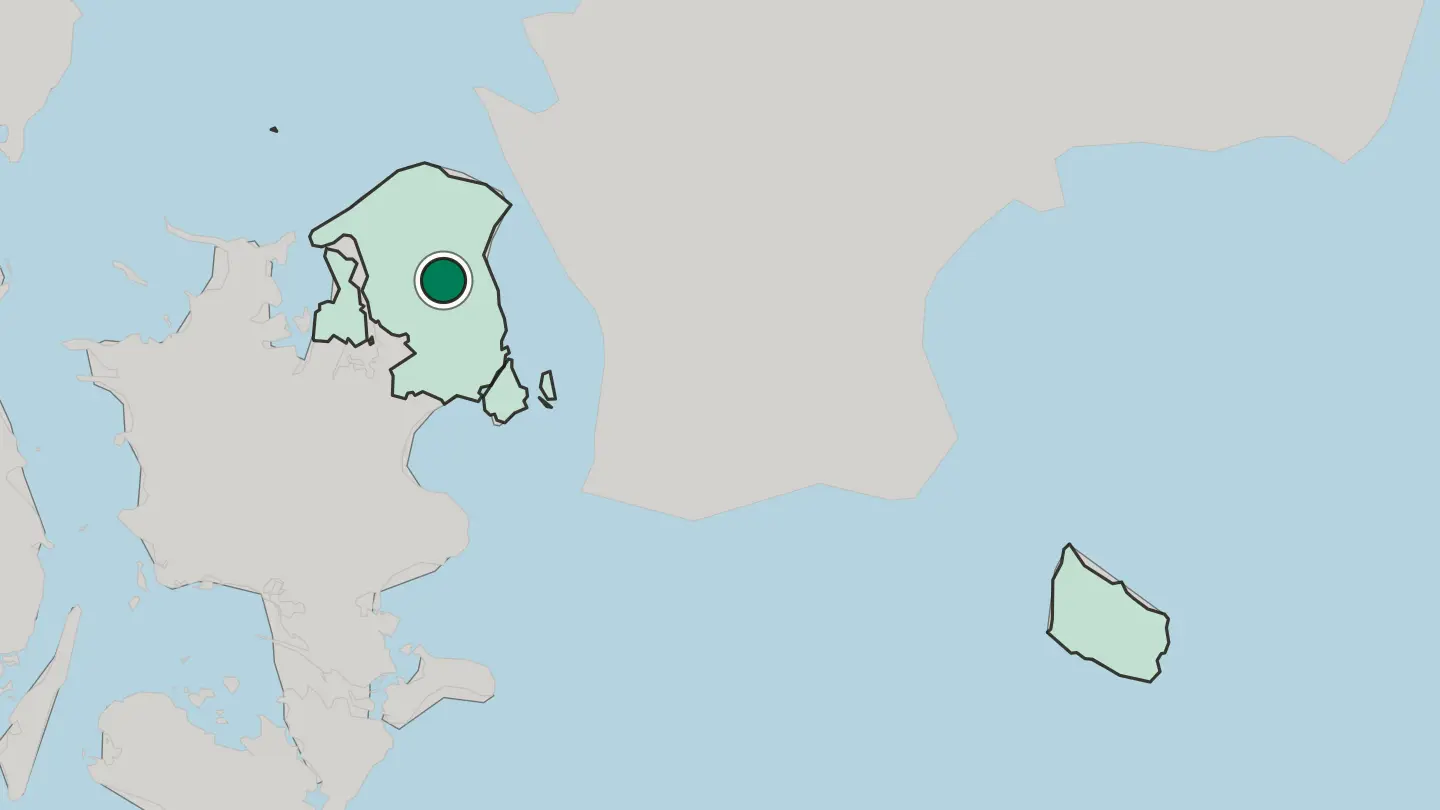
 Denmark
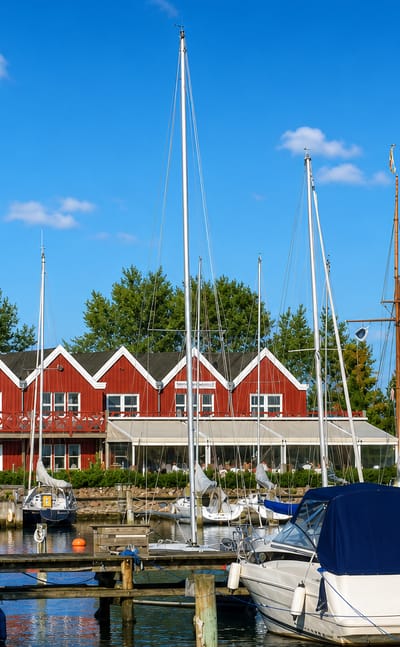
Vallensbæk
Vallensbæk is a seaside suburb west of Copenhagen, split between an inland north and a beach-park south on Køge Bay.Where to stay →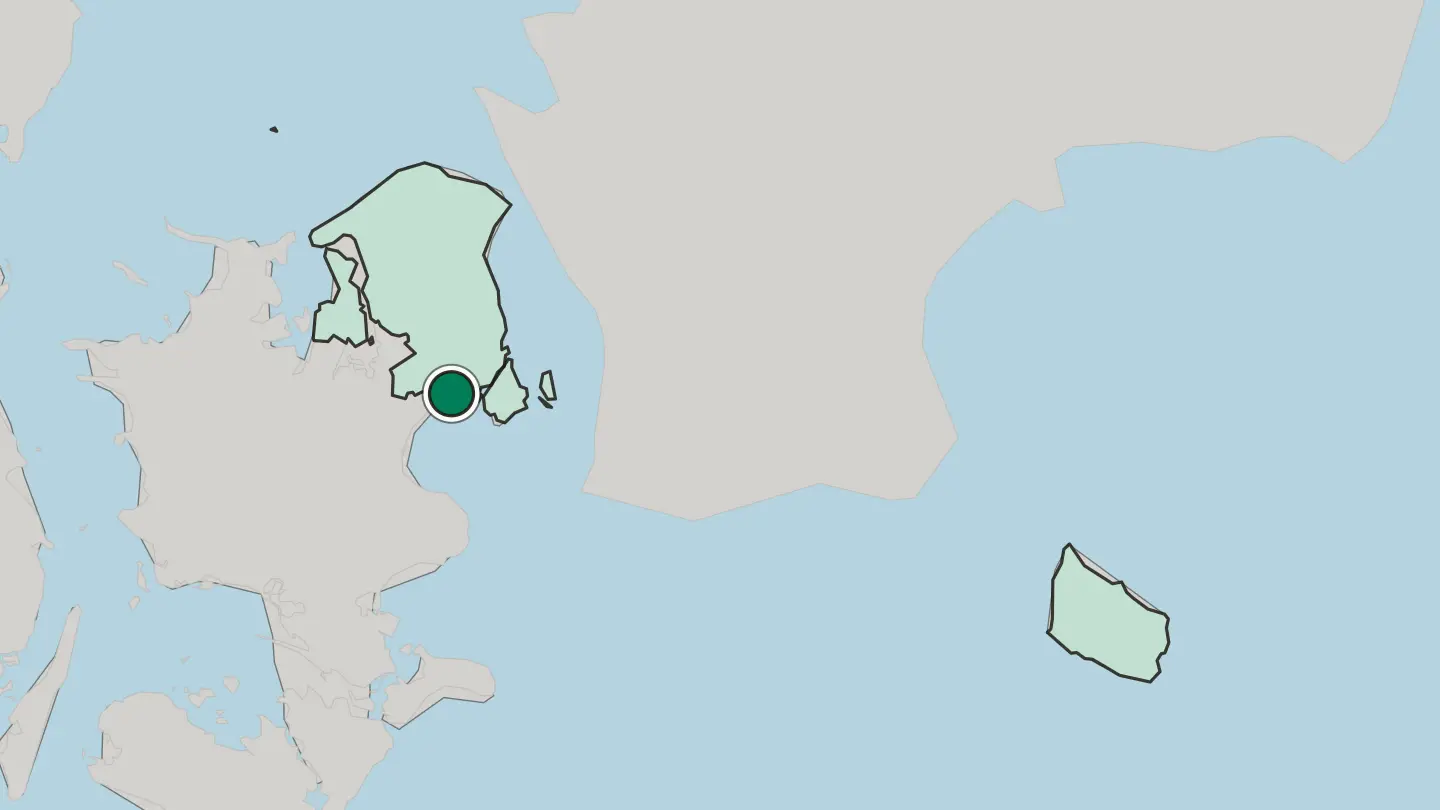
 Denmark
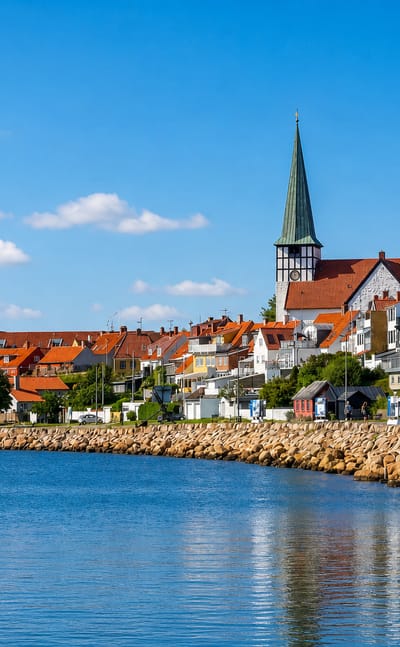
Rønne
Rønne is the main town and ferry port of Bornholm, a granite island set out in the Baltic Sea east of the Danish mainland.Where to stay →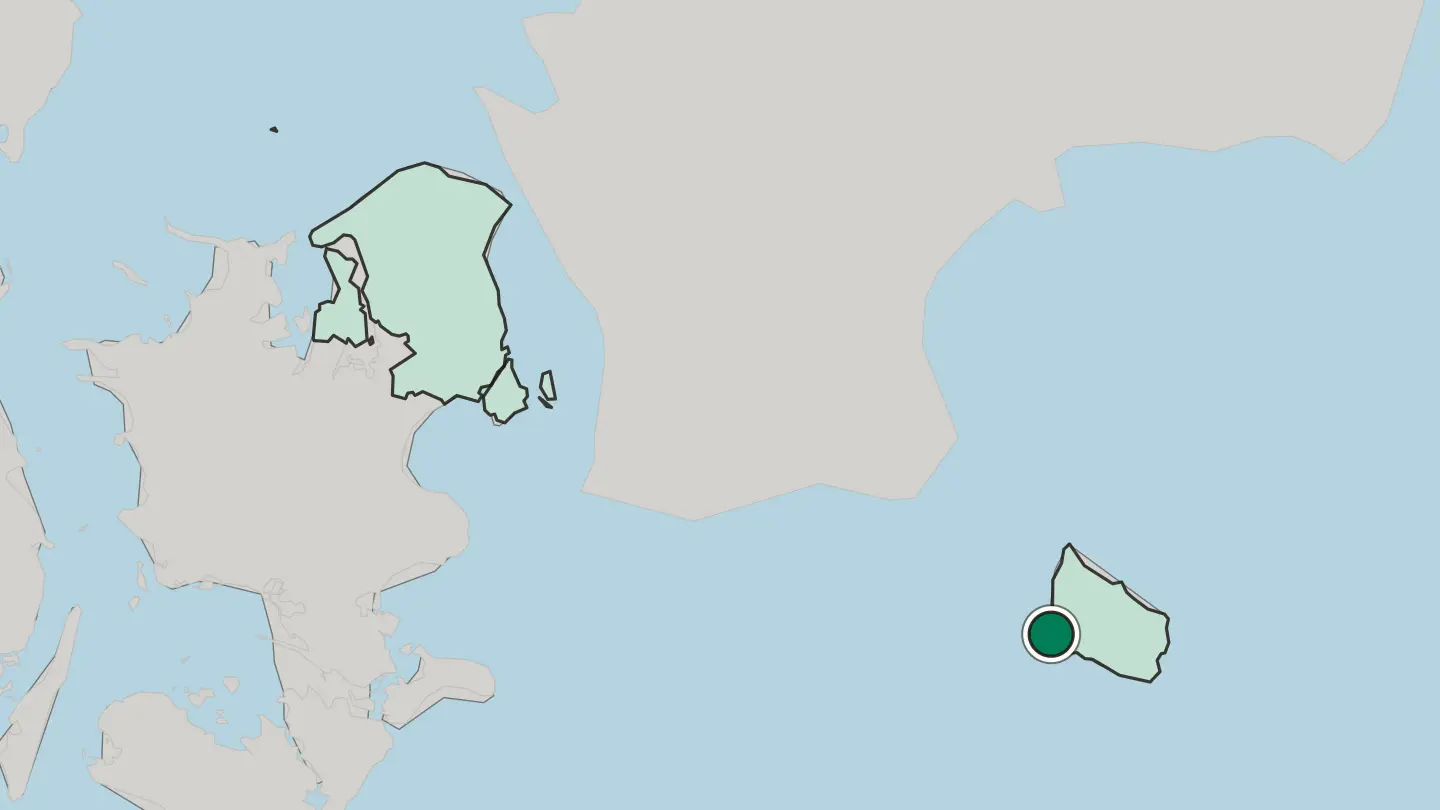
 Denmark
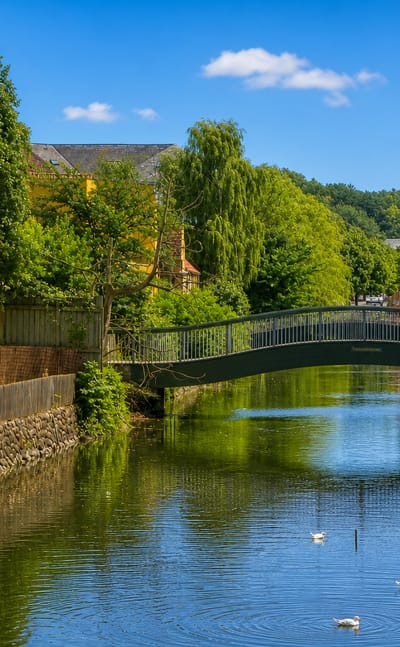
Frederiksværk
Frederiksværk is an old industrial town in Halsnæs on northern Zealand, grown up around a royal gunpowder works.Where to stay →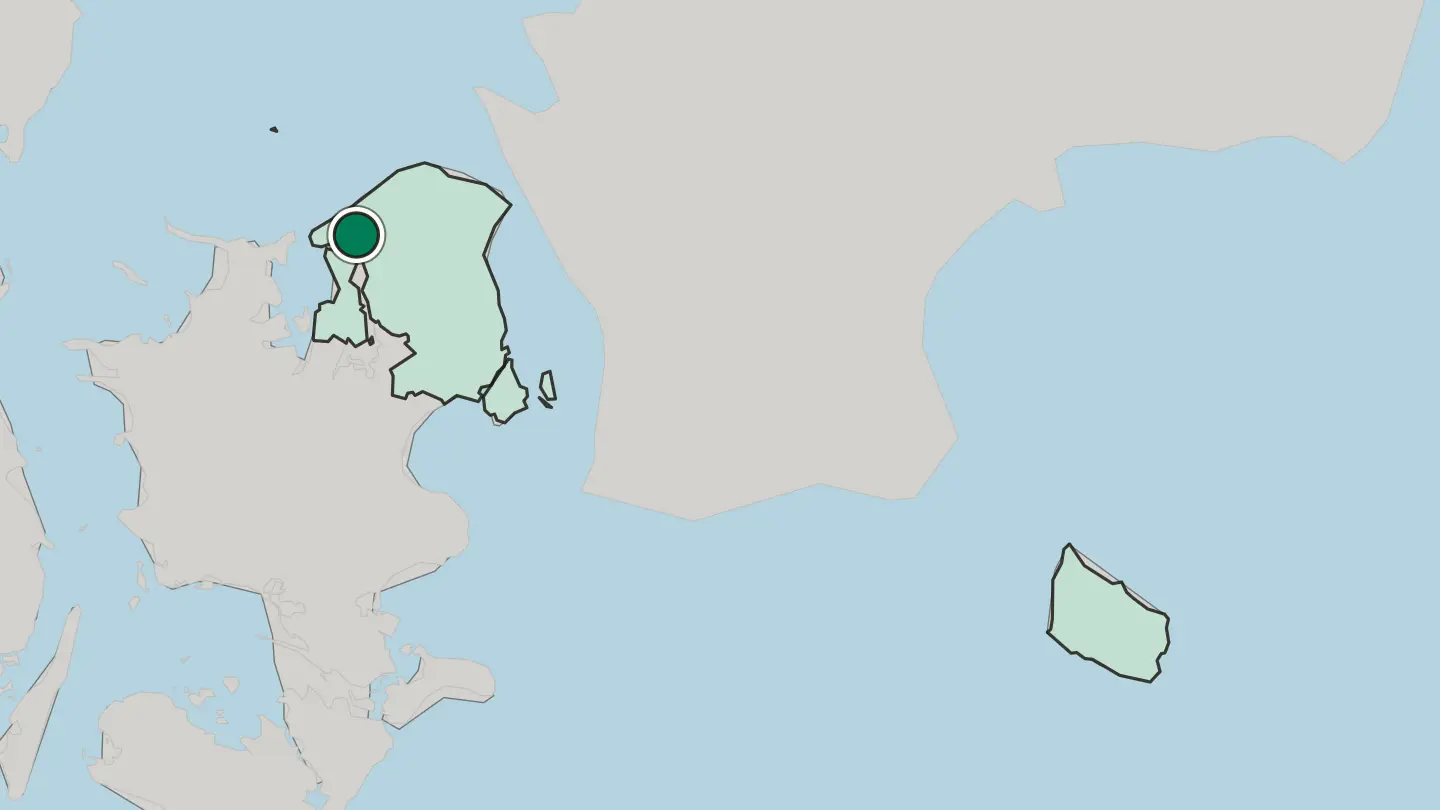
 Denmark
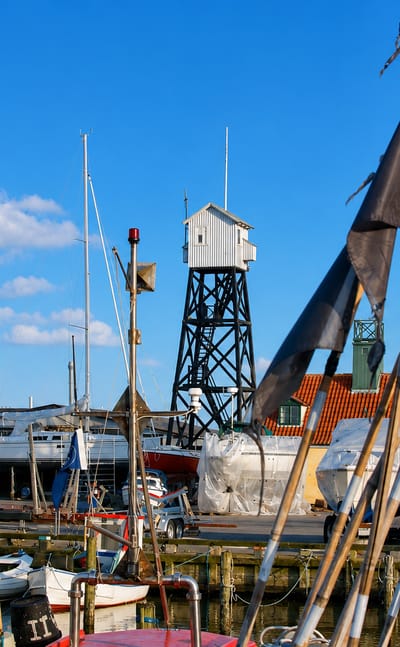
Dragør
Dragør is an old seafaring town near Copenhagen, its harbour ringed by lanes of yellow cottages and a long Dutch heritage.Where to stay →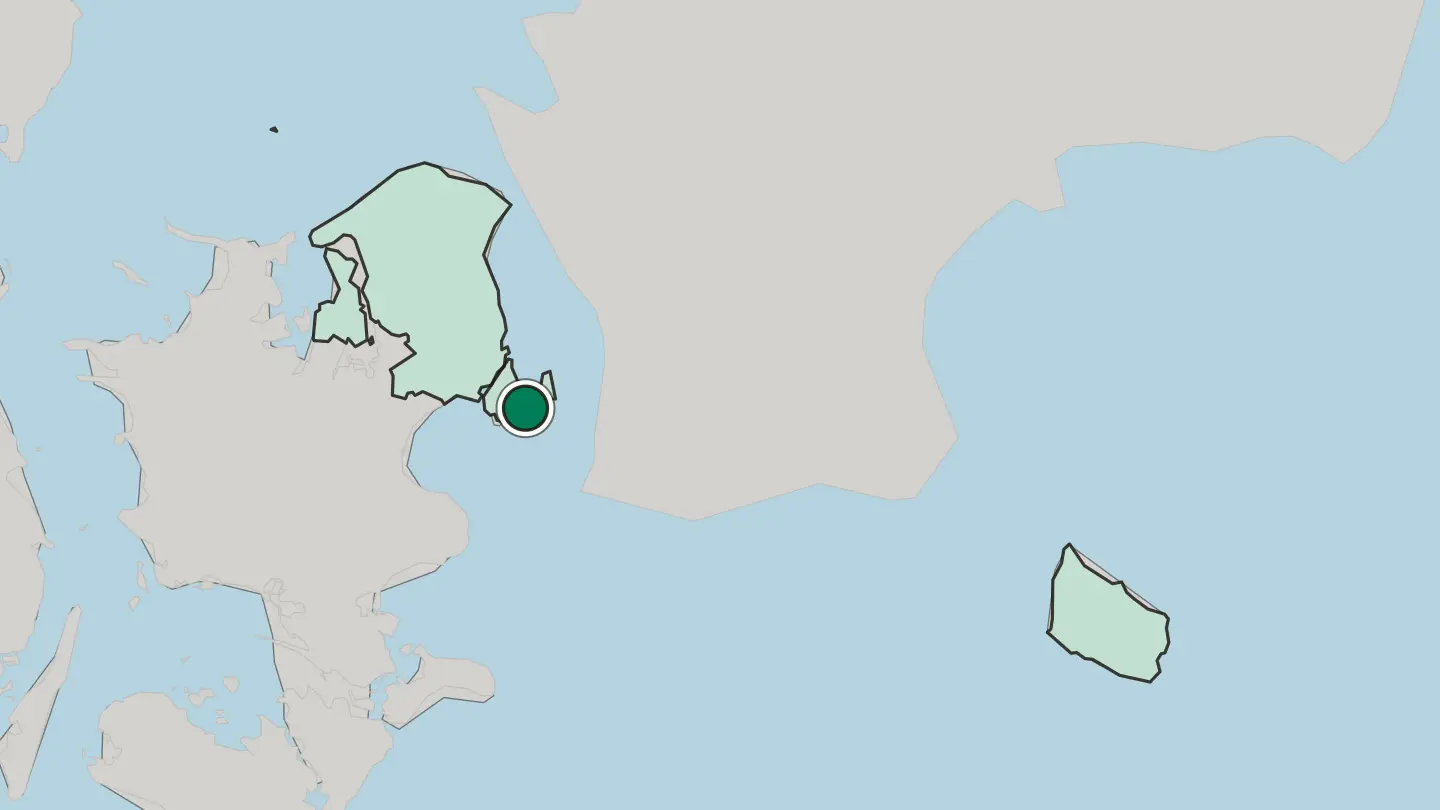
 Denmark
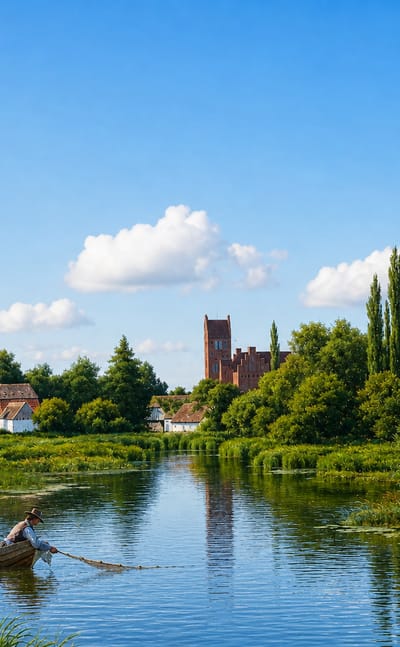
Kongens Lyngby
Kongens Lyngby is a leafy town north of Copenhagen in Lyngby-Taarbæk, rich in museums, lakes and old country houses.Where to stay →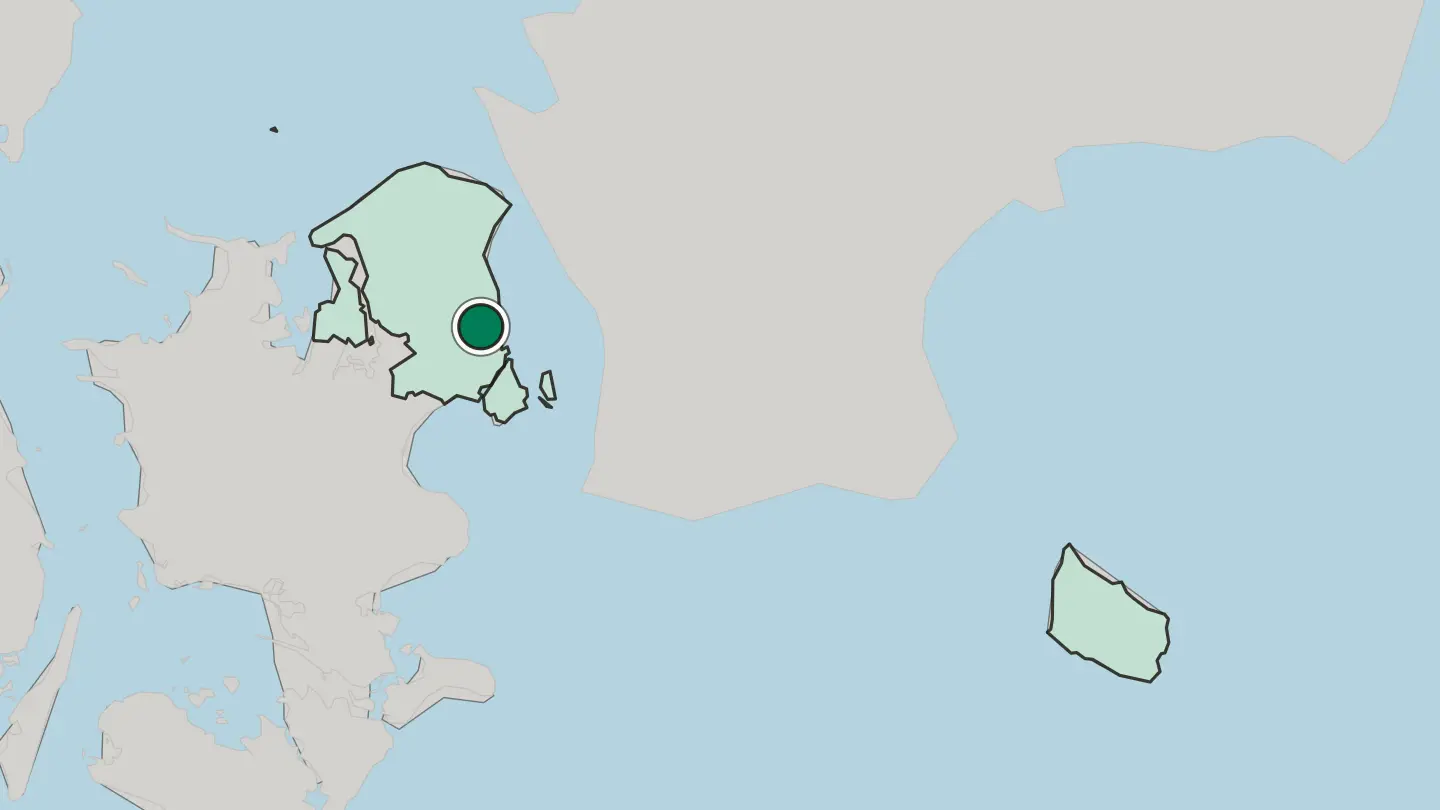
 Denmark
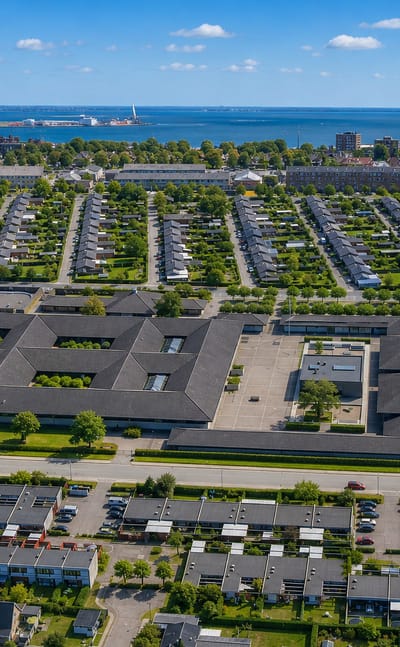
Tårnby
Tårnby is a suburb on Amager just south of Copenhagen, home to the airport and the Den Blå Planet aquarium.Where to stay →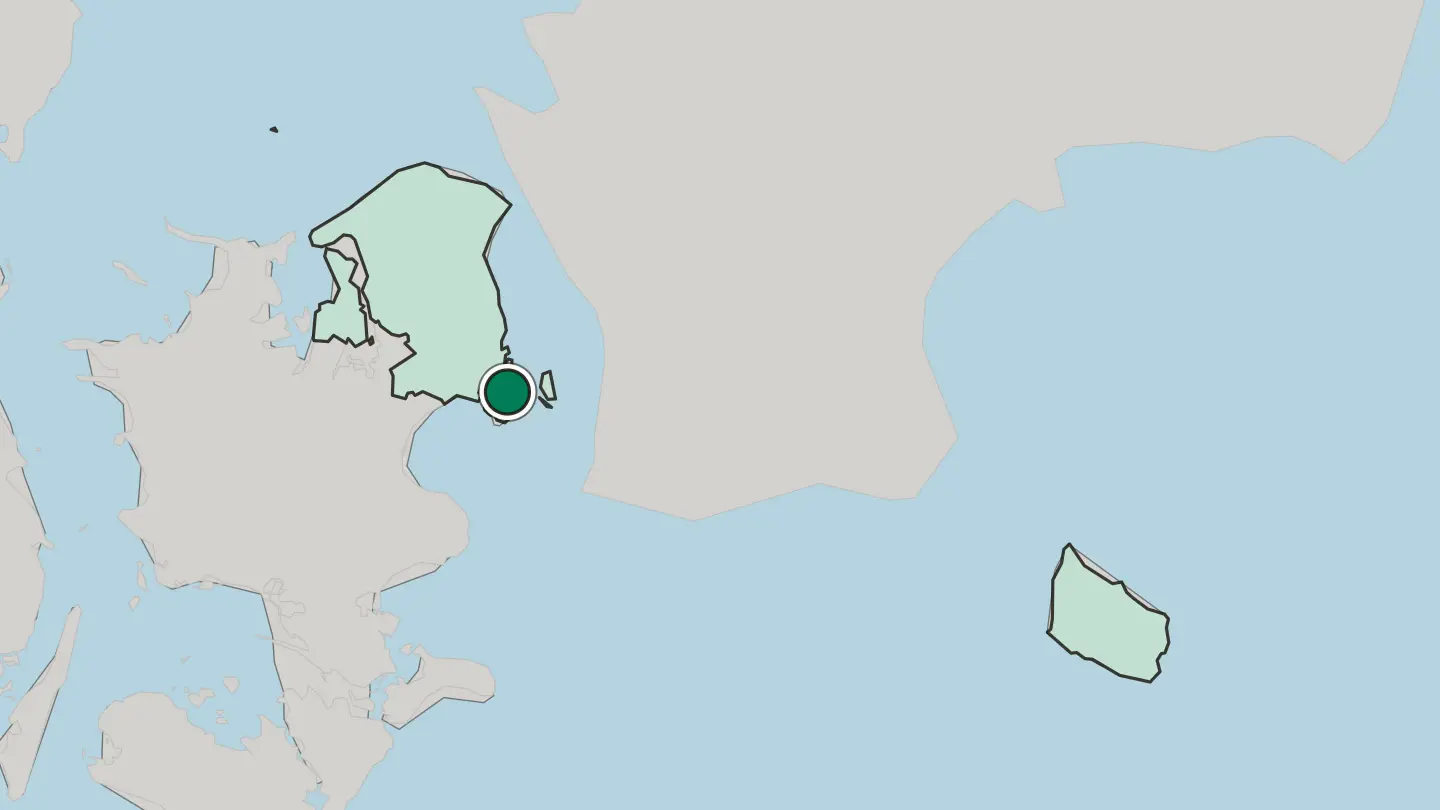
 Denmark
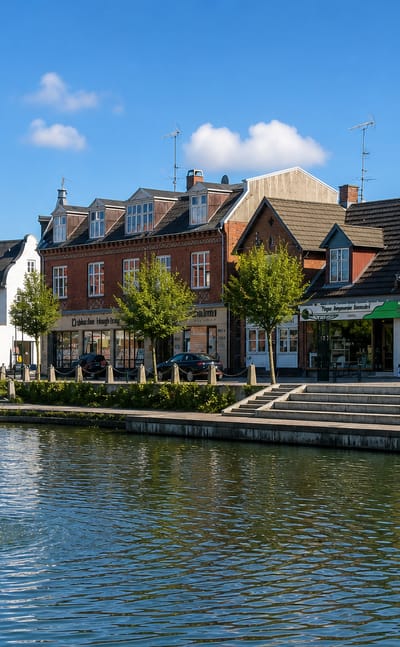
Helsinge
Helsinge is the seat of Gribskov Municipality in eastern Denmark, on the island of Zealand, an inland town in North Zealand.Where to stay →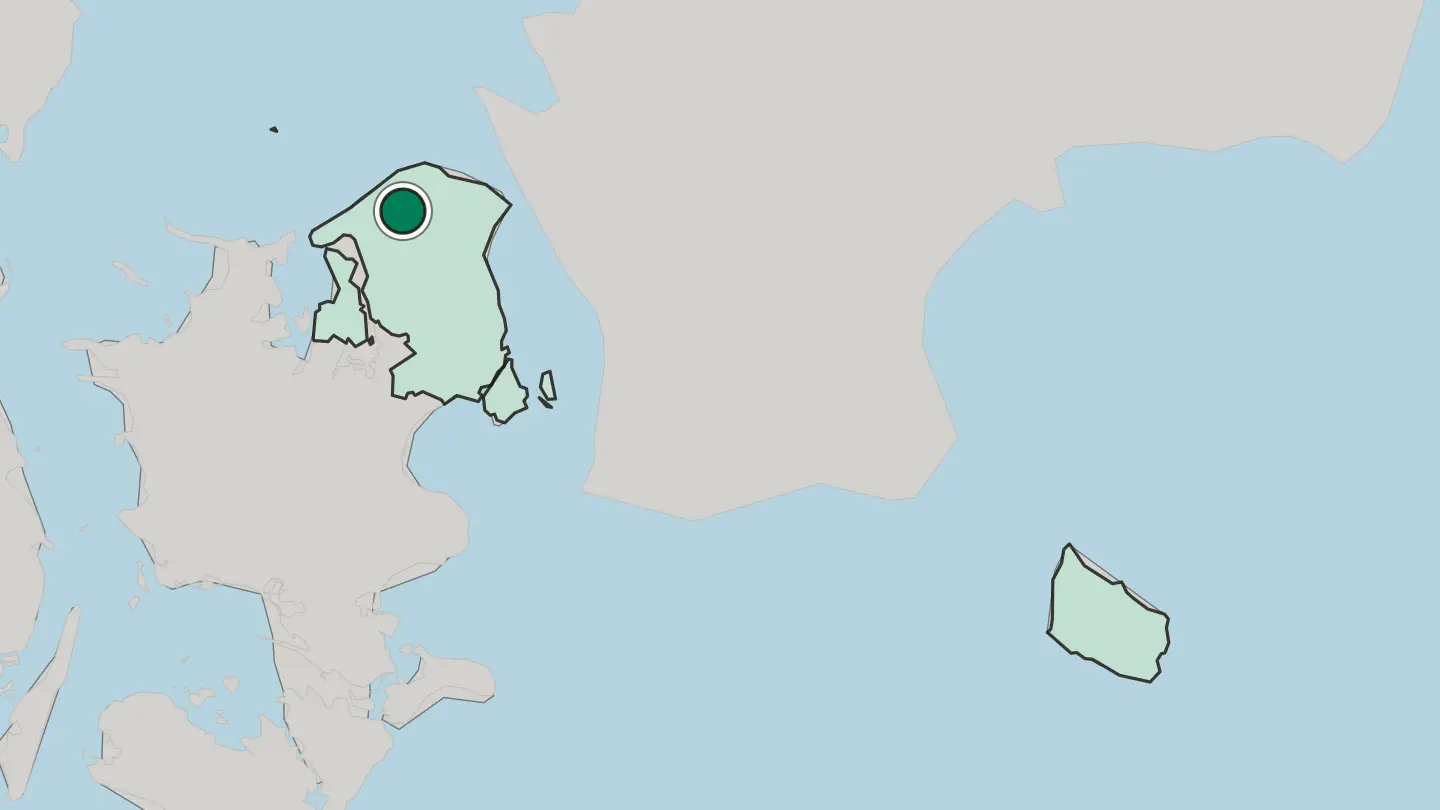
 Denmark
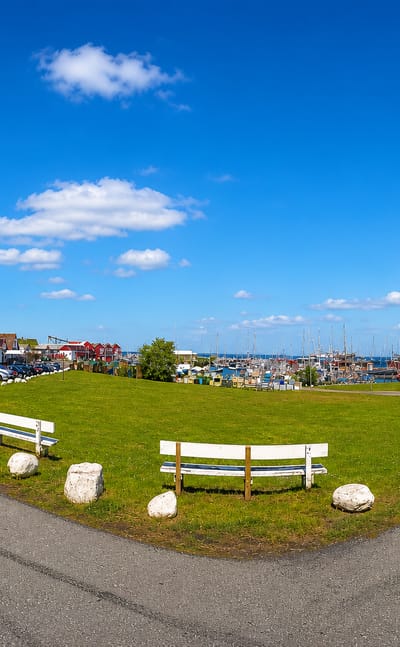
Gilleleje
Gilleleje is a fishing town and seaside resort at the northernmost point of Zealand, in eastern Denmark, in Gribskov Municipality.Where to stay →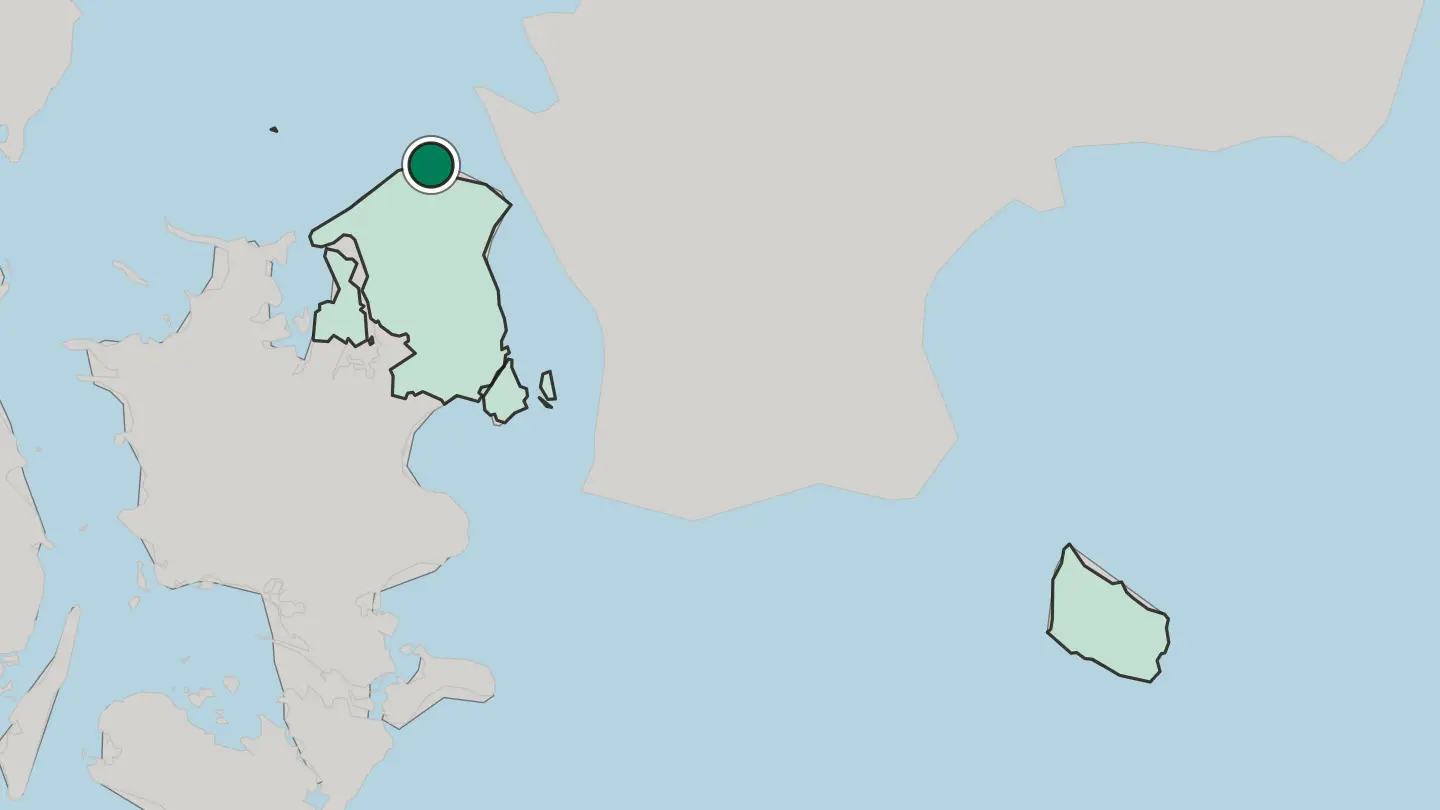
 Denmark
Hornbæk
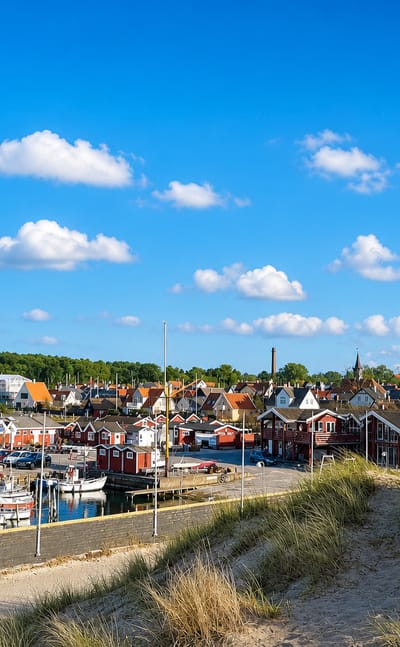
Hornbæk is a town in Helsingør Municipality in eastern Denmark, on the island of Zealand, in the north-east near the castle town of Helsingør.Where to stay →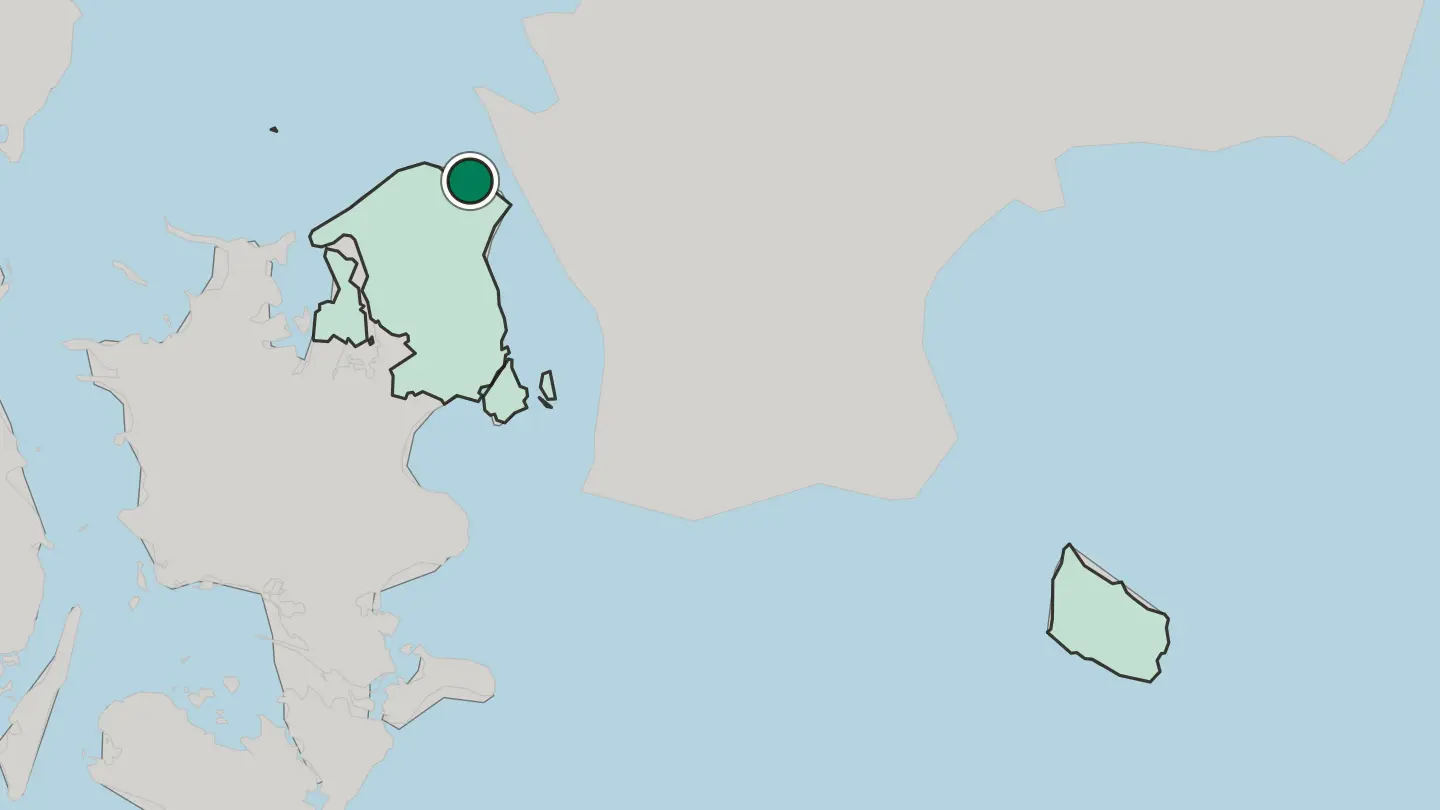
 Denmark
Christiansø
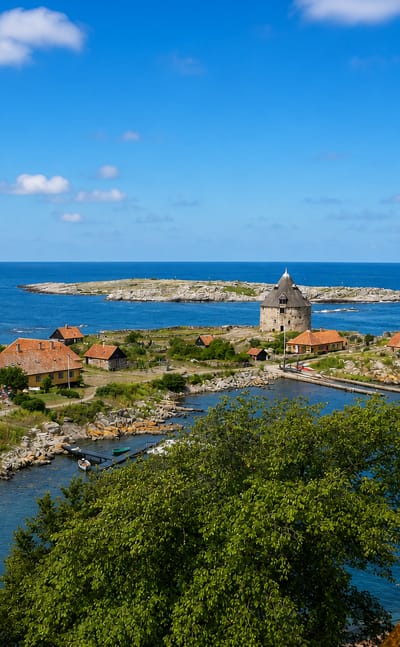
Christiansø is the largest island of the Ertholmene archipelago, in the Baltic Sea north-east of Bornholm in Denmark.Where to stay →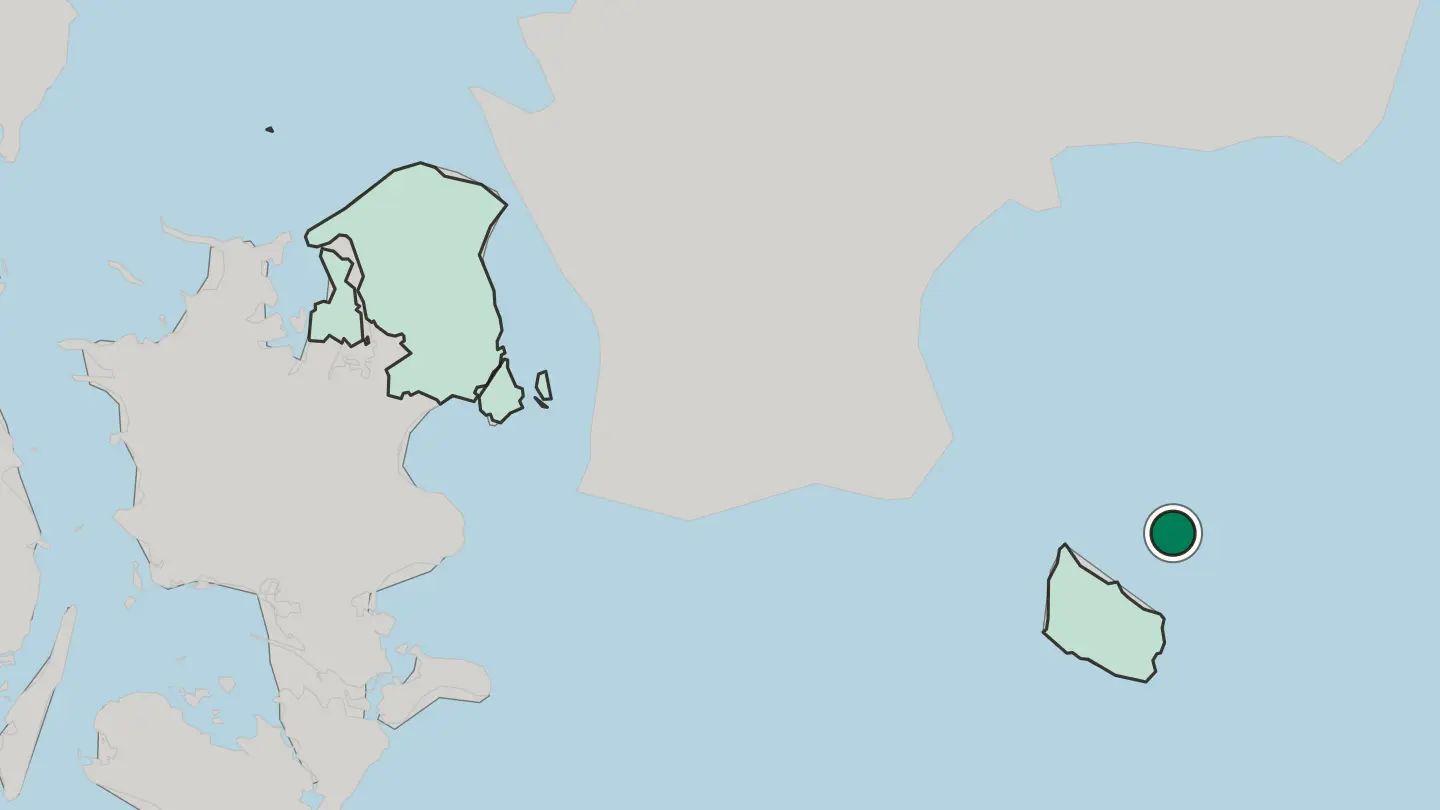
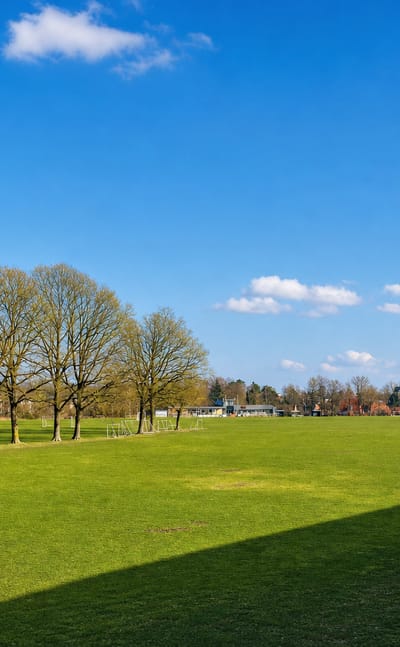 Denmark
Buddinge
Buddinge is a suburb northwest of Copenhagen, in eastern Denmark, on the island of Zealand.Where to stay →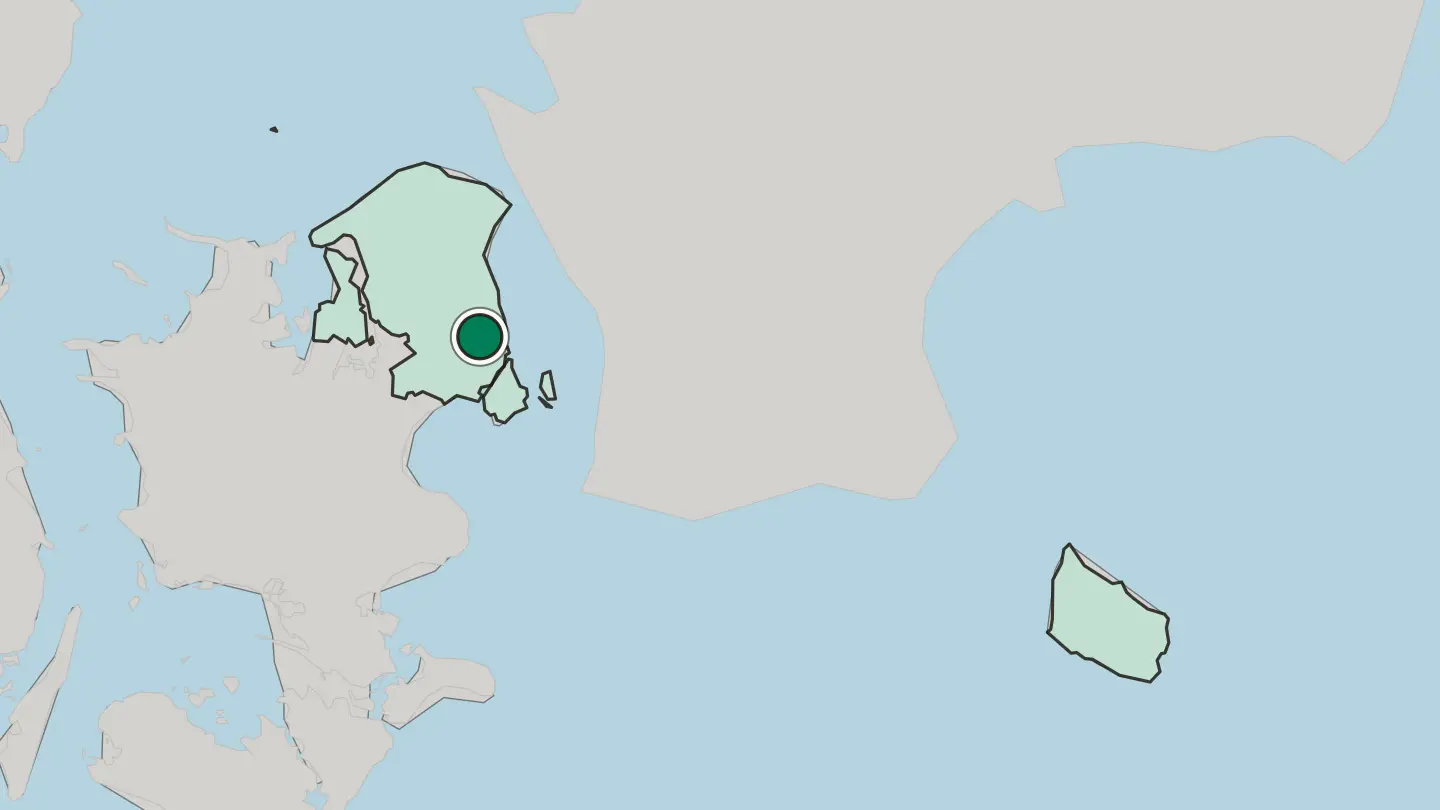
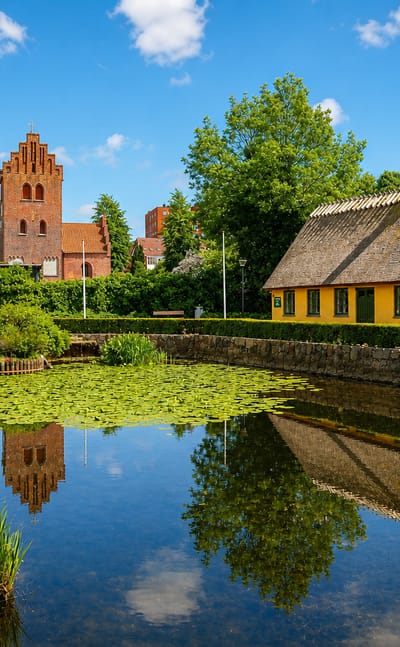 Denmark
Herlev
Herlev is a suburb northwest of Copenhagen, in eastern Denmark, on the island of Zealand.Where to stay →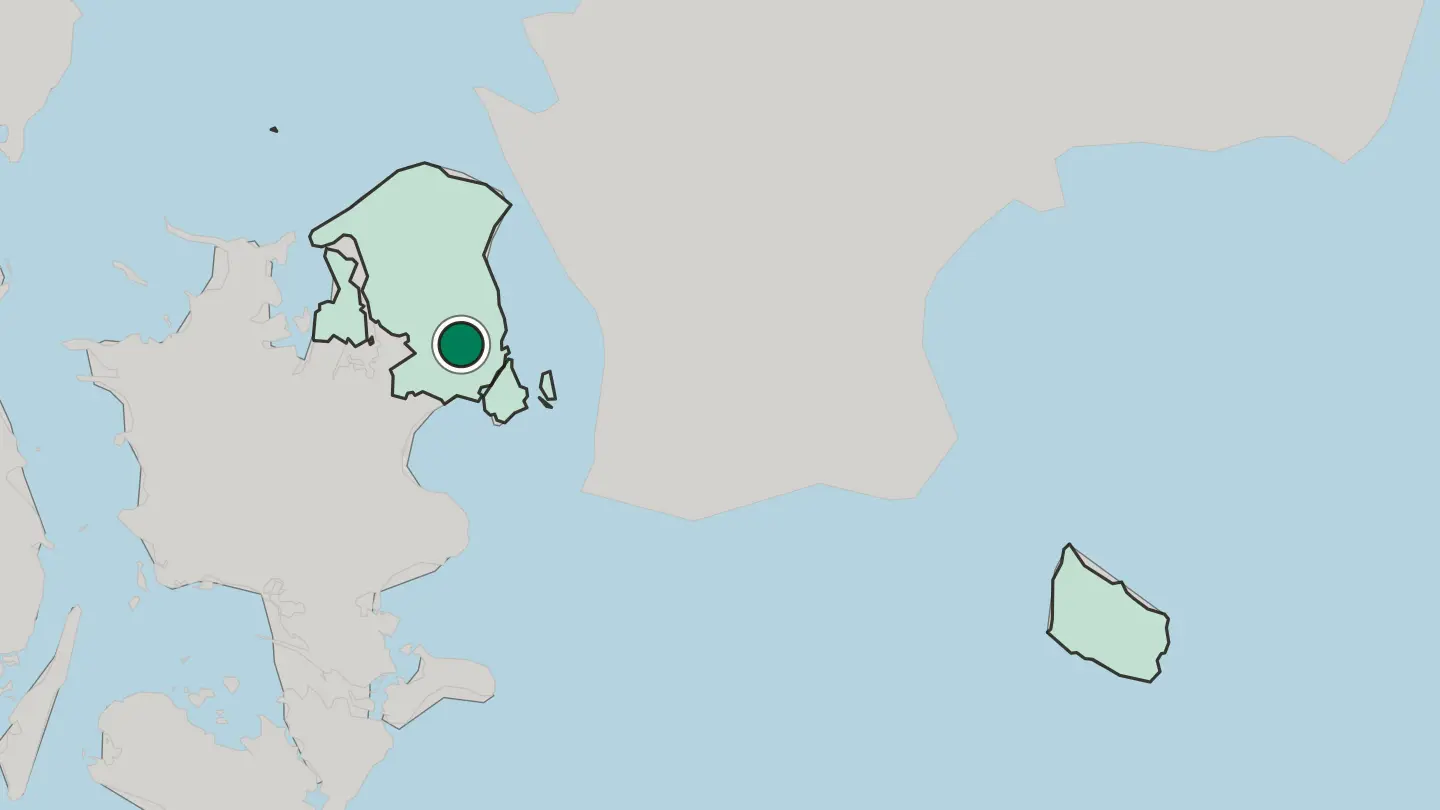
 Denmark
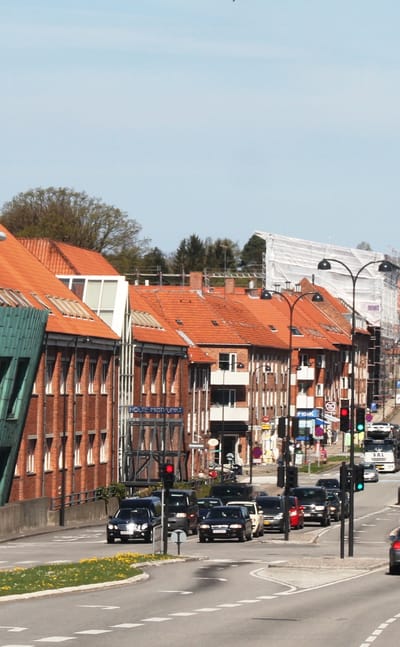
Holte
Holte is a suburban district in Rudersdal Municipality on the northern outskirts of Copenhagen, in eastern Denmark, on the island of Zealand.Where to stay →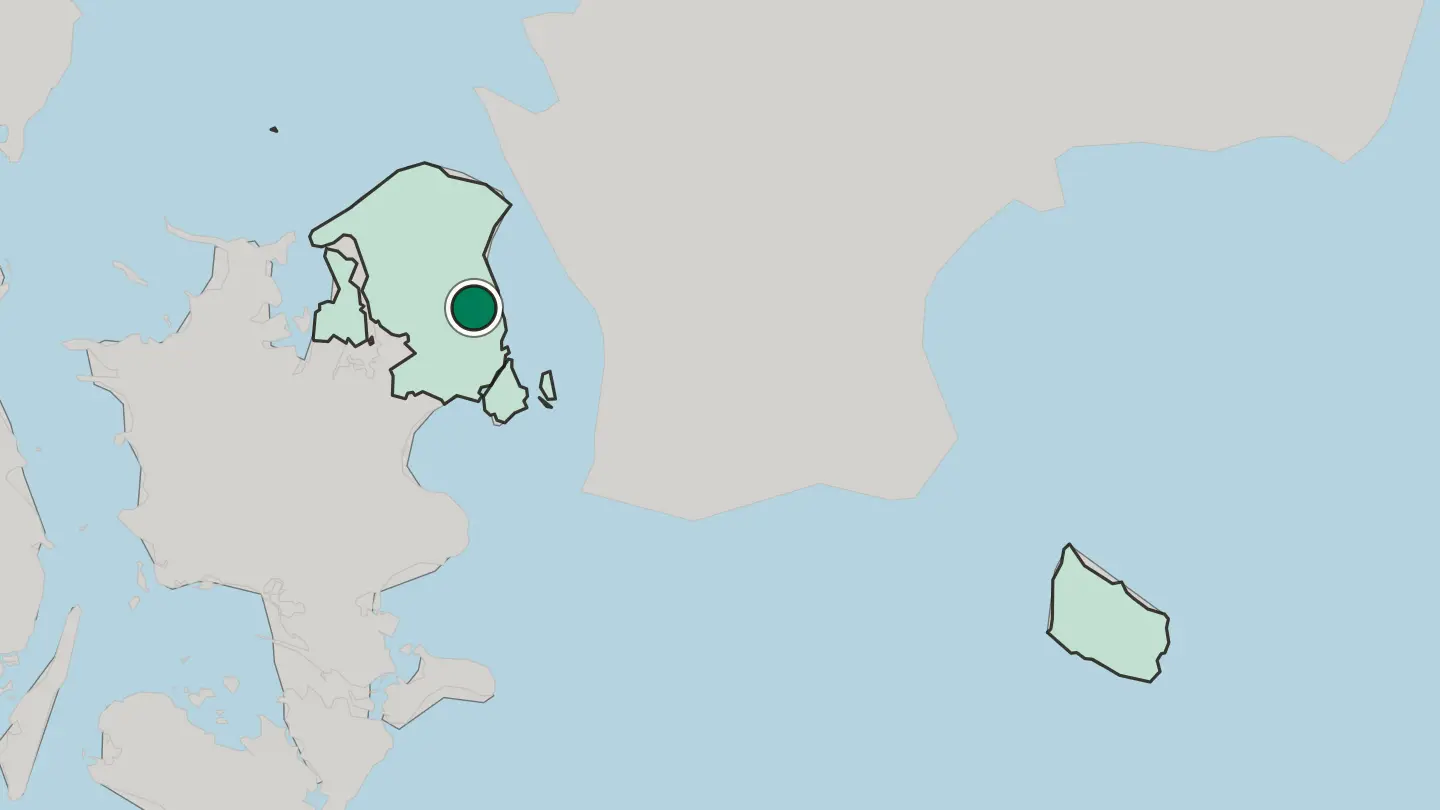
 Denmark
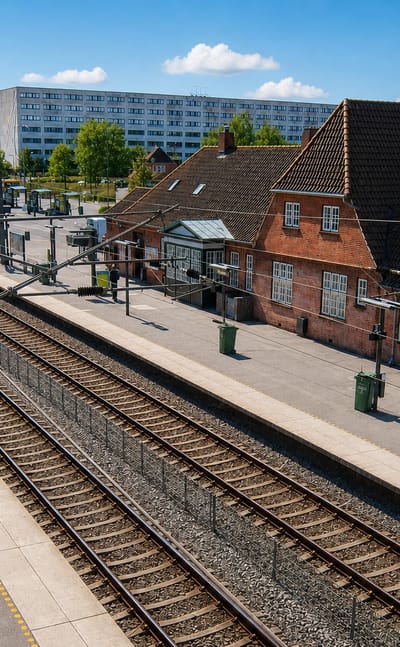
Kokkedal
Kokkedal is a town in eastern Denmark, on the island of Zealand, in the eastern part of the Capital Region of Denmark near Hørsholm and Nivå.Where to stay →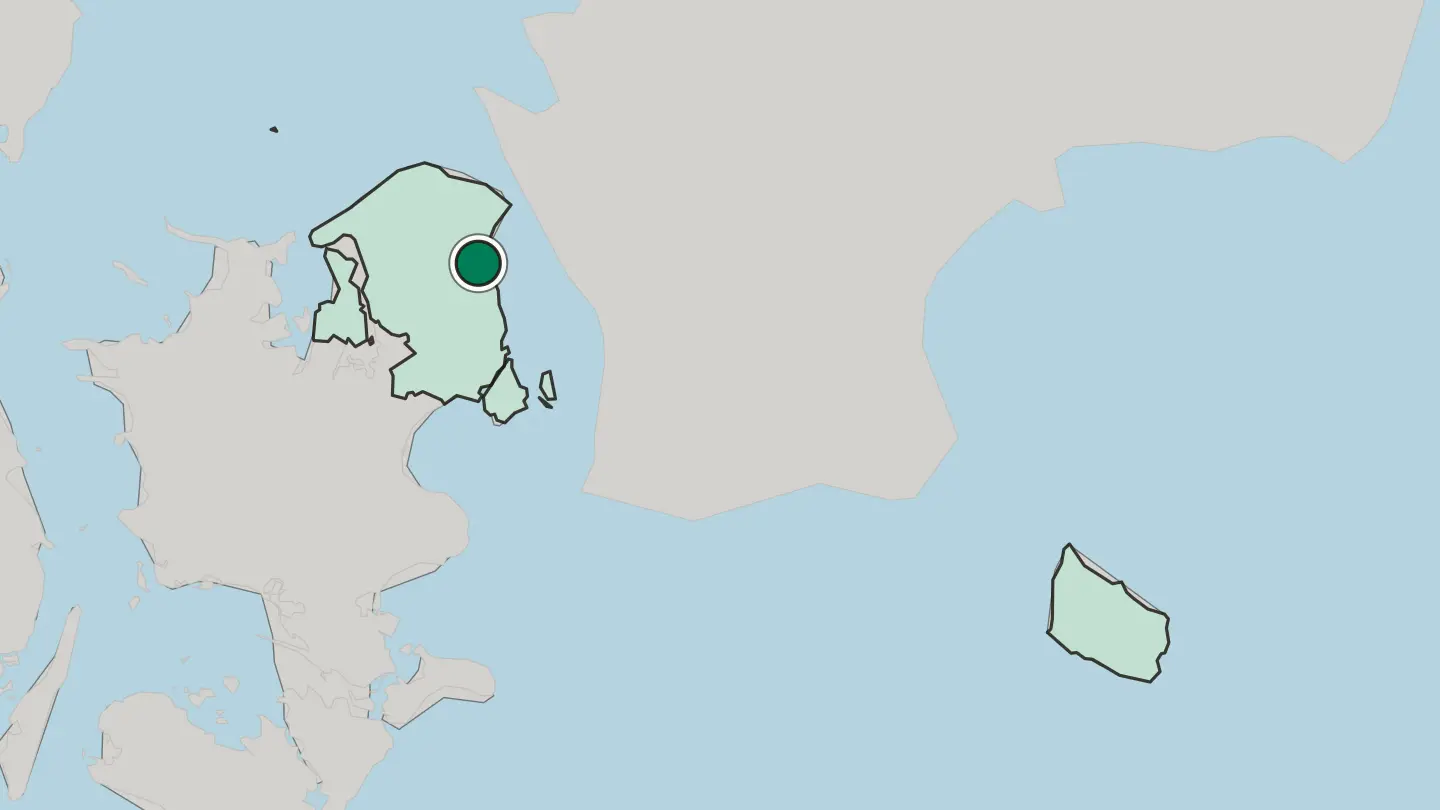
Hotel links are affiliate links: booking through them may earn us a commission, at no extra cost to you. It never affects how places are ranked. How this works
About Region Hovedstaden
This is the region of the capital.
What is Region Hovedstaden known for?
The easternmost part of Denmark gathers Copenhagen and its ring of towns on the island of Zealand, and it is known above all as the country's seat of government, business, and arrival. Beyond the capital it holds the old royal and harbour towns of the north Zealand coast, from the castle town of Hillerød to the sound crossing at Helsingør. It is the most urban corner of the country.
Where is Region Hovedstaden?
The Capital Region of Denmark covers the eastern Denmark corner, the easternmost reach of the country on the island of Zealand. Copenhagen sits at its heart on the sound that divides Denmark from Sweden, and the region spreads inland and north from the capital across a low, settled landscape of farmland, lakes, and woods toward the coast. The land is gentle and low.
Around the capital a dense ring of towns, Frederiksberg, Helsingør, Hillerød, and Frederikssund among them, fills the inner island, while the north Zealand shore looks out across the sound toward the Swedish coast. Water frames the region on almost every side. The sound runs along its eastern edge, the inner Danish straits wash its southern and western shores, and short crossings tie it to the rest of Zealand and beyond.
The capital's harbour opens to the sea. From the dense streets of Copenhagen the country thins quickly into the coastal towns and quiet farm country of north Zealand, making the region a tight blend of metropolis and open island shore within a small span of land.
What is Region Hovedstaden like?
Culture here is the culture of the capital and its hinterland. As the seat of government and the largest concentration of people in Denmark, the region carries the national institutions, the universities, the galleries, and the stages, and the language of daily life is Danish. Copenhagen sets the tone.
Its harbour, squares, and street life draw the country's artists, students, and visitors, while the older towns of north Zealand keep a quieter, royal-tinged character around their castles and harbours. The sound has long shaped how the region looks outward. Helsingør guards the narrow crossing of the sound toward Sweden, a place of castles and ferries that has watched the strait traffic for centuries, and the wider coast carries the same outward-facing, seaward temper.
Inland, Hillerød and Frederikssund hold their own market-town life. Together the capital and its ring of towns make the busiest and most varied ground in the country, where the metropolitan life of Copenhagen sits a short ride from the calm farm coast of the island around it.
What is the history of Region Hovedstaden?
The region itself was drawn in 2007, when Denmark redrew its map and joined the capital with the towns of eastern Zealand into a single administrative region. Its history runs far deeper than its borders. Copenhagen grew from a fishing and trading harbour into the seat of the Danish crown, while Helsingør rose on the narrow sound where the kings once taxed every passing ship, and Hillerød grew up around its great royal castle inland.
These older centres long predate the region. Their castles, harbours, and town churches carry the centuries of royal Denmark that the modern region now gathers under one administration.
What is the climate of Region Hovedstaden?
The Capital Region of Denmark has a mild, temperate maritime climate. The surrounding straits and the open sound hold the weather even, so winters around Copenhagen stay cool and damp rather than deeply cold, and summers run mild and long in daylight. Snow rarely lingers.
The sea breeze off the sound is a steady companion through the year, and the warm months bring the busiest weather on the north Zealand coast, when the shore towns and the capital's waterfront fill with visitors drawn to the water.
How do you get to Region Hovedstaden?
The region is the main gateway into Denmark. The country's busiest airport lies just south of Copenhagen, and fast rail and road links run from the capital out to Helsingør, Hillerød, and Frederikssund across the island of Zealand. Ferries and a bridge cross the sound to Sweden.
From Copenhagen, trains and motorways fan out through the rest of the region and on toward the wider country, while the harbour carries sea traffic to the islands and the Continent.
Common questions
What is the best area to stay in Region Hovedstaden?
Copenhagen: first-timers and transit travellers. North Zealand coast: travellers seeking castles and the sound.
Good for
More regions in Denmark
Updated September 2026