Denmark · North Denmark Region
Where to Stay in Byrum, North Denmark Region
Byrum is the main village of Læsø, an island municipality in northern Denmark off the Jutland peninsula.
Hotel links are affiliate links: booking through them may earn us a commission, at no extra cost to you. It never affects how places are ranked. How this works


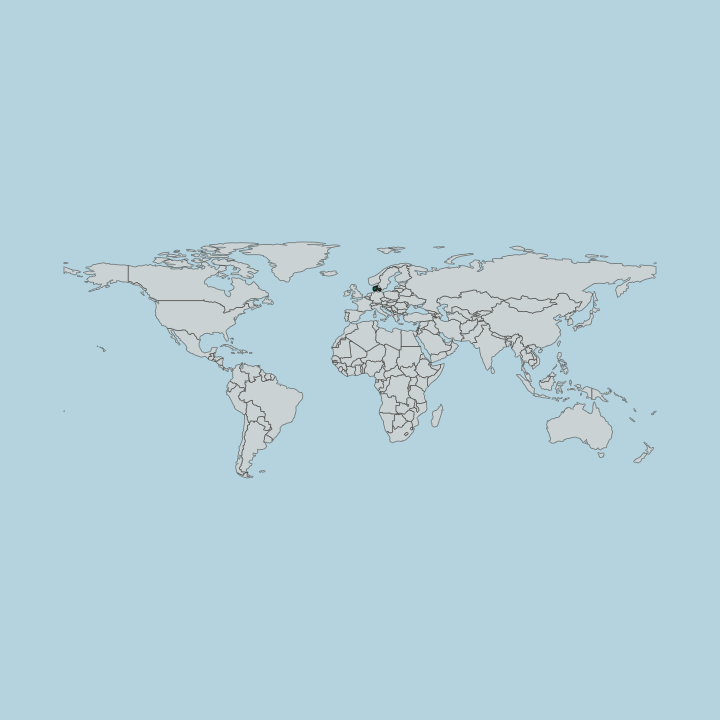
Where to stay in Byrum
Where the beds are, and what that means for the visit.
Byrum sits at the centre of Læsø, and most beds gather around its small grid of streets near Byrum Kirke. Stay here if you want walking distance to the Læsø Museum and a base for day trips out to the salt huts. The pace is slow, the distances short.
The harbour village of Vesterø lies on the western shore, where the ferry from the Jutland peninsula docks and Vesterø Søndre Kirke marks the old fishing settlement. Østerby, with its own Østerby Kirke, holds the eastern fishing fleet and the quietest lodgings of the three. Choosing between them comes down to one question. Do you want the ferry at your door, the working harbour, or the island's hub? Beds on Læsø are few, and the island fills in the warm months, so book early whichever shore you pick.
Find hotels in Byrum
Direct booking searches for these neighbourhoods.
Byrum
Central village walking distance to the Læsø Museum, a base for the salt huts. Beds are limited here, so book early.Find hotels in ByrumFerry-side stays by Vesterø Søndre KirkeVesterø
Western harbour where the Jutland ferry docks beside Vesterø Søndre Kirke. Lodging is scarce in this area; reserve in advance.Find hotels in VesterøQuiet eastern harbour around Østerby KirkeØsterby
Eastern fishing village around Østerby Kirke, the calmest of Læsø's three settlements. Lodging is scarce in this area; reserve in advance.Find hotels in ØsterbyHotel links are affiliate links: booking through them may earn us a commission, at no extra cost to you. It never affects how places are ranked. How this works
Things to do in Byrum
Ranked by global recognition; descriptions from Wikidata (CC0).
Museums & Galleries
3- Læsø Kunsthal
- Læsø Museum
- Museumsgården
Churches & Religious Sites
3- Vesterø Church church building in Læsø Municipality
- Byrum Church
- Østerby Church
Landmarks & Notable Places
1- Kanderede
worth knowingacross 3 categories in Byrum
About Byrum
Salt made Læsø.
What is Byrum known for?
The Læsø Saltsyderi still boils brine in low turf-roofed huts, the craft that once paid for the island's churches and farms. Byrum Kirke anchors the village, and the Læsø Museum keeps the story of a place shaped by sea and salt.
What are the main landmarks in Byrum?
Læsøtårnet rises over the flat island as its lookout point. Down in the village, the Læsø Kunsthal shows contemporary work, while Museumsgården preserves a seaweed-roofed farmstead of the old island type with the eelgrass roofing once forced on islanders when the salt boilers had stripped away every tree. Stone remembers too.
Two ancient monuments, Læsøstenen and Vesterø, survive as protected sites from a far older Læsø.
What is the history of Byrum?
Salt built and nearly unmade Byrum. From the medieval centuries the islanders boiled seawater into salt, and the trade enriched Læsø enough to raise stone churches like Byrum Kirke at its heart. But the boiling devoured the island's wood.
Forests fell to feed the salt pans until the bare ground blew into drifting sand, and the Crown shut the salters down. The islanders turned to the sea instead. Fishing and seafaring carried Læsø through the lean centuries, and the women roofed their farms with eelgrass when timber ran short, the technique still seen at Museumsgården.
The Læsø Saltsyderi later revived the old craft as a living demonstration, and the Læsø Museum gathers the long account of a community that lived by what the Jutland-side waters gave and took away.
Where is Byrum?
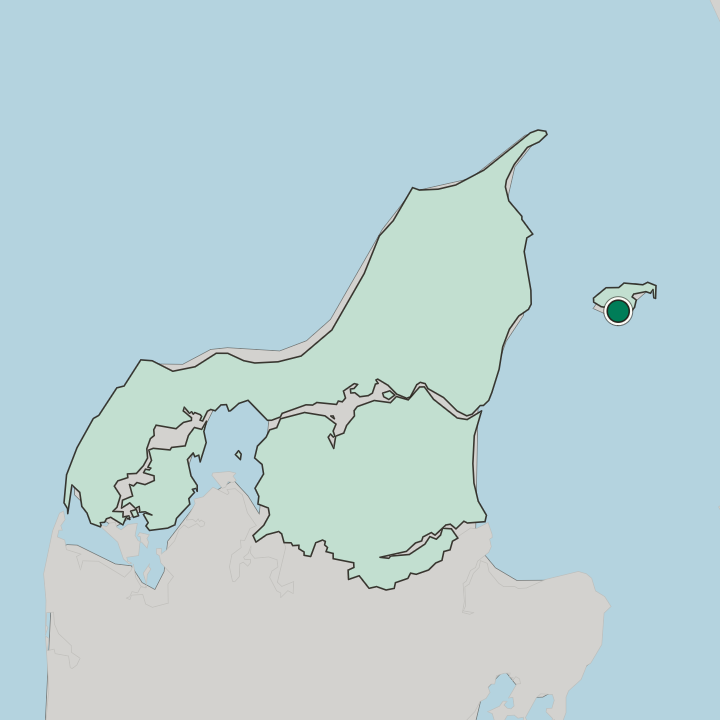
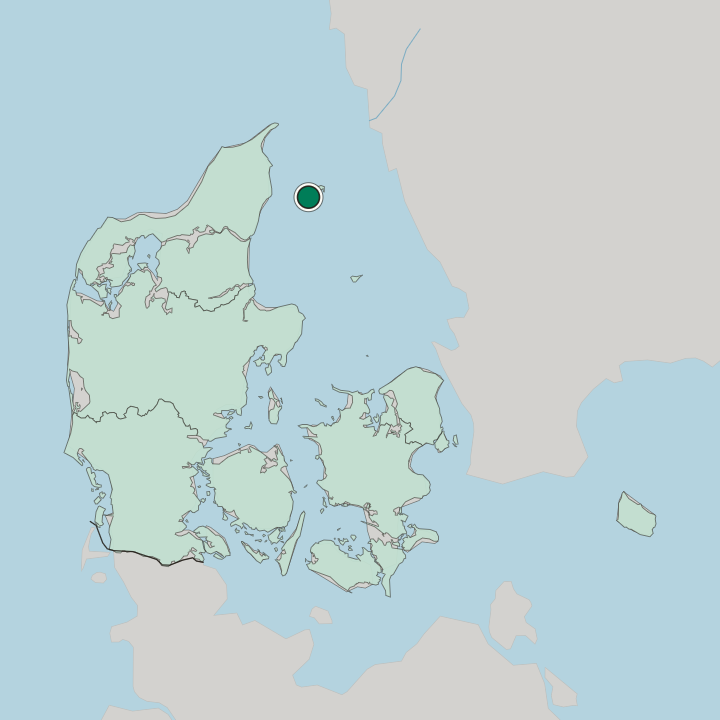
Byrum lies at the middle of Læsø, a low, sandy island set in the eastern part of North Denmark Region, off the Jutland peninsula. Læsø rises barely above the sea around Byrum. Heath, salt meadow and old dune ring the village, and the three settlements of Byrum, Vesterø and Østerby divide the island between them, none far from the shore.
What is the climate of Byrum?
The sea sets the weather. Læsø has a mild maritime climate, tempered on every side by surrounding water that keeps winters grey and damp rather than hard and holds frost off longer than on the Jutland peninsula across the strait. The summer stays cool, with a steady island breeze.
They draw walkers out across the island's open heath.
How do you get to Byrum?
Reaching Byrum means crossing water. The car ferry from the Jutland peninsula lands at Vesterø on the western shore, and from there a short island road runs inland to the village. There is no railway and no bridge.
Læsø keeps the rhythm of the boat.
Common questions
What is the best area to stay in Byrum?
Byrum: Island hub beside Byrum Kirke and the Læsø Museum. Vesterø: Ferry-side stays by Vesterø Søndre Kirke. Østerby: Quiet eastern harbour around Østerby Kirke.
Good for
More cities in North Denmark Region
Updated October 2026