Spain · Catalunya
Where to Stay in Badalona, Catalunya
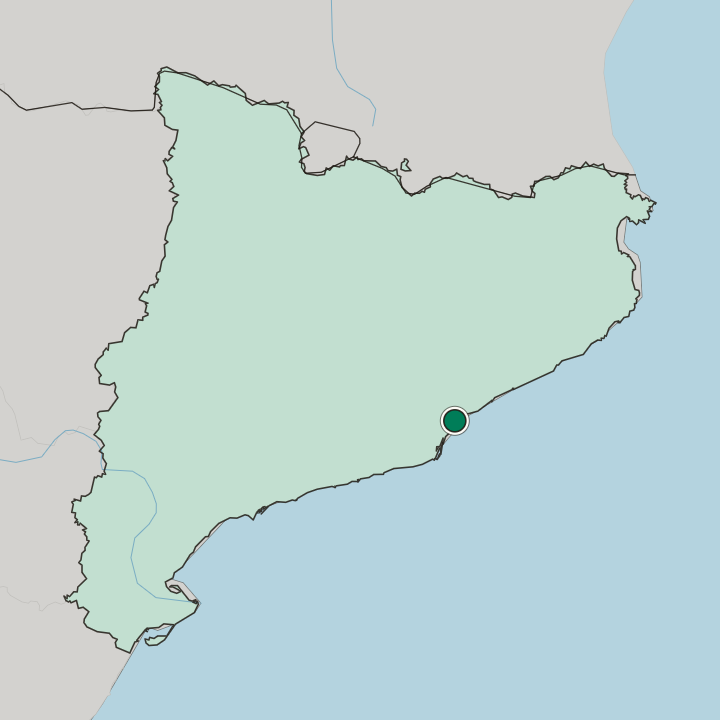
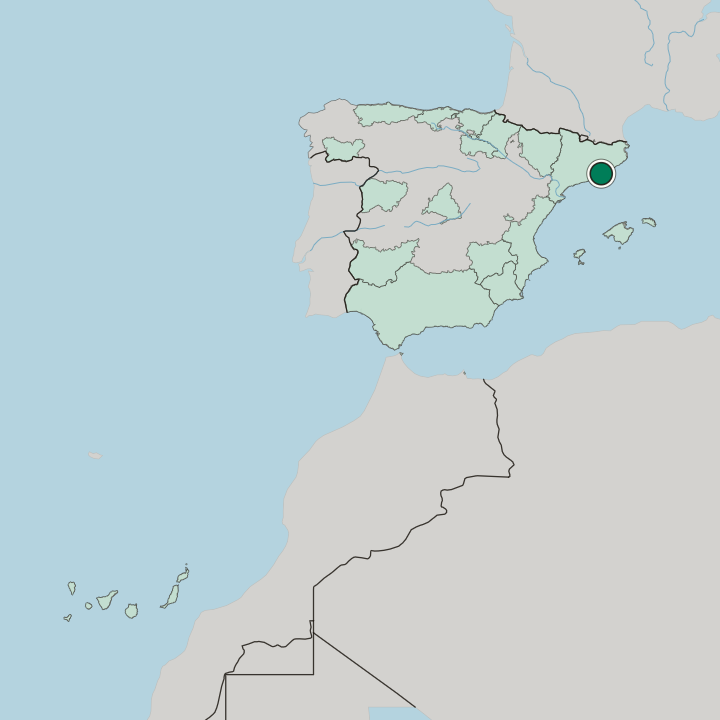
Badalona faces the Mediterranean north east of Barcelona, fourth-largest city in Catalonia, raised to city status in 1897.
Hotel links are affiliate links: booking through them may earn us a commission, at no extra cost to you. It never affects how places are ranked. How this works


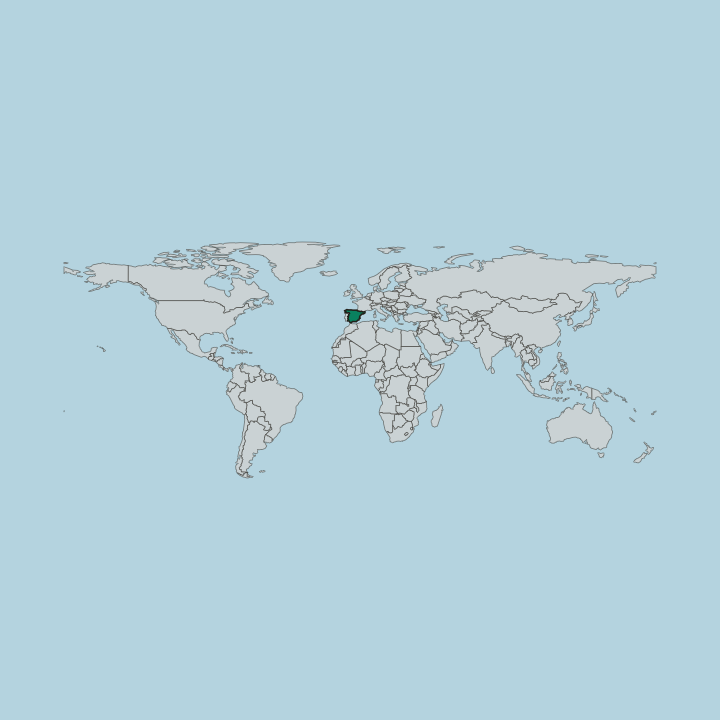
Where to stay in Badalona
How the choice of base plays out on the ground.
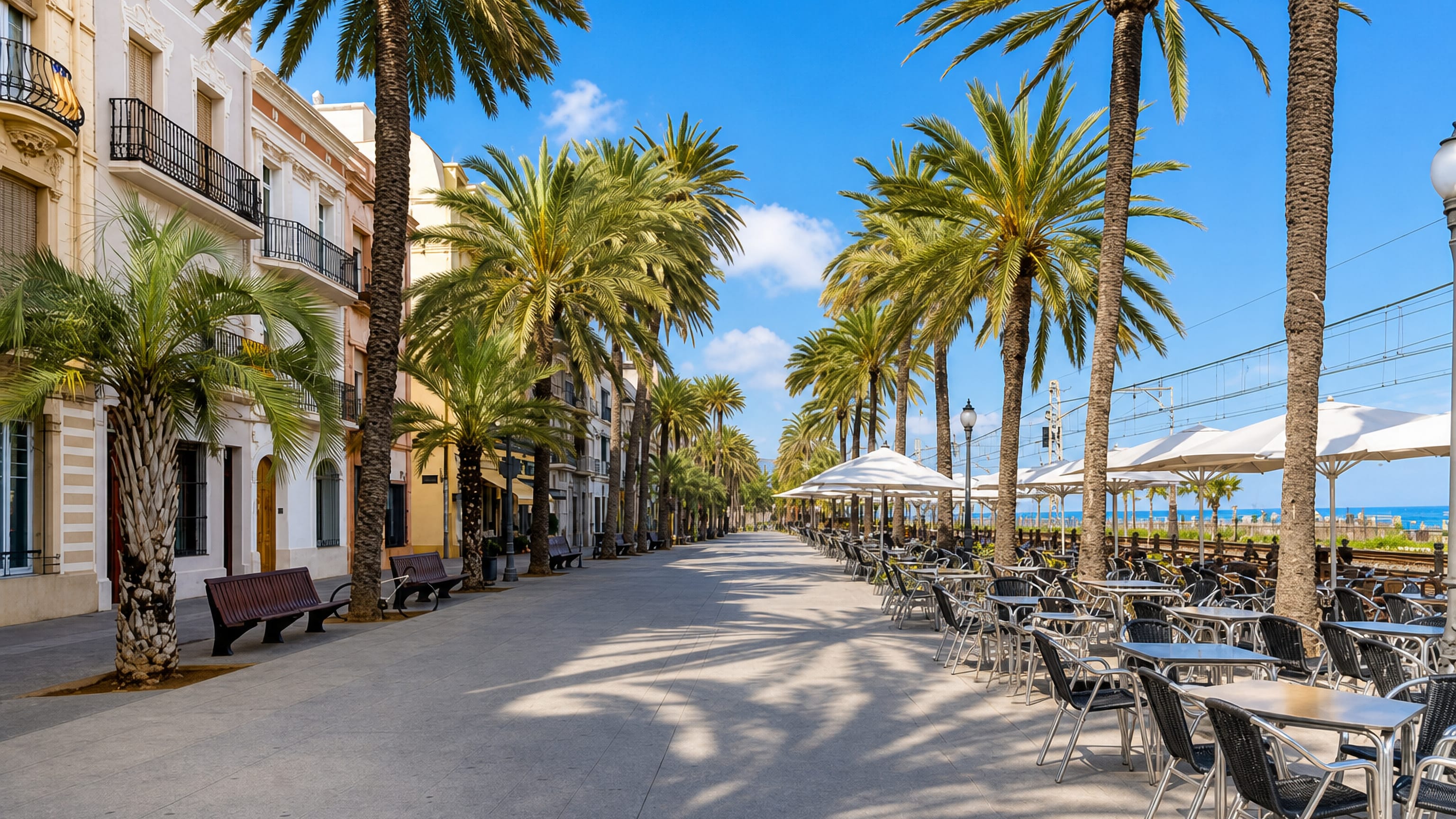
The beach decides most bookings. Badalona runs along the Mediterranean for the length of the municipality, and rooms near the front trade the noise of the old core for a short walk down to the water. Inland is the Roman half.
Around the Badalona Museum and the Balldovina Tower Museum the streets tighten, the shops are the everyday kind, and the excavated remains of Baetulo sit beneath the pavement rather than out at the edge of town. The Torre Mena, Casa Agustí and Casa de l'Heura are among the older houses kept in the built-up streets. Both halves are walkable.
The Besòs edge is different again. Port Fòrum Sant Adrià puts moorings and open ground within reach at the mouth of the Besòs, with Sant Adrià and Santa Coloma de Gramenet close on that side. Sport pulls its own crowd.
Anyone in the city for a game at the Pavelló Club Joventut Badalona or the Badalona municipal stadium will want to be near Màgic Badalona rather than the shore. Barcelona is the fallback. Beds there are far more numerous, and Badalona sits close enough inside the Barcelona metropolitan area that the swap costs a traveller little beyond the ride.
Find hotels in Badalona
Direct booking searches for these neighbourhoods.
The Badalona seafront
The stretch of Badalona lying between the shoreline and the older streets behind itFind hotels in The Badalona seafrontStays built around the Badalona Museum and the Roman excavationsThe Baetulo core
The tight older streets of Badalona where the Balldovina Tower Museum and the remains of Baetulo sit togetherFind hotels in The Baetulo coreFans booked in for a game at the Pavelló Club Joventut BadalonaThe Màgic Badalona side
The part of Badalona built around Màgic Badalona and the Badalona municipal stadiumFind hotels in The Màgic Badalona sideTravellers who want the wider metropolitan choice of roomsBarcelona
The neighbouring city whose beds outnumber anything on the Besòs side of the Barcelona metropolitan areaFind hotels in BarcelonaHotel links are affiliate links: booking through them may earn us a commission, at no extra cost to you. It never affects how places are ranked. How this works
Things to do in Badalona
Ranked by global recognition; descriptions from Wikidata (CC0).
Museums & Galleries
1- Badalona Museum
Castles & Historic Sites
2- Baetulo Heritage
- Casa de l'Heura Heritage
Stadiums & Sports
3- Ciutat Esportiva Dani Jarque
- Badalona municipal stadiun
- Pavelló Club Joventut Badalona
Landmarks & Notable Places
5- Torre Mena Heritage
- Casa Agustí Heritage
- Casa Miquel Badia Heritage
- Can Busquets Heritage
- Casa Enric Mir i Carreras Heritage
worth knowingacross 4 categories in Badalona
About Badalona
Roman Baetulo lies underneath.
What is Badalona known for?
Badalona began as a Roman town, and the Badalona Museum covers the excavated streets while the Balldovina Tower Museum stands alongside it, which makes the archaeology the first thing many visitors come for. Basketball is the second. The Pavelló Club Joventut Badalona and the Badalona municipal stadium give the city a sporting profile out of proportion to its size, and Màgic Badalona sits with them.
What are the main landmarks in Badalona?
Baetulo is the headline. The Badalona Museum takes visitors down into the Roman remains, and the Balldovina Tower Museum and the History of Immigration in Catalonia Museum hold the rest of the city's collections above ground. Sport has its own monuments.
The Pavelló Club Joventut Badalona, the Badalona municipal stadium and the Ciutat Esportiva Dani Jarque draw crowds that the Torre Mena, Casa Agustí and Casa Miquel Badia never will, while Parròquia de Sant Pacià and Can Guardiola keep the older fabric.
What is the history of Badalona?
Rome laid the first street plan. Baetulo was established on this coast, and what survives of it is held by the Badalona Museum together with the rest of the city's Roman record. The Zona arqueològica de la Sagrera marks another dig nearby.
Medieval and early modern Badalona left the Balldovina Tower Museum and a scatter of farmhouses, Can Busquets, Can Met, Can Muntlló and Can Pedragosa among them, that the modern city grew around instead of clearing. The nineteenth century turned Badalona industrial. Work drew newcomers in numbers large enough that the city keeps a museum for the subject, the History of Immigration in Catalonia Museum, and the story it tells runs through the tenement streets as much as through the factories.
City status came in 1897. Houses of that period survive as Casa Agustí, Casa Miquel Badia, Casa de l'Heura and Casa Enric Mir i Carreras, while Torre Mena carries the name of a whole quarter. Barcelona changed the scale.
Badalona sits inside the Barcelona metropolitan area with Sant Adrià, Santa Coloma de Gramenet, Sant Andreu de Palomar and Sant Martí de Provençals along the same stretch of coast, and the fourth-largest city in Catalonia reads as one piece of a much larger built-up whole.
Where is Badalona?
Just over 21 square kilometres run down to the water. Badalona lies north east of Barcelona on the left bank of the Besòs, with the Mediterranean along one whole side of the municipality and the built-up ground of the Barcelona metropolitan area on every other. Neighbours crowd in.
Santa Coloma de Gramenet and Sant Adrià lie close on the landward side, and Port Fòrum Sant Adrià marks the far end of the shore.
What is the climate of Badalona?
The Mediterranean does the regulating. Sea air keeps Badalona's winters short of severe and holds the summer heat at a level the coast can live with, which is why the shoreline stays usable for much of the year. Humidity is the trade-off.
Inland at the Besòs the air feels heavier than it does on the shore, and shade around the Badalona Museum is worth the detour on a hot afternoon.
How do you get to Badalona?
Barcelona is the way in. Trains and roads out of the city run along the coast into Badalona without leaving the built-up ground of the Barcelona metropolitan area at any point. Arrivals by water are possible too.
Port Fòrum Sant Adrià sits at the Besòs end of the shoreline, and from either direction the Badalona Museum makes an obvious first stop.
Common questions
What is the best area to stay in Badalona?
The Badalona seafront: Mornings that start on the Mediterranean sand. The Baetulo core: Stays built around the Badalona Museum and the Roman excavations. The Màgic Badalona side: Fans booked in for a game at the Pavelló Club Joventut Badalona. Barcelona: Travellers who want the wider metropolitan choice of rooms.
Good for
More cities in Catalunya
Updated October 2026