Spain · Catalunya
Where to Stay in Reus, Catalunya
Reus, capital of Baix Camp in the Camp de Tarragona, is the birthplace of Antoni Gaudí and an old wine and spirits town.
Hotel links are affiliate links: booking through them may earn us a commission, at no extra cost to you. It never affects how places are ranked. How this works


Where to stay in Reus
Where visitors usually base themselves, and why.
The centre carries the architecture. Casa Navàs, Casa Rull, Casa Gasull and Casa Pinyol stand within a short walk of the Església Prioral de Sant Pere de Reus, so a room in the old streets puts the whole modernista circuit within reach on foot. That is where most beds are.
Museu Comarcal Salvador Vilaseca and the Museo de Arte e Historia de Reus sit close by as well, which keeps a wet day inside the same few blocks. Sport takes the edges. Estadi Municipal de Reus and the Reus Olympic Pavilion occupy ground away from the centre, and the rock-climbing that brings people to Baix Camp happens outside the municipality altogether, so a car changes what a bed on that side is worth.
Pilgrim traffic has its own address. The Santuari de la Mare de Déu de Misericòrdia stands apart from the town, with the Santuari del Roser and Santa Anna filling in the rest of the devotional map across some 52.8 square kilometres. Camp de Tarragona spreads out beyond that.
Wine and spirits country runs through the comarca around Reus, which is the argument for a base with wheels rather than one in the middle of the shops.
Find hotels in Reus
Direct booking searches for these neighbourhoods.
The modernista streets
Casa Navàs, Casa Rull and Casa Gasull stand within a few streets of the Església Prioral de Sant Pere de Reus.Find hotels in The modernista streetsWet days between the Salvador Vilaseca and Arte e Historia collectionsThe museum block
The Museu Comarcal Salvador Vilaseca and the Museo de Arte e Historia de Reus sit close together in the middle of the town.Find hotels in The museum blockDrivers heading for the climbing country of Baix CampOut towards Misericòrdia
The Santuari de la Mare de Déu de Misericòrdia stands outside the built-up town on the open side of the municipality. Lodging is scarce in this area; reserve in advance.Find hotels in Out towards MisericòrdiaHotel links are affiliate links: booking through them may earn us a commission, at no extra cost to you. It never affects how places are ranked. How this works
Things to do in Reus
Ranked by global recognition; descriptions from Wikidata (CC0).
Museums & Galleries
2- Museo de Arte e Historia de Reus Heritage
- Museu Comarcal Salvador Vilaseca
Churches & Religious Sites
6- Església Prioral de Sant Pere de Reus Heritage
- Santuari de la Mare de Déu de Misericòrdia Heritage
- Sant Joan de Reus Heritage
- Santa Anna Heritage
- Santuari del Roser Heritage
Show 1 more →
- Església de Sant Bernat Calvó Heritage
Castles & Historic Sites
1- Torre del Cambrer Heritage
Stadiums & Sports
2- Estadi Municipal de Reus
- Reus Olympic Pavilion
Landmarks & Notable Places
8- Casa Navàs Heritage
- Casa Gasull Heritage
- Casa Rull Heritage
- Casa Pinyol Heritage
- Casa Tomàs Jordi Heritage
Show 3 more →
- Casa Abelló Heritage
- Casa Punyed Heritage
- Casa Homdedéu Heritage
worth knowingacross 5 categories in Reus
About Reus
Spirits built the reputation.
What is Reus known for?
The country around Reus has always produced wine and spirits, and that trade gained importance across the continent at the time of the Phylloxera plague. Antoni Gaudí was born here. Modernista houses line the centre, with Casa Navàs, Casa Rull and Casa Gasull among the best known of them, and the Museu Comarcal Salvador Vilaseca holds the record of the comarca.
Rock-climbing brings a different crowd.
What are the main landmarks in Reus?
Modernisme dominates the street fronts. Casa Navàs, Casa Rull, Casa Gasull, Casa Pinyol and Casa Font de Rubinat make the core of the circuit, and Casa Anguera and Casa Homdedéu carry it into quieter streets. The parish church is older.
Església Prioral de Sant Pere de Reus holds the centre, with the Torre del Cambrer among the older survivals and the Santuari de la Mare de Déu de Misericòrdia out beyond the built-up ground. Two museums and the Estadi Municipal de Reus complete it.
What is the history of Reus?
Wine and spirits came first. The country around Reus has always worked in them, and the trade carried the town well beyond Camp de Tarragona when the Phylloxera plague reshaped the market across Europe. The record dates the town's founding to 1833.
Older fabric stands here regardless: the Església Prioral de Sant Pere de Reus, the Santuari de la Mare de Déu de Misericòrdia and the Torre del Cambrer all belong to the settlement that ran before that date. Commerce paid for the architecture. Casa Navàs, Casa Rull, Casa Gasull and Casa Font de Rubinat went up as merchant houses in the centre, and their façades are the clearest surviving record of what the wine and spirits trade earned.
Antoni Gaudí was born in the town. That birthplace is one reason outsiders come, alongside the houses and the collections that document Baix Camp. The comarca made Reus its capital.
Museu Comarcal Salvador Vilaseca and the Museo de Arte e Historia de Reus keep the material that goes with the administrative role. Climbing arrived as a newer trade. Rock-climbing draws people into the country around the town, while the Reus Olympic Pavilion and Estadi Municipal de Reus serve the organised sport of the place itself.
Where is Reus?
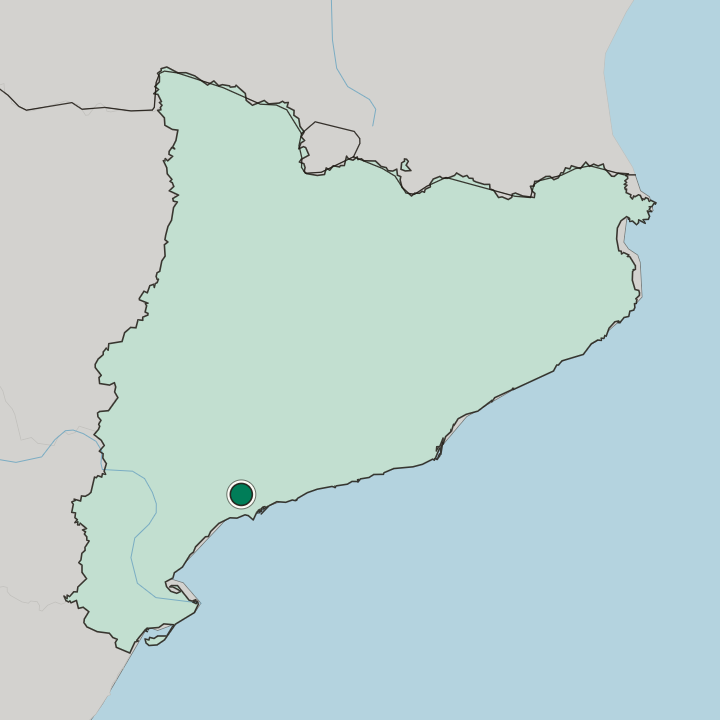
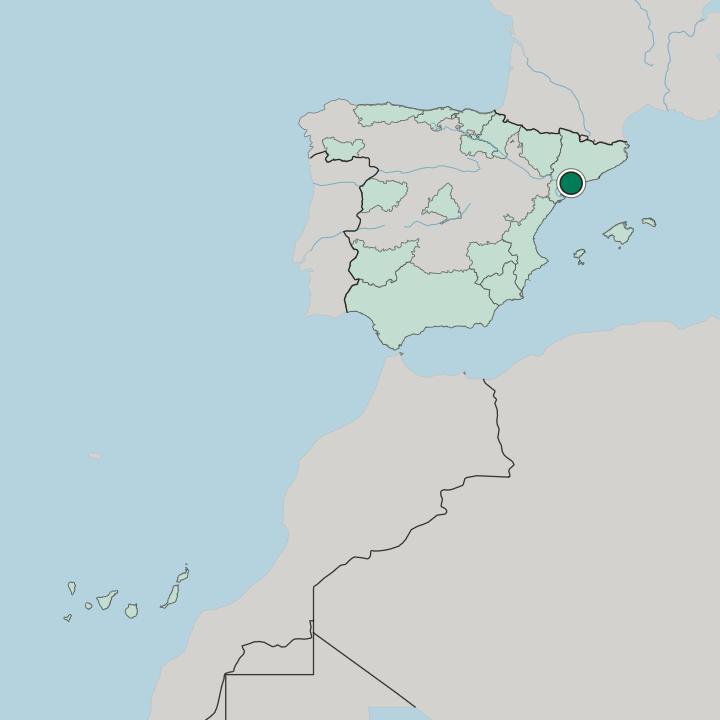
Camp de Tarragona holds the town. Reus covers roughly 52.8 square kilometres of Baix Camp, and the wine and spirits country of the comarca spreads out around a built-up centre that takes up only part of it. Climbing ground lies beyond.
The Santuari de la Mare de Déu de Misericòrdia stands outside the town on that open side.
What is the climate of Reus?
The vines answer for the weather. A temperate year over the Camp de Tarragona is what has kept the country around Reus producing wine and spirits for as long as the record runs, and the same mildness suits the rock-climbing that fills the quieter seasons. Winter is the short stretch.
Casa Navàs and the Museu Comarcal Salvador Vilaseca take up a cold afternoon without trouble.
How do you get to Reus?
Baix Camp funnels its traffic here. Reus works as the commercial centre of the comarca, so arrivals from the surrounding villages of the Camp de Tarragona come in for the shops and the markets as much as for the architecture. Inside, distances are short.
Casa Navàs, the Església Prioral de Sant Pere de Reus and the Museo de Arte e Historia de Reus lie within one walkable centre, while Estadi Municipal de Reus sits further out.
Common questions
What is the best area to stay in Reus?
The modernista streets: Walking circuits between Casa Navàs, Casa Rull and Casa Gasull. The museum block: Wet days between the Salvador Vilaseca and Arte e Historia collections. Out towards Misericòrdia: Drivers heading for the climbing country of Baix Camp.
Good for
More cities in Catalunya
Updated October 2026