Spain · Catalunya
Where to Stay in Girona, Catalunya
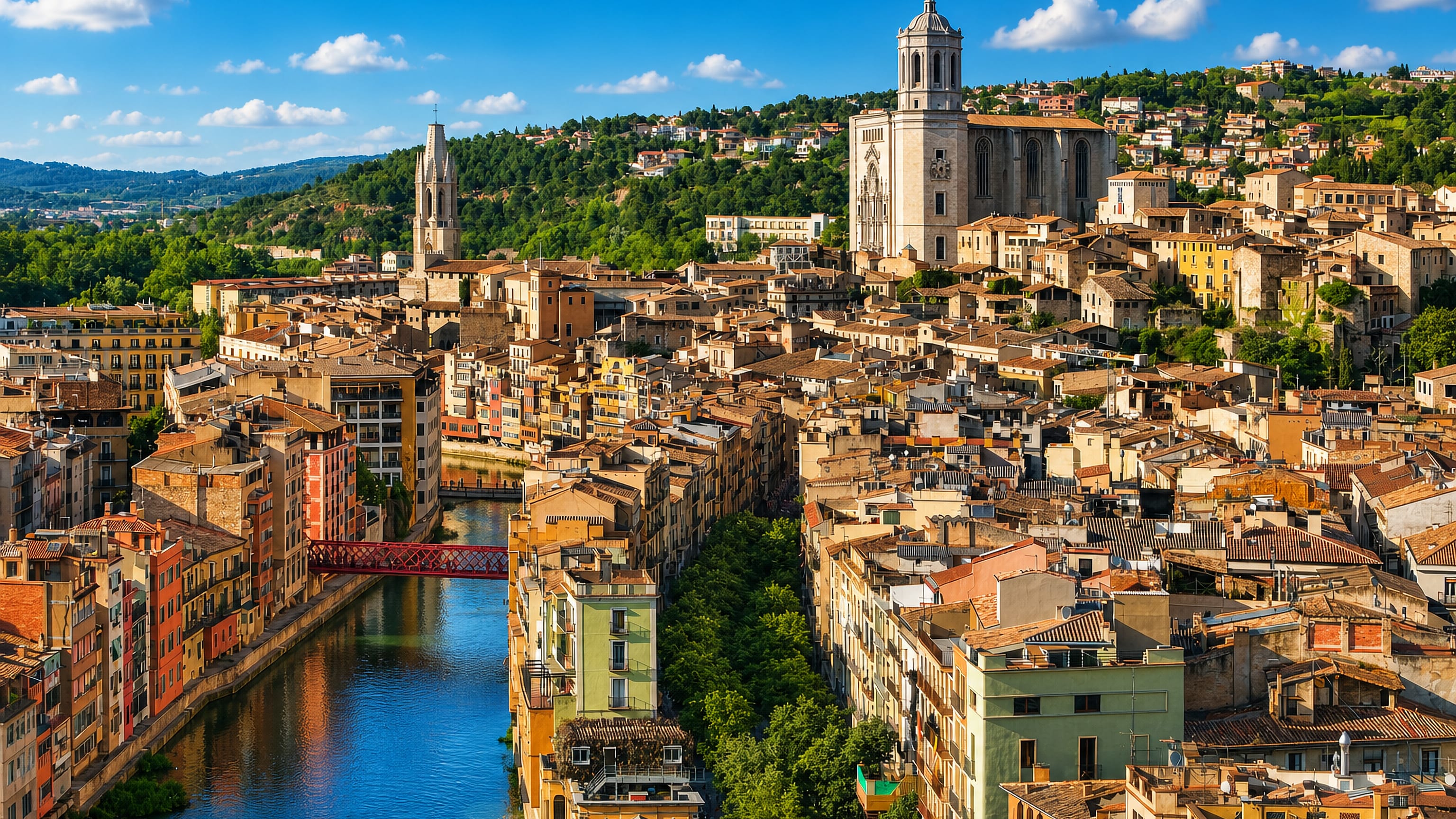
Four rivers meet under the walls of Girona, a Catalan city known for the painted Cases de l'Onyar and the stair up to Girona Cathedral.
Hotel links are affiliate links: booking through them may earn us a commission, at no extra cost to you. It never affects how places are ranked. How this works


Where to stay in Girona
Where you base yourself shapes the visit — here's the character of each area.

 GironaSpainA valley address beyond the walls for walkers
Sant Daniel
Sant Pere de Galligants and its Archaeology Museum of Catalonia open onto the road running up to the Monastery of Sant Daniel.Sant Daniel →GironaSpainJewish quarter of Girona
The Jewish quarter of Girona is the old judería of the historic centre, a knot of stepped lanes climbing to Girona Cathedral.Where to stay →GironaSpainSanta Eugenia
Santa Eugenia is a residential quarter on the western side of Girona, Catalunya, set back from the old town of Girona Cathedral.Where to stay →GironaSpainVila-roja
Vila-roja is a residential neighbourhood of Girona, counted inside the municipality rather than standing as its own town.Where to stay →GironaSpainPontmajor
Segmental brick arches front the old Destil·leries Regàs on Carrer del Pont Major, the spine of Pontmajor, a barri of Girona beside the Ter.Where to stay →GironaSpainMontilivi
Montilivi climbs its own hill in south-east Girona, a sector of the Sud barri built around the Universitat de Girona campus and Montilivi Stadium.Where to stay →GironaSpainPalau-Sacosta
Palau-Sacosta is a former municipality now part of Girona, marked by the castle that still carries its name.Where to stay →GironaSpainCampdorà
Campdorà gathers round the church of Sant Jaume and a castle first recorded in 1148, a village of Girona held between the Ter and the Gavarres.Where to stay →Hotel links are affiliate links: booking through them may earn us a commission, at no extra cost to you. It never affects how places are ranked. How this works
Find hotels in Girona
Direct booking searches for these neighbourhoods.
Barri Vell
Girona Cathedral, the Basilica of Sant Feliu and Torre Gironella crown the old quarter, with the Call and its Museo de Historia de los Judíos in the lanes underneath.Find hotels in Barri VellRiver rooms with a footbridge to either bankAlong the Onyar
The Cases de l'Onyar and Casa Masó hang over the water where the footbridges cross between the old quarter and the newer streets.Find hotels in Along the OnyarHotel links are affiliate links: booking through them may earn us a commission, at no extra cost to you. It never affects how places are ranked. How this works
Things to do in Girona
Ranked by global recognition; descriptions from Wikidata (CC0).
Museums & Galleries
3- Cinema Museum in Girona Heritage
- Archaeology Museum of Catalonia (Girona) Heritage
- Girona Museum of Art
Churches & Religious Sites
8- Girona Cathedral Heritage
- Basilica of St. Felix (Girona) Heritage
- Sant Pere de Galligants Heritage
- Monastery of Sant Daniel Heritage
- convent de Sant Domènec de Girona Heritage
Show 3 more →
- Sant Nicolau de Girona Heritage
- Sant Cosme i Sant Damià de Ramis Heritage
- Església del Carme i edifici de la Diputació Heritage
Castles & Historic Sites
8- Castell de Montjuïc Heritage
- Torre Gironella Heritage
- Castell de Sant Miquel (Gironès) Heritage
- Pla de l'Horta Heritage
- Castell de Palol d'Onyar Heritage
Show 3 more →
- Palau Sacosta Castle Heritage
- Montagut Castle Heritage
- Monument a Mossèn Cinto Verdaguer (Girona) Heritage
Stadiums & Sports
2- Palau Girona-Fontajau Heritage
- Montilivi Stadium
Landmarks & Notable Places
5- Cases de l'Onyar Heritage
- Casa Masó Heritage
- Torre de Suchet Heritage
- Casa Salieti Heritage
- Casa Barceló Heritage
worth knowingacross 5 categories in Girona
About Girona
What is Girona known for?
Girona keeps a walled old quarter, the Call, and the Cases de l'Onyar hanging over the water. The walls survive almost whole. Girona Cathedral sits at the head of a stair that climbs from the Basilica of Sant Feliu, and the lanes below hold the Museo de Historia de los Judíos, the Girona Museum of Art and the Cinema Museum in Girona within a few minutes of each other.
Casa Masó stands among the river houses.
What are the main landmarks in Girona?
Girona Cathedral dominates everything in Girona. Its stair climbs from the square below, and the nave behind the front is one single span, among the widest Gothic naves built anywhere. Torre Gironella marks the high corner of the walls.
The Basilica of Sant Feliu keeps its spire below the cathedral, Sant Pere de Galligants holds the Archaeology Museum of Catalonia in a Romanesque shell, and the Cases de l'Onyar line the river with Casa Masó open among them. Castell de Montjuïc watches the town from its hill.
What is the history of Girona?
Rome founded Girona as Gerunda. The main road up the coast crossed the Onyar here, and the walled rectangle the legions set on the hill above the crossing is still the outline of the Barri Vell. Gerona is the older spelling.
The Franks took the town from the Moors. Girona then held a Carolingian frontier county, and the Romanesque churches that followed, Sant Pere de Galligants among them, went up as the town spread down the slope to the water. The Call was the other Girona.
One of the largest Jewish communities in Catalonia lived in the lanes under the cathedral for four centuries, produced a school of kabbalists, and was expelled in 1492, which is the history the Museo de Historia de los Judíos keeps in those same houses. Sieges came next. Girona was besieged more often than almost any town in Catalonia, and the French assault of 1809 left the walls broken and the name Torre de Suchet on one of the towers, which is why the city still calls itself immortal.
The rampart walk above the Call still runs most of the old circuit.
Where is Girona?
Girona stands at the confluence of the Ter, the Onyar, the Galligants and the Güell. The Onyar does the dividing. The old quarter climbs a hill on one bank with Girona Cathedral and Torre Gironella on top, the newer streets spread flat on the other, and the Ter carries all four channels away toward the coast.
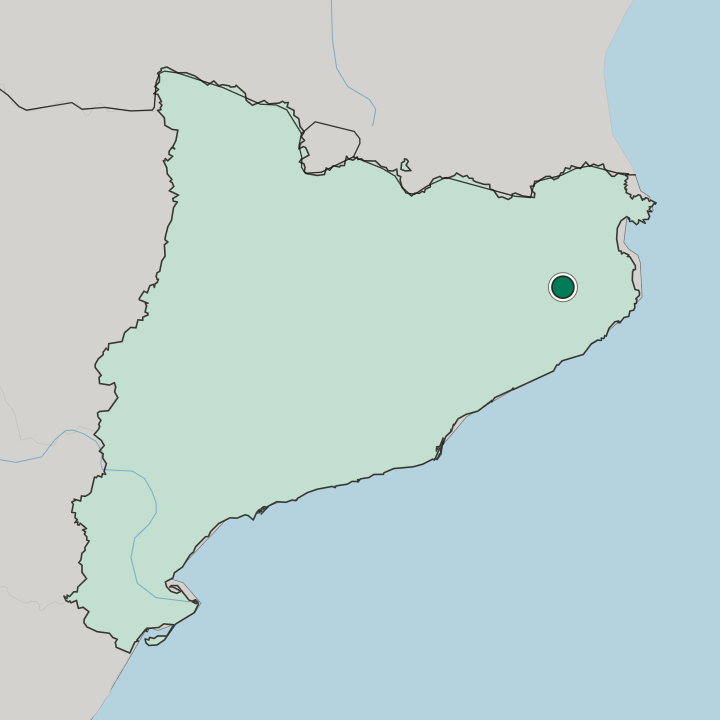
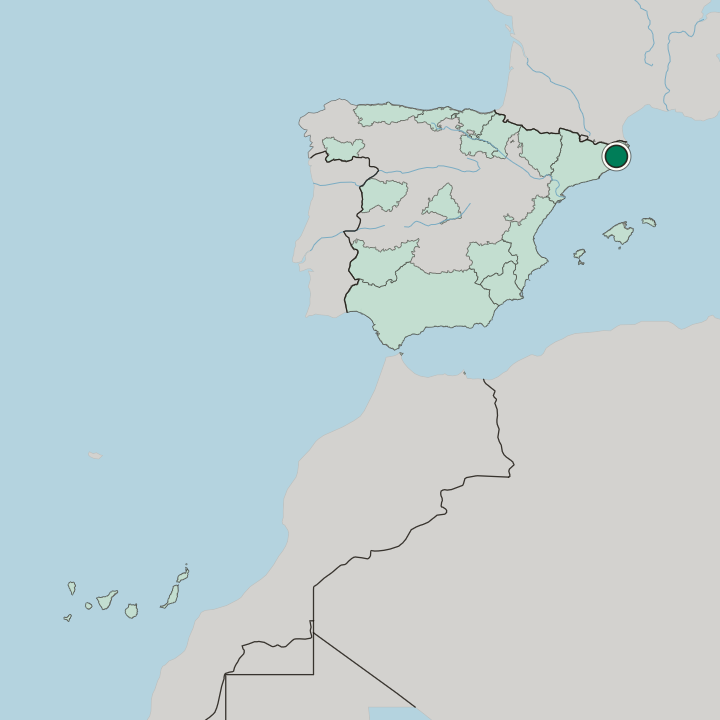
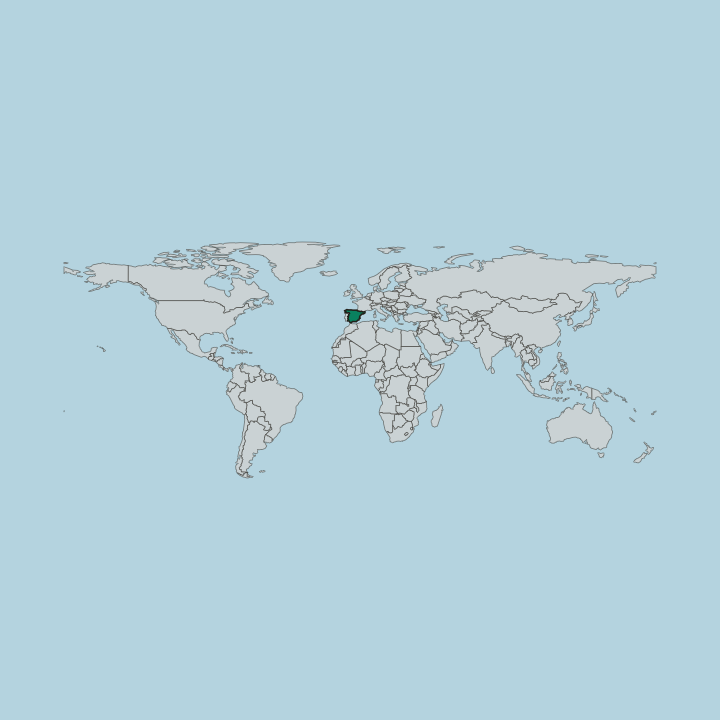
Girona lies northeast of Barcelona, with the foothills of the Pyrenees rising behind it and the Costa Brava a short run east.
What is the climate of Girona?
The Tramuntana sets the tone in Girona. That dry north wind comes down off the Pyrenees and scours the valley for days at a stretch, which is why winters here bite harder than on the Mediterranean coast a short way east. Summers run hot and heavy.
Autumn storms fill the Onyar, and the river has climbed into the ground floors of the Cases de l'Onyar more than once.
How do you get to Girona?
Girona sits on the high-speed line between Barcelona and the French border. AVE trains stop at the station on the west bank. The AP-7 motorway runs the same corridor for drivers, and Girona-Costa Brava Airport lies a short way south of the city at Vilobí d'Onyar, which is why a good share of arrivals are heading for the Costa Brava rather than the town.
Common questions
What is the best area to stay in Girona?
Barri Vell: Sleeping inside the walls, one stair below Girona Cathedral. Along the Onyar: River rooms with a footbridge to either bank. Sant Daniel: A valley address beyond the walls for walkers.
Good for
More cities in Catalunya
Updated October 2026