Spain · Catalunya
Where to Stay in Lleida, Catalunya
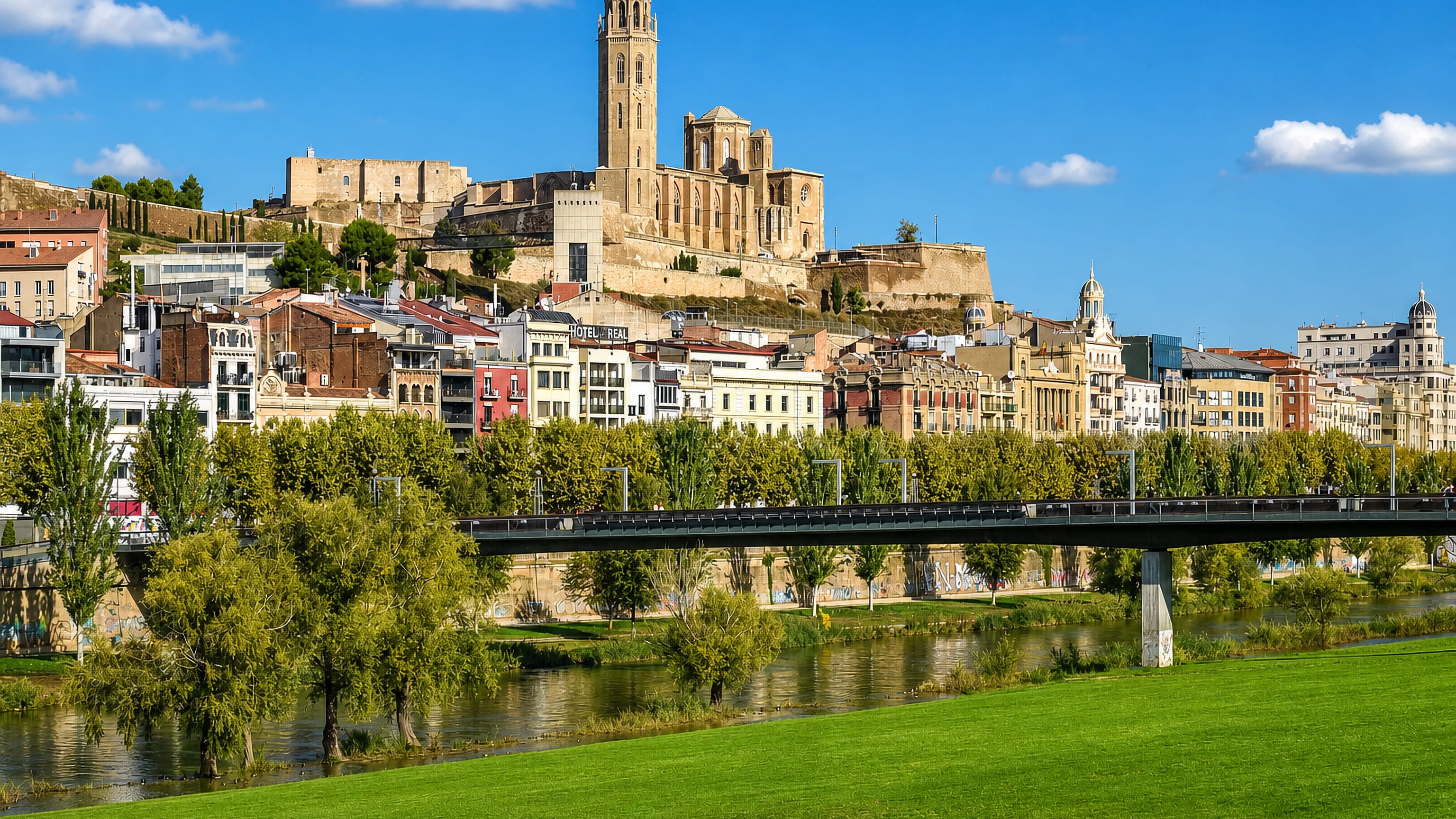
Lleida is a historic city in western Catalonia, Spain, on the river Segre, crowned by the great hilltop cathedral of La Seu Vella.
Hotel links are affiliate links: booking through them may earn us a commission, at no extra cost to you. It never affects how places are ranked. How this works


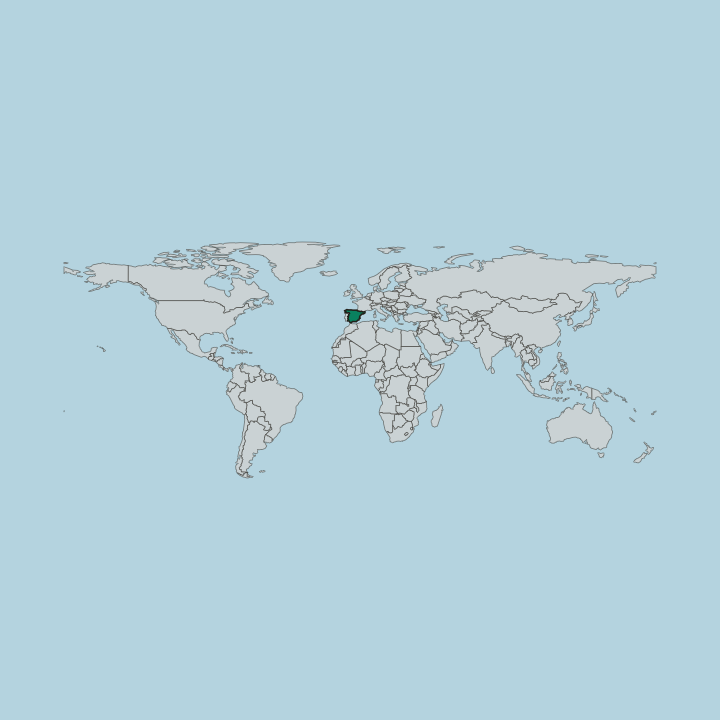
Where to stay in Lleida
Where visitors usually base themselves, and why.
Where you stay in Lleida means the old town below the hill, for most visitors. The historic streets under La Seu Vella keep the churches, the museums, and the climb to the cathedral within a walk, and it suits anyone here for the history. The lanes wind narrow and old.
Rooms sit close to the foot of the great hill. Along the Segre, the newer city spreads across flatter ground by the river. A room by the water trades the old climb for level streets, the promenades, and easy parking, a short way from the Lleida Museum and the centre.
The river walks run long and green. If you want the cathedral and the churches, stay in the old town; if you want the river and the level ground, take a room by the Segre. Either way, La Seu Vella is always above you.
Find hotels in Lleida
Direct booking searches for these neighbourhoods.
Old town
Under La Seu Vella near the medieval churches and the Lleida Museum, at the foot of the great hillFind hotels in Old townLevel, easy stays wanting the Segre promenadesRiverside
Along the Segre near the centre, with river walks and easier parking below the hillFind hotels in RiversideHotel links are affiliate links: booking through them may earn us a commission, at no extra cost to you. It never affects how places are ranked. How this works
Things to do in Lleida
Ranked by global recognition; descriptions from Wikidata (CC0).
Museums & Galleries
3- Lleida Museum
- Museu d'Art Jaume Morera
- CaixaForum Lleida
Churches & Religious Sites
8- La Seu Vella Heritage
- Seu Nova Heritage
- Church of Sant Llorenç Heritage
- Església de Sant Martí Heritage
- Saint John's Church Heritage
Show 3 more →
- Capella de Sant Jaume (Lleida) Heritage
- Oratori de Nostra Senyora dels Dolors Heritage
- Capella de la Sang Heritage
Castles & Historic Sites
3- Estàtua d'Indíbil i Mandoni Heritage
- Castell de la Suda Heritage
- Castell de Gardeny Heritage
Stadiums & Sports
3- Camp d'Esports
- Pavelló Barris Nord
- Pavelló municipal Onze de Setembre
Landmarks & Notable Places
4- Casa Magí Llorenç Heritage
- Casa Melcior (Lleida) Heritage
- Casa Sauces Heritage
- Casa del Clot de les Monges Heritage
worth knowingacross 5 categories in Lleida
About Lleida
La Seu Vella crowns the hill of Lleida.
What is Lleida known for?
The old cathedral-fortress looks out over one of the oldest towns in Catalonia, its stone rising above the Segre and the plains of the Ponent, while castles and churches ring the streets below. The Lleida Museum holds the deep past. History climbs the whole hillside.
What are the main landmarks in Lleida?
La Seu Vella is the mark of Lleida. The old cathedral and the Castell de la Suda share the crown of the hill, walled together as a fortress, while the Templar Castell de Gardeny stands out on the plain. Churches fill the lower town.
The Església de Sant Martí and the Church of Sant Llorenç keep the medieval faith, and the Lleida Museum and the Museu d'Art Jaume Morera hold the art and the finds.
What is the history of Lleida?
Lleida is one of the oldest towns in Catalonia. Iberian chiefs held the hill above the Segre long before Rome, and the statue of Indíbil and Mandoni still honours the leaders who fought the legions from this ground. Rome took the town.
It became a city of the empire's Spain, and trade and grain from the plain fed the walled streets for centuries. Later the Moors held it, and the Templars raised the Castell de Gardeny out on the edge of the plain. The great age came after the reconquest.
On the crown of the hill, the Castell de la Suda and the vast church of La Seu Vella rose together, cathedral and fortress in one, looking out over the whole plain of the Ponent. Churches filled the streets below, among them the Església de Sant Martí and the Church of Sant Llorenç. The Seu Nova rose later to replace the old cathedral on the height.
War turned the hilltop into a barracks. The Lleida Museum and the Museu d'Art Jaume Morera gather the long record of the town.
Where is Lleida?
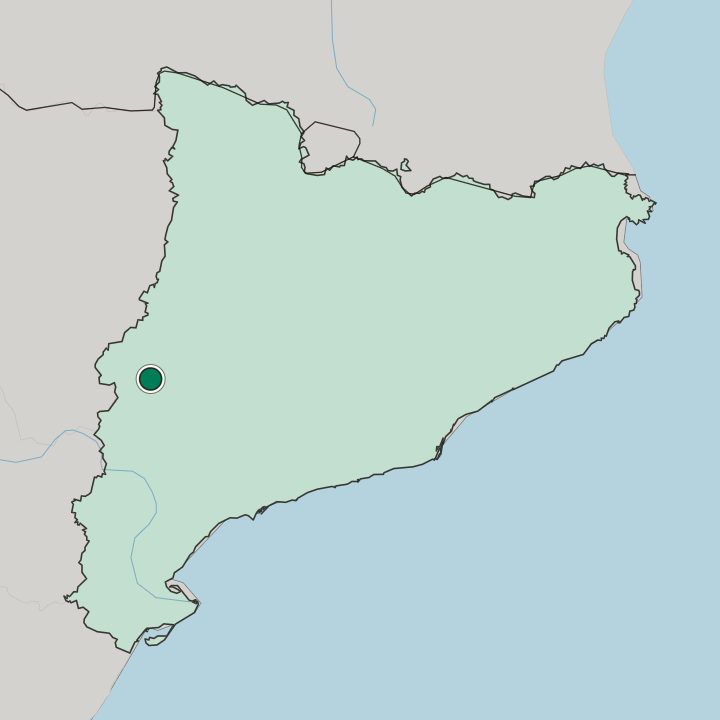
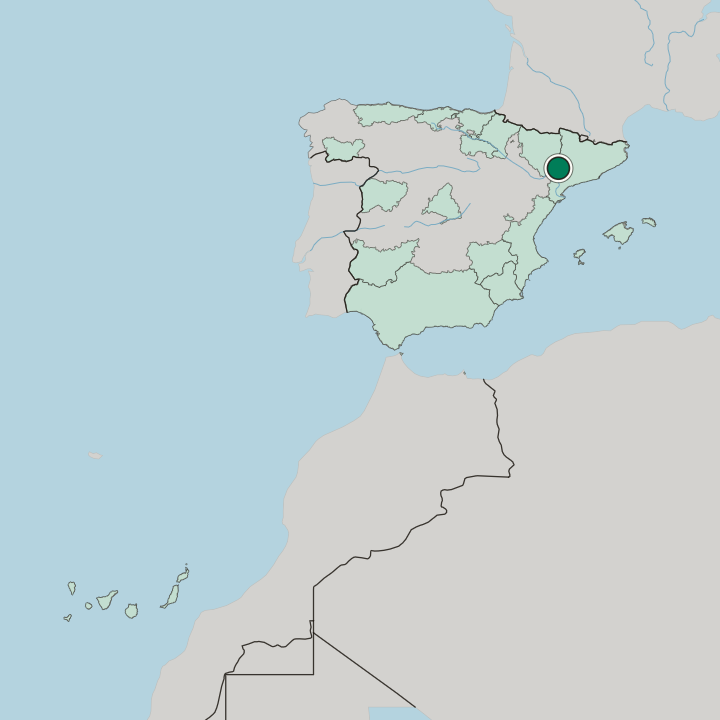
The Segre runs below the hill of Lleida. The city climbs a rise above the river in the west of Catalonia, where the dry plains of the Ponent stretch out toward the mountains, green only where the irrigation channels reach. Orchards cover the watered land.
The hill and the river fix the old town.
What is the climate of Lleida?
Lleida bakes in a dry inland climate. Hot summers on the treeless plain give way to cold, foggy winters, and the rain stays scarce all year in this sheltered corner of Catalonia. Winter fog can sit for days.
The heat returns hard by early summer.
How do you get to Lleida?
Fast trains stop at Lleida. The high-speed line between Madrid and Barcelona runs through the city, putting both capitals within easy reach, and roads spread out across the plain of the Ponent from the same junction. Buses serve the county around.
Most arrive by rail, into the town below the hill.
Common questions
What is the best area to stay in Lleida?
Old town: Visitors here for the cathedral, churches, and museums. Riverside: Level, easy stays wanting the Segre promenades.
Good for
More cities in Catalunya
Updated September 2026