Spain · Catalunya
Where to Stay in Tarragona, Catalunya
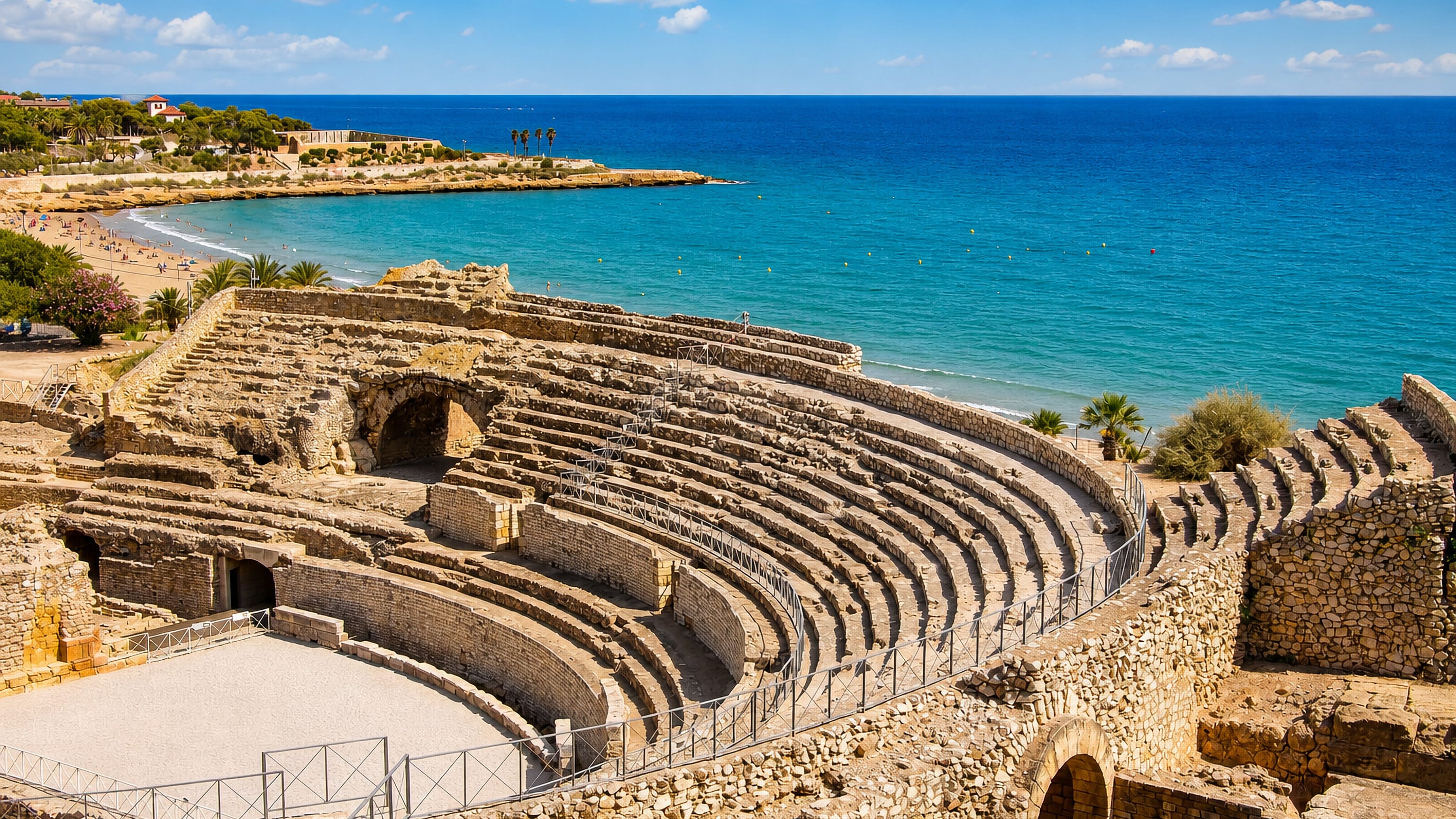
Tarragona was the Roman Tarraco, and its forums, circus and theatre carry a UNESCO listing on the Mediterranean shore 100 km from Barcelona.
Hotel links are affiliate links: booking through them may earn us a commission, at no extra cost to you. It never affects how places are ranked. How this works


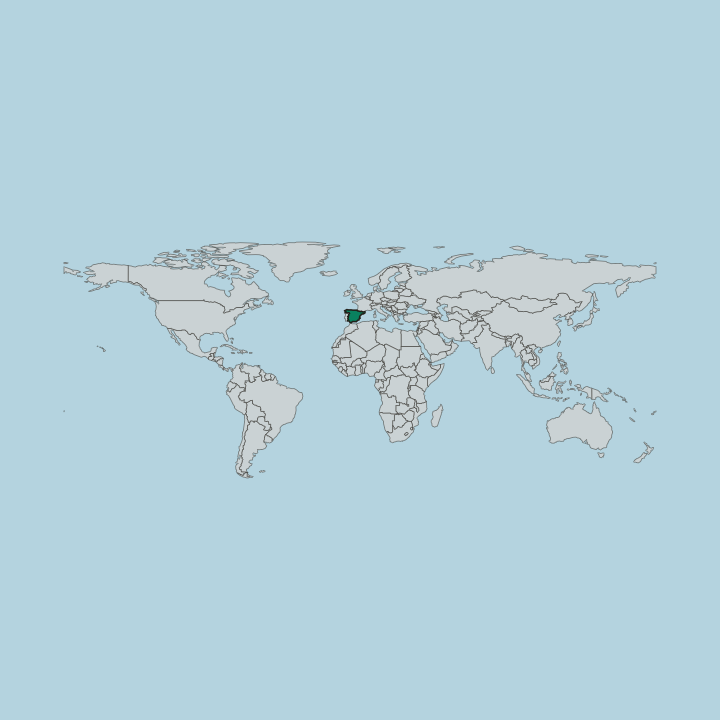
Where to stay in Tarragona
Where the beds are, and what that means for the visit.
The ruins are all in one place. A room in the old streets near the Roman theatre of Tarraco, the colonial forum of Tarraco and the National Archaeological Museum of Tarragona means the entire Roman circuit is done on foot, with Ca la Garsa and the Capella de Sant Magí on the same walk. The Museo Diocesano de Tarragona belongs to that short circuit too.
Evenings run late in those streets. It suits you if the plan is ruins by day and dinner without a taxi. Casa Yxart and Casa Castelló stand among them.
The Costa Daurada is the other reason. Beach beds sit along the shore where the Francolí meets the Mediterranean, and they trade the Roman circus of Tárraco for sand, which works better with children than a morning of forums does. Nou Estadi Costa Daurada draws its own crowd.
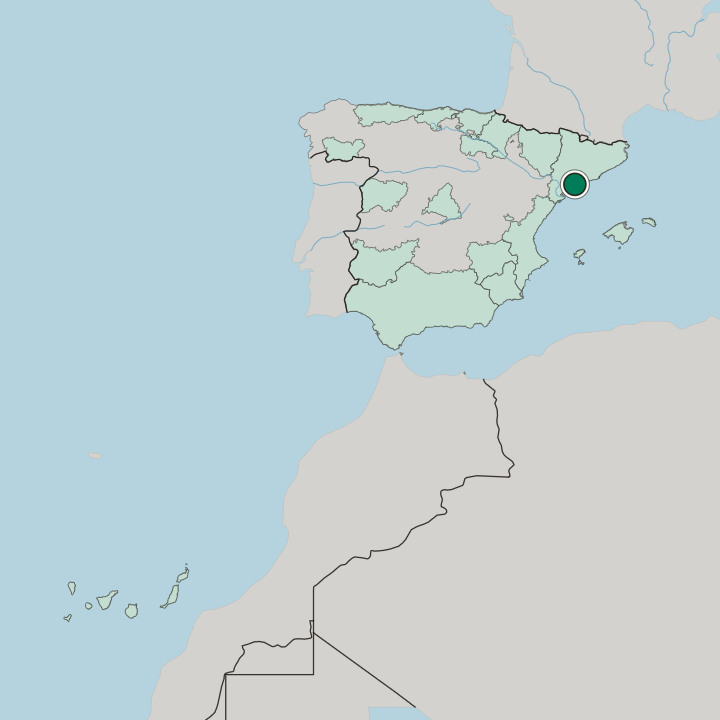
Barcelona lies 100 km away. Tarragona takes the overflow whenever the bigger city fills, so book ahead for any week that looks busy on the coast. The two halves are close enough that one stay covers both, and most visitors end up doing exactly that.
Sant Pau del Seminari fills out the map.
Find hotels in Tarragona
Direct booking searches for these neighbourhoods.
The Roman streets
The old core of Tarragona, with the National Archaeological Museum and Ca la Garsa on one roundFind hotels in The Roman streetsBeach stays near the mouth of the FrancolíThe Costa Daurada shore
Seafront ground on the Costa Daurada, a short move from the Roman circus of TárracoFind hotels in The Costa Daurada shoreMatch nights at the Nou Estadi Costa DauradaBy the Nou Estadi
Outer Tarragona, easier for drivers than the lanes around the forums. Beds are limited here, so book early.Find hotels in By the Nou EstadiHotel links are affiliate links: booking through them may earn us a commission, at no extra cost to you. It never affects how places are ranked. How this works
Things to do in Tarragona
Ranked by global recognition; descriptions from Wikidata (CC0).
Museums & Galleries
1- National Archaeological Museum of Tarragona Heritage
Churches & Religious Sites
2- Sant Pau del Seminari Heritage
- Capella de Sant Magí Heritage
Castles & Historic Sites
6- Colonia Iulia Urbs Triumphalis Tarraco UNESCO
- Roman circus of Tárraco Heritage
- Roman theatre of Tarraco Heritage
- provincial forum of Tarraco Heritage
- colonial forum of Tarraco Heritage
Show 1 more →
- Early Christian cemetery of Tárraco Heritage
Stadiums & Sports
1- Nou Estadi Costa Daurada
Landmarks & Notable Places
8- Salas Ricomà building Heritage
- Ca la Garsa Heritage
- Casa Bloc Heritage
- Cambra de la Propietat Urbana (Tarragona) Heritage
- Casa d'en Bartolomé Baró Heritage
Show 3 more →
- Casa Castelló Heritage
- Casa Panasachs Heritage
- Casa Yxart Heritage
worth knowingacross 5 categories in Tarragona
About Tarragona
Rome built the place.
What is Tarragona known for?
Colonia Iulia Urbs Triumphalis Tarraco left the Roman circus of Tárraco, the Roman theatre of Tarraco, the provincial forum of Tarraco and the colonial forum of Tarraco inside one walkable city, and the whole set carries a UNESCO World Heritage listing. The National Archaeological Museum of Tarragona holds what was dug out of them. There is a beach as well.
The Costa Daurada runs along that shore and the Francolí reaches the Mediterranean at the city itself.
What are the main landmarks in Tarragona?
Rome supplies the headline names. The Roman circus of Tárraco, the Roman theatre of Tarraco, the provincial forum of Tarraco, the colonial forum of Tarraco and the Early Christian cemetery of Tárraco make up the UNESCO World Heritage group the city is known for. Two museums explain them.
The National Archaeological Museum of Tarragona and the Museo Diocesano de Tarragona hold the finds, while Ca la Garsa, the Capella de Sant Magí and Sant Pau del Seminari cover the medieval and later town. Casa Bloc and the Salas Ricomà building are newer entries.
What is the history of Tarragona?
The Romans made it a colony. Colonia Iulia Urbs Triumphalis Tarraco is the full name they gave it, and the provincial forum of Tarraco, the colonial forum of Tarraco, the Roman circus of Tárraco and the Roman theatre of Tarraco are what that status left behind. Two forums, not one.
The Early Christian cemetery of Tárraco records what came next, a late-antique city burying its dead on the same ground as it changed religion. The medieval town built over all of it. Ca la Garsa, the Capella de Sant Magí and Sant Pau del Seminari belong to that stage, and the Museo Diocesano de Tarragona keeps the church record running through it.
The record gives 1834 for the modern municipality. Family houses fill the later pages: Casa Yxart, Casa Domingo, Casa Panasachs, Casa Castelló, Casa Francesc Bru Rius and the Salas Ricomà building, with Casa Bloc among the newest of them. The capital function stayed.
Tarragona still heads Tarragonès county, the Camp de Tarragona region and the province that carries its name, and the National Archaeological Museum of Tarragona sits here rather than anywhere else on the Costa Daurada.
Where is Tarragona?
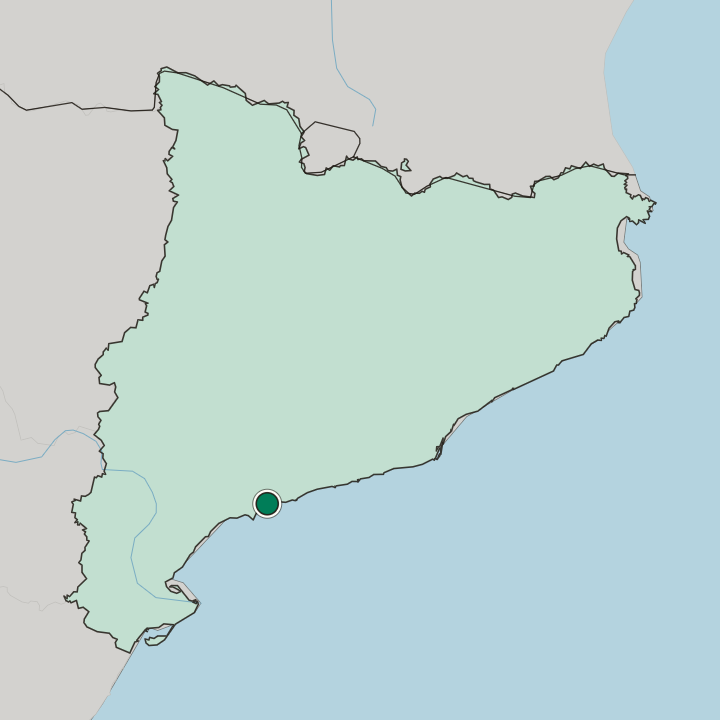
The Francolí reaches the sea here. Tarragona covers about 58 square kilometres around that river mouth on the Mediterranean shore, in the stretch of coast called the Costa Daurada, with the Camp de Tarragona opening inland behind it. Barcelona is 100 km off.
Tarragonès county takes its name from the city, and the beach, the river mouth and the Roman streets all fall inside one municipal boundary.
What is the climate of Tarragona?
The Mediterranean runs this climate. Sea air off the Costa Daurada keeps the winters easy and the summers long, and the Roman circus of Tárraco and the forums bake through the middle of the day when there is no shade to be had. Beach season is generous.
The northern calendar puts the heat through July and August, and the Francolí mouth catches whatever breeze comes off the water in the evening.
How do you get to Tarragona?
Barcelona is 100 km away. That coastal corridor of road and rail is how most people arrive in Tarragona, and the Costa Daurada beaches strung along it make the last stretch a slow one in summer. The old city is compact.
Once inside, the Roman theatre of Tarraco, the colonial forum of Tarraco and the National Archaeological Museum of Tarragona are within a short walk, while the Nou Estadi Costa Daurada and the outer districts want a car or a bus.
Common questions
What is the best area to stay in Tarragona?
The Roman streets: Walking days between the colonial forum of Tarraco and the Roman theatre. The Costa Daurada shore: Beach stays near the mouth of the Francolí. By the Nou Estadi: Match nights at the Nou Estadi Costa Daurada.
Good for
More cities in Catalunya
Updated October 2026