Spain · Catalunya
Where to Stay in Mataró, Catalunya
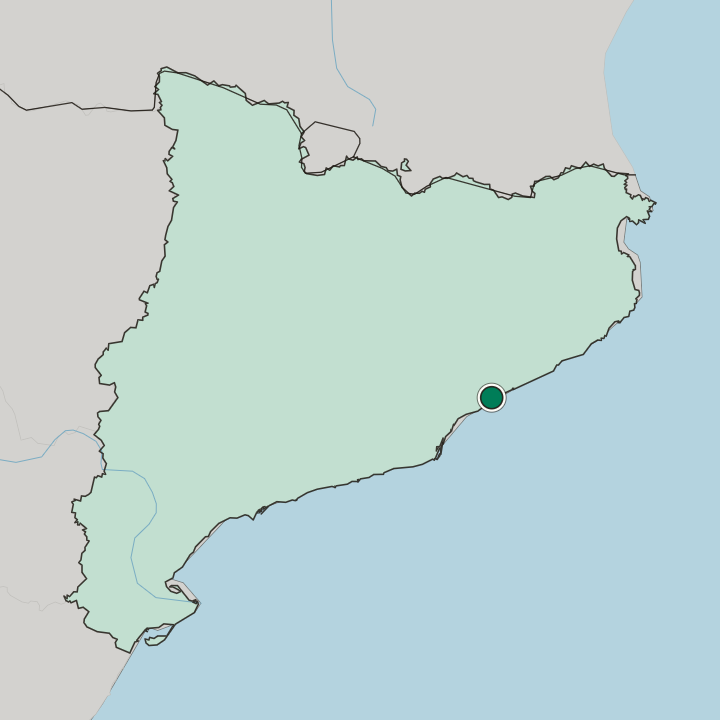
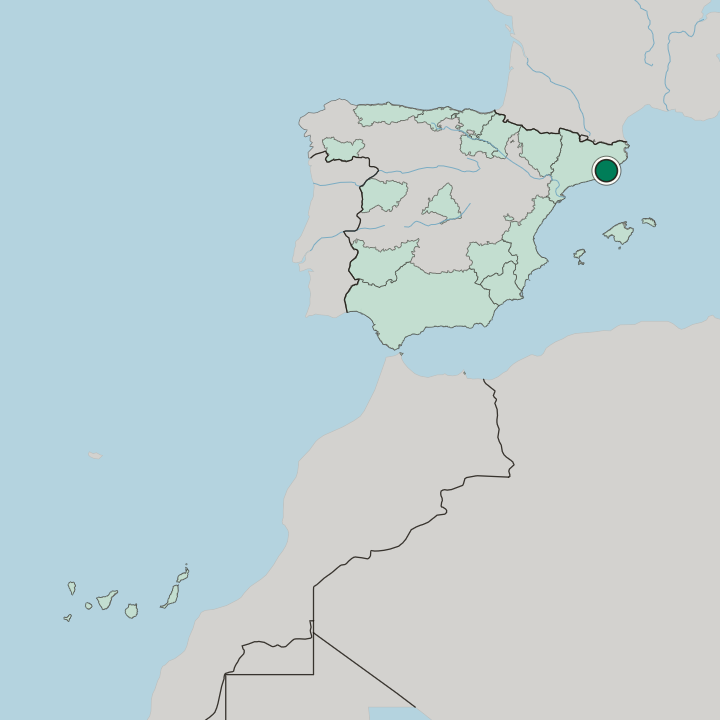
Mataró is the capital of the Maresme, a Mediterranean port city 30 kilometres northeast of Barcelona built over Roman Iluro.
Hotel links are affiliate links: booking through them may earn us a commission, at no extra cost to you. It never affects how places are ranked. How this works


Where to stay in Mataró
Where visitors usually base themselves, and why.
Two strips define the choice. The old centre of Mataró keeps the Basilica of Santa Maria, the Mataró Museum and the Roman ground of Iluro inside a few walkable blocks, while the seafront runs long sandy beaches and a modern marina below it. Sailing brings its own crowd.
A berth in the marina, and a room within reach of it, is the whole reason many people book here, and the coast stays in use across the year rather than for one short season. The Velòdrom de Mataró marks the inland edge. Heritage streets make the third option.
Casa Coll i Regàs, Casa Garí and Torre Amatller stand within the same quarter, and the Can Marfà Knitwear Museum sits close by with the record of the textile trade. Pick that side for the architecture. Beyond the built-up ground, the Hermitage of St. Simon and Santa Helena d'Agell sit out on the slopes above the city, and beds are thin enough there that most visitors treat both as day trips instead.
Cabrera de Mar and Sant Andreu de Llavaneres flank Mataró along the same coast, and either can take the overflow when the city itself is full.
Find hotels in Mataró
Direct booking searches for these neighbourhoods.
The Iluro core
The Basilica of Santa Maria, the Mataró Museum and the Roman villa of Can Llauder stand within a few blocks of one another.Find hotels in The Iluro coreSailing days and long stretches of Maresme sandThe marina and the beaches
Mataró's marina and its sandy beaches run the length of the seafront below the old centre.Find hotels in The marina and the beachesArchitecture walks between Casa Coll i Regàs and Torre AmatllerThe Modernista quarter
Casa Coll i Regàs, Casa Garí and Torre Amatller share the same streets, with the Can Marfà Knitwear Museum close behind them.Find hotels in The Modernista quarterHotel links are affiliate links: booking through them may earn us a commission, at no extra cost to you. It never affects how places are ranked. How this works
Things to do in Mataró
Ranked by global recognition; descriptions from Wikidata (CC0).
Museums & Galleries
2- Mataró Museum
- Can Marfà Knitwear Museum
Churches & Religious Sites
6- Basilica of St. Mary, Mataró Heritage
- Hermitage of St. Simon Heritage
- Santa Anna de Mataró Heritage
- Santa Helena d'Agell Heritage
- Capella de Sant Miquel del Cros Heritage
Show 1 more →
- Sant Joan i Sant Josep de Mataró Heritage
Castles & Historic Sites
3- Iluro Heritage
- Roman villa of Can Llauder Heritage
- Escultura El Negrito
Stadiums & Sports
1- Velòdrom de Mataró
Landmarks & Notable Places
8- Casa Coll i Regàs Heritage
- Casa Garí Heritage
- Can Parera Heritage
- Torre Amatller Heritage
- Can Palau Heritage
Show 3 more →
- Can Aymar Heritage
- Casa Vila Picó Heritage
- Can Caralt Antic Heritage
worth knowingacross 5 categories in Mataró
About Mataró
Iluro is still underneath.
What is Mataró known for?
Roman remains from the ancient town surface in the compact centre of Mataró, where the Roman villa of Can Llauder and the Mataró Museum hold what has been recovered. Modernisme came far later. Casa Coll i Regàs and Casa Garí carry that strand alongside Gaudí's Nau Gaudí and buildings by Josep Puig i Cadafalch, while the Baroque Basilica of Santa Maria anchors the old streets between them.
Long sandy beaches and a marina finish the picture.
What are the main landmarks in Mataró?
Rome left the first layer. The Roman villa of Can Llauder and the remains of Iluro lie under the modern grid, and the Mataró Museum keeps the finds. Baroque follows.
The Basilica of Santa Maria dominates the old town, with Santa Anna de Mataró and Sant Joan i Sant Josep de Mataró behind it. Modernisme adds Casa Coll i Regàs, Casa Garí and Torre Amatller. The Velòdrom de Mataró and the Hermitage of St. Simon sit further out.
What is the history of Mataró?
Iluro came first. The Roman town under Mataró left the villa of Can Llauder and the finds now kept in the Mataró Museum, and the compact historic centre still sits directly over it. Christian building took the next turn.
The Basilica of Santa Maria carries the Baroque heritage of the old town, while Santa Anna de Mataró, Sant Joan i Sant Josep de Mataró and the Hermitage of St. Simon fill in a religious map that reaches out to Santa Helena d'Agell on the higher ground. Knitwear made the modern city. The Can Marfà Knitwear Museum holds the record of the textile trade that gave the place its commercial weight in the Maresme, and the collection is one reason the museum map here is not only Roman.
Modernisme followed. Casa Coll i Regàs, Casa Garí and Torre Amatller date from that period, Gaudí's Nau Gaudí stands among them, and Josep Puig i Cadafalch left further buildings in the same city. Mataró became the capital of the Maresme.
The town works as a commercial, cultural and university centre on the coast between Cabrera de Mar and Sant Andreu de Llavaneres, with the marina and the beaches busy through the whole year rather than one season of it.
Where is Mataró?
The Maresme coast holds it. Mataró covers roughly 22.5 square kilometres between Cabrera de Mar and Sant Andreu de Llavaneres, 30 kilometres northeast of Barcelona and south of the Costa Brava. Sand runs the whole seafront.
Behind the town the ground climbs towards the Hermitage of St. Simon and Santa Helena d'Agell on the slopes above.
What is the climate of Mataró?
The Mediterranean does the regulating. Water on the doorstep evens out the temperate year along the Maresme, which is why the beaches and the marina at Mataró stay in use across the seasons instead of a few weeks of summer. Winter walking is easy.
The Basilica of Santa Maria and the Mataró Museum sit close enough together to fill a wet afternoon.
How do you get to Mataró?
Barcelona is 30 kilometres down the coast. Train and road both follow the Maresme shoreline, which puts Mataró on a direct run along the water from the city rather than on any inland route. Neighbours sit either side.
Cabrera de Mar and Sant Andreu de Llavaneres flank the municipality, and the Costa Brava begins further along the same coast.
Common questions
What is the best area to stay in Mataró?
The Iluro core: Nights inside the Roman and Baroque centre by the Basilica of Santa Maria. The marina and the beaches: Sailing days and long stretches of Maresme sand. The Modernista quarter: Architecture walks between Casa Coll i Regàs and Torre Amatller.
Good for
More cities in Catalunya
Updated October 2026