Spain · Euskal Autonomia Erkidegoa
Where to Stay in Barakaldo, Euskal Autonomia Erkidegoa
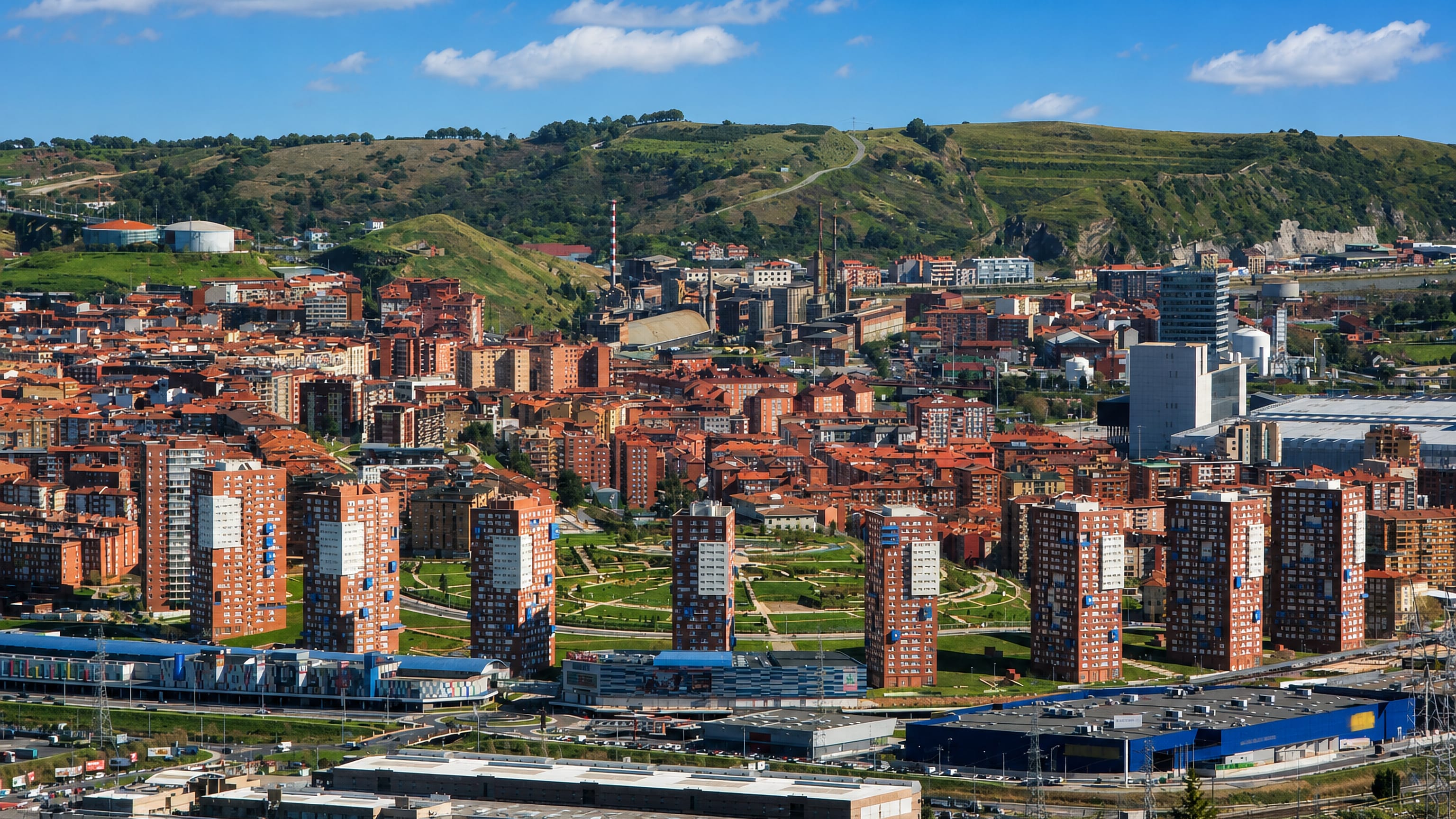
Barakaldo lines the Left Bank of the Estuary of Bilbao, a Biscay town of Greater Bilbao where the works gave way to new quarters.
Hotel links are affiliate links: booking through them may earn us a commission, at no extra cost to you. It never affects how places are ranked. How this works


Where to stay in Barakaldo
One neighbourhood here has its own guide — here's what it is best for.

 BarakaldoSpain
Burtzeña
Burtzeña, also written Burceña, is a district of Barakaldo where Euskararen Etxea stands beside a depot of Basque industrial heritage.Where to stay →Hotel links are affiliate links: booking through them may earn us a commission, at no extra cost to you. It never affects how places are ranked. How this works
Find hotels in Barakaldo
Direct booking searches for these neighbourhoods.
Around San Vicente Mártir
The Church of San Vicente Mártir anchors the oldest streets, with Casa Torre de Salazar and the Gizarte Etxea a short walk off.Find hotels in Around San Vicente MártirTravellers pointed at the Rialia Museum of Industry and PortugaleteThe redeveloped estuary side
New commercial and residential quarters on the Left Bank of the Estuary of Bilbao, facing Sestao across the old mill ground.Find hotels in The redeveloped estuary sideStays wanting the green of Bosque de la Vida over the works groundThe inland edge towards Trapagaran
Where Barakaldo climbs away from the estuary towards Trapagaran, quieter and greener than the streets by the water. Beds are limited here, so book early.Find hotels in The inland edge towards TrapagaranHotel links are affiliate links: booking through them may earn us a commission, at no extra cost to you. It never affects how places are ranked. How this works
Things to do in Barakaldo
Ranked by global recognition; descriptions from Wikidata (CC0).
Museums & Galleries
1- Centro Vasco del Patrimonio Industrial Mueble
Churches & Religious Sites
3- Basilica of Santa María, Portugalete Heritage
- Church of Santa María (Sestao) Heritage
- Church of San Vicente Mártir, Barakaldo Heritage
Castles & Historic Sites
1- Monument to Víctor Chávarri Heritage
Landmarks & Notable Places
8- Casa Torre de Salazar Heritage
- Casa de Elías López Bustamante Heritage
- Edificio Vicenta Durañona Heritage
- Sociedad de Casas Baratas de Baracaldo y Sestao Heritage
- Gizarte Etxea Heritage
Show 3 more →
- Babcock & Wilcox herria Heritage
- Villa Nueva Kooperatiba Heritage
- El Progreso sozietate kooperatiboa Heritage
worth knowingacross 4 categories in Barakaldo
About Barakaldo
Steel made this town.
What is Barakaldo known for?
Barakaldo grew on the Left Bank of the Estuary of Bilbao as a works town of Greater Bilbao, its furnaces and yards drawing labour from across Biscay and far beyond. Commercial and residential quarters stand where the mills did. Euskararen Etxea keeps the language, while the Centro Vasco del Patrimonio Industrial Mueble and the halls of El Progreso sozietate kooperatiboa keep the industrial record.
Casa Torre de Salazar outlasted both.
What are the main landmarks in Barakaldo?
The Church of San Vicente Mártir holds the older ground of the town, and around it stand Casa Torre de Salazar, the Casa de Elías López Bustamante and the Edificio Vicenta Durañona. Industry left its own monuments. Monument to Víctor Chávarri and Monument to Evaristo de Churruca stand for the works century, while the Rialia Museum of Industry in Portugalete gathers what the yards left behind.
Bosque de la Vida gives the town its planted ground. The Church of Nuestra Señora de la Medalla Milagrosa serves Zorrotza, and the Basilica of Santa María rises over Portugalete.
What is the history of Barakaldo?
The name is recorded from 1051. For most of the centuries after that, Barakaldo was a rural parish of Biscay on the Left Bank of the Estuary of Bilbao, its life turning on the church of San Vicente Mártir and the Casa Torre de Salazar. Industry changed that.
Works and yards took the flat ground by the water, and Barakaldo joined the manufacturing belt of Greater Bilbao. Heavy industry and the river port drew families in, and the town they made was dense, working and organised around the plant rather than the parish. Villa Nueva Kooperatiba and the Cooperativa de Consumo came out of that world.
The Sociedad de Casas Baratas de Baracaldo y Sestao raised cheap houses for the same families, and blocks like the Casa de Vecinos de Carlos Prado and Casa Zubizarreta survive from it. Then the works closed. Commercial and residential quarters have replaced much of the industrial ground since, and the Rialia Museum of Industry across the water in Portugalete carries the memory of what stood there.
Euskararen Etxea and the Centro Vasco del Patrimonio Industrial Mueble hold the language and the industrial record.
Where is Barakaldo?
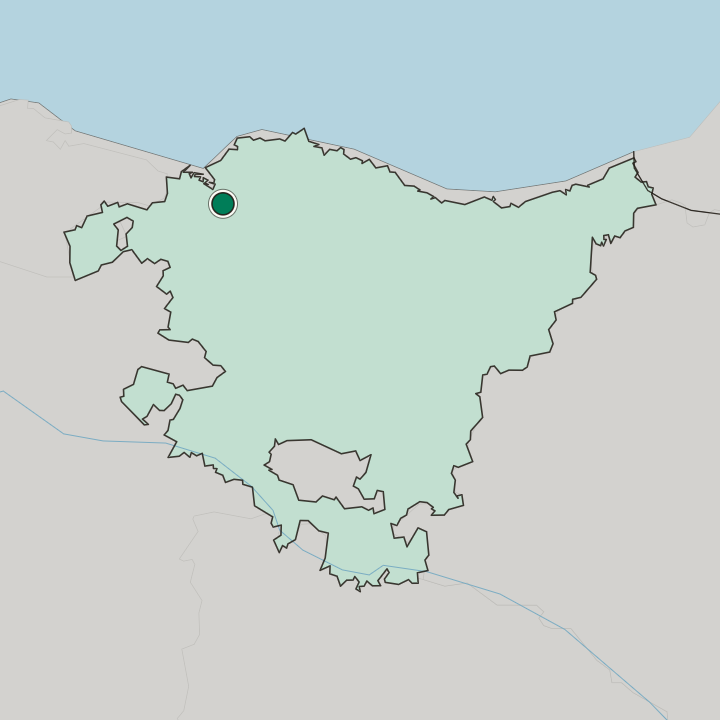
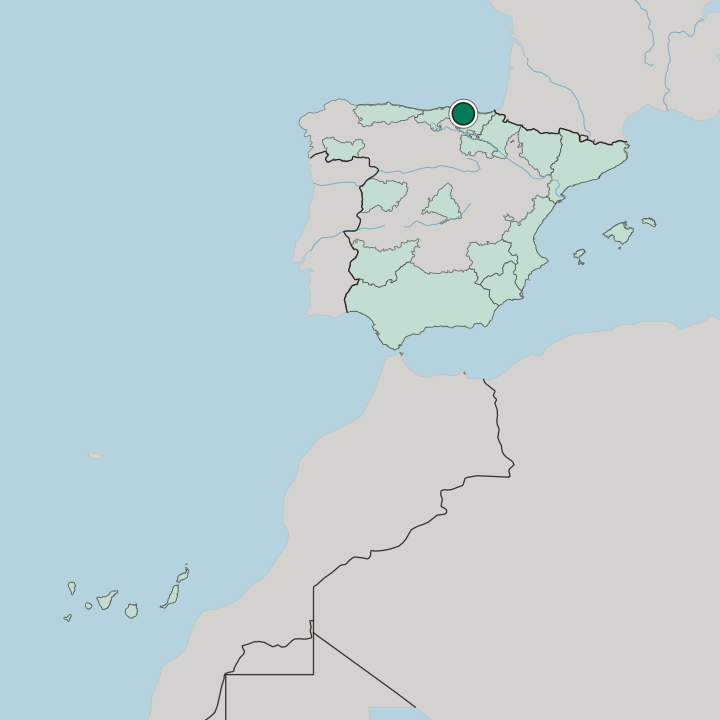
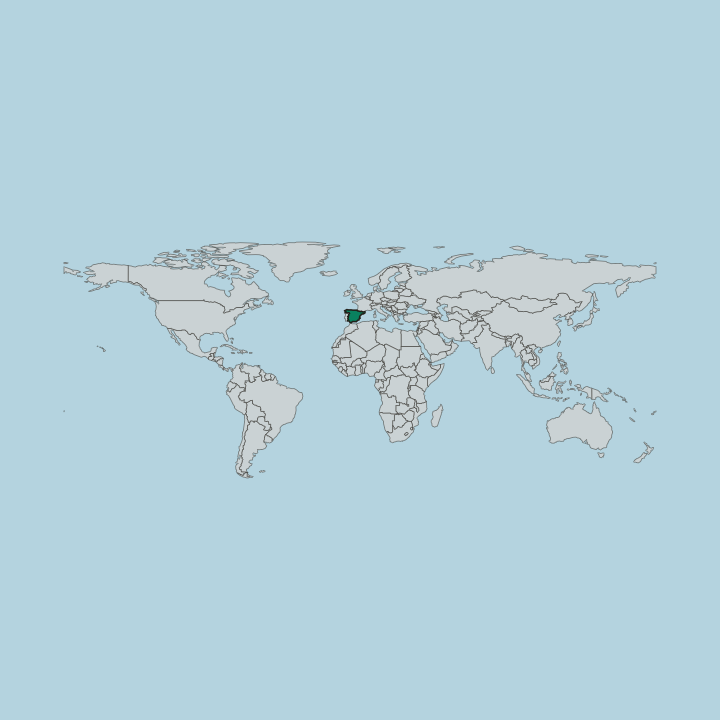
The town occupies the Left Bank of the Estuary of Bilbao, the tidal channel that made this a river port and set every flat parcel of ground along it to work. Hills close in behind. Sestao and Trapagaran adjoin it, Portugalete lies further along the same bank, and the whole belt counts as part of Greater Bilbao within the province of Biscay.
Bosque de la Vida marks the green edge of a town whose ground was long given over to works. It sits in the Basque Country.
What is the climate of Barakaldo?
Weather here comes off the water. The Estuary of Bilbao opens the town to the maritime air that keeps this temperate stretch of Biscay mild and often wet, with cloud running up the channel and hanging on the ground behind Trapagaran. Hard frost is uncommon by the water, and the green of Bosque de la Vida holds through much of the year on a bank that rarely dries out.
Summer heat stays moderate near the channel, and the difference from inland Spain shows in the greenness of the hills around Sestao and Portugalete.
How do you get to Barakaldo?
Arrival runs through Bilbao. Barakaldo sits inside Greater Bilbao, so the links that serve the conurbation serve the town, and the estuary corridor ties it to Sestao, Portugalete, Trapagaran and Zorrotza without a break in the built ground. The old river port handled freight rather than the traveller, and what moves people is the road and rail net of the Left Bank.
Sestao begins where Barakaldo ends.
Common questions
What is the best area to stay in Barakaldo?
Around San Vicente Mártir: Walkers who want the old parish core of Barakaldo. The redeveloped estuary side: Travellers pointed at the Rialia Museum of Industry and Portugalete. The inland edge towards Trapagaran: Stays wanting the green of Bosque de la Vida over the works ground.
Good for
More cities in Euskal Autonomia Erkidegoa
Updated October 2026