Spain
Euskal Autonomia Erkidegoa, Spain — Towns & Travel Guide
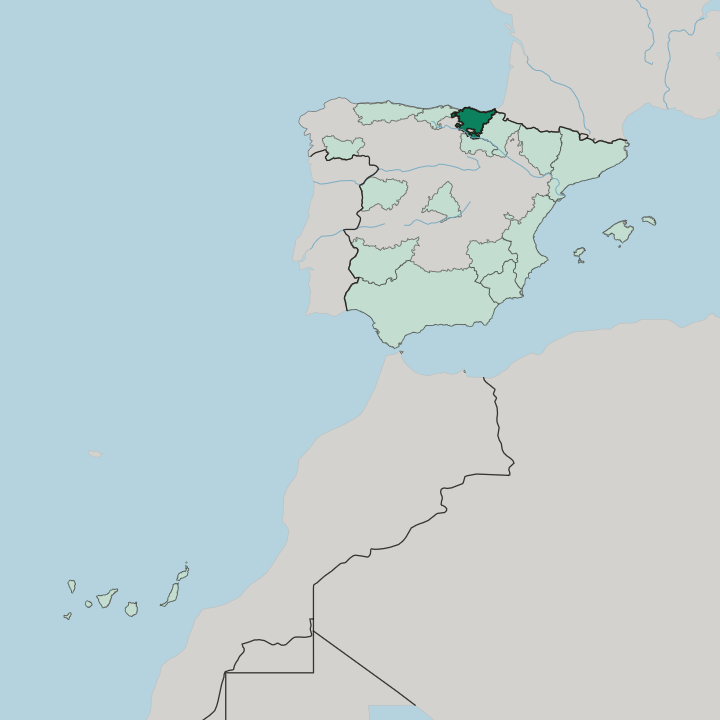
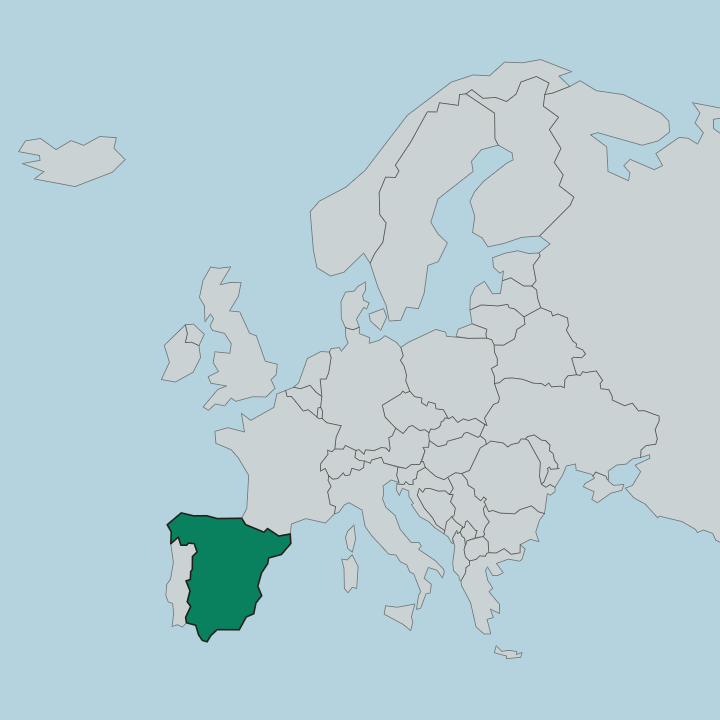
The Basque Country is an autonomous region of northern Spain, set on the Bay of Biscay between the Cantabrian coast and the western Pyrenees.
Hotel links are affiliate links: booking through them may earn us a commission, at no extra cost to you. It never affects how places are ranked. How this works


Towns & cities in Euskal Autonomia Erkidegoa
Pick a town or city — each links to where to stay.

 Spain
Spain
Bilbao
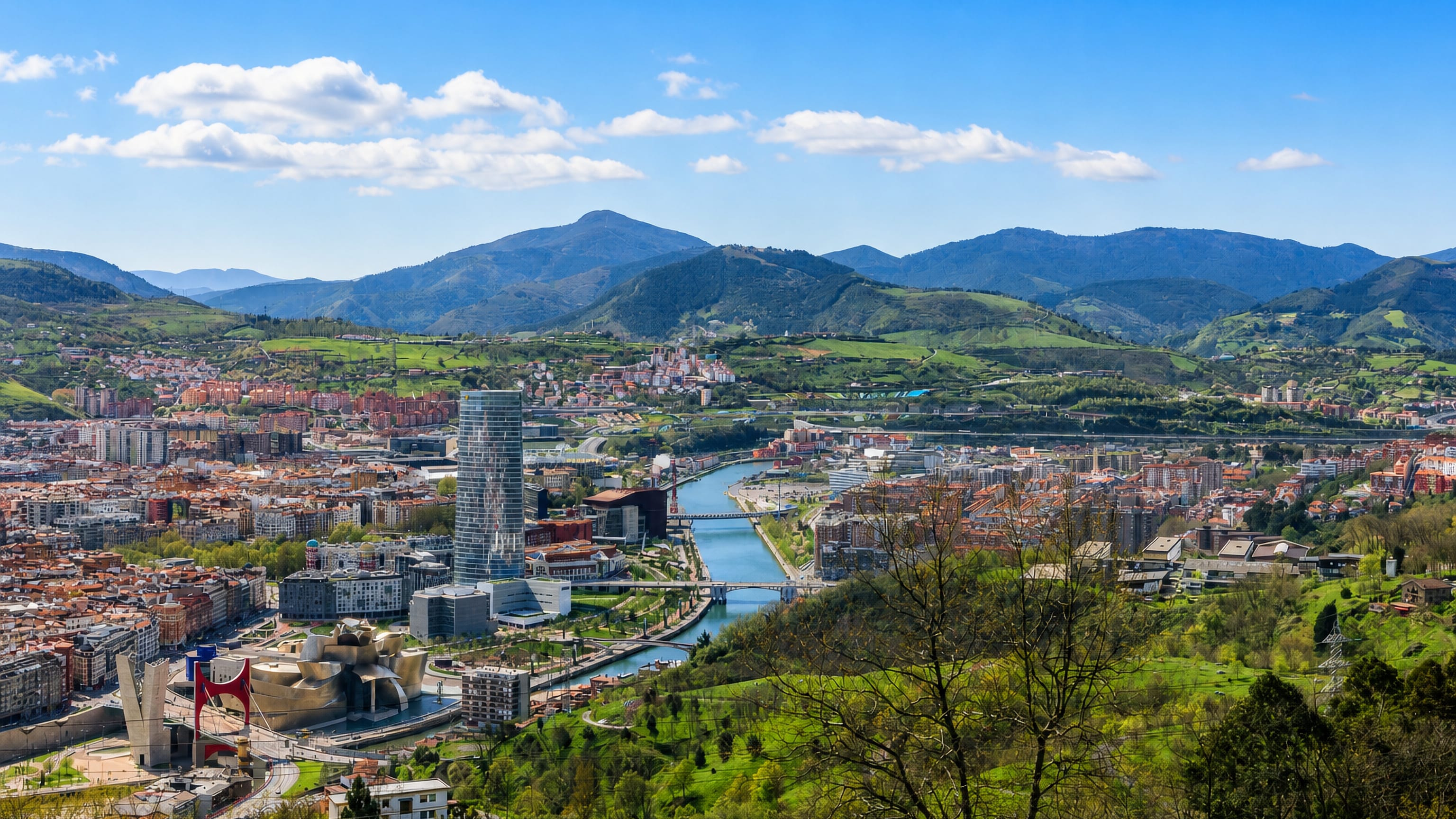
Iron ore built Bilbao and titanium remade it, a Basque port on the Nervión known for the Guggenheim Museum Bilbao and Plaza Nueva.Where to stay →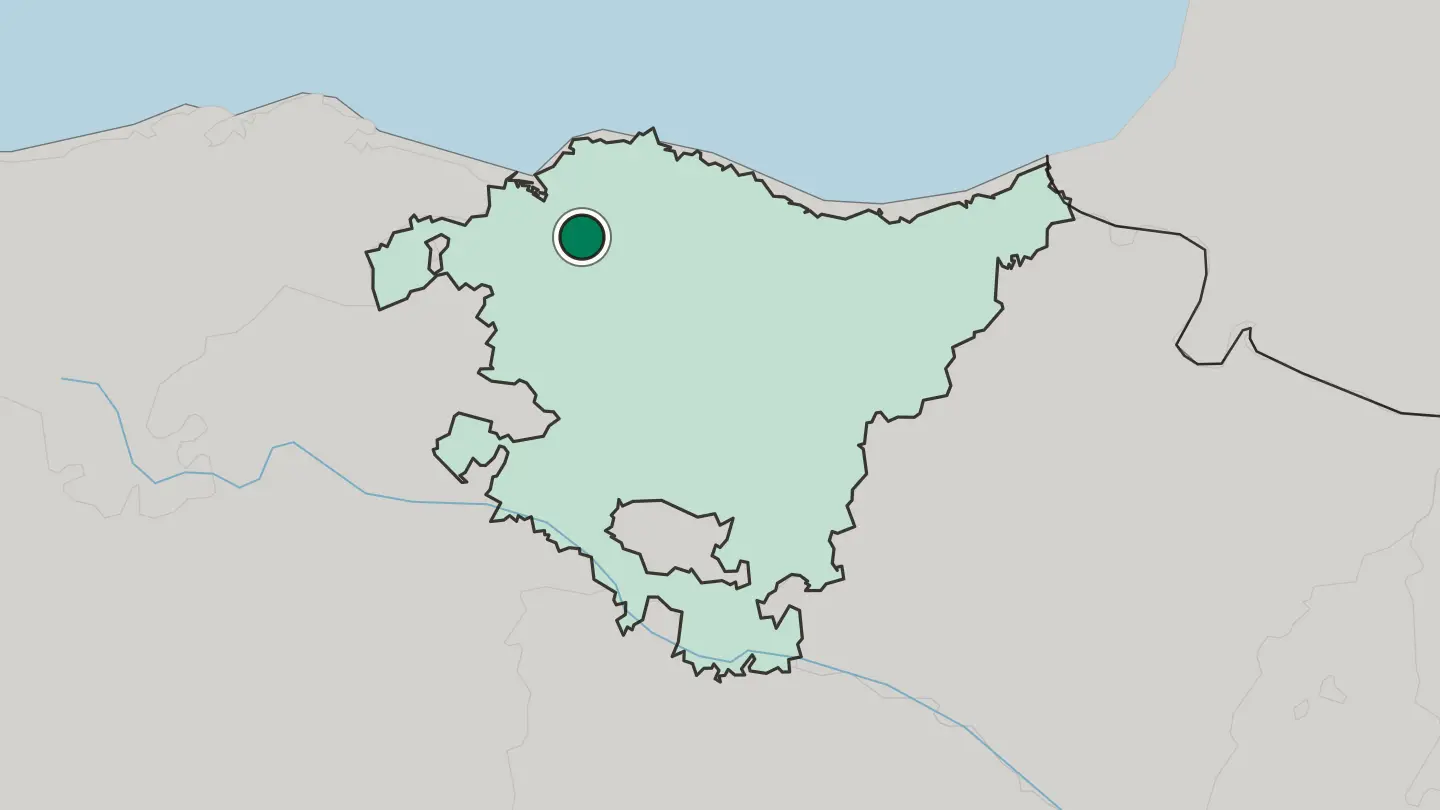
 Spain
Spain
Gasteiz / Vitoria
Trade lanes ring the almond-shaped hill of Gasteiz / Vitoria, Basque capital on the Llanada Alavesa, known for its cathedral and the Anillo Verde.Where to stay →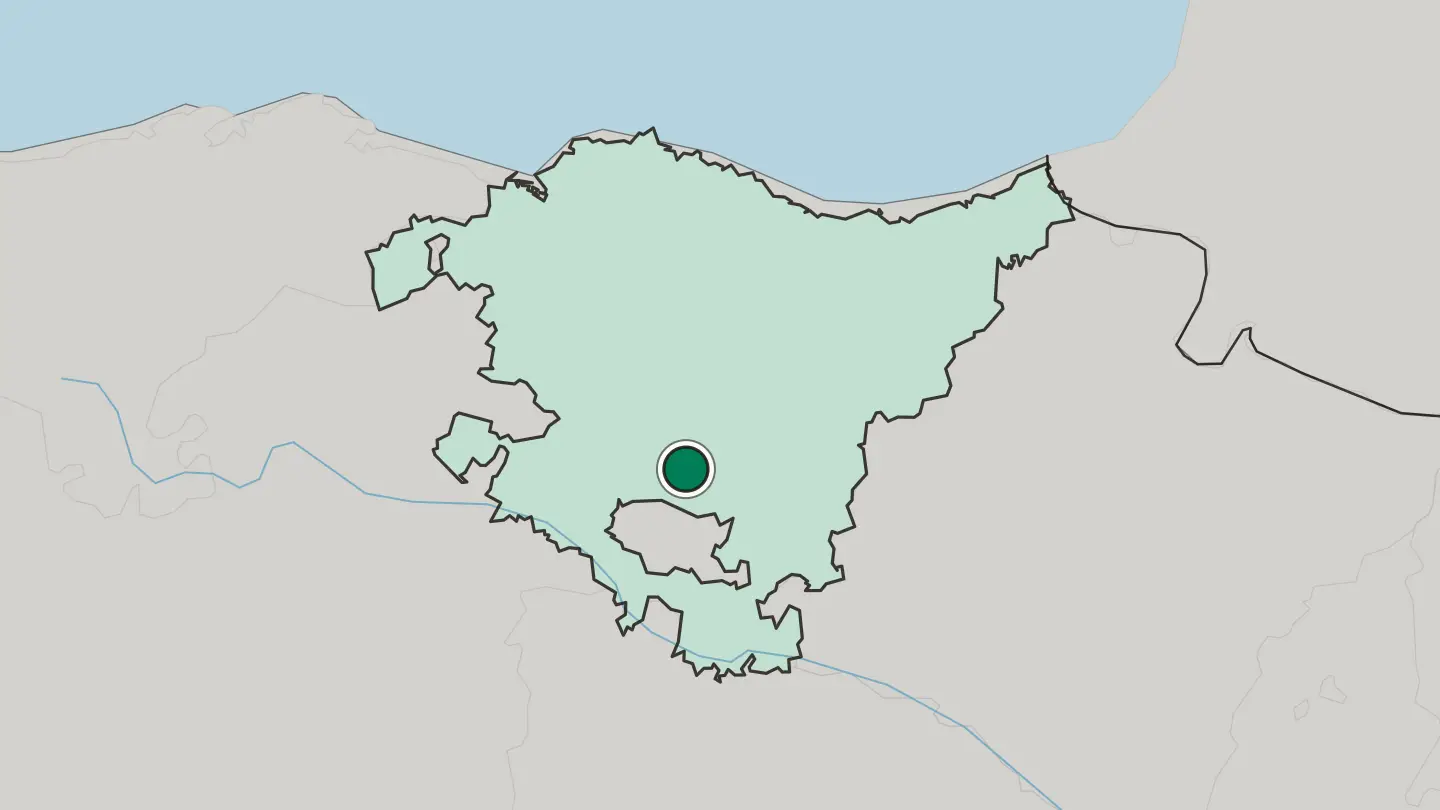
 Spain
Spain
Donostia / San Sebastián
Waves land between the churches at San Sebastián, a Basque city on the Bay of Biscay, called Donostia by its own people.Where to stay →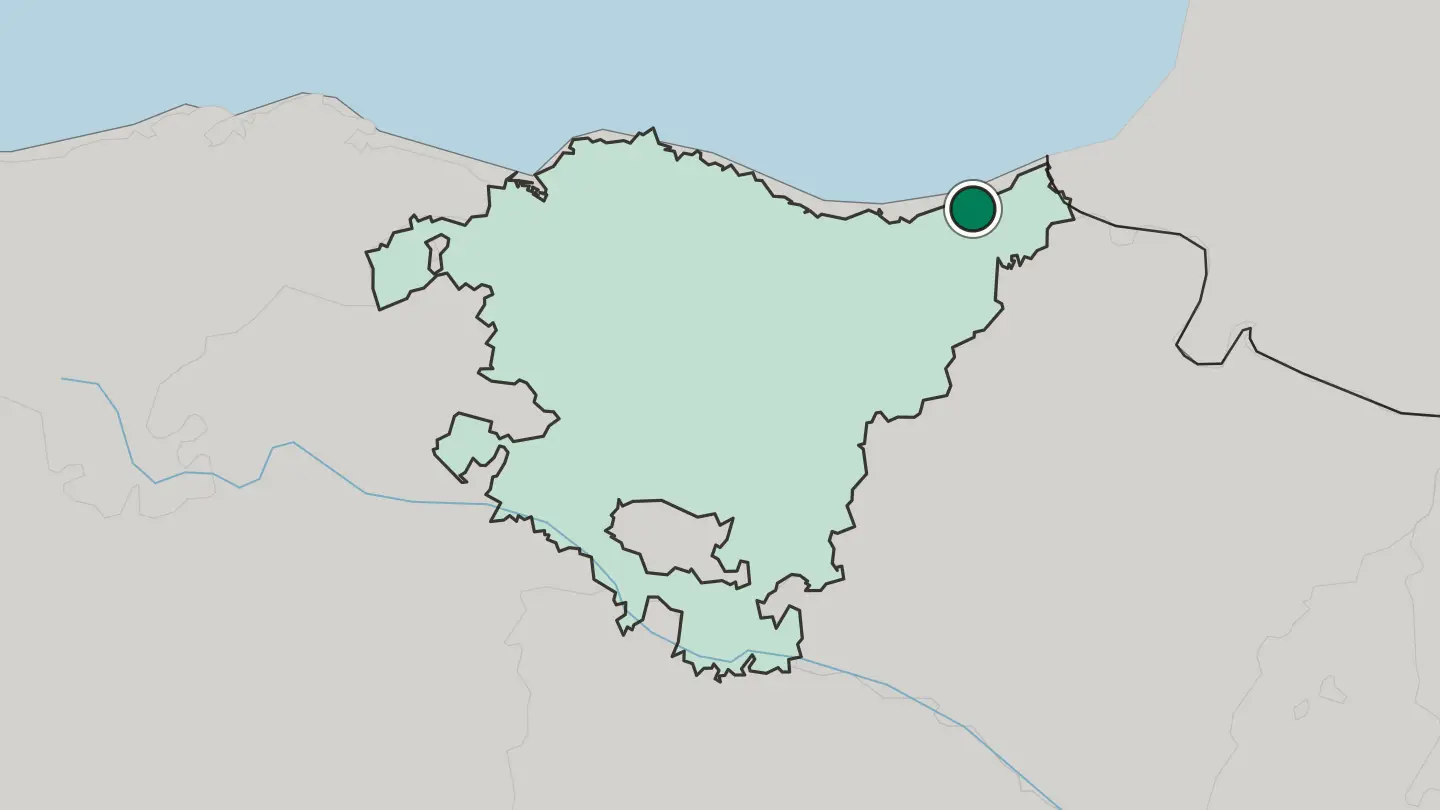
 Spain
Spain
Barakaldo
Barakaldo lines the Left Bank of the Estuary of Bilbao, a Biscay town of Greater Bilbao where the works gave way to new quarters.Where to stay →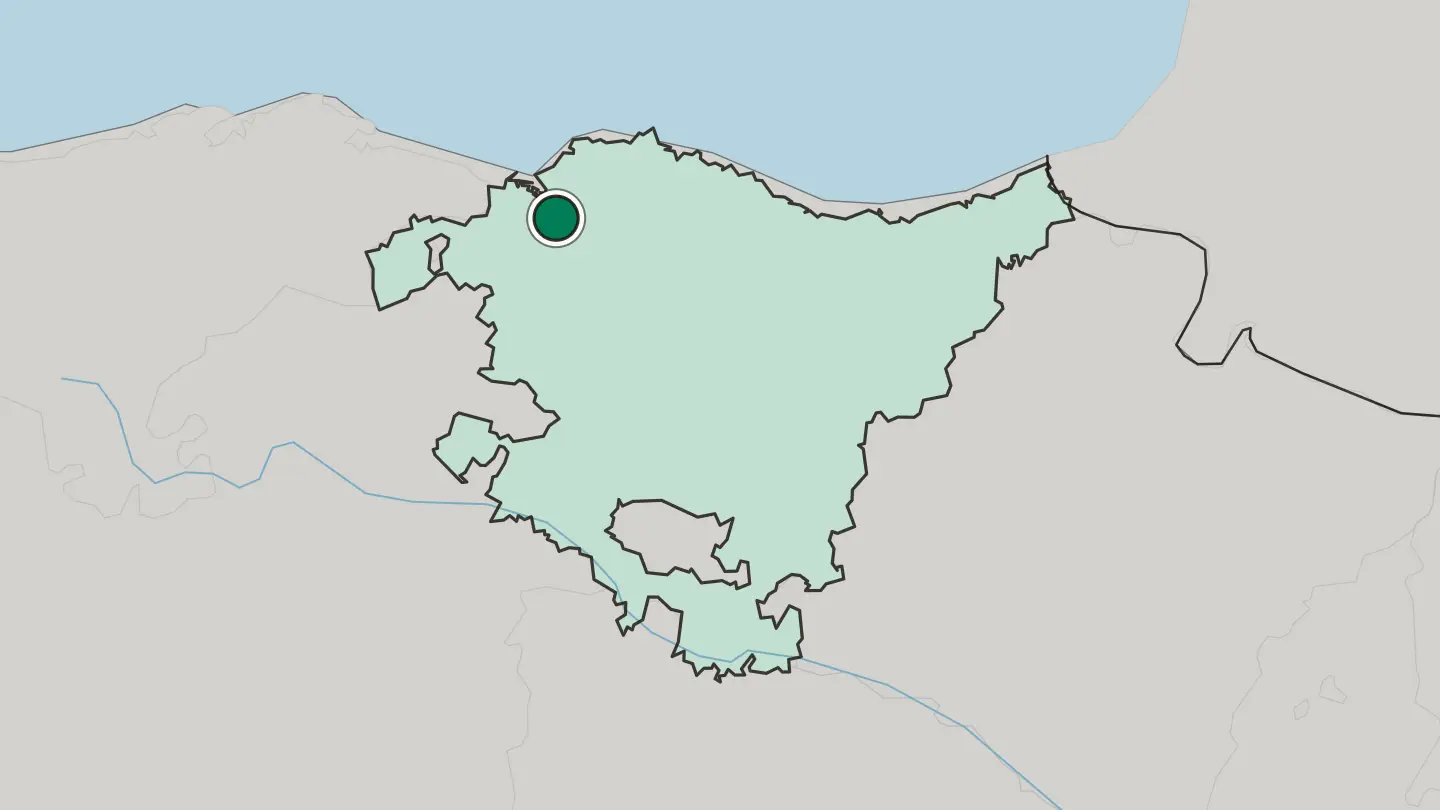
 Spain
Spain
Getxo
Getxo is a mainly residential town of Biscay inside Greater Bilbao, known for its mansion houses, the Martiartu Tower and the Church of Andra Mari.Where to stay →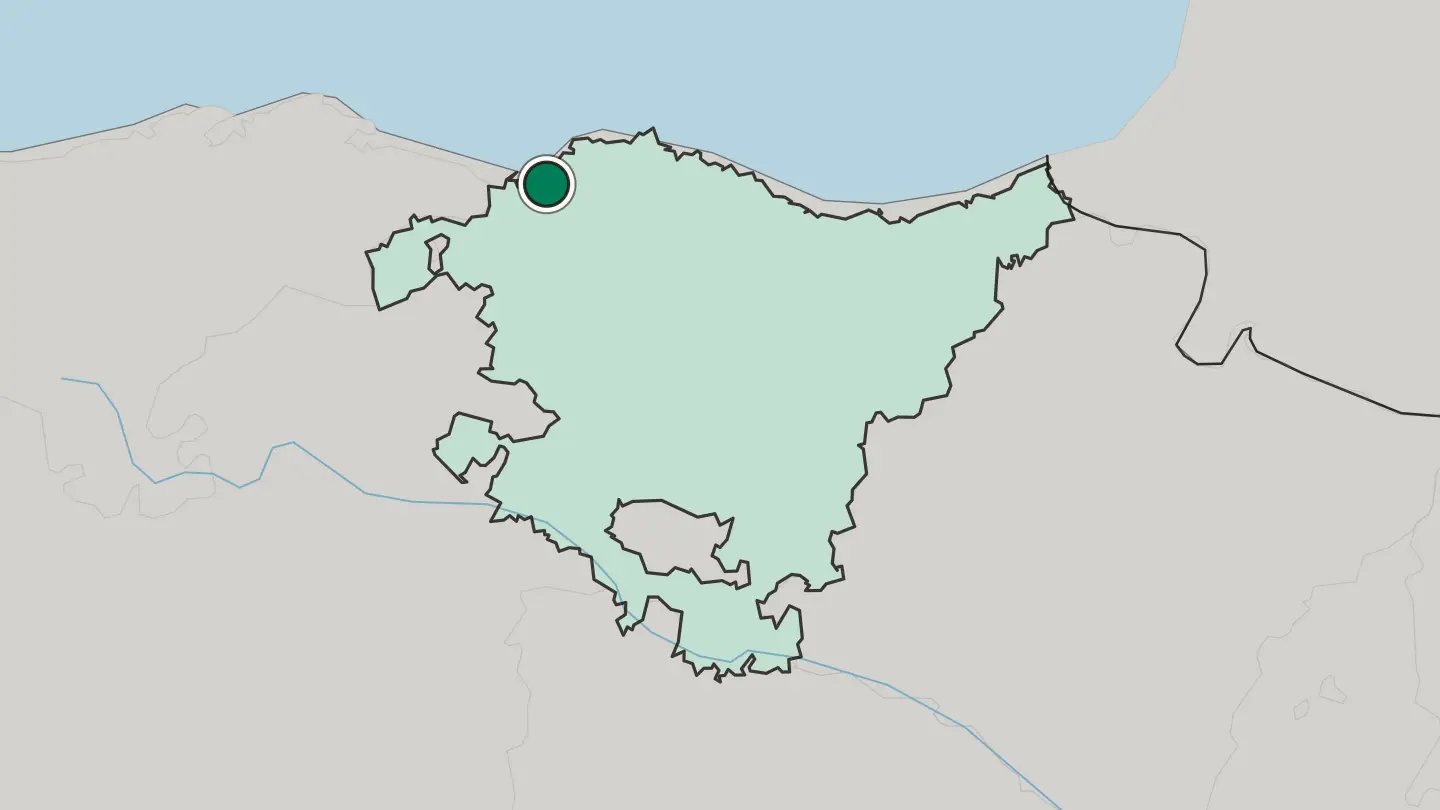 Spain
Spain
Irun
Irun stands at the border of France in Gipuzkoa, a Bidasoaldea town on the Northern Way of the Camino de Santiago.Where to stay →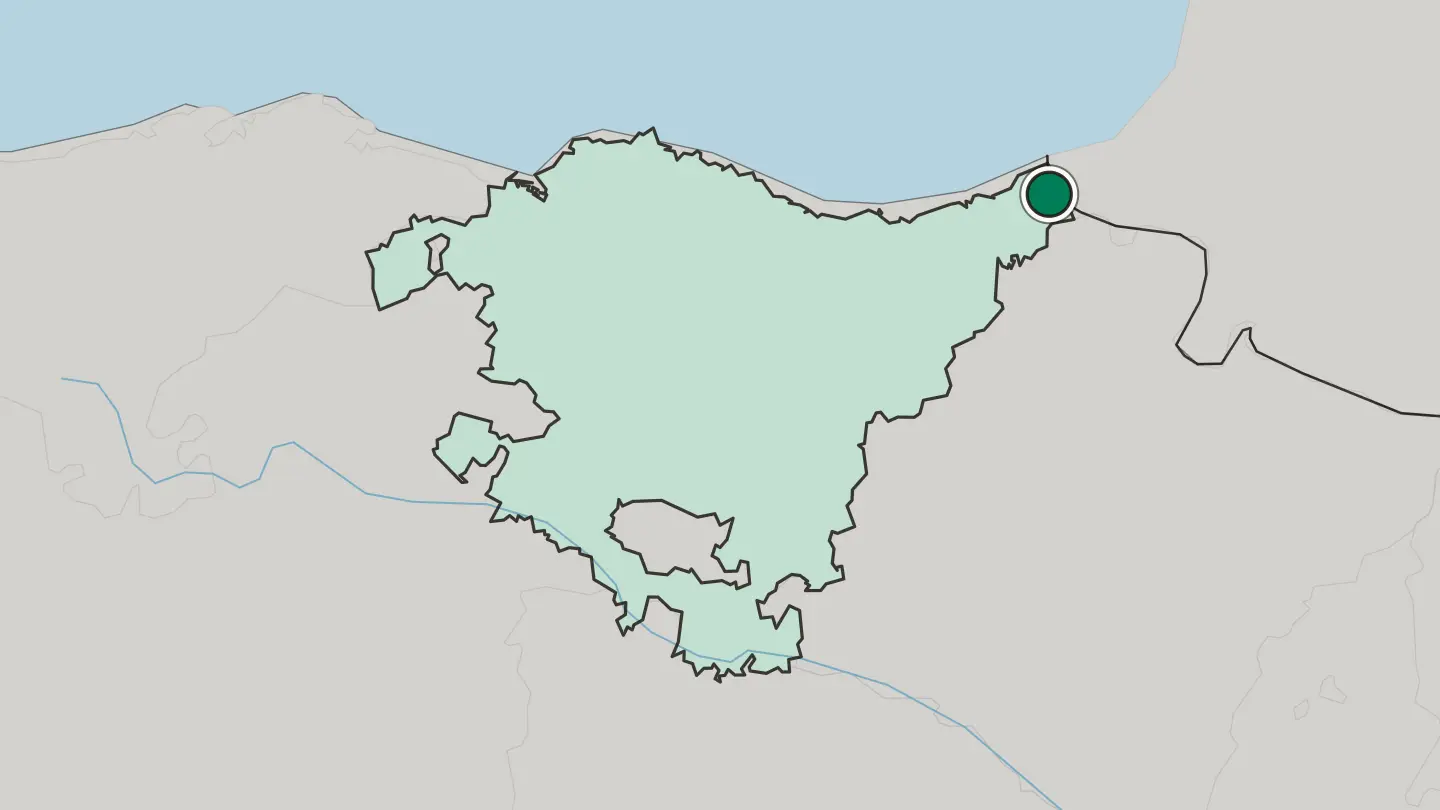
Hotel links are affiliate links: booking through them may earn us a commission, at no extra cost to you. It never affects how places are ranked. How this works
About Euskal Autonomia Erkidegoa
Euskadi runs on its own terms.
What is Euskal Autonomia Erkidegoa known for?
It keeps Euskara, a language tied to no other in Europe, alongside Spanish. Bilbao is the largest city, and Frank Gehry's titanium Guggenheim reshaped its old industrial waterfront on the Nervión. San Sebastián draws people to La Concha and to a pintxos culture that made the region a food destination in its own right.
Vitoria-Gasteiz, the capital, sits inland on the Álava plains.
Where is Euskal Autonomia Erkidegoa?
The Basque Country occupies a small, mountainous corner of northern Spain, wedged between the Bay of Biscay to the north and the high country of the western Pyrenees inland. It is small but sharply divided. Three historical provinces make it up: Biscay in the west around Bilbao, Gipuzkoa in the east around San Sebastián, and Álava filling the south.
Cantabria and the Burgos country lie to the west, Navarre and France to the east, and La Rioja to the south across the Ebro. The coast is short and rugged, a run of cliffs, small harbours and river mouths facing the open Atlantic. Behind it the land climbs fast.
The mountains of Biscay and Gipuzkoa are steep and green, cut by short, rapid rivers that carve gorges down to the sea, the Nervión among them reaching the coast at Bilbao. South of those ranges the ground opens out onto the Llanada Alavesa, the Álava plains, where Vitoria-Gasteiz stands. Further south still, near the Ebro, the slopes turn to vineyard in the Rioja Alavesa.
Sea, mountain and plain sit within an hour of each other.
What is Euskal Autonomia Erkidegoa like?
Language sets the Basque Country apart before anything else does. Euskara belongs to no wider family in Europe, an isolate spoken here long before the tongues around it arrived, and the 1979 statute placed it on an equal footing with Spanish across the region. Both appear on the road signs.
Both are heard on the street, more so in the coastal towns than in Vitoria-Gasteiz on the southern plains. Food carries the identity as strongly as speech. San Sebastián turned the pintxo, a small plate eaten standing at a crowded bar, into a whole way of going out, and the region's cooking has drawn cooks and eaters from far beyond Spain.
The gastronomic societies, the txokos, keep the older tradition of cooking together. Art has weight too. Bilbao staked its recovery on Gehry's Guggenheim, and the gamble paid off.
Beyond the cities, village festivals, stone-lifting and rowing contests, and the bertsolari who improvise sung verse keep a culture that has held its shape for a very long time.
What is the history of Euskal Autonomia Erkidegoa?
The Basque provinces long held their own charters, the fueros, under the Spanish crown. Modern autonomy came harder. A first statute passed in 1936 as the Civil War broke out, and the following year German aircraft flying for Franco bombed Gernika, the market town that carried the old assembly oak and stood as a symbol of Basque self-rule.
Franco crushed the autonomy that followed. Only with the return of democracy did the Statute of Gernika, approved by referendum in 1979, restore a Basque government seated at Vitoria-Gasteiz.
What is the climate of Euskal Autonomia Erkidegoa?
The coast is green because it is wet. The northern valleys of Biscay and Gipuzkoa keep an oceanic climate off the Bay of Biscay, with rain spread through the year and temperatures that stay mild in both summer and winter. Clouds bank against the mountains.
South of those ranges the weather shifts drier and more continental, and the Álava plains around Vitoria-Gasteiz run colder in winter and hotter in summer than the coast a short drive north.
How do you get to Euskal Autonomia Erkidegoa?
Most travellers fly into Bilbao. Its airport is the region's main gateway, carrying the bulk of the international flights, while the smaller field at San Sebastián handles mostly domestic routes near the French border. Trains and the motorway run west along the coast toward Cantabria and inland to Vitoria-Gasteiz.
France lies just over the eastern edge, an easy road hop past Irún. Once here, the three cities sit close enough that a car or a bus links coast, mountain and the Rioja Alavesa wine country in under two hours.
Common questions
What is the best area to stay in Euskal Autonomia Erkidegoa?
Bilbao: a first base in Euskadi. San Sebastián: the Basque coast and beaches. Vitoria-Gasteiz: wine country and a quieter base.
Good for
More regions in Spain
Updated September 2026