Spain · Euskal Autonomia Erkidegoa
Where to Stay in Getxo, Euskal Autonomia Erkidegoa
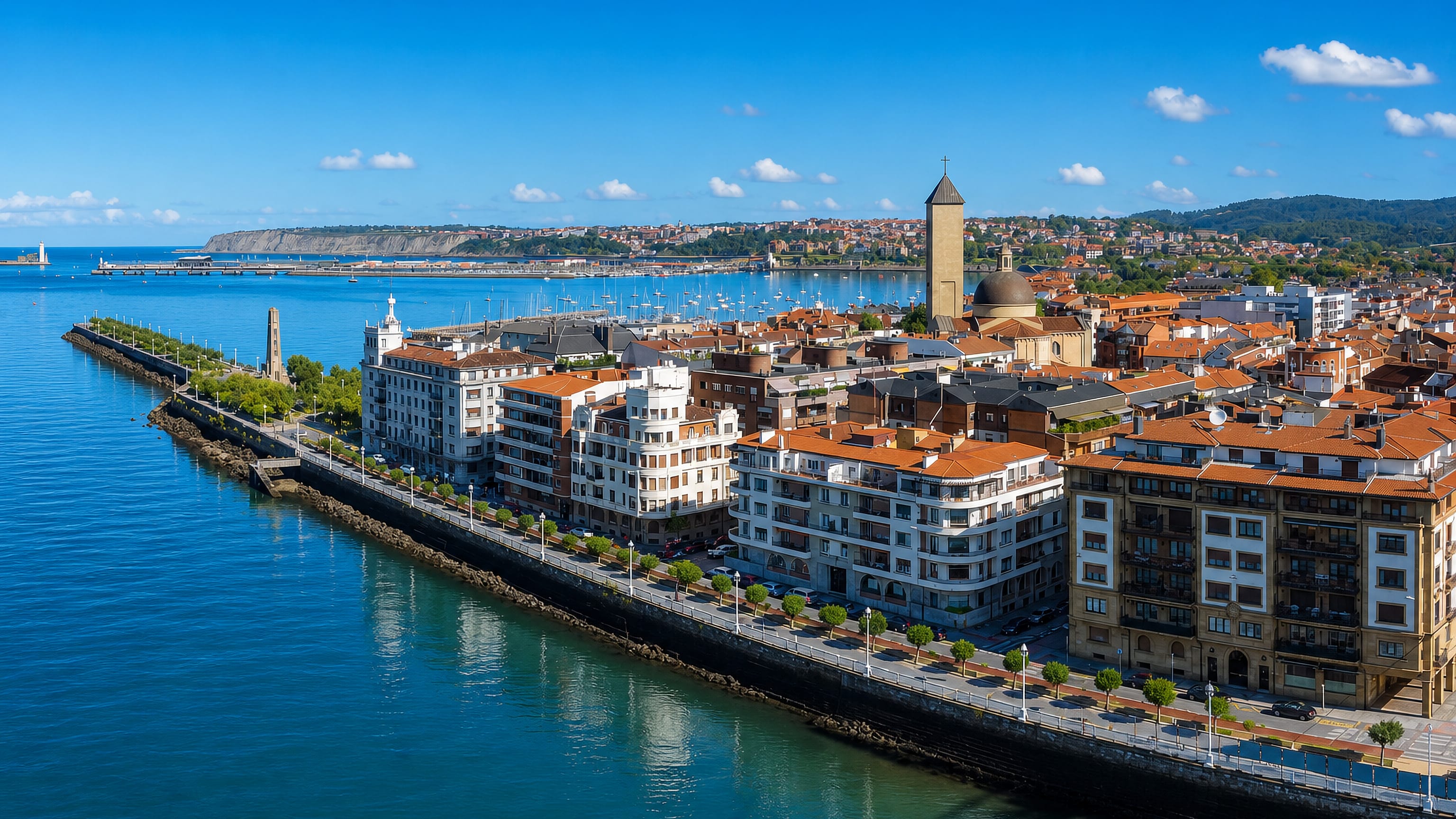
Getxo is a mainly residential town of Biscay inside Greater Bilbao, known for its mansion houses, the Martiartu Tower and the Church of Andra Mari.
Hotel links are affiliate links: booking through them may earn us a commission, at no extra cost to you. It never affects how places are ranked. How this works


Where to stay in Getxo
Not every neighbourhood fits every trip — here's what each one is good for.

 GetxoSpain
Algorta
Algorta is a district of Getxo in Spain, known in the record for 17 named houses, three churches and the Palacio de Zubiaga.Where to stay → GetxoSpain
Areeta
Areeta, recorded also as Las Arenas, is a neighbourhood of Getxo built over beach sand at the mouth of the Estuary of Bilbao.Where to stay →Hotel links are affiliate links: booking through them may earn us a commission, at no extra cost to you. It never affects how places are ranked. How this works
Find hotels in Getxo
Direct booking searches for these neighbourhoods.
Around the Church of Andra Mari
The oldest core of the municipality, with the Martiartu Tower and Casa Amorotoena a short walk from the church. Few places to stay nearby — book ahead.Find hotels in Around the Church of Andra MariStays built around Palacio San Joseren and the Getxo mansion housesThe palace and villa streets
Casa Izpegi, Casa Senditzuegi and the Church of San Jorge line this quieter half of Getxo.Find hotels in The palace and villa streetsVisitors combining the Rialia Museum of Industry with the Santurtzi Maritime MuseumTowards Portugalete and Santurtzi
Beds in the neighbouring Biscay towns, close to the Basilica of Santa María and the old working waterfront.Find hotels in Towards Portugalete and SanturtziHotel links are affiliate links: booking through them may earn us a commission, at no extra cost to you. It never affects how places are ranked. How this works
Things to do in Getxo
Ranked by global recognition; descriptions from Wikidata (CC0).
Museums & Galleries
1- Santurtzi Maritime Museum
Churches & Religious Sites
3- Basilica of Santa María, Portugalete Heritage
- Church of Santa María (Sestao) Heritage
- Church of San Jorge
Castles & Historic Sites
3- Palacio San Joseren Heritage
- Monument to Víctor Chávarri Heritage
- Monument to Evaristo de Churruca
Stadiums & Sports
2- Campo Municipal de Gobela
- Zona deportiva de Sarriena
Landmarks & Notable Places
8- Casa Torre de Salazar Heritage
- Martiartu Tower Heritage
- Casa de Elías López Bustamante Heritage
- Casa Amorotoena Heritage
- Edificio Vicenta Durañona Heritage
Show 3 more →
- Gizarte Etxea Heritage
- Babcock & Wilcox herria Heritage
- Villa Nueva Kooperatiba Heritage
worth knowingacross 5 categories in Getxo
About Getxo
What is Getxo known for?
Big houses set Getxo apart from the works towns of Greater Bilbao, and the Palacio San Joseren, Casa Amorotoena, Casa Izpegi and Casa Senditzuegi still line its streets as private architecture rather than public monument. The Church of Andra Mari holds the older parish. It is the third largest municipality of Biscay.
Sport takes up much of the rest, at Campo Municipal de Gobela and the Zona deportiva de Sarriena, while the Basque Museum of the History of Medicine and Science gives the town an unusual collection. Martiartu Tower predates all of it.
What are the main landmarks in Getxo?
Martiartu Tower is the oldest thing standing. The Church of Andra Mari and the Church of San Jorge divide the parishes between them, while Palacio San Joseren, Casa Amorotoena, Casa Izpegi and Casa Senditzuegi carry the domestic architecture. The Basque Museum of the History of Medicine and Science is the odd one out.
Sport has Campo Municipal de Gobela and the Zona deportiva de Sarriena. Beyond the municipal line stand the Basilica of Santa María and the Rialia Museum of Industry in Portugalete, the Santurtzi Maritime Museum and the Church of Santa María in Sestao.
What is the history of Getxo?
The tower came first. Martiartu Tower belongs to the age of fortified house-towers in Biscay, when families held ground rather than trade, and the Casa Torre de Salazar survives from the same period among the neighbouring towns. Around the Church of Andra Mari a farming parish worked the ground for centuries, and the Church of San Jorge serves another quarter of the same municipality.
Industry arrived on the doorstep. The furnaces, yards and cooperative societies that made Sestao and Portugalete into working towns of Greater Bilbao passed Getxo by, and the municipality took the residential part instead. Palacio San Joseren, Casa Amorotoena, Casa Izpegi and Casa Senditzuegi belong to that wealthier settlement.
Getxo grew into the third largest municipality of Biscay on that pattern, an affluent residential town rather than a manufacturing one, and it stayed inside Greater Bilbao without becoming a works town. The record of the other half sits nearby. Monument to Evaristo de Churruca and Monument to Víctor Chávarri, the cooperative halls of El Progreso sozietate kooperatiboa and Villa Nueva Kooperatiba, and the Rialia Museum of Industry all keep the industrial century.
The Basque Museum of the History of Medicine and Science came out of a different tradition again.
Where is Getxo?
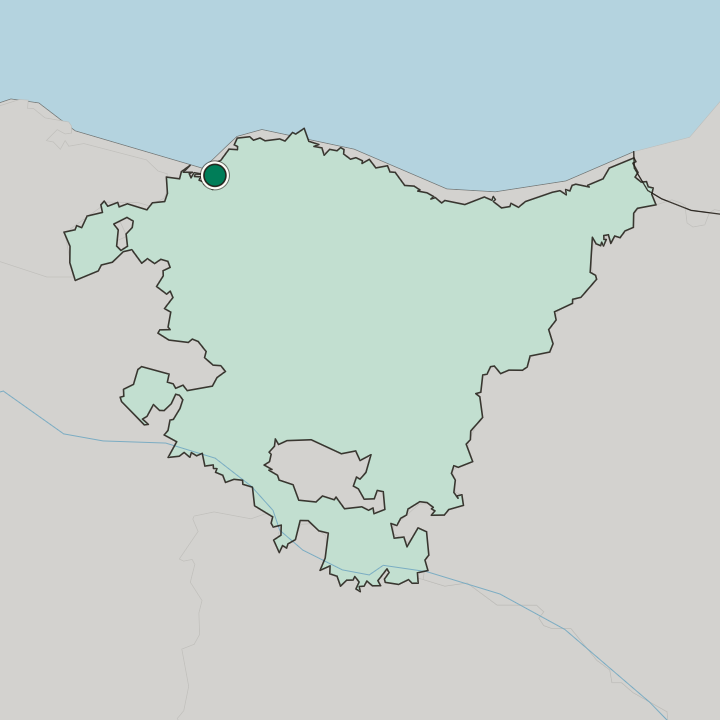
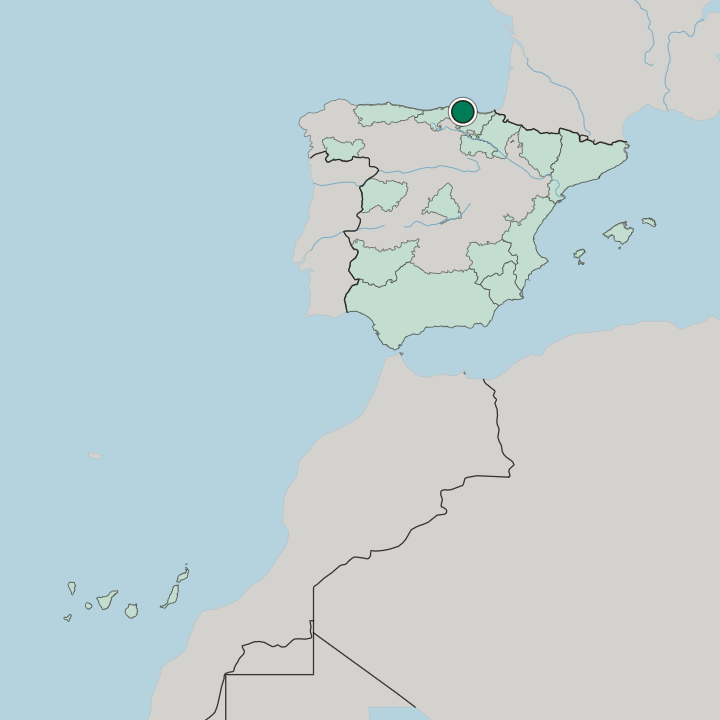
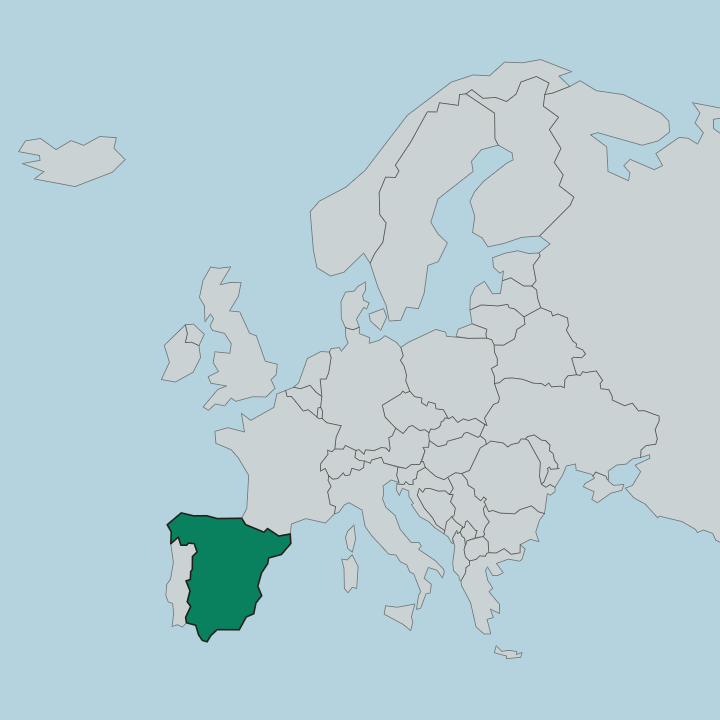
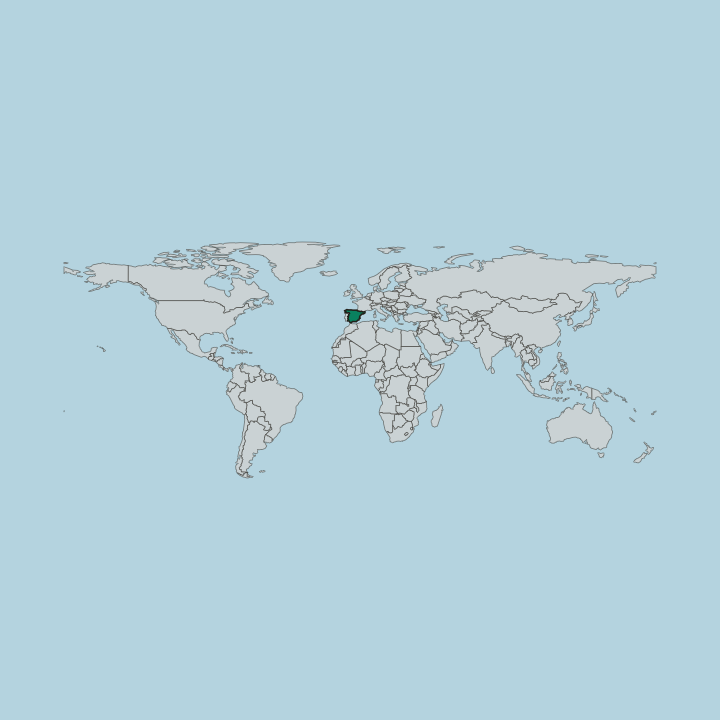
Getxo occupies a compact municipality of Biscay within Greater Bilbao, the third largest of the province, with its built ground running almost without a break into the towns beside it. Portugalete and Santurtzi sit nearest. The Basque Country holds it, and Spain beyond that, but the working geography is the conurbation: Sestao, Portugalete, Santurtzi and Getxo strung along one continuous belt of Biscay.
Green survives at Campo Municipal de Gobela and the Zona deportiva de Sarriena more than in open country. Bosque de la Vida belongs to the same belt.
What is the climate of Getxo?
Nothing here gets extreme. Biscay sits in the temperate band, and the weather that reaches Getxo comes damp and grey more often than hard, so the green at the Zona deportiva de Sarriena and Campo Municipal de Gobela holds through the year. Winters stay soft across the Basque Country, and summers rarely reach the heat that inland Spain takes for granted.
Rain is the constant, spread thin across the months rather than gathered into one season, and the ground around Getxo stays green because of it.
How do you get to Getxo?
Getxo is reached through Greater Bilbao, of which it forms the residential end, and the built ground runs unbroken from Sestao and Portugalete to the municipal line. Santurtzi lies on the same run. Nothing about the approach is complicated: the conurbation's own network carries people between the towns of Biscay, and Getxo is one stop within it rather than a destination apart.
Campo Municipal de Gobela marks one edge of it.
Common questions
What is the best area to stay in Getxo?
Around the Church of Andra Mari: Travellers who want Getxo's old parish rather than its villa streets. The palace and villa streets: Stays built around Palacio San Joseren and the Getxo mansion houses. Towards Portugalete and Santurtzi: Visitors combining the Rialia Museum of Industry with the Santurtzi Maritime Museum.
Good for
More cities in Euskal Autonomia Erkidegoa
Updated October 2026